
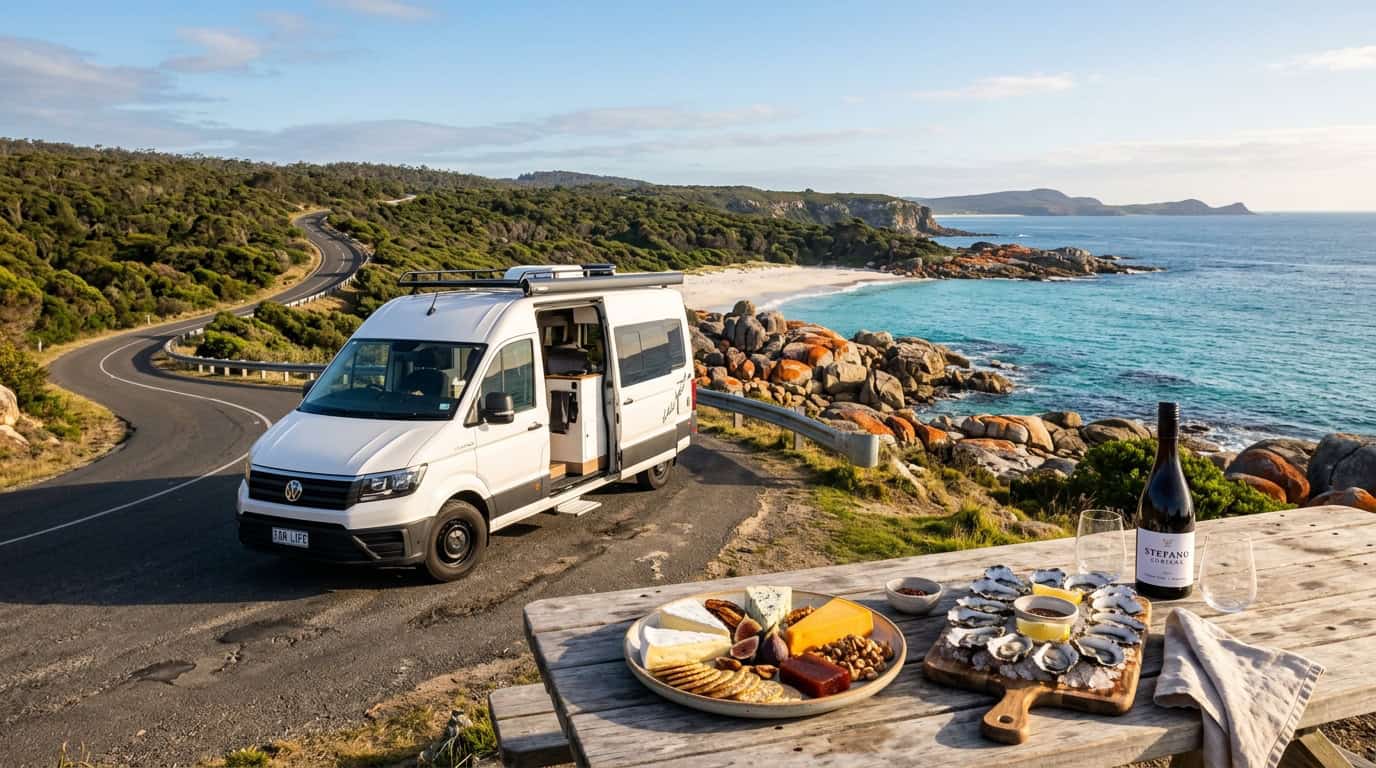
There is a primal magic in the air the moment you roll off the ferry or step onto the tarmac in Hobart, a feeling that your tasmania road trip is about to be more than just a drive. With over 1,600 kilometers of pristine coastline and ancient rainforests packed into one compact island, every turn reveals a dramatic shift in scenery that feels like crossing into a different country. Whether you are chasing the sunrise over the pink granite peaks of Freycinet or navigating the misty, emerald bends of the wild west coast, the freedom of a self-drive adventure here is unmatched.
To truly soak in the island’s diverse microclimates and hidden gems, you’ll want to set aside 7 to 14 days for the full circuit. While the direct driving time is manageable, the real joy lies in the spontaneous detours to farm-gate honesty boxes and secluded white-sand beaches. Budgeting roughly $350 to $400 AUD for fuel ensures you can explore every winding backroad without hesitation. Grab a National Parks Pass, pack for four seasons in one day, and prepare for a journey where the destination is always second to the wonder of the open road.
Key Takeaways
- Allocate 7 to 14 days for a full circuit to accommodate Tasmania’s winding roads and diverse microclimates while budgeting $350 to $400 AUD for fuel.
- Purchase an $89 National Parks Pass to gain vehicle access to iconic locations like Freycinet and Cradle Mountain without paying individual entry fees.
- Prioritize safety by reaching your destination before dusk to avoid active wildlife and packing versatile layers to handle rapid weather shifts across the island.
- Enhance the travel experience by choosing a compact SUV for steep terrain and embracing a flexible schedule for spontaneous stops at boutique vineyards and farm-gate stalls.
Essential Logistics For Your Tasmanian Driving Adventure
Starting your journey in Hobart gives you the perfect gateway to the island, but I highly recommend booking your vehicle well in advance to ensure you get the right fit for those hilly coastal routes. While a standard sedan works for the main highways, a compact SUV can offer a bit more comfort when you are navigating the sweeping bends of the East Coast or the steep climbs into the Western Wilds. Keep in mind that fuel costs for a full circuit usually hover between $350 and $400 AUD, so planning your stops around major towns like Launceston or Devonport can help you stay on budget. I found that picking up my car right at the airport allowed me to head straight to a local market to stock up on road trip snacks before hitting the open road.
One of the smartest investments you will make for this trip is the $89 National Parks Pass, which covers your vehicle and up to eight passengers for two full months. This pass is your golden ticket to iconic spots like the granite peaks of Freycinet and the ancient rainforests of Cradle Mountain without having to pay individual entry fees at every stop. Beyond the parks, you should prepare for a slower pace of travel because the roads here are famously winding and incredibly scenic. I quickly learned that a distance that looks short on a map often takes twice as long to drive when you are stopping for photo ops or following a timber truck through the mountains.
Safety is paramount when you are exploring Tasmania, especially since the local active wildlife is most active during the dawn and dusk hours. I always try to reach my destination before the sun sets to avoid the wombats and wallabies that frequently wander onto the bitumen in rural areas. The infrastructure is excellent and well maintained, but the weather can shift from sunshine to mist in a matter of minutes, particularly as you climb into higher elevations. By keeping your headlights on and your camera ready, you can safely enjoy every boutique vineyard and coastal views that make this island a world class driving destination.
The Great Eastern Drive Coastal Highlights And Seafood Trails
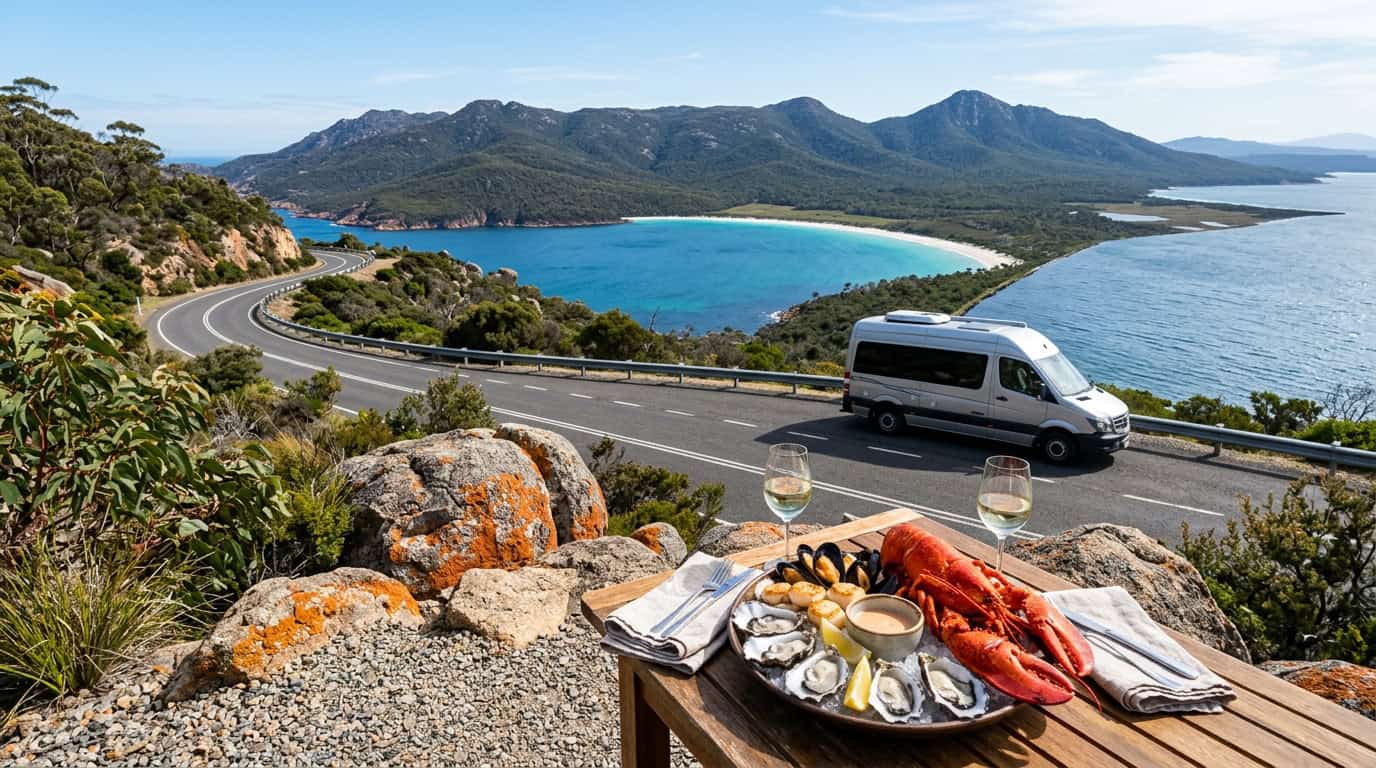
Setting off from Hobart, the Great Eastern Drive immediately unfolds as a masterclass in coastal scenery, where the road hugs the shoreline and the air smells of salt and eucalyptus. My journey north toward the Bay of Fires felt less like a commute and more like a curated tasting menu of Tasmania’s finest landscapes and local produce. You will find yourself constantly pulling over to admire the turquoise waters, but the real magic lies in the detours to boutique vineyards tucked into the rolling hills. These small scale estates offer intimate cellar door experiences where you can sip cool climate pinot noir while chatting directly with the growers. It is the perfect way to break up the drive before reaching the iconic orange hued rocks of the north.
No trip along this corridor is complete without a dedicated stop at the local oyster farms that dot the coastline. I highly recommend visiting a farm gate where you can enjoy Pacific oysters shucked just seconds before they hit your plate, paired with a crisp local white wine. After indulging in the local seafood trail, make your way to Freycinet National Park for the rewarding hike to the Wineglass Bay lookout. The sight of the perfectly curved white sand beach against the brilliant blue water is a highlight you will remember long after the trip ends. Be sure to pack a camera and sturdy walking shoes, as the contrast between the white sands and the granite peaks creates some of the most striking photography opportunities in Australia.
As you continue the drive toward the Bay of Fires, the pace of life seems to slow down even further, allowing you to fully soak in the rugged beauty of the edge of the world. This stretch of the road trip is famous for its hidden lagoons and stretches of powdery beach that often feel like your own private paradise. I found that the best strategy is to keep a flexible schedule, as you will likely want to linger at the lichen covered boulders that give the region its fiery name. Whether you are searching for rare coastal wildlife or simply looking for the best scallop pie in a seaside town, this route delivers a perfect blend of adventure and luxury. It is a driving experience that rewards the curious traveler with every winding turn of the coast.
Into The Wild Heart Of Cradle Mountain And The West
As you steer your car away from the shimmering turquoise waters of the East Coast, the scenery undergoes a transformation that feels almost cinematic. The salty breeze is replaced by the scent of ancient moss and damp earth as the road winds upward into the rugged highlands. This stretch of the drive is where Tasmania truly earns its reputation for diversity, swapping coastal vineyards for the prehistoric silhouettes of King Billy pines and jagged dolerite peaks. Watching the mist roll over the mountains is a powerful reminder of how quickly this island can shift from a gentle seaside escape to a wild, untamed wilderness.
The centerpiece of this region is undoubtedly the hike around Dove Lake, a six kilometer circuit that offers the best views of Cradle Mountain’s iconic twin peaks. I always recommend starting early to catch the mountain reflecting perfectly in the glass water before the afternoon winds pick up. For those with a bit more energy, the climb up to Marion’s Lookout provides a breathtaking vantage point over the entire glacial valley. Whether you are wandering through the Enchanted Walk or tackling the steeper trails, the sense of isolation and grandeur here is unlike anywhere else on the road trip circuit.
As the sun begins to dip below the horizon, make your way toward the grassy flats near the park entrance for one of the most charming wildlife encounters in Australia. This is the golden hour for spotting wombats, as they emerge from their burrows to graze on the native grasses. They are surprisingly indifferent to onlookers, but it is important to keep a respectful distance while you snap your photos. Watching these sturdy, round creatures bumble through the twilight is the perfect way to end a day of driving through the wild heart of the island.
Northern Flavors And Boutique Finds In The Tamar Valley

As we steered our car through the rolling green hills just north of Launceston, the scenery transformed into a patchwork of lush pastures and neatly trellised vines. The Tamar Valley is the heart of Tasmania’s cool climate wine scene, and driving along the winding banks of the river felt like discovering a secret corner of Europe. We made sure to follow the official wine trail, stopping at several boutique cellar doors that specialize in world class sparkling wines. There is something truly magical about sipping a crisp glass of bubbly while looking out over the water, especially when you can chat directly with the growers who tended the grapes. It is a slow paced, sensory experience that rewards travelers who take their time to explore the side roads.
Our itinerary led us through charming heritage towns like Evandale and Beaconsfield, where the colonial architecture feels perfectly preserved in time. I loved wandering through the local antique shops and small galleries, finding unique handmade treasures that you simply cannot find in the larger cities. These small communities are the perfect places to stretch your legs and grab a coffee at a local bakery before heading to the next vineyard. For a bit of history, we visited the ruins of old mines and gold mills that once fueled the region’s economy. The mix of refined flavors and rugged history creates a balanced road trip experience that caters to both the foodie and the history buff.
To make the most of this leg of the journey, I recommend dedicating at least two full days to the valley to avoid rushing through the tastings. We found that the best way to plan the route is to start on the western bank and loop back along the eastern side, ensuring you hit the famous lavender fields if they are in bloom. Keep an eye out for roadside farm stands where you can buy fresh cherries or berries using an honesty box system. These small interactions with the local land and people are what make a Tasmanian drive so memorable and authentic. Be sure to pack a small cooler in your trunk so you can store artisan cheeses and local cider to enjoy at a scenic lookout later in the day.
Your Ultimate Tasmanian Adventure Awaits
Ultimately, a Tasmania road trip is more than just a drive through beautiful scenery, it is an immersive journey into one of the world’s most diverse island ecosystems. Whether you are sipping cool climate pinot noir at a boutique vineyard in the Tamar Valley or watching wombats graze at dusk along the rugged coast, the island offers a rare blend of luxury and wildness. With its compact size and well maintained roads, you can transition from vibrant food trails to ancient rainforests in just a few hours. It is this accessibility, combined with the sheer variety of microclimates, that secures Tasmania’s spot at the very top of every traveler’s bucket list.
To truly make the most of your adventure, my final piece of advice is to intentionally embrace the island’s slow pace. While you could technically rush through the main circuit in a week, the real magic happens when you pull over for a roadside honey stall or spend an extra hour watching the waves at Bay of Fires. The winding roads are designed for wandering rather than racing, so give yourself the grace of a 7 to 14 days flexible schedule. By slowing down, you allow the quiet charm of the small towns and the stillness of the wilderness trekking to leave a lasting impression on your soul. If you are arriving from overseas, remember to use seamless travel strategies and consult a long haul flight guide to ensure you have the energy to enjoy every moment of the drive.
Frequently Asked Questions
1. How many days should I set aside for a full Tasmania road trip?
I recommend planning for 7 to 14 days to truly experience the island’s diverse microclimates and hidden gems. This timeframe allows you to enjoy spontaneous detours to secluded beaches and farm-gate honesty boxes without feeling rushed.
2. What type of vehicle is best for navigating the island?
While a standard sedan handles the main highways just fine, I highly suggest booking a compact SUV for better comfort. The extra power and stability make a world of difference when you are navigating the sweeping bends of the East Coast or the steep climbs into the Western Wilds.
3. How much should I budget for fuel during my journey?
You should budget roughly $350 to $400 AUD for fuel to cover a full circuit of the island. Planning your refuelling stops around major hubs like Launceston or Devonport is a smart way to keep your costs consistent while exploring the winding backroads.
4. What is the best way to start my Tasmanian driving adventure?
Flying into Hobart and picking up your rental car directly at the airport is the most seamless way to begin. This allows you to stop at local markets for road trip supplies before heading out to chase the sunrise over the pink granite peaks of Freycinet.
5. Do I need any special permits to visit the natural landmarks?
Yes, you should definitely grab a National Parks Pass before you set off on your adventure. This pass is essential for exploring pristine locations like the ancient rainforests and coastal reserves that make this island so magical.
6. What should I pack for a road trip through Tasmania?
The most important rule is to pack for four seasons in one day because the weather can shift dramatically as you move between the coast and the mountains. Bring versatile layers and sturdy shoes so you are ready for everything from misty rainforest walks to sunny beach strolls.