
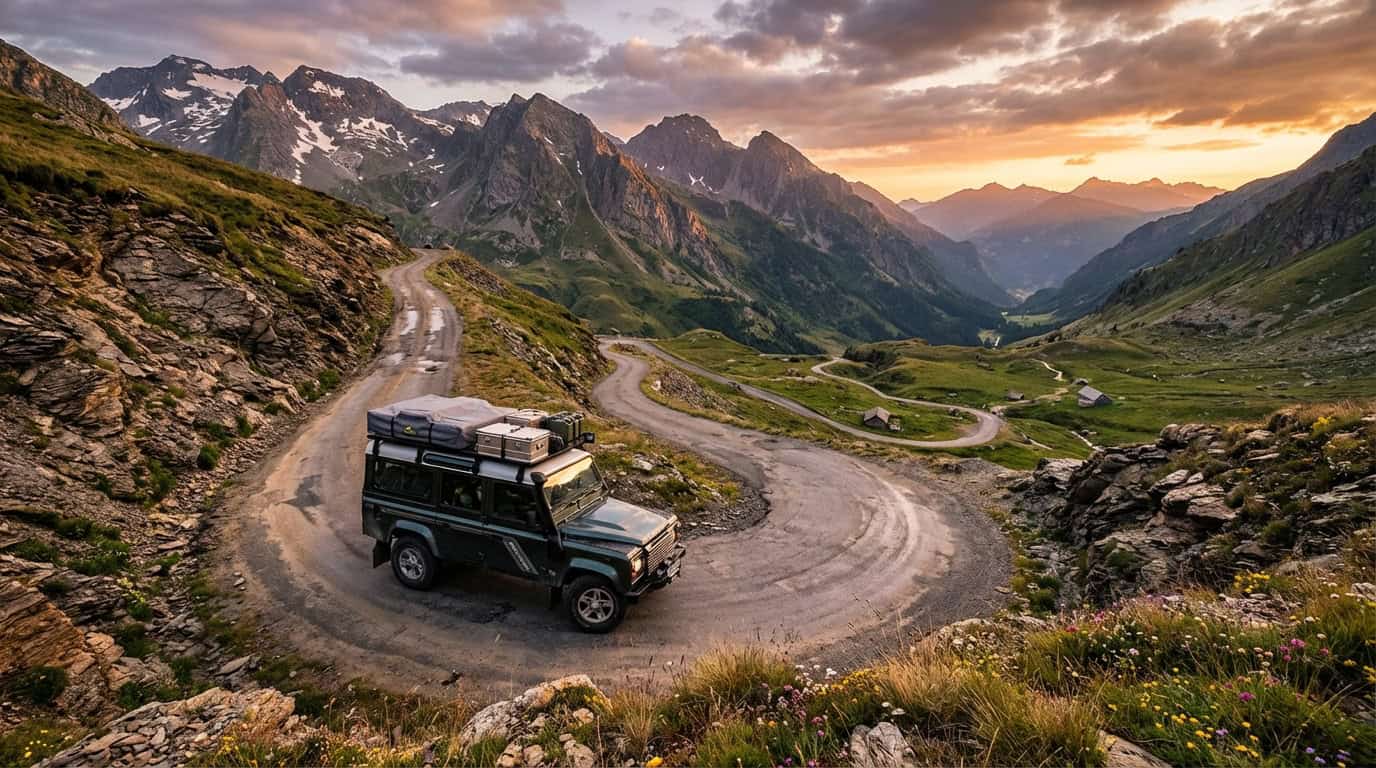
There is something undeniably magical about dipping your toes in the Atlantic Ocean and knowing that, in just a few days, you will be swimming in the Mediterranean Sea. When I finally started my Trans-Pyrenees road trip, I was completely blown away by the sheer scale of the jagged, snow-dusted peaks separating Spain and France. Driving this legendary 1,000-kilometer route is a passage through the clouds, taking you over iconic, sky-scraping mountain passes like the towering Col du Tourmalet.
Navigating the endless hairpin turns from the charming Basque streets of Hondarribia to the rugged cliffs of Cap de Creus rewarded me with the most breathtaking alpine vistas I have ever experienced. Pulling over to breathe in the crisp air at 2,000 meters changes your perspective entirely, turning a simple driving vacation into the ultimate European mountain escape. Crafting the perfect itinerary across these heights requires balancing those heart-pounding switchbacks with quiet, unhurried moments savoring the rich local culture in tiny, centuries-old border villages.
Key Takeaways
- The 1,000-kilometer Trans-Pyrenees road trip along the N-260 highway offers an unforgettable cross-border adventure from the Atlantic to the Mediterranean.
- Conquering over 15,000 meters of elevation gain requires a thorough mechanical inspection, including fresh tires, reliable brakes, and emergency supplies.
- Dedicate five to seven days to fully experience the journey, allowing ample time to safely navigate legendary high-altitude passes and explore centuries-old stone villages.
- Plan your trip between late spring and early autumn using a compact, nimble vehicle to easily handle the tight hairpins and steep mountain climbs.
Navigating The Legendary N-260 And Mountain Passes
If you want to skip the crowded coastal roads and explore the true heart of the mountains, the Spanish N-260 highway is an absolute dream come true. Known as the Eje Pirenaico, this spectacular ribbon of tarmac is my favorite way to experience the wild beauty of a Trans-Pyrenees road trip. Instead of fighting for beach parking, you will find yourself winding through high-altitude passes and discovering secluded stone villages that feel completely untouched by time. I will never forget the thrill of gripping the steering wheel as the road carved its way through deep gorges and soared above the tree line. It offers a rugged, cross-border adventure that seamlessly connects the Atlantic to the Mediterranean while rewarding you with some of the most breathtaking alpine views in Europe.
Tackling this legendary route requires more than just a sense of adventure, as you will conquer over 15,000 meters of total elevation gain. Before you even pack your bags, it is crucial to give your vehicle a thorough mechanical inspection to handle the relentless climbs and descents. Make sure your brake pads have plenty of life left, and flush your brake fluid to prevent overheating on those steep, winding downhill sections. I also highly recommend checking your cooling system and installing fresh, high-quality tires that can grip unpredictable mountain surfaces. The weather at these altitudes can change in a heartbeat, so keeping emergency supplies and extra layers in your trunk is a smart move for any mountain lover.
Once your vehicle is completely dialed in, you can confidently chase the horizon across the borders of Spain, France, and Andorra. You will have the chance to cross iconic Tour de France climbs like the Col du Tourmalet and the Col d’Aubisque. Driving these massive summits gives you a profound appreciation for the sheer scale and raw power of the Pyrenees mountain range. I always suggest starting your drive early in the morning to catch the golden sunlight spilling over the peaks and to enjoy the twisting roads all to yourself. This journey is the ultimate testament to the magic of slow travel, inviting you to savor every single switchback and panoramic viewpoint along the way.
Hondarribia To Aínsa: Atlantic Breezes To Medieval Villages
We kick off our Trans-Pyrenees road trip in the vibrant coastal town of Hondarribia, where the salty Atlantic breeze sweeps through colorful fishermen’s houses. Before leaving the ocean behind, I highly recommend grabbing a plate of fresh seafood pintxos in the bustling La Marina neighborhood. It is the perfect final taste of the coast before we point our steering wheel toward the rugged Spanish interior. As we leave the Bay of Biscay in our rearview mirror, the scenery almost immediately transforms into rolling green foothills. This is where our true mountain adventure begins, trading crowded beaches for the quiet majesty of the high peaks.
Navigating the winding roads of the Pyrenees offers a thrilling alternative to the typical Spanish tourist itineraries. You will find yourself gripping the steering wheel with excitement as the route climbs through dramatic mountain passes and rocky gorges. I remember pulling over at a secluded viewpoint near the French border, completely awestruck by the sheer scale of the valleys below us. For mountain lovers and driving enthusiasts, these twisting alpine routes provide endless panoramic vistas and a profound sense of isolation. Make sure your vehicle is in top condition and keep your camera ready for the sudden appearances of wild horses grazing near the asphalt.
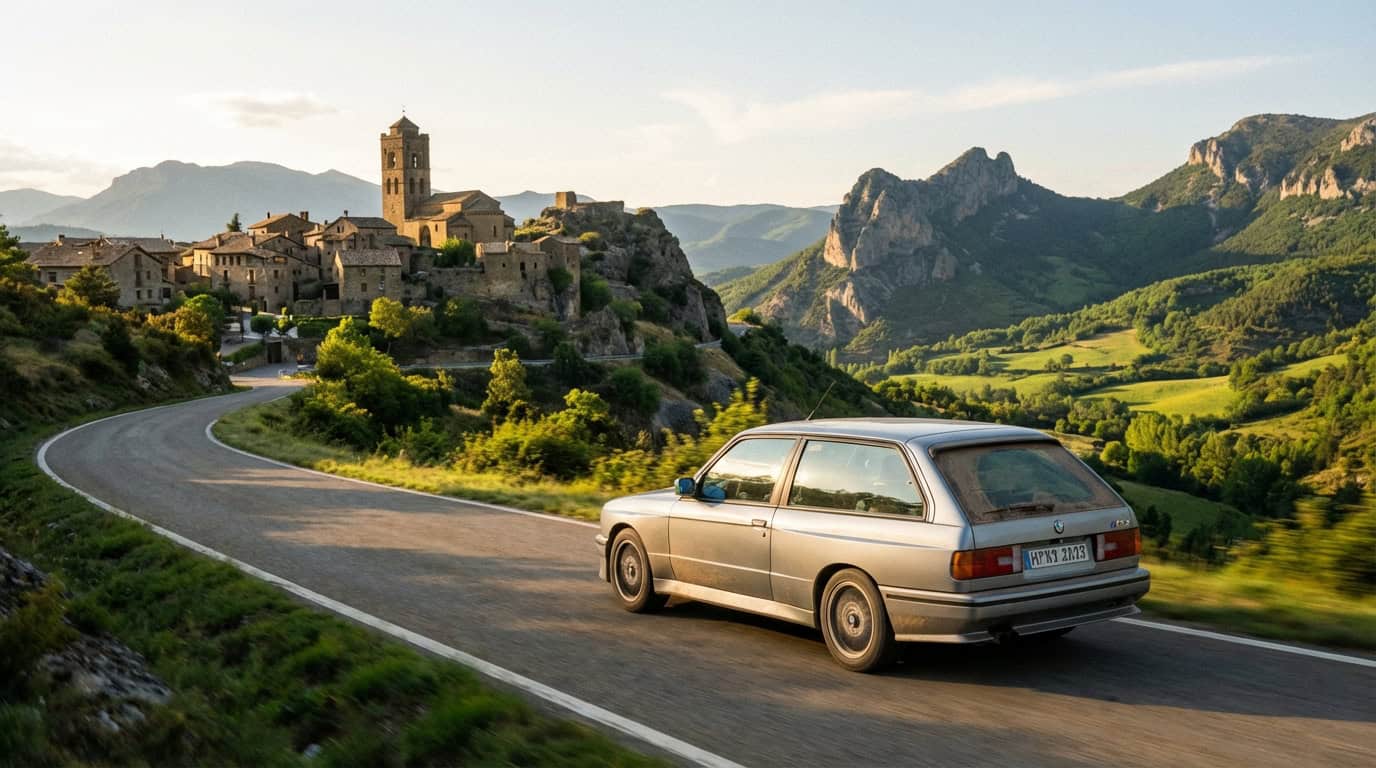
After hours of spectacular mountain driving, we finally roll into the breathtaking medieval village of Aínsa. Perched securely on a hilltop, this secluded stone settlement feels like a perfectly preserved movie set from centuries past. We spent our afternoon wandering through the cobbled streets, marveling at the ancient castle walls and the stunning Romanesque architecture. When you plan your visit, try to arrive just before sunset to watch the golden hour light up the surrounding peaks from the main plaza. It is a magical reward at the end of our first driving leg, proving that the rugged heart of Spain holds some of the greatest secrets in Europe.
Conquering The Cols And Reaching Cap De Creus
As we transition into the dramatic second half of our Trans-Pyrenees road trip, the scenery shifts into a spectacular playground for mountain lovers. You will find yourself driving a series of legendary high-altitude passes that have tested Tour de France champions for over a century. Driving up the iconic Col du Tourmalet is an absolute thrill, with its tight hairpins and sweeping vistas rising to over 2,100 meters. I recommend pulling over at the summit to catch your breath and take in the sheer scale of the jagged peaks stretching out in every direction. This rugged mountain route offers an exhilarating driving challenge that completely redefines the typical European road trip experience.
Leaving the highest peaks behind, the journey weaves back and forth across the border between Spain and France. This cross-border adventure provides a beautifully rugged alternative to the crowded coastal itineraries you might be used to driving. Tucked away in these remote valleys are secluded stone villages that look exactly as they did centuries ago. Make sure to stop in a few of these timeless hamlets to sample hearty local stews and chat with the welcoming locals. Every twist in the road reveals another hidden gorge or ancient bridge, making the drive feel like a true expedition through an untouched wilderness.
The final leg of our adventure brings a breathtaking shift in scenery as the mountains gradually surrender to the sea. Winding your way down toward the sun-drenched Mediterranean coast, the crisp alpine air is quickly replaced by the warm scent of saltwater and pine. The grand finale awaits at Cap de Creus, a surreal natural park filled with wind-sculpted rocks and hidden coves. I always feel a profound sense of accomplishment standing at this easternmost point of Spain, looking out over the endless blue water. Completing this coast-to-coast journey near the charming whitewashed town of Cadaqués is the perfect way to celebrate your unforgettable mountain conquest.
Finding the Untamed Heart of the Pyrenees
Completing this Trans-Pyrenees road trip truly reshaped my entire understanding of both Spain and France. Instead of the crowded coastal resorts we usually picture, this journey revealed a rugged, untamed frontier filled with secluded stone villages and soaring peaks. Navigating legendary high-altitude routes like the Col du Tourmalet gave me a profound appreciation for the sheer scale and raw beauty of these borderlands. I realized that the true heart of these two incredible countries beats loudest far above sea level, where the mountain air is crisp and the winding roads feel entirely your own. It is a striking contrast to the typical beach vacation, offering a deeply personal connection with nature that stays with you long after the engine cools.
Driving from the stormy shores of the Atlantic to the sun-drenched coves of the Mediterranean is a massive achievement that will leave you absolutely breathless. Every single twist and turn of this coast-to-coast adventure invites you to slow down, roll the windows down, and soak in the majestic alpine scenery. You will find yourself pulling over constantly just to marvel at the deep valleys and chat with friendly locals in tiny border towns. The route demands your full attention behind the wheel, but it rewards you with sweeping panoramic views that no photograph could ever truly capture. I found myself completely captivated by the quiet isolation and the sheer thrill of conquering each new mountain pass.
If you have been searching for a driving route that challenges your skills while reviving your soul, this is exactly the trip you need to take. I cannot recommend this international escape enough for anyone who loves the freedom of the open road and the quiet majesty of the mountains. You will return home with unforgettable memories, a renewed sense of adventure, and a completely different perspective on European travel. All you need is a reliable vehicle, a solid playlist, and a willingness to embrace the majestic unknown. Now is the perfect time to grab your keys, pack your bags, and set out to conquer the legendary peaks of the Pyrenees for yourself.
Frequently Asked Questions
1. What exactly is a Trans-Pyrenees road trip?
It is a legendary 1,000-kilometer driving adventure that takes you from the Atlantic Ocean to the Mediterranean Sea across the jagged peaks separating Spain and France. I love how it transforms a simple driving vacation into an ultimate European mountain escape. You will experience towering passes, deep gorges, and centuries-old border villages along the way.
2. Which route should I take for the best mountain views?
I highly recommend taking the Spanish N-260 highway, also known as the Eje Pirenaico. This spectacular ribbon of tarmac is my absolute favorite way to experience the wild beauty of the mountains. It completely skips the crowded coastal roads and rewards you with high-altitude passes and secluded stone villages untouched by time.
3. How long does the drive from the Atlantic to the Mediterranean take?
While you could technically rush the 1,000-kilometer route in just a couple of days, I strongly advise taking at least five to seven days. Crafting the perfect itinerary requires balancing those heart-pounding switchbacks with quiet moments savoring the local culture. Giving yourself extra time allows you to pull over at 2,000 meters and truly breathe in that crisp alpine air.
4. What is a good basic itinerary for this journey?
I suggest starting your adventure in the charming Basque streets of Hondarribia before winding your way up to the towering Col du Tourmalet. From there, you can navigate the endless hairpin turns of the N-260 through deep gorges and tiny mountain villages. Finally, end your epic journey by taking in the rugged cliffs of Cap de Creus right on the Mediterranean Sea.
5. Is driving the mountain passes difficult or dangerous?
Navigating these endless hairpin turns and sky-scraping passes does require your full attention and a confident grip on the steering wheel. However, the roads are generally well-maintained and incredibly rewarding for anyone who loves driving. I will never forget the thrill of carving through these heights, but you should always take it slow and respect the steep drop-offs.
6. When is the best time of year to plan this road trip?
Late spring to early autumn is the perfect window to take this passage through the clouds. During these months, the snow has mostly melted from the high-altitude passes like the Col du Tourmalet, ensuring the roads are safely open. The weather is absolutely gorgeous, offering the most breathtaking alpine vistas you will ever experience.
7. What kind of vehicle is best suited for the N-260 highway?
I always recommend a compact yet powerful car or a nimble motorcycle to truly enjoy the tight corners and steep climbs. Large motorhomes can struggle with the narrow gorges and sharp switchbacks found along the Eje Pirenaico. You want a vehicle that lets you feel the thrill of the road while comfortably soaring above the tree line.