
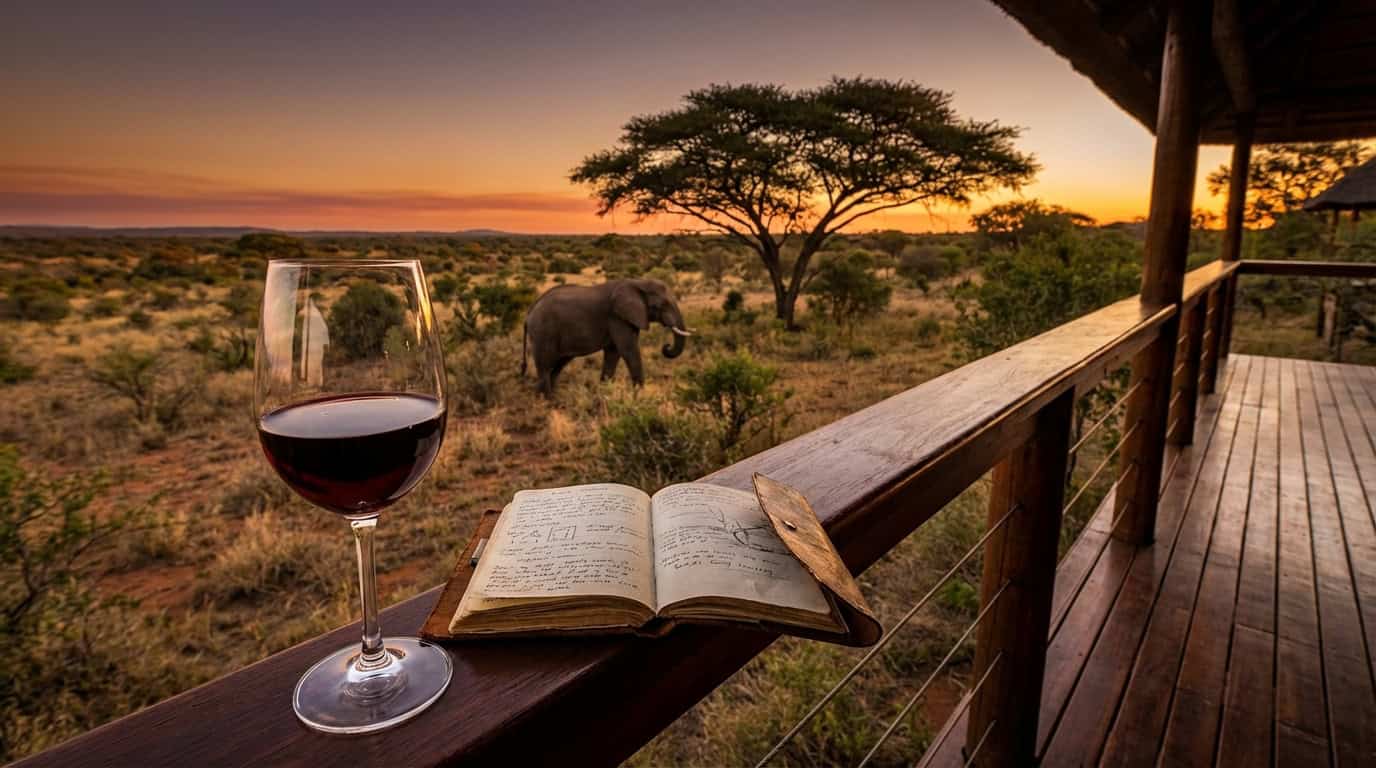
Standing atop Table Mountain with the city sprawled beneath you feels worlds apart from the hushed anticipation of tracking a lion through the tall grass of Kruger. Planning a balanced south africa itinerary means embracing these incredible contrasts, moving seamlessly from cosmopolitan energy to the raw beauty of the bushveld. It is a destination that demands you slow down and savor every sunset, whether it is over a historic vineyard or a dusty watering hole.
Over two unforgettable weeks, you can trade the vibrant streets of Cape Town for the rolling hills of Stellenbosch before ending with the thrill of a Big Five safari. This route focuses on the absolute highlights, ensuring you navigate the country safely while soaking up the world-class food and dramatic landscapes. It is the ultimate way to experience the magic of the Rainbow Nation without feeling rushed.
Key Takeaways
- A balanced two-week itinerary should seamlessly transition from the cosmopolitan energy of Cape Town and the Winelands to the raw wilderness of a Big Five safari in Kruger.
- Essential Cape region experiences include scaling Table Mountain, visiting the penguin colony at Boulders Beach, and exploring the vineyards via the Franschhoek Wine Tram.
- Travelers can choose between the luxury of off-roading in private game reserves like Sabi Sands or the independence of a self-drive safari through Kruger National Park.
- Renting a car offers the best flexibility for exploring the country, provided drivers stick to daylight hours and practice common vigilance regarding safety in urban areas.
Days 1-5: Exploring Cape Town and the Peninsula
There is no better place to kick off your South African adventure than the Mother City, where the mountains crash right into the sea. I recommend spending your first morning heading straight up Table Mountain, but keep a close eye on the weather forecast since the cable car shuts down in high winds. If you are feeling energetic, hiking the Platteklip Gorge route offers a rewarding workout, though taking the rotating cable car down saves your knees for later exploration. Once you descend, spend your afternoon wandering the V&A Waterfront, a safe and bustling hub perfect for grabbing a bite while watching seals play in the harbor. It is the ideal spot to ease into the local rhythm before venturing further afield.
Renting a car for a day trip down the Cape Peninsula is non-negotiable for me because the coastal roads are simply world-class. Your primary destination is Boulders Beach in Simon’s Town, where you can walk the boardwalks to see the famous colony of African penguins waddling along the sand. I suggest getting there early to beat the tour buses, which gives you a better chance to snap photos without crowds in the background. Afterward, drive to the rugged cliffs of Cape Point to stand at the southwesternmost tip of the continent, looking out over the churning Atlantic Ocean. On the way back, make sure you take Chapman’s Peak Drive, a toll road that hugs the vertical cliffs and offers sunset views that will leave you speechless.
Dedicate your remaining time to the vibrant history of the Bo-Kaap neighborhood, known for its brightly colored houses and rich Cape Malay heritage. I loved taking a guided walking tour here to learn about the local culture while feeling comfortable navigating the steeper cobbled streets. When it comes to safety in the city center, sticking to busy areas like Bree Street for dinner lets you experience the incredible culinary scene without unnecessary worry. Uber is widely available and reliable here, making it the best way to hop between neighborhoods after dark. These first few days provide a fantastic mix of urban energy and natural beauty, setting a high bar for the wine regions you will visit next.
Days 6-8: Winding Down in Stellenbosch and Franschhoek
After the buzz of Cape Town, driving just an hour east transports you to the rolling vineyards and dramatic mountain backdrops of the Cape Winelands. I recommend basing yourself in Stellenbosch, a historic university town known for its oak-lined streets and stunning Cape Dutch architecture. For a perfect introduction to the region’s viticulture, head straight to Delaire Graff Estate for a tasting on their sun-drenched terrace. The views over the Banhoek Valley are absolutely breathtaking and pair perfectly with a glass of their crisp Chardonnay. It is a safe and relaxing way to decompress before heading into the bush for your safari later in the trip.
Just a short drive away lies Franschhoek, often celebrated as the culinary capital of South Africa thanks to its rich French Huguenot heritage. One of my absolute favorite experiences here is booking a ticket on the famous Franschhoek Wine Tram. This hop-on hop-off railway journey allows you to visit multiple prestigious estates like Rickety Bridge and Grande Provence without worrying about navigating the roads yourself. It offers a fun and secure way to sample the region’s famous Méthode Cap Classique sparkling wines. You can spend the whole day moving between vineyards while soaking up the valley scenery from the open-air tram.
If you have time for one last stop, make sure to visit Babylonstoren to wander through their incredible fruit and vegetable gardens. The farm-to-table dining options here are exceptional and showcase the fresh produce grown right on the estate. Spending these three days sipping wine and eating world-class food provides the perfect counterpoint to the rugged adventure that awaits in Kruger. I found that slowing down in this region really helped me recharge my batteries before the early morning wake-up calls of a safari. It is truly the ideal bridge between the cosmopolitan city and the wild African bush.
Days 9-13: The Big Five Safari Experience in Kruger
Leaving the manicured vineyards behind, the flight to Kruger Mpumalanga International Airport transports you into a completely different world of raw wilderness. For the ultimate luxury experience, I highly recommend booking a few nights at a private game reserve like Sabi Sands or Timbavati adjacent to the main park. Here, off-roading is permitted, allowing your expert ranger to track leopards deep into the bush for those once-in-a-lifetime close encounters. The all-inclusive nature means you do not have to worry about meals or driving, letting you fully immerse yourself in the sights and sounds of the African bush. It is certainly a splurge, but waking up to elephants drinking from your private plunge pool makes every penny worth it.
If you prefer more independence or are watching your budget, a self-drive safari through the public Kruger National Park offers an equally thrilling adventure. Driving your own rental car along the tarred roads creates an incredible sense of anticipation since you never know what might step out from the tall grass. I suggest staying at the main rest camps like Skukuza or Lower Sabie, which offer safe and comfortable accommodations right in the heart of the action. You need to be your own spotter here, but the satisfaction of finding a pride of lions sunbathing on the asphalt is absolutely unmatched. Just remember to obey the strict gate times and keep your windows rolled up when the baboons are nearby.
Regardless of which style you choose, your days will revolve around the rhythm of the sun with early morning and late afternoon game drives. Searching for the Big Five requires patience, so bring a good pair of binoculars and a camera with a decent zoom lens to capture the magic. I was lucky enough to see a rhino crash within my first hour, but nature is unpredictable and often makes you work for the best sightings. Make sure to pack neutral-colored clothing to blend in with the environment and plenty of insect repellent for the evenings. Spending five full days here ensures you have ample time to see the diversity of wildlife without feeling rushed to tick everything off a list.
Essential Logistics and Safety Tips for South Africa
Navigating South Africa requires a bit more street smarts than your average European road trip, but do not let the headlines scare you away from this spectacular destination. I found that practicing common vigilance, such as keeping car doors locked while driving and avoiding walking alone at night, went a long way in making me feel secure throughout the journey. Most tourist hubs like the V&A Waterfront and Stellenbosch feel very safe, yet it remains crucial to stay aware of your surroundings regardless of where you are. Trust your instincts, stick to well-populated areas, and always ask your accommodation hosts for local advice on which specific neighborhoods to avoid. By treating the destination with respect and caution, you open yourself up to its incredible beauty without unnecessary worry.
Renting a car is hands down the best way to experience the freedom of the Garden Route and the Cape Winelands at your own pace. Driving on the left side of the road might take a moment to master, but the major highways are generally in excellent condition and well-signposted. I highly recommend planning your drives during daylight hours since street lighting can be sparse and animals often wander onto rural roads after dark. If you are heading up to Kruger National Park for a safari, consider flying directly into Skukuza or Nelspruit to save time and avoid the long drive from Johannesburg. Having your own vehicle gives you the flexibility to stop at charming farm stalls or scenic lookouts whenever the mood strikes.
One unique aspect of driving here is the presence of official car guards who watch over your vehicle in public parking lots. These attendants usually wear bright reflective vests, and it is customary to tip them a few rand when you return to your car safely. Make sure to carry some small cash for these tips and for toll roads, although credit cards are widely accepted almost everywhere else. Getting a local SIM card upon arrival at the airport is also a lifesaver for using GPS navigation and staying connected during your road trip. With these small logistical details sorted, you can focus entirely on the breathtaking landscapes unfolding outside your window.
Conclusion
This two-week journey truly captures the magic of the Rainbow Nation by blending cosmopolitan flair with raw wilderness. You get to start with world-class dining in Cape Town before sipping Pinotage in the rolling vineyards of Franschhoek. The transition from luxury lodgings to the untamed beauty of the Kruger bushveld offers a perspective you simply cannot find elsewhere. It is the perfect soft landing for anyone looking to dip their toes into African travel without sacrificing comfort. By following this specific route, you ensure you are seeing the absolute highlights in a manageable timeframe.
I know that planning a trip to South Africa can feel daunting due to safety questions or logistics, but sticking to this city and safari combination minimizes the stress. We focused on well-established tourist corridors where the infrastructure is excellent and navigating is surprisingly straightforward. You will find that the warmth of the locals and the efficiency of the services far outweigh the concerns you might have read about online. This itinerary allows you to experience the continent’s vibrant culture and wildlife with peace of mind. It really is the most accessible gateway for an unforgettable African adventure.
There is nothing quite like the feeling of watching a fiery sunset over the savannah after a day spent tracking the Big Five. Whether you are captivated by the penguins at Boulders Beach or humbled by the silence of the bush, this trip promises memories that will stick with you forever. I hope this guide has given you the confidence to finally click that book button and start your countdown. South Africa is ready to welcome you with open arms and endless horizons. Trust me when I say that you will be planning your return trip before you even leave.