
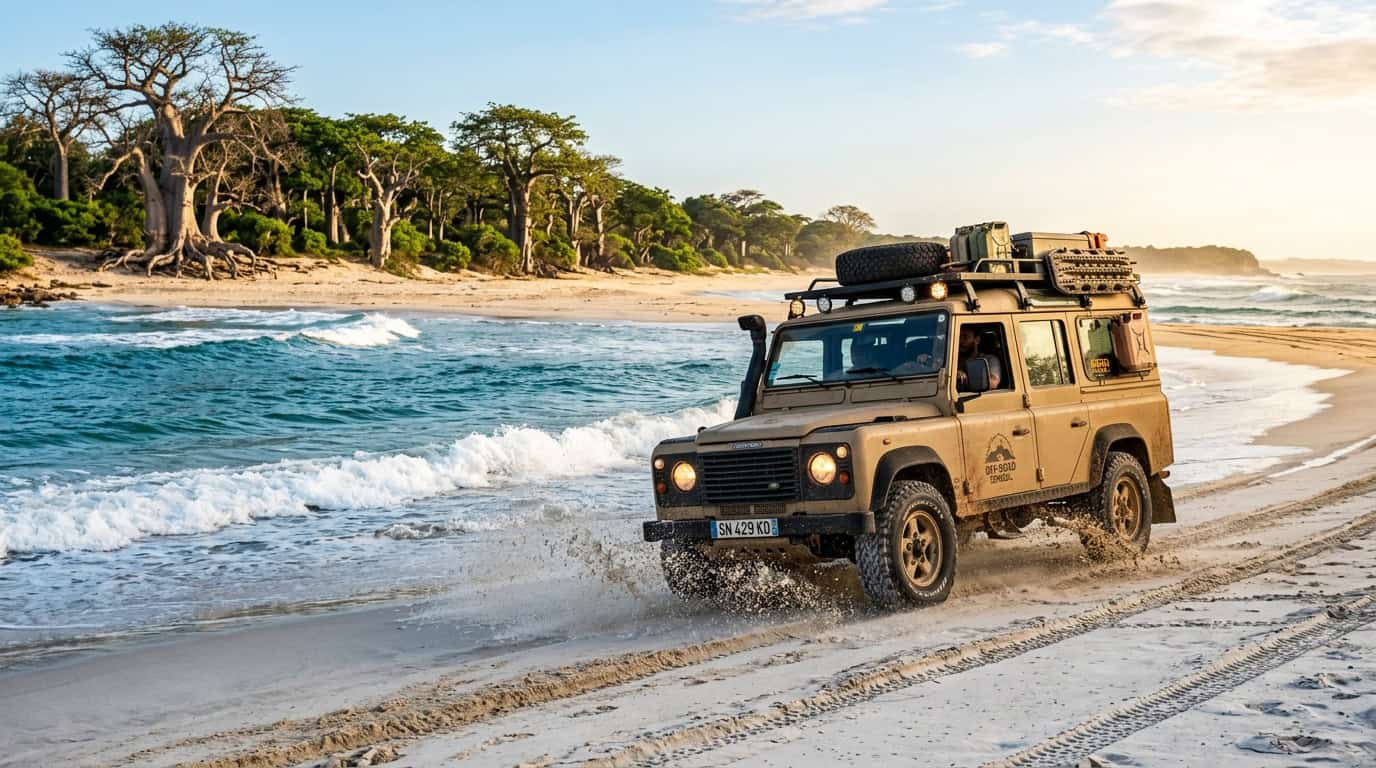
The scent of salt air and woodsmoke follows you as you navigate the winding Atlantic curves on a Senegal coast roadtrip, a journey that transforms from sun-bleached northern deserts to the emerald labyrinths of the southern deltas. This stretch of West Africa is defined by the spirit of Teranga, a deep, soul-stirring hospitality that makes every roadside stop feel like a homecoming. With vastly improved roads and a scenery that shifts from colonial architecture to wild bird sanctuaries, there has never been a more accessible time to explore this vibrant coastline at your own pace.
Imagine watching the sunrise over the Faidherbe Bridge in Saint-Louis, where the morning light catches the colorful prows of hundreds of traditional fishing pirogues. From the historic charm of the north to the tranquil mangroves of the Saloum Delta, this 300-mile route offers a sensory overload of rhythmic drumming, spicy thieboudienne, and hidden Atlantic beaches. Whether you are navigating the bustling markets or spotting pelicans in the Langue de Barbarie, every mile reveals a new layer of Senegal’s magnetic beauty and cultural depth.
Key Takeaways
- The dry season between November and May offers the ideal climate for a coastal road trip, providing peak birdwatching opportunities and well-maintained roads for navigating from the northern deserts to the southern deltas.
- A 4×4 vehicle is essential for travelers seeking to explore off-the-beaten-path locations like the Lompoul Desert dunes and the sandy tracks of the Sine-Saloum Delta.
- Senegal’s ‘Teranga’ spirit of hospitality makes the country an accessible and safe gateway for independent West African exploration, provided drivers travel during daylight hours and embrace a flexible pace.
- The 300-mile coastal route delivers a diverse sensory experience, transitioning from the colonial history of Saint Louis to unique natural wonders like the pink waters of Lac Rose and the shell islands of the Saloum Delta.
From Colonial Saint Louis To Langue De Barbarie
Stepping into Saint Louis feels like walking through a living gallery of West African history and colonial charm. As I drove across the iconic Faidherbe Bridge, the salty Atlantic breeze mixed with the scent of grilled fish and woodsmoke from the bustling docks. The narrow streets are lined with faded pastel buildings and wrought iron balconies that whisper stories of the city’s time as a former capital. I spent my afternoon wandering through the vibrant fishing quarter of Guet Ndar, where hundreds of hand painted pirogues crowd the shoreline in a kaleidoscope of colors. It is a sensory explosion that perfectly captures the spirit of Teranga, making it an essential first stop for any coastal explorer.
Just a short drive south of the city, the environment shifts into the serene wilderness of the Langue de Barbarie National Park. This thin sandy peninsula serves as a vital sanctuary for thousands of migratory birds, offering some of the best birdwatching opportunities in the region. I highly recommend hiring a local boatman to navigate the calm waters of the Senegal river, where you can spot pelicans, flamingos, and terns nesting along the dunes. The contrast between the energetic city life of Saint Louis and the quiet, windswept beauty of the park is striking. It is the perfect place to slow down and appreciate the raw, natural beauty of the northern coastline before continuing your journey south.
To make the most of this leg, try to plan your visit between November and April when the weather is pleasantly cool and the bird migrations are at their peak. You will find that the roads around Saint Louis are generally well maintained, making it a stress free entry point for those new to driving in West Africa. Be sure to pack a pair of binoculars and plenty of sun protection for your boat excursion, as the reflection off the water can be quite intense. Engaging with the local guides not only supports the community but also provides deep insights into the delicate ecosystem of the delta. This blend of cultural immersion and nature photography creates a truly unforgettable start to your Senegalese road trip.
Glamping In Lompoul And Salt Harvesting At Lac Rose
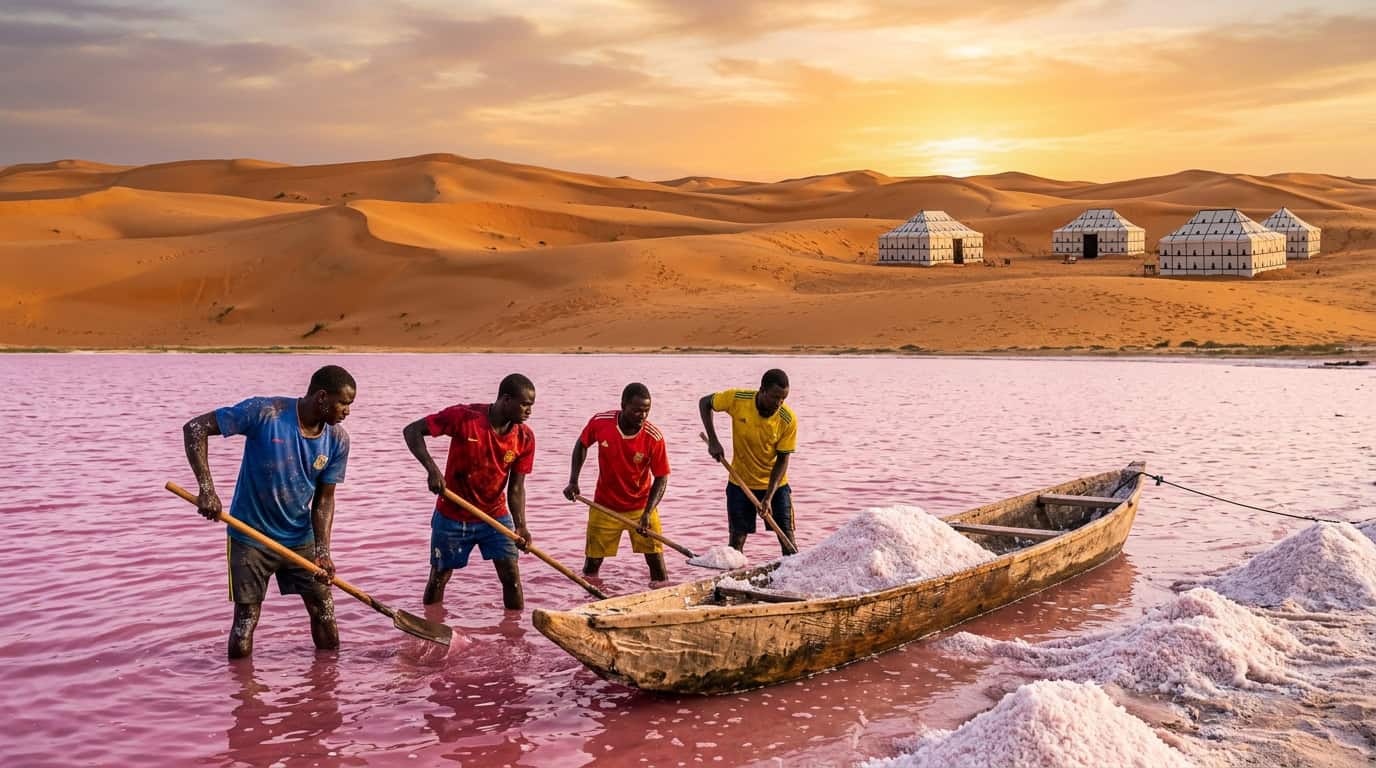
Leaving the colonial charm of Saint Louis behind, we steered our 4×4 toward the Lompoul Desert for a night of glamping under the stars. The transition from coastal shrubland to towering orange sand dunes is sudden and breathtaking, feeling like a secret gateway into the Sahara. We spent the evening in traditional Mauritanian tents, sharing mint tea as the sun dipped below the horizon and painted the dunes in shades of deep ochre. It is a surreal experience to wake up in such a remote, arid environment while knowing the Atlantic surf is just a few miles away. This stop is essential for anyone seeking that classic desert solitude without the logistical strain of a deep Saharan expedition.
The next morning, we traded the golden sands for the vibrant, otherworldly hues of Lake Retba, famously known as Lac Rose. The high salt content creates a striking pink shimmer in the water, especially during the dry winter months when the sun is at its peak. We watched in awe as local harvesters, covered in protective shea butter, waded into the lake to collect salt from the bottom. Massive white mounds of the mineral lined the shore like miniature snowy mountains, providing a stark contrast to the colorful wooden pirogues floating nearby. It is a fantastic spot to support local artisans and witness one of Senegal’s most unique geological wonders firsthand.
Planning this leg of the trip requires a 4×4 vehicle, as the sandy tracks around Lompoul can be challenging for standard cars. I recommend arriving at the lake in the late morning to see the pink color at its most intense before the shadows of the afternoon set in. Many travelers choose to float in the buoyant waters, which is a fun experience as long as you have fresh water nearby to rinse off the salt afterward. This stretch of the coastline perfectly captures the diversity of the region, moving from the silence of the dunes to the bustling, industrious energy of the salt flats. It serves as a reminder that Senegal is a land of incredible contrasts, offering both peaceful retreat and vibrant cultural immersion.
Navigating The Shell Islands Of The Saloum Delta
As we steered our vehicle south toward the Sine-Saloum Delta, the arid coastal plains began to transform into a lush, aquatic labyrinth of mangroves and salt flats. This region is a hidden gem for those seeking a true West African adventure, where the roads eventually give way to traditional wooden pirogues. I spent my first afternoon gliding through the quiet channels of the UNESCO Biosphere Reserve, where the only sound was the rhythmic dip of the paddle and the distant call of a Goliath heron. Navigating these waters feels like entering a different world, one where the land and sea are so intertwined that entire villages are built upon mounds of ancient mollusk shells.
The heart of your itinerary should focus on the village of Palmarin as a base for exploring the unique shell islands and the vast bird populations that migrate here for the winter. I highly recommend taking a guided boat trip at sunrise to witness thousands of flamingos, pelicans, and kingfishers taking flight against the backdrop of the tangled mangrove roots. After your morning on the water, you can hike across the white shell beaches of Fadiouth, an island connected by a long wooden bridge where the ground literally crunches beneath your feet. It is a peaceful, spiritual place where the local community has lived in harmony with the tides for centuries, offering a profound sense of the spirit of Teranga that Senegal is famous for.
To make the most of this three day stretch, plan to visit the salt pans of Mar Lodj before heading deeper into the delta for a night in an eco-lodge. You will find that the pace of life slows down significantly here, allowing you to connect with the local fishermen who navigate these complex waterways with incredible precision. Make sure to pack a good pair of binoculars and a sturdy dry bag for your camera equipment, as the spray from the delta can be unpredictable. This southern leg of the road trip provides the perfect balance of rugged exploration and serene nature, making it the absolute highlight of any journey along the Senegalese coast.
Essential Planning Tips For Your Senegalese Journey
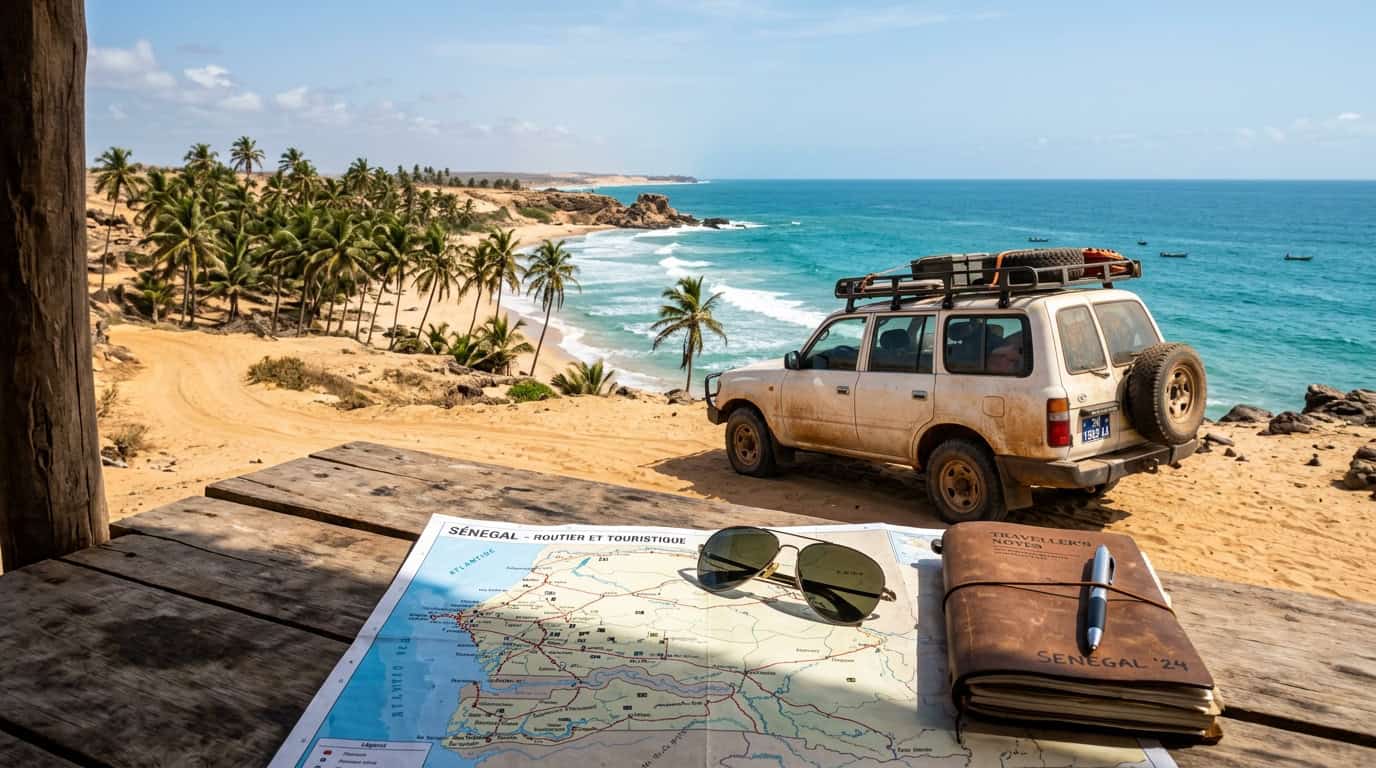
Navigating the Senegalese coastline requires a flexible mindset and a healthy respect for the diverse road conditions you will encounter. While the main arteries connecting Saint Louis to the Saloum Delta have seen significant infrastructure improvements, you should still prepare for a mix of smooth asphalt and sandy secondary tracks. I found that driving here is less about speed and more about participating in a localized rhythm where donkey carts and colorful bush taxis share the lane. Always plan to reach your destination before sunset to avoid navigating unlit stretches, and keep a stash of small bills handy for the occasional toll road. Embracing the local concept of Teranga means travelers are welcomed with open arms, so do not be surprised if a roadside stop turns into a friendly conversation with a local vendor.
Timing is everything for those of us looking to swap the gray winter skies for the vibrant scenes of West Africa. The dry season between November and February is the ideal time for a coastal road trip, offering pleasant temperatures and clear roads. This period is particularly magical for birdwatchers as millions of migratory birds arrive from Europe to settle in the lush wetlands of the Langue de Barbarie and the Djoudj National Bird Sanctuary. I recommend bringing a high quality pair of binoculars and starting your drives at dawn when the air is cool and the avian activity is at its peak. Seeing thousands of flamingos and pelicans against the backdrop of an African sunrise is a bucket list experience that makes the journey unforgettable.
To truly enjoy the drive, you must master the art of the slow journey and leave your rigid schedules at the border. Senegal operates on a different clock, and the most rewarding moments often happen during unplanned detours to remote fishing villages or bustling roadside markets. If you encounter a minor delay or a slow moving caravan of livestock, take it as an invitation to roll down the windows and soak in the salt air. Patience is your best travel companion in this part of the world, allowing you to notice the shifting colors of the earth as you move from the arid north to the verdant south. By letting go of the need for constant momentum, you will discover that the road itself is just as captivating as the destinations on your itinerary.
Reflections on a Spectacular Coastal Expedition
From the colonial charm of Saint Louis to the labyrinthine mangroves of the Saloum Delta, this coastal expedition reveals a side of West Africa that remains one of travel’s best kept secrets. We navigated roughly three hundred miles of changing scenery, watching arid northern plains transform into the lush, tropical greenery of the southern deltas. My favorite moments were spent at the Langue de Barbarie, where the sheer volume of migratory birds created a spectacular display against the winter sun. The infrastructure is surprisingly welcoming for overland travelers, making it easy to transition between bustling fishing ports and quiet, sandy retreats.
Senegal serves as the perfect gateway for anyone looking to explore West Africa without feeling overwhelmed. The legendary culture of Teranga ensures that you are met with warmth and hospitality at every stop along the route. Whether you are photographing the historic Faidherbe Bridge or drifting through the quiet salt marshes, the country offers a sense of safety and accessibility that is rare for such an off the beaten path destination. It is a land of vibrant colors and deep history that manages to be both adventurous and deeply comforting at the same time.
If you are craving a winter escape that offers more than just a beach chair, this road trip is the answer to your wanderlust. The blend of UNESCO World Heritage sites and raw, natural beauty provides a balanced itinerary that satisfies both the history buff and the nature lover. Packing your binoculars for bird watching and an open heart for local encounters will ensure your journey is as enriching as it is scenic. Now is the time to explore the ancient sands of this coastal gem before the rest of the world catches on to its undeniable magic.
Frequently Asked Questions
1. Is it safe to drive along the Senegal coast on my own?
Yes, it is incredibly rewarding and safe for those who embrace the spirit of Teranga. The main coastal roads have seen significant improvements, making the journey from the northern deserts to the southern deltas much smoother for independent travelers. Just be sure to drive during daylight hours to navigate the occasional donkey cart or bustling market crowd safely.
2. What is the best time of year to plan this road trip?
The ideal window is between November and May during the dry season. You will enjoy pleasant temperatures and clear skies, which are perfect for spotting pelicans in the Langue de Barbarie or exploring the mangroves of the Saloum Delta. This timing also avoids the heavy rains that can make some of the smaller coastal tracks a bit more challenging.
3. What kind of vehicle do I need for a 300 mile coastal journey?
While a standard sedan can handle the main paved routes between Saint Louis and Dakar, I highly recommend a 4×4 if you want to explore the hidden Atlantic beaches. Having a sturdier vehicle gives you the freedom to navigate sandy tracks near the deltas and reach the most tranquil, off the beaten path spots. It ensures you won’t miss out on those magical sunset views over the mangroves.
4. Do I need to speak French to enjoy a trip through Senegal?
While French is the official language and very helpful for navigation, the universal language of hospitality will get you far. Learning a few basic phrases in Wolof, such as Jërëjëf for thank you, will open doors and hearts throughout your journey. You will find that the local people are incredibly patient and eager to help you find your way.
5. What are the must try foods along the coastal route?
You absolutely cannot leave without sitting down for a bowl of Thieboudienne, which is the national dish of spicy fish and rice. Along the docks of Saint Louis or the beaches of the south, look for freshly grilled seafood caught that morning by the colorful pirogues. The flavors are as vibrant as the culture, especially when paired with a chilled glass of bissap juice.
6. What should I pack for a trip that covers both deserts and deltas?
Pack lightweight, breathable clothing to stay cool, but remember to bring a modest wrap or scarf for visiting local villages and markets. Sturdy sandals are great for the beach, while a pair of binoculars is essential for birdwatching in the sanctuaries. If you are coming from afar, you might want to arrive refreshed by preparing for the travel time. Do not forget plenty of sunscreen and a good camera to capture the golden light hitting the colonial architecture.