
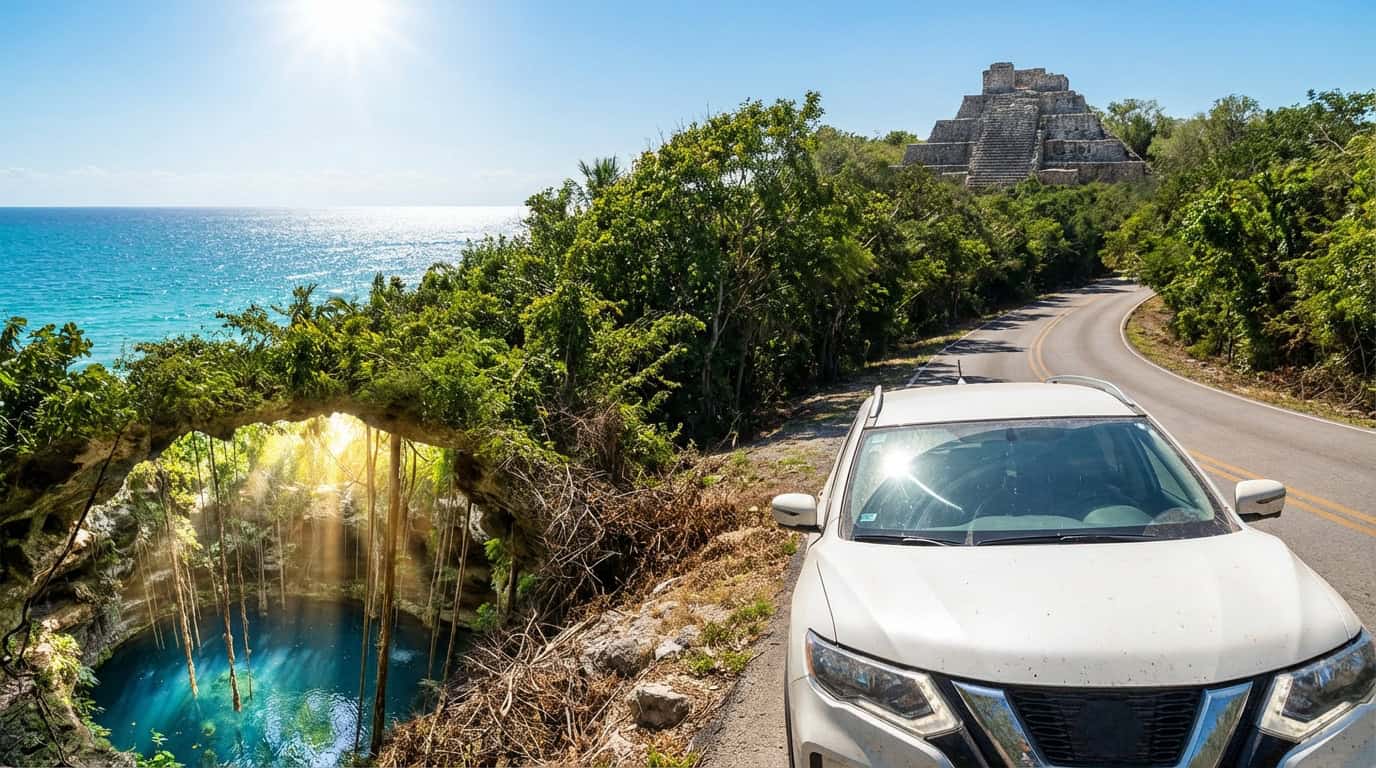
There is a certain magic that takes hold the moment I set out on a Yucatán Peninsula drive, where the salt-tinged air of the Caribbean gives way to the scent of ancient earth and jungle blooms. As I navigated the long, sun-drenched stretches of Highway 180, the surroundings transformed from the turquoise waters of Quintana Roo into the deep, emerald heart of the Maya world. This vast region is surprisingly easy to navigate, offering a sense of freedom that you simply cannot find from the window of a tour bus.
While the sleek toll roads offer a fast track between vibrant Mérida and the coast, the real soul of the region is found on the winding free roads that meander through sleepy yellow villages. I quickly learned to respect the legendary topes, those notorious speed bumps that force you to slow down and appreciate the roadside fruit stands and colorful colonial facades. Whether I am chasing the shadow of a pyramid at dawn or cooling off in a hidden limestone cenote, having my own wheels turns a simple vacation into a legendary expedition.
Key Takeaways
- Renting a car and driving yourself is the best way to experience the Yucatán, offering a level of freedom and access to hidden gems that tour buses and resorts cannot provide.
- Balance your itinerary by using high-speed ‘cuota’ toll roads for efficiency between major hubs and scenic ‘libre’ free roads to experience authentic village life and local culture.
- Mastering local driving conditions requires a keen eye for ‘topes’ (notorious speed bumps) and arriving at major archaeological sites like Chichén Itzá by 8:00 AM to beat the crowds.
- The region’s true soul is found in off-the-beaten-path locations, such as the climbable ruins of Ek Balam, the yellow-painted streets of Izamal, and secluded limestone cenotes hidden behind small villages.
Navigating Toll Roads And Tropical Topes
When I leave the glitz of the coastal resort towns behind to seek out hidden cenotes and ancient Mayan ruins, I quickly face a choice between the cuota and the libre roads. The cuota is a high speed toll highway that offers a direct, well maintained path across the flat terrain, making it perfect for long stretches between major hubs like Cancun and Merida. While these roads are faster and safer for making time, they often bypass the local charm that makes the Yucatan so special. I usually recommend budgeting some extra pesos for tolls if you are on a tight schedule, as the convenience of a smooth, wide road can be a lifesaver during a long day of exploring.
Opting for the libre or free road offers a much more authentic glimpse into daily life, but it requires a keen eye for the infamous Mexican speed bumps known as topes. These aren’t your average neighborhood bumps; they range from small yellow domes to massive concrete ridges that can easily scrape the bottom of a rental car if taken too quickly. I encounter them most frequently when entering and exiting the small, vibrant villages that dot the peninsula. I have learned to watch for local brake lights or road signs that say Reductor de Velocidad as a signal to slow down to a crawl.
Navigating these roads is all part of the adventure when I am chasing the perfect jungle temple or a secluded swimming hole. Driving through the smaller towns allows me to see colorful markets and roadside fruit stands that I would otherwise miss on the sterile toll highways. I always keep some small change handy for tolls and keep my eyes peeled for those hidden topes tucked away in the shade of tropical trees. By balancing the efficiency of the cuota with the scenic pace of the libre, I can create a flexible itinerary that feels like a true journey into the heart of the Maya world.
Chasing Shadows At Chichén Itzá And Ek Balam
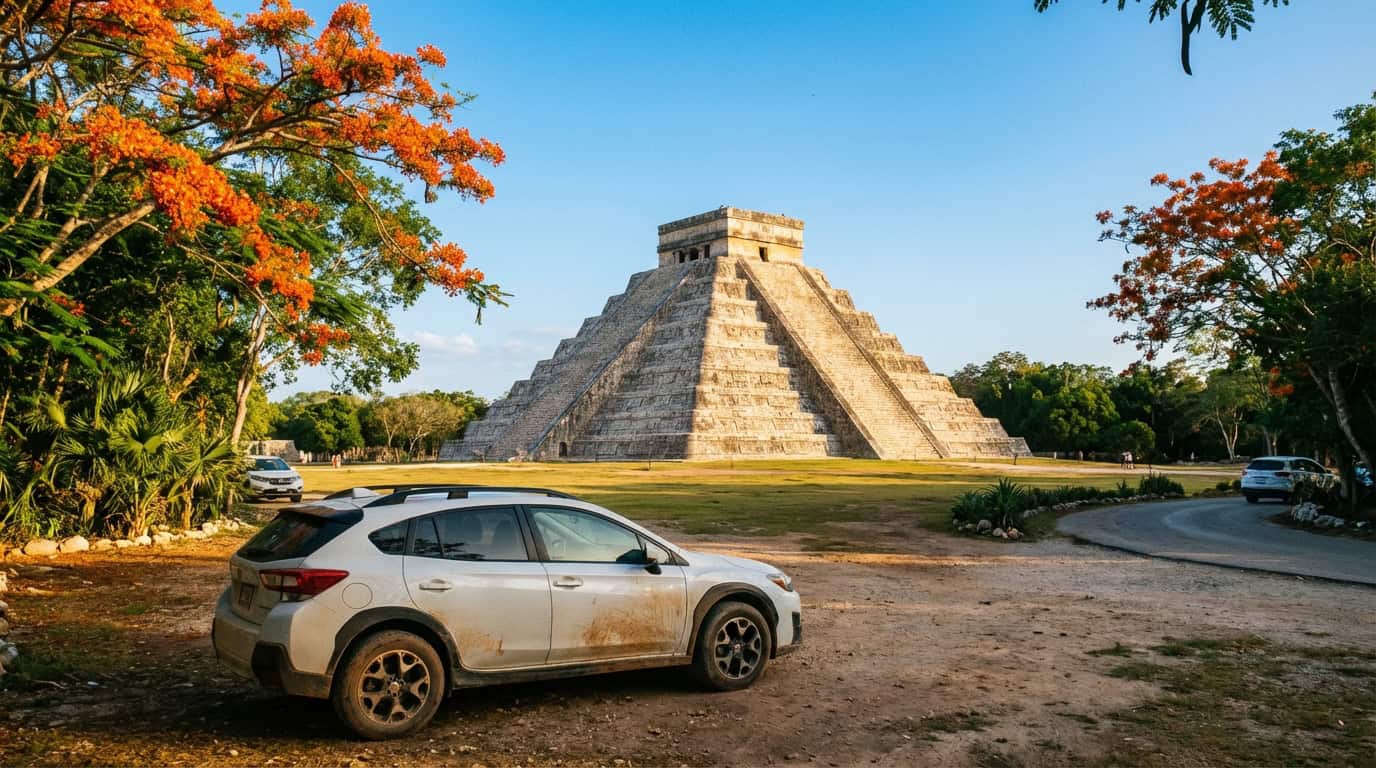
Leaving the humidity of the coast behind and heading inland reveals the true heart of the Maya world, where the trees grow thick and the air feels heavy with history. My first stop is always Chichén Itzá, but the secret to enjoying this Wonder of the World is arriving at the gates by 8:00 AM sharp. By beating the tour buses from the resorts, I can stand in the shadow of El Castillo in near silence, watching the morning sun illuminate the precise limestone carvings. After I have had my fill of the Great Ball Court, I skip the overpriced tourist buffets and look for the small, family run stalls in the nearby village of Pisté. Here, I find authentic cochinita pibil, which is slow roasted pork marinated in achiote and sour orange, served with pickled red onions on handmade corn tortillas.
Once I have experienced the grandeur of the most famous ruins, I continue my drive north to the hidden gem of Ek Balam. This site offers a much more rugged and intimate experience, as it remains one of the few places where I am still permitted to climb the massive Acropolis. The view from the top is breathtaking, stretching across a sea of green canopy that hides countless other undiscovered structures. Because this site sees a fraction of the crowds, I can take my time admiring the incredibly preserved stucco sculptures that look like they were carved yesterday. I recommend bringing plenty of water and sturdy shoes, as the stairs are steep and the Yucatecan sun can be relentless by midday.
To round out an inland adventure, I utilize the well maintained toll roads for a faster journey, but I am never afraid to take the free roads when I want to see local life. These smaller routes wind through vibrant yellow towns and past roadside stands selling fresh dragon fruit and honey. Driving myself gives me the freedom to pull over whenever a hand painted sign points toward a hidden cenote or a local craft market. This flexibility is exactly what transforms a standard vacation into a deep cultural immersion. By the time I head back toward the coast, I carry a much deeper appreciation for the ancient traditions that still pulse through this limestone peninsula.
Diving Into The Limestone Heart Of Yucatán
As I steered my rental car away from the crowded resort hubs of the coast, the surroundings transformed into a vast, flat expanse of emerald jungle and ancient limestone. This massive platform is home to an incredible network of underground rivers, creating thousands of hidden sinkholes known as cenotes that are perfect for a mid-drive cool down. While most travelers flock to the famous sites near the major ruins, the true magic lies in the quiet spots tucked away behind small villages. I found that pulling over at a hand-painted sign often led me to a private oasis where the water was crystal clear and the only sound was the chirping of tropical birds. These natural swimming holes are not just beautiful geological wonders, but essential stops that turn a long journey across the peninsula into a refreshing adventure.
Navigating the roads between Yucatán and Campeche offers a unique look at the rural heart of Mexico that most tourists never get to see. I highly recommend opting for the smaller free roads occasionally, even if they have plenty of speed bumps, because they lead directly to the most authentic cultural experiences. On one afternoon, I stumbled upon a small, family-run cenote located right in the middle of a cattle ranch far from any tour bus route. I spent an hour floating in the cool, mineral-rich water while the sun filtered through the collapsed limestone ceiling above me. It felt like a secret world hidden beneath the dry surface of the earth, providing the perfect reset before I continued my drive toward the colonial charm of Mérida.
The geography of this region is truly fascinating once I realized that these pools were once the primary water source for the ancient Maya. Driving across the peninsula allows me to trace this history myself, moving from the coastal cliffs of Quintana Roo into the deep, cavernous pits of the interior. I always keep a towel and a snorkel mask in the trunk because I never know when a dusty turnoff will reveal a turquoise pool surrounded by hanging vines. These off-the-beaten-path stops provide a much-needed break from the humidity and allow me to connect with the local environment on a personal level. Planning a route around these limestone gems ensures that a road trip is defined by discovery rather than just the destination.
Coastal Magic From Tulum To The Yellow City
Leaving the turquoise cliffs and ancient Mayan fortifications of Tulum behind is the first step in a journey that trades resort luxury for deep cultural immersion. As I steer my rental car away from the coast, the trees thicken into a lush jungle dotted with hidden cenotes that offer a refreshing break from the tropical heat. I recommend stopping at some of the lesser known swimming holes along the way to experience the crystal clear waters without the crowds found in the hotel zone. This route follows well maintained highways that make navigating the flat terrain easy, though I always keep a sharp eye out for the infamous speed bumps known as topes when passing through small villages. These local roads provide a front row seat to daily life in Quintana Roo during the transition toward the heart of the peninsula.
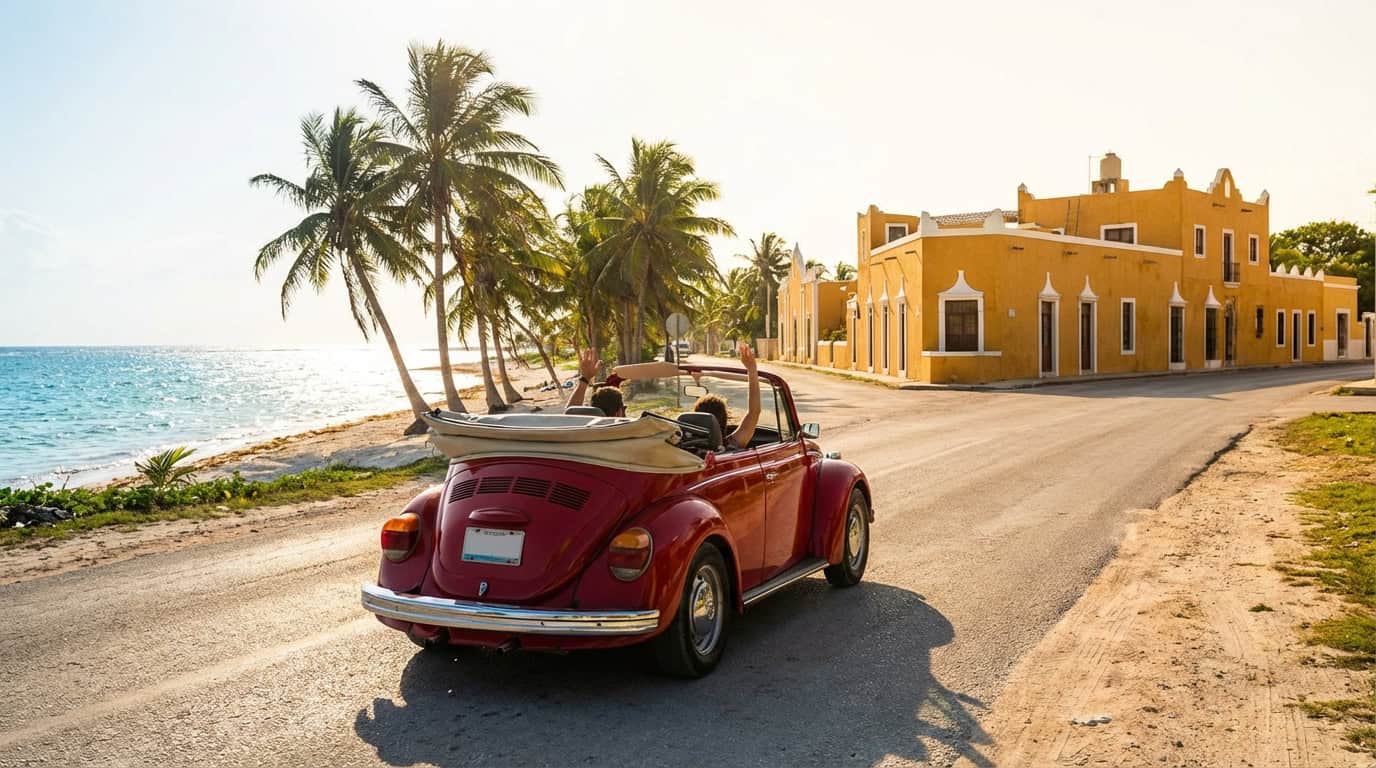
The golden glow of Izamal serves as a stunning introduction to the colonial history of the region, where every building in the city center is painted a vibrant egg yolk yellow. Walking through the massive Franciscan convent built atop a Mayan pyramid felt like stepping back in time, and the quiet streets are perfect for a slow afternoon of exploration. From there, the drive continues to Mérida, the lively capital known for its sophisticated food scene and grand architecture along the Paseo de Montejo. I spend my evenings here enjoying free cultural performances in the main plaza or sampling traditional dishes like cochinita pibil at a local market. This transition from the Caribbean coast to the honey hued streets of the interior reveals the true soul of the Yucatán beyond its famous beaches.
Hit the Road to Discover the Yucatán’s True Soul
Stepping away from the resort pool and sliding into the driver’s seat is the moment a real journey through the Yucatán begins. While the convenience of a beachfront hotel is nice, the true soul of Mexico reveals itself in the humid air of the jungle and the quiet colonial streets of Valladolid and Mérida. I find that the well maintained toll roads make navigating between major hubs a breeze, allowing me to transition from a morning swim in a turquoise cenote to an afternoon exploring the towering pyramids of Uxmal. There is a profound sense of freedom that comes with choosing my own pace, stopping for roadside tacos whenever the craving strikes, or staying just a little longer to watch the sunset over a hidden Mayan ruin.
I promise that the initial nerves of driving in a new country will quickly fade as you settle into the rhythm of the peninsula’s flat, sprawling environment. Beyond the tourist crowds of the coast, you will encounter the authentic warmth of local villages where life moves at a slower, more intentional speed. Whether you are diving into the cool, crystalline depths of a cavern or wandering through the yellow streets of Izamal, renting a car turns a standard vacation into a personalized expedition. Much like the ultimate Sicily road trip, the magic of the Yucatán is tucked away in those quiet corners that tour buses simply cannot reach.
Now is the perfect time to grab your map, pack your sense of wonder, and set out on a road trip that you will remember for a lifetime. This region offers a rare blend of modern infrastructure and ancient mystery, making it the ideal destination for travelers who want to balance comfort with genuine discovery. Don’t let the hotel gates be the limit of your experience when there are over 70,000 square miles of culture and natural beauty waiting for you. Trust your instincts, respect the speed bumps, and get ready to uncover the incredible secrets of the Yucatán Peninsula on your own terms.
Frequently Asked Questions
1. Is it easy to navigate a road trip through the Yucatan Peninsula?
The Yucatan is a vast region that is surprisingly easy to navigate, offering a sense of freedom you cannot find on a tour bus. Most major routes are flat and straightforward, allowing you to move seamlessly from the turquoise Caribbean coast into the emerald heart of the jungle.
2. What is the difference between cuota and libre roads?
Cuota roads are high speed toll highways that provide a direct and well maintained path between major hubs like Cancun and Merida. Libre roads are free routes that meander through sleepy yellow villages, offering a more authentic glimpse into daily life at a slower pace.
3. Are the toll roads worth the extra cost?
I recommend budgeting extra pesos for the cuota roads if you are on a tight schedule or have a long day of exploring ahead. The convenience of a smooth, wide road can be a lifesaver when you need to make time between distant destinations.
4. What are topes and why should I watch out for them?
Topes are notorious Mexican speed bumps found frequently on the libre roads and within small towns. You must respect them and slow down significantly to avoid damaging your car, but they also give you a chance to appreciate roadside fruit stands and colorful colonial facades.
5. Why should I choose a self-drive adventure over a guided tour?
Having your own wheels turns a simple vacation into a legendary expedition where you can chase the shadow of a pyramid at dawn or cool off in a hidden cenote on your own schedule. It allows you to discover the soul of the region in the quiet moments between famous landmarks.
6. What kind of scenery can I expect while driving across the region?
You will experience a magical transformation as the salt-tinged air of the Caribbean gives way to the scent of ancient earth and jungle blooms. The surroundings shift from vibrant coastal resort towns to deep green forests and charming villages filled with history.