

Travel visa planning can turn a dream trip into a smooth takeoff or a stressful airport surprise. I’ve learned to check whether my destination requires a visa, visa-free entry, or an electronic travel authorization before booking flights. I then confirm the rules for my U.S. passport, travel purpose, and length of stay. A few minutes reviewing official immigration guidance can protect weeks of carefully planned adventures.
Requirements can also depend on transit stops, passport validity, blank pages, travel history, and whether biometrics or an interview are required. I build in extra time for applications, keep digital and printed copies of key documents, and recheck the rules shortly before departure because entry policies can change. Once the paperwork is handled, I can focus on the excitement ahead, from wandering sunlit streets to tasting my first unforgettable meal abroad.
Key Takeaways
- Verify visa, visa-free, or electronic travel authorization requirements through the destination’s official immigration authority before booking flights or accommodations. Rules depend on nationality, passport type, travel purpose, length of stay, and travel history.
- Check every destination and transit point, including layovers and self-transfers, because connections may require separate transit visas or authorizations.
- Confirm passport validity, blank-page requirements, and supporting documents such as onward tickets, accommodation, proof of funds, insurance, or invitation letters. Keep digital and printed copies accessible offline.
- Start applications early to allow for fees, biometrics, interviews, document requests, and processing delays. Recheck official requirements shortly before departure, since approval does not guarantee admission at the border.
Visa Requirements By Destination
Visa requirements can vary even when two destinations seem similar, so I check the rules before booking flights or hotels. A visa is formal permission requested in advance, often requiring an application, fee, supporting documents, biometrics, or an interview. Visa-free entry allows eligible U.S. passport holders to visit for a specific purpose and length of stay without applying for a visa, provided they meet conditions such as passport validity and proof of onward travel. Electronic travel authorizations, including the U.S. ESTA, the UK ETA, and the future EU ETIAS, are online pre-travel screenings or permissions, not visas. Approval does not guarantee admission at the border.
My planning checklist includes confirming the permitted stay, passport validity window, blank-page requirements, and whether the rules change for tourism, business, study, work, or transit. I also review every stop on the itinerary, since a connection through another country may create a separate transit requirement. Applications can take time, especially when appointments, biometrics, or additional documents are involved, so I avoid leaving this task until the week before departure. Depending on the destination, I may need hotel details, proof of funds, travel insurance, return tickets, or an invitation letter.
Because entry rules can change, I verify the latest instructions through the destination’s official immigration authority or embassy, then check again shortly before leaving. I use the passport I will actually carry when reviewing the requirements, since rules can differ by nationality, passport type, travel history, and even emergency or temporary documents. I save confirmation emails, authorization numbers, and copies of key documents offline so a weak airport connection does not derail the start of my trip. Taking these steps early gives me more confidence to focus on the exciting part, whether that means wandering through London’s historic streets, planning a European rail journey, or looking forward to a long-awaited adventure.
Passport Validity And Entry Rules
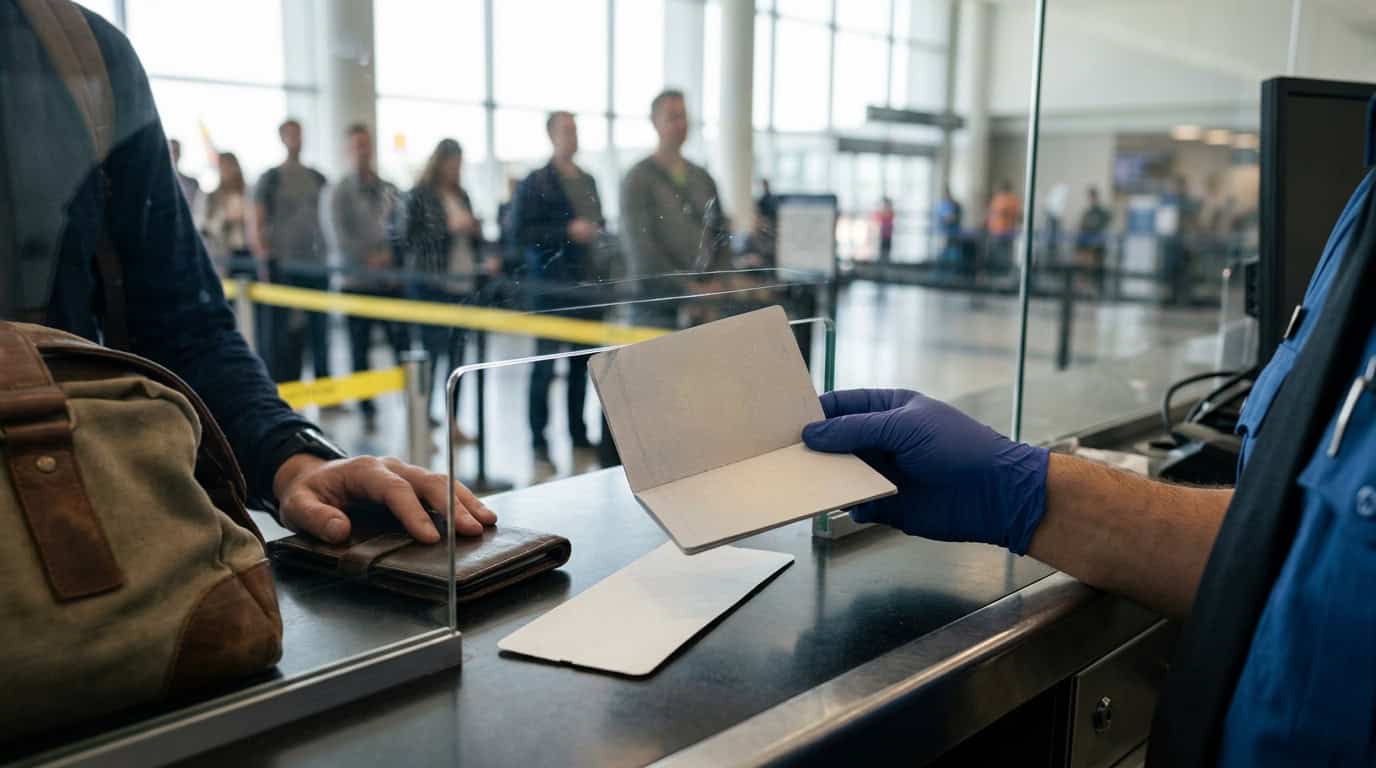
I check passport validity before booking anything, because an expiration date that looks comfortably distant may still fall short of a destination’s minimum requirement. Many countries require at least six months of validity beyond arrival or departure, while others use a shorter period, so I confirm the exact rule for every stop. I also count blank visa and entry-stamp pages, since some destinations require two or more unused pages and transit countries may have their own standards. This matters even more on multi-country journeys, where a passport can satisfy the first destination but fail an onward or transit requirement.
I keep likely supporting documents together so entry questions do not interrupt the excitement of arriving somewhere new. Depending on the destination, I may need a confirmed return or onward ticket, proof of accommodation, evidence of sufficient funds, and travel insurance that meets specific coverage requirements. A hotel reservation, invitation letter, recent bank statements, or policy certificate can be requested at check-in or border control, even when I am traveling under visa-free entry or an electronic travel authorization. I save digital copies and carry accessible offline versions, while checking whether documents must be translated, printed, or valid for the entire stay.
Before committing to flights, I review the official immigration guidance for my nationality, passport type, purpose of travel, length of stay, destination, and every transit point. I distinguish between a visa, visa-free entry, and an electronic authorization, then allow extra time for applications, biometrics, interviews, processing delays, and passport submission if required. Because rules can change, I check again immediately before departure and confirm that my passport details match every application and booking. A little careful planning now gives me more freedom to focus on the sunrise views, winding streets, and memorable encounters waiting beyond the border.
Application Timing And Supporting Documents
I start visa planning before booking nonrefundable flights, because processing times can range from a few days to several weeks or longer. For trips using my U.S. passport, I first check the destination’s official immigration authority to confirm whether I need a visa, an electronic travel authorization, or no pre-travel permission for my purpose and length of stay. I also look for appointment availability, biometrics requirements, interview scheduling, application fees, and passport-validity rules, since any one of these can affect my departure date. Applying early gives me breathing room if the authorities request additional documents or if I need to correct an application.
My supporting documents usually tell a clear story about who I am, where I am going, and why I will return home. I prepare digital and printed copies, check that names and dates match across every form, and keep proof of payment and appointment confirmation in one travel folder. A practical checklist includes:
- Current passport and copies of the identification and validity pages
- Recent passport photographs that meet the destination’s specifications
- Completed application confirmation, appointment details, and fee receipt
- Flight or itinerary details, accommodation information, and planned activities
- Bank statements or other financial records showing sufficient funds
- Employment letter, approved leave, school records, or business information
- Proof of travel purpose, such as an invitation, conference registration, or tour details
Before submitting anything, I review the official instructions one more time because requirements can differ by nationality, passport type, destination, transit point, and reason for travel. I avoid treating a reservation or authorization as a guarantee of admission, and I check whether my passport must remain valid for a specific period after arrival or contain blank pages. If an interview is required, I bring original documents and answer clearly about my itinerary, finances, and plans. This careful preparation lets me focus on the excitement ahead, from wandering colorful markets to watching a new city come alive at sunset.
Transit Authorizations And Final Checks
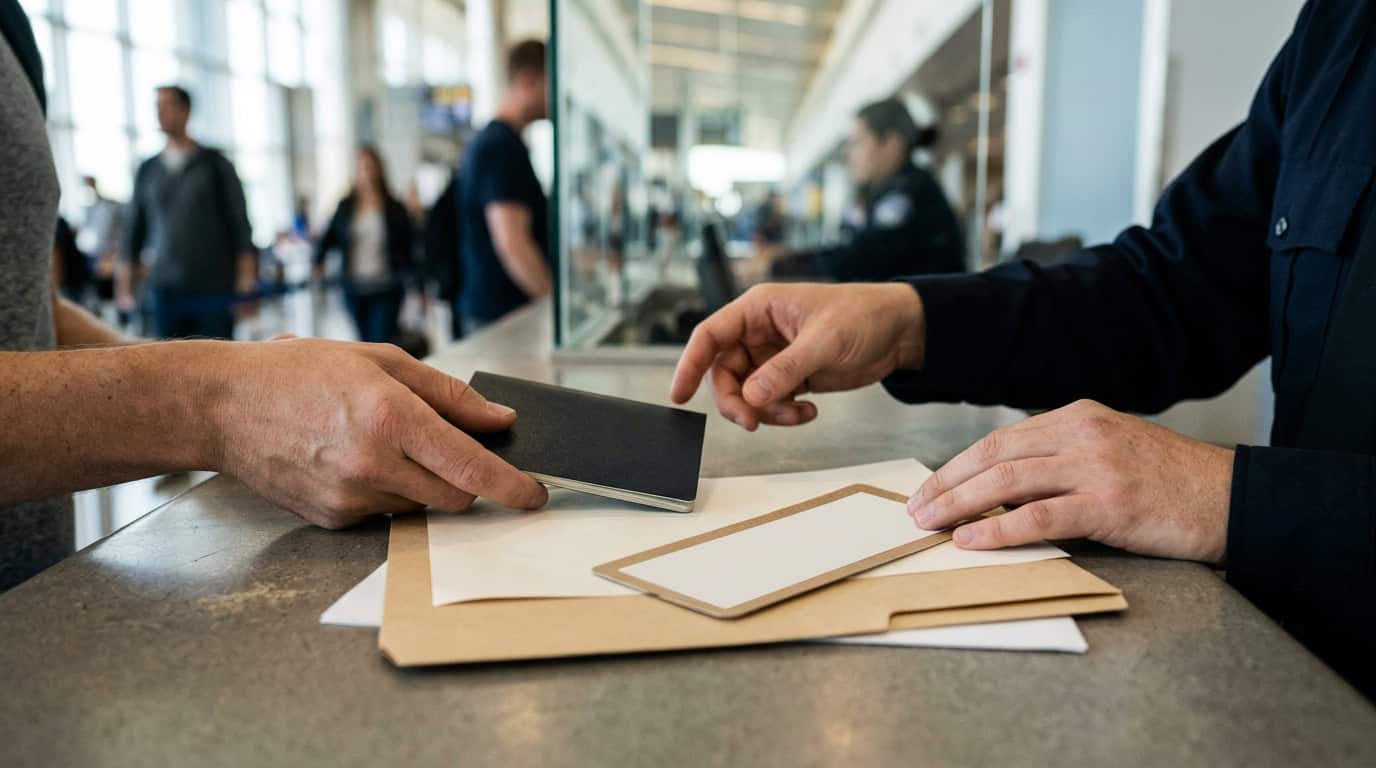
A transit stop can create entry requirements even when I plan to stay inside the airport. I check every country on my route, including places where I only have a short layover, because some airports require a transit visa or electronic travel authorization based on nationality, passport type, and itinerary. A self-transfer deserves special attention because collecting luggage and checking in again may require passing through immigration. I also look closely at terminal changes, since moving between terminals may involve an official border crossing rather than a simple walk through the airport. Taking these steps before booking flights helps me avoid an unpleasant surprise between destinations.
Before departure, I confirm that my passport meets the destination’s validity and blank-page requirements and that any approval covers my purpose and length of stay. I save authorization details offline and carry supporting documents, such as onward tickets, accommodation information, proof of funds, or an invitation, when they may be requested. Requirements can change after I book, so I recheck the destination’s official immigration guidance and transit airport updates close to departure. An approved visa or electronic authorization is not a guarantee of admission, because the border officer makes the final decision. My final travel check includes:
- Confirm approval status, validity, and permitted entries.
- Print or save authorization details where I can access them offline.
- Recheck official destination and transit updates before leaving.
- Carry my valid passport and any required supporting documents.
- Remember that border officers make the final admission decision.
Conclusion Visa Ready Travel Plans
Visa planning feels far less stressful when I start early and check the destination’s official immigration authority or embassy before booking flights or accommodation. I confirm whether my U.S. passport requires a visa, qualifies for visa-free entry, or needs an electronic travel authorization, since these options have different application steps and approval timelines. I also check the permitted purpose and length of stay, transit requirements, fees, and any rules tied to my travel history. This early research gives me a clear plan and helps prevent last-minute surprises.
Accurate documents are just as important as choosing the right application. I make sure my passport remains valid for the destination’s required period beyond my trip, has enough blank pages, and matches every application detail exactly. Depending on the destination, I may need proof of accommodation, return or onward travel, financial support, travel insurance, invitation letters, photographs, or biometrics. I keep digital and printed copies of essential records, then review the requirements again before departure because entry rules can change.
With the paperwork organized and the timing mapped out, I can focus on the experience waiting ahead, whether that means wandering through a historic market, relaxing on a bright coastline, or sharing a meal in a neighborhood I have never explored. I build in extra time for processing and avoid making nonrefundable commitments until I understand the entry requirements and application status. My best advice is to begin with official sources, track every deadline, and let the excitement of the destination motivate the preparation. A visa-ready plan turns uncertainty into confidence and gives me more freedom to enjoy the journey from the moment I start planning.
Plan Your Visa Before Booking
Travel visa planning is one of the most important steps I take before committing to flights or accommodation. I first confirm whether my destination requires a visa, offers visa-free entry, or uses an electronic travel authorization, since these options have different application processes and limitations. I also check that my passport meets the required validity period and has enough blank pages, because a small oversight can disrupt an otherwise exciting journey. Beginning this research early gives me time to handle fees, biometrics, interviews, and unexpected processing delays without unnecessary stress.
Supporting documents deserve the same careful attention as the application itself. Depending on the destination and purpose of travel, I may need proof of accommodation, onward travel, financial resources, travel insurance, employment, or an invitation letter. I keep digital and printed copies of important documents, review every detail for consistency, and allow extra time if my itinerary includes transit through another country. These simple habits help me feel prepared, whether I am setting out for a sunlit coastline, a historic capital, or a remote mountain town.
Rules can change, so I always verify the latest requirements with the destination’s official immigration authority or embassy immediately before booking and again before departure. Requirements may depend on my nationality, passport type, purpose and length of stay, transit points, and travel history, so information that applies to one traveler may not apply to another. With the right checks completed early, visa planning becomes less of a hurdle and more of a practical part of building a confident, rewarding trip. The extra preparation is well worth it when I can begin my adventure knowing the journey ahead is ready to unfold.