
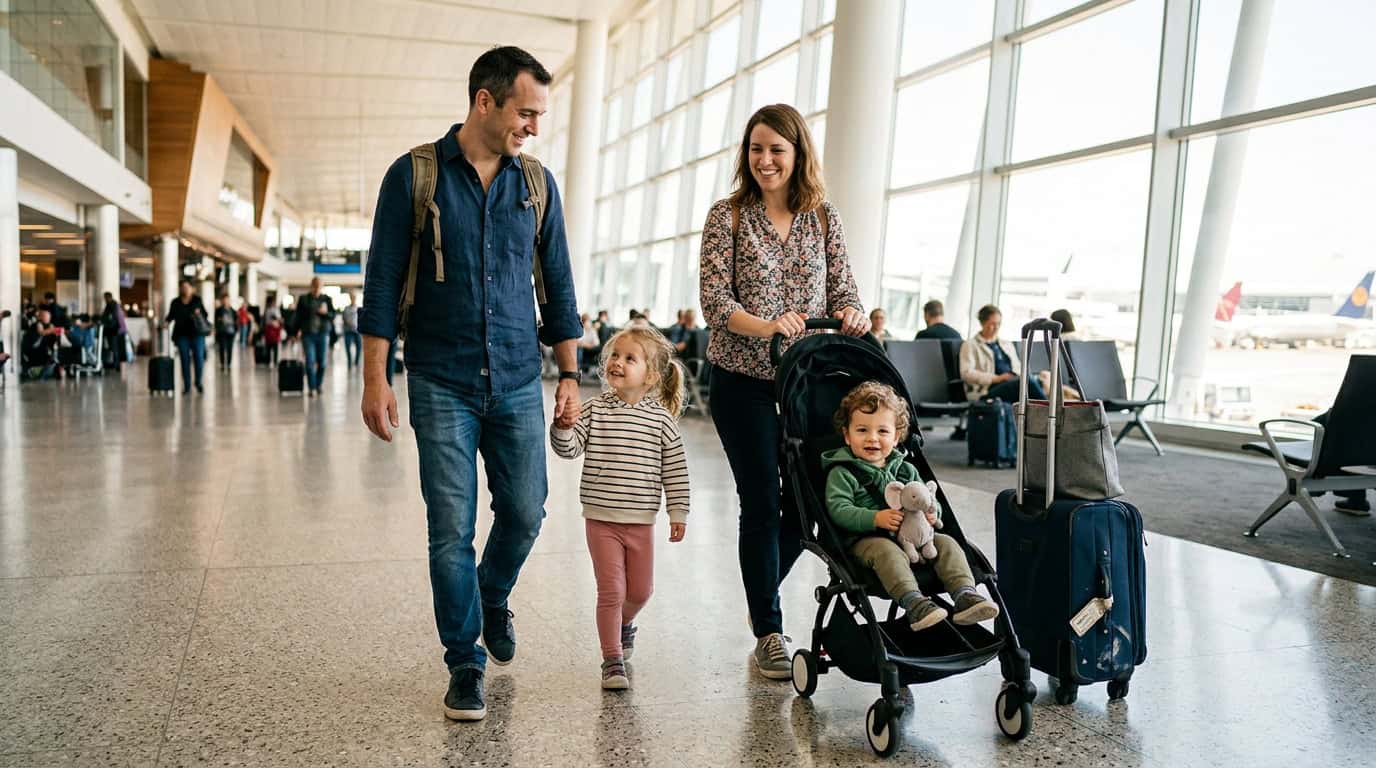
Travel with toddlers can turn a simple getaway into a high-stakes packing puzzle, but it can also lead to unforgettable moments, from spotting dolphins through a ferry window to sharing pancakes in a sunlit café. I’ve learned that the secret isn’t sticking to a perfect schedule. It’s planning for safe transportation, familiar snacks, flexible sleep, and plenty of time to stop and explore. With the right preparation, even a long flight or unfamiliar destination can feel manageable.
Before I book, a few thoughtful decisions make all the difference: I choose realistic travel days, check passport and airline requirements, pack a compact health kit, and plan for heat, illness, and sudden toddler fatigue. I build our itinerary around short adventures, easy access to food and rest, and activities that let little legs and grown-up patience recover. The goal isn’t to avoid every hiccup, but to create enough breathing room for curiosity, connection, and the joyful surprises that make family travel memorable.
Key Takeaways
- Plan toddler travel around flexibility rather than a perfect schedule: prioritize one meaningful outing per day and leave ample time for naps, meals, play, and early bedtimes.
- Make safety and health preparation non-negotiable by checking passports and consent documents, confirming car-seat and airline restraint requirements, carrying essential medications and hydration supplies, and actively supervising toddlers near traffic, water, heights, and crowds.
- Reduce travel stress with familiar snacks, comfort items, simple sleep cues, and flight times that align with your toddler’s routine while accepting that naps and meals may shift.
- Choose accommodations with practical family features such as a quiet sleeping area, kitchen, laundry, blackout curtains, and easy access to food, parks, restrooms, and attractions.
Introduction To Travel With Toddlers
Travel with toddlers is absolutely possible, but I plan for a different kind of trip than I did before becoming a parent. Children ages one to three may nap beautifully one day and refuse sleep the next, so I build our schedule around flexibility rather than perfection. A familiar snack, a simple flight routine, and an accommodation with space to rest can make unfamiliar surroundings feel more manageable. I also prioritize safe restraints on airplanes and in rental cars, confirm travel documents and medication needs early, and check health requirements shortly before departure. The goal is not to eliminate every hiccup, but to give our family enough structure to handle them calmly.
I have found that the best toddler itineraries leave plenty of room for pauses, play, and early nights. Instead of rushing through several attractions, I choose one meaningful outing each day, such as a quiet beach morning, a short museum visit, or a stroll through a colorful market, then treat everything else as a bonus. Meal planning helps too, especially when a tired child is far less adventurous than usual, so I look for reliable food options and pack familiar snacks alongside local tastes. When time zones change, I adjust naps and bedtime gradually while accepting that a few imperfect nights are part of the adventure. Those slower moments often lead to the sweetest discoveries, from a first splash in the sea to an unexpected wave from a friendly passerby.
Before leaving, I make a practical plan for the parts of travel that can quickly become stressful. I check seating and baggage rules, choose lodging that supports naps and easy meals, and keep essentials accessible during transit instead of burying them in a suitcase. I also plan for heat, illness, and dehydration by carrying water, suitable medications, and supplies recommended by our child’s healthcare professional. With realistic sightseeing goals and a willingness to change course, a delayed flight or missed nap does not have to define the day. Travel becomes less about seeing everything and more about creating joyful first memories together.
Toddler Travel Documents And Safety
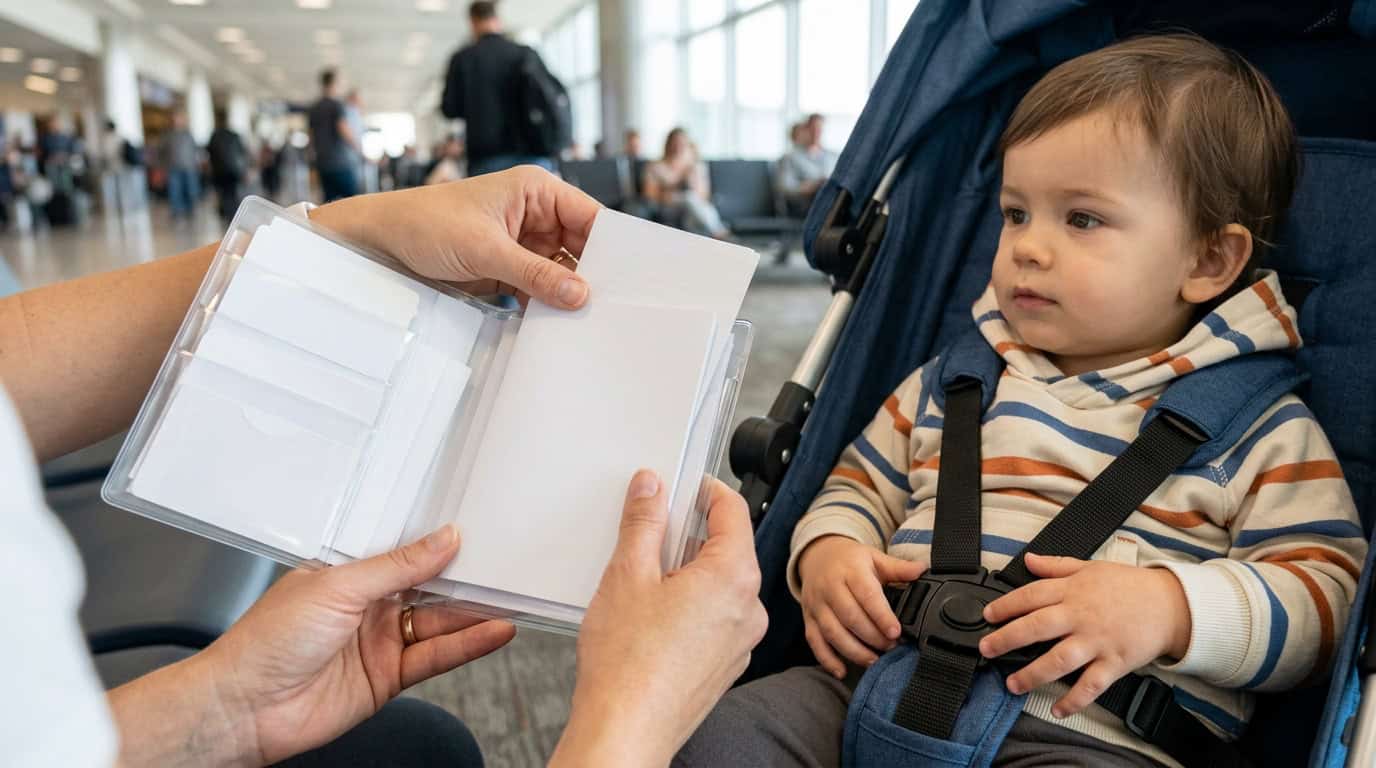
Before leaving home, I create a small travel document folder for each toddler and keep digital copies in a secure place. I check that passports meet our destination’s entry rules, carry a notarized consent letter when only one parent is traveling, and pack health records, medication instructions, prescriptions, and emergency contacts. Travel insurance can provide useful protection for unexpected medical care, cancellations, or evacuation, so I review the coverage instead of assuming every situation is included. I also ask our child’s clinician whether routine vaccinations, destination-specific precautions, or a backup medication plan make sense. Having these details ready means I can focus more on the excitement of exploring a new place and less on searching for paperwork at the airport.
Safe transportation is my priority from the moment we leave the driveway. I use an age- and size-appropriate car seat correctly installed in rental cars or taxis whenever possible, and I confirm airline rules before deciding whether to use an approved restraint on the plane. A stroller with a secure harness, working brakes, and a sunshade is helpful, but I never leave my toddler unattended in it or use it as a substitute for a high chair near stairs, roads, or crowded platforms. Around pools, beaches, and hotel balconies, I keep my toddler within arm’s reach because flotation devices do not replace active supervision. I plan safer transitions by slowing down near curbs, elevators, docks, and wet surfaces, especially when my child is tired or eager to run.
Small health habits make a noticeable difference during busy travel days, particularly in hot weather or unfamiliar surroundings. I carry hand sanitizer for moments when soap and water are unavailable, wash hands before meals, and choose clean drinking water and freshly prepared food while being cautious with unpasteurized products and questionable ice. A familiar cup, easy snacks, and frequent sips can help prevent dehydration, while monitoring wet diapers or bathroom trips, tears, energy, and mouth moisture gives me practical clues that my toddler is getting enough fluids. I keep essential medicines in my carry-on, along with oral rehydration supplies recommended by our clinician, and seek medical advice promptly for unusual sleepiness, repeated vomiting, bloody diarrhea, trouble breathing, or signs of severe dehydration. With these preparations in place, I can build in naps, flexible sightseeing, and quiet breaks without letting safety planning overshadow the joy of discovering a destination together.
Flights Meals And Nap Schedules
Choosing a flight that overlaps with my toddler’s most reliable sleep window can make the journey feel far more manageable, but I also consider airport timing and connections. A nonstop morning flight often gives us calmer energy, while arriving early enough for a bathroom visit, snack, and a few minutes of movement prevents a rushed boarding scramble. I keep transitions predictable by explaining each step, from security to the gate, and I use a stroller or carrier when little legs and patience run out. For longer trips, I build in extra time rather than trying to protect every minute of the original schedule. A flexible plan helps me focus on getting safely from the front door to our destination, not on making the day look perfect.
Meals work best when I treat the flight as a picnic with familiar foods, not a test of my toddler’s usual meal routine. I pack filling, low-mess snacks they already enjoy, plus an empty cup to fill after security, while checking airline and destination rules for food and liquids before leaving home. On one flight, I offered small snacks during the slow climb, saved a favorite show for the most restless stretch, and kept a comfort item within reach for takeoff and landing. Sucking or swallowing during those periods may help with ear pressure, so I offer a drink, pouch, or age-appropriate snack when my child is willing, without forcing it. Short aisle walks when permitted, simple window watching, and a few quiet toys can break up the flight without requiring constant entertainment.
For naps, I recreate only the cues that matter most at home, such as a sleep sack, familiar song, soft book, or portable white noise, and I practice using them before the trip. I aim for a nap during the flight or transfer, but I accept that a stroller nap in a bright terminal may be the best option that day. When we arrive, I keep the first outing gentle, choosing a nearby park, a short waterfront walk, or an early meal instead of packing in several attractions. If sleep shifts, I protect bedtime with a calm wind-down and adjust sightseeing around my toddler’s energy rather than forcing the itinerary. The goal is not a flawless schedule, but enough rest, food, movement, and comfort for everyone to enjoy the adventure.
Toddler Friendly Stays And Sightseeing
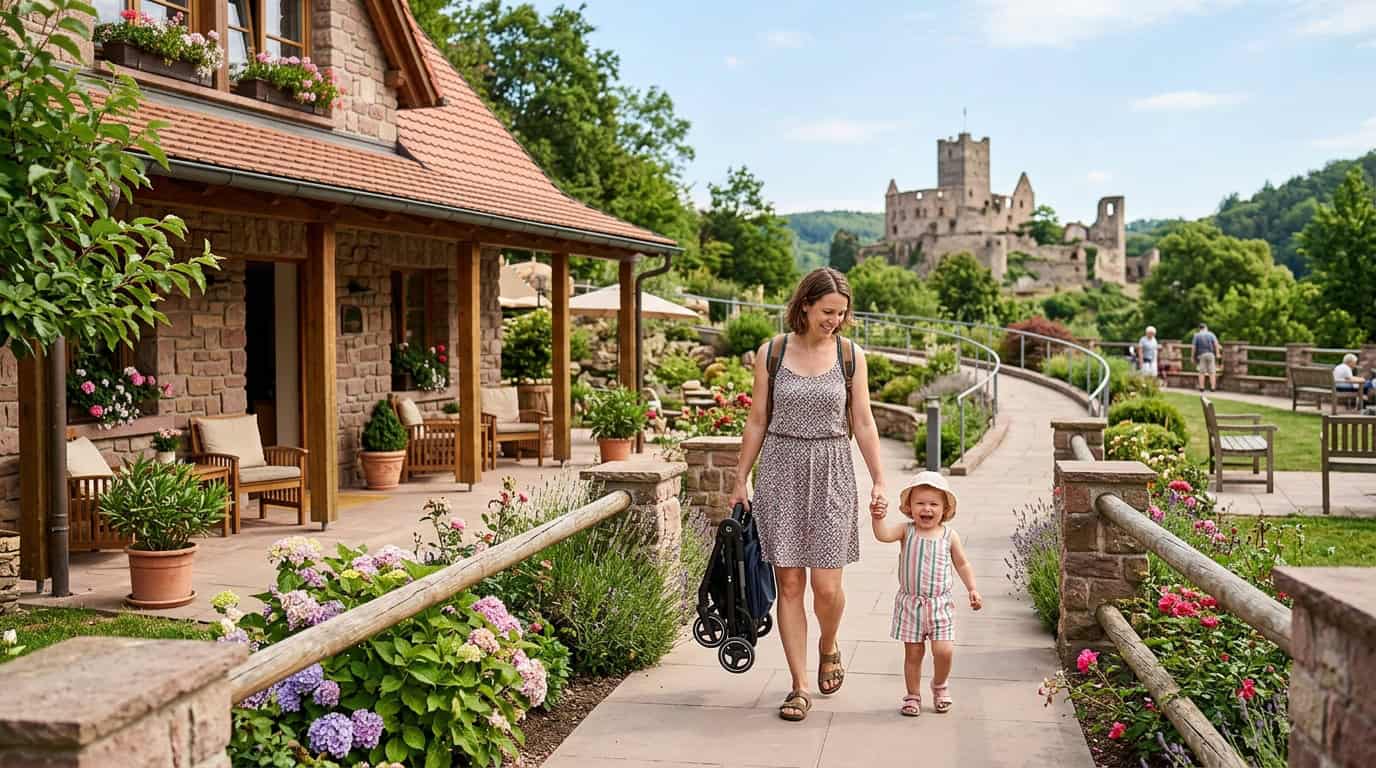
I choose toddler-friendly accommodation by looking beyond the room rate and location. A small kitchen makes breakfast, snacks, and familiar meals much easier, while in-unit laundry helps after spills, puddles, and unexpected messes. Blackout curtains can protect nap and bedtime routines, and a secure balcony, courtyard, or nearby playground gives little ones room to move safely. I also look for a quiet neighborhood within an easy walk of restaurants, grocery shops, and major attractions, since short outings are far more manageable than lengthy transfers with a tired toddler. Before booking, I confirm that a cot, high chair, window locks, and any outdoor safety features are available.
For a gentle three-day stay in Copenhagen, I would keep the schedule spacious and build each day around one main outing. After sightseeing, I return to the apartment or hotel for lunch, a nap, and unhurried playtime, because downtime often determines whether the next activity feels magical or overwhelming. I plan early dinners near our accommodation and keep simple snacks and water ready for the walk home. A sample itinerary might look like this:
- Day 1: Arrive, unpack, and take a short stroll around the neighborhood, stopping at a nearby bakery or playground before an early dinner and a quiet bedtime.
- Day 2: Spend the morning at Frederiksberg Gardens and Copenhagen Zoo, return for lunch and a nap, then enjoy a brief waterfront walk followed by an early meal.
- Day 3: Visit the National Museum’s Children’s Museum in the morning, pause for hotel downtime after lunch, and finish with a relaxed dinner close to our accommodation.
I find that this kind of toddler-friendly itinerary leaves room for the moments that make a trip memorable, such as watching ducks at the park or sharing a pastry on a sunny bench. If a nap runs late or the weather changes, I simply drop the least important stop rather than rushing through it. Checking attraction opening times, stroller access, child facilities, and nearby restrooms in advance can make each outing smoother. The goal is not to see everything, but to create a comfortable rhythm that lets the whole family enjoy the destination.
Conclusion For Confident Toddler Trips
I have found that successful travel with toddlers is less about checking every attraction off a list and more about protecting the basics that help everyone feel secure. Before leaving, I plan around safe transport, realistic flight routines, familiar snacks, needed medications, and an accommodation where naps and early bedtimes are genuinely possible. I also check passports, consent documents, car-seat requirements, local health guidance, and water safety details well before departure. These practical steps may seem small, but they create the calm foundation for enjoying a new place together.
A relaxed toddler trip usually has one meaningful outing each day, plenty of time for meals and rest, and room to change plans when sleep or moods shift. I might explore a quiet market in the morning, return for a nap, then watch the sunset from a nearby park instead of rushing across town for another landmark. When we protect sleep, nourishment, safety, and connection, even an ordinary walk can become a treasured travel memory. That flexible approach lets us experience the wonder of a destination while giving our toddlers the steady rhythm they need to feel confident.
Plan Around Your Toddler’s Needs
Travel with toddlers becomes far more manageable when I plan around their needs rather than trying to preserve an adult-paced itinerary. I choose flight times that fit as closely as possible with my child’s usual sleep, confirm seating and restraint requirements before departure, and pack familiar snacks, water, medications, and a few quiet activities. At our destination, I look for accommodations with space to move, a practical meal setup, and a calm sleeping area, since a comfortable home base can make the entire trip feel easier. I also keep passports, consent documents, health information, and emergency contacts together so important details are easy to reach.
A flexible daily rhythm helps me balance exploration with naps, meals, and downtime. Instead of filling every hour, I plan one main outing, such as a zoo visit, beach morning, or short city walk, and leave room to return for rest when my toddler needs it. Familiar foods, regular hydration, sun protection, and careful supervision around roads, pools, and unfamiliar surroundings are small habits that support a safer, happier journey. When illness or exhaustion changes the plan, I treat that adjustment as part of traveling with a young child, not as a failed day.
Most of all, I have learned that traveling with toddlers is about collecting simple, meaningful moments rather than checking off every attraction. A snack shared in a sunny park, sleepy laughter on the way back to the hotel, or a first glimpse of the ocean can become the highlight of the trip. With realistic expectations, thoughtful preparation, and plenty of flexibility, families can explore new places while giving toddlers the security and routine they need. The journey may look different from pre-parenthood travel, but it can be just as memorable, and often more joyful.