
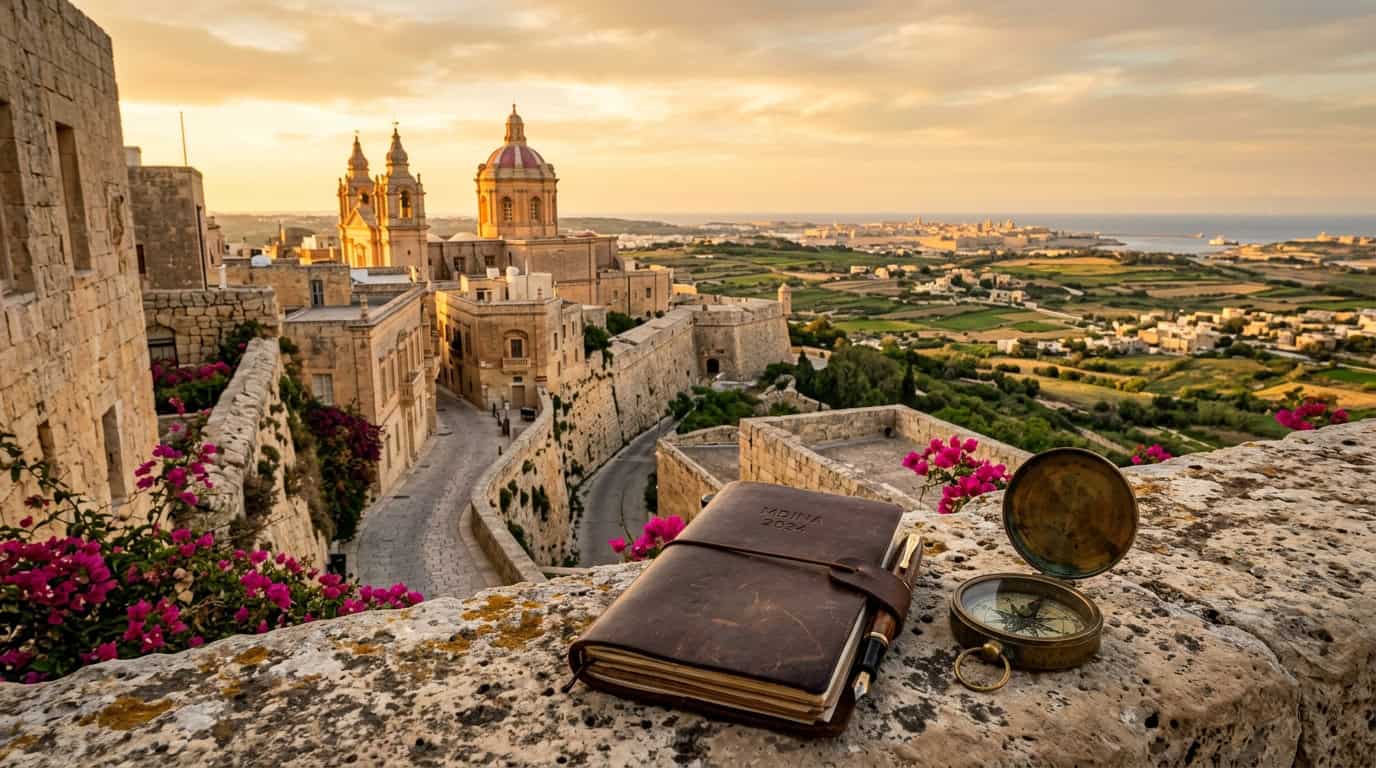
Standing on the limestone bastions of Valletta as the Mediterranean sun dips over the horizon, I can almost feel the weight of seven millennia beneath my feet. I remember my first time wandering through these golden streets and realizing that this tiny archipelago holds secrets older than the Egyptian pyramids, with a legacy shaped by everyone from the Phoenicians to the Knights of St. John. To help you explore this living museum, I’ve crafted a malta historical itinerary that balances iconic landmarks with the quiet, sun-drenched corners where history truly breathes.
With Malta recently welcoming a record-breaking 4 million visitors, world-class restoration projects have made the islands’ 7,000-year heritage more accessible and vibrant than ever before. Whether you are marveling at the intricate marble floors of a Baroque cathedral or exploring prehistoric temples, the sheer density of culture here is staggering. This seven-day guide is designed to maximize your time, ensuring you experience the grandest sites and those hidden personal stories that make a trip truly unforgettable.
Key Takeaways
- Malta offers a unique 7,000-year historical density where prehistoric megalithic temples, older than the Egyptian pyramids, coexist with Baroque cities and medieval fortifications.
- Valletta and the Three Cities serve as the primary hubs for the Knights of St. John’s legacy, featuring world-class sites like St. John’s Co-Cathedral, Fort St. Angelo, and the Grandmaster’s Palace.
- The ‘Silent City’ of Mdina and the neighboring town of Rabat provide a concentrated look at Malta’s medieval and Roman history through noble palazzos, ancient catacombs, and archaeological parks.
- Recent large-scale restoration projects have made the island’s vast heritage more accessible, allowing visitors to experience high-density culture through a blend of iconic landmarks and authentic local neighborhoods.
Exploring Valletta And The Knights Legacy
Stepping into Valletta feels like walking through an open-air museum where every limestone corner whispers stories of the Knights of St. John. As you begin your historical itinerary, the city’s Baroque splendor immediately takes center stage, showcasing a level of architectural detail that is breathtaking. I recommend starting your morning early at the Upper Barrakka Gardens to catch the panoramic views of the Grand Harbour before the midday heat settles in. Watching the noon-day gun salute from this vantage point provides a perfect sense of the city’s military past and its strategic importance in the Mediterranean. It is the best way to orient yourself before wandering the narrow, grid-like streets that make this UNESCO World Heritage site so unique.
The true heart of the Knights’ legacy resides within St. John’s Co-Cathedral, a place that initially looks modest from the outside but hides a jaw-dropping gold-leaf interior. When you visit, make sure to look down at the floor, which is paved with intricate marble tombstones of hundreds of knights, each telling a story of valor and nobility. My personal tip is to head straight to the Oratory to see Caravaggio’s masterpiece, The Beheading of Saint John the Baptist, before the crowds gather. It is the only painting the artist ever signed, and seeing it in person is a haunting, transformative experience that defines the artistic heights of the 16th century.
- St. John’s Co-Cathedral: Marvel at the ornate Baroque carvings and the world-famous Caravaggio paintings in the Oratory.
- Grandmaster’s Palace: Explore the historic corridors and the Palace Armoury, which houses an incredible collection of original knightly armor and weapons.
- Upper Barrakka Gardens: Enjoy the best views in Malta and witness the traditional daily cannon firing at the Saluting Battery.
- Republic Street: Wander the main thoroughfare to find charming cafes tucked into historic buildings and traditional Maltese balconies.
After exploring the cathedral, a short walk brings you to the Grandmaster’s Palace, which has served as the administrative center of Malta for centuries. Walking through the state rooms and the armory allows you to visualize the daily lives of the men who once ruled these islands. The collection of weapons and suits of armor is one of the most extensive in the world, offering a tangible link to the Great Siege of 1565. I found that visiting in the late afternoon often provides a quieter atmosphere, allowing you to appreciate the tapestries and frescoes without the rush of large tour groups. This combination of spiritual beauty and military might provides a rich foundation for understanding how Valletta became the city built by gentlemen for gentlemen.
Fortified Wonders Of The Three Cities
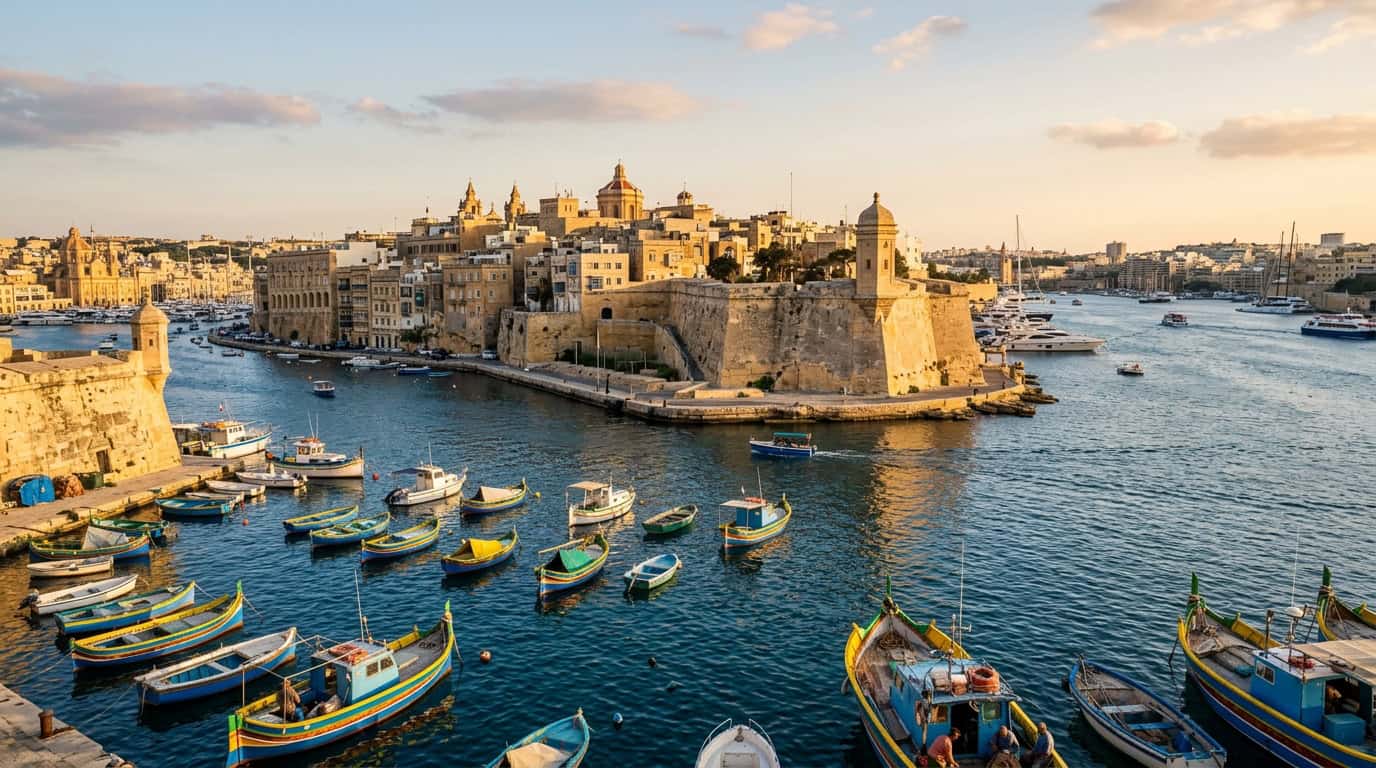
Stepping across the Grand Harbour from Valletta, you enter the cradle of Maltese maritime history within the fortified enclaves of Vittoriosa, Senglea, and Cospicua. I found myself completely captivated by the narrow, winding collacchio streets of Vittoriosa, where the golden limestone walls seem to whisper secrets of the Great Siege of 1565. This area served as the first home to the Knights of St. John, and its character is defined by a rugged, seafaring resilience that feels distinct from the more polished atmosphere of the capital. You can spend hours wandering the waterfront, watching local fishing boats bob alongside luxury yachts while the massive bastions tower overhead.
The undisputed crown jewel of this defensive network is Fort St. Angelo, a site that has been occupied since the Roman era and remains a powerful symbol of national identity. Standing on its highest ramparts, I felt a profound sense of awe looking out over the deep blue waters of the harbor, realizing how these walls once stood as the final line of defense for the entire Mediterranean. The fort has been beautifully restored, allowing you to explore the magisterial residence and the hauntingly beautiful Chapel of St. Anne. It is an essential stop for any history enthusiast, offering the best panoramic views of the surrounding cities and the intricate fortifications that protected the islands for centuries.
To make the most of your day exploring these maritime wonders, I recommend following this specific route to capture the essence of the harbor life:
- Take a traditional dghajsa water taxi from the Valletta waterfront to the Vittoriosa marina for an authentic and scenic arrival.
- Explore the Inquisitor’s Palace in Vittoriosa to see one of the few surviving examples of its kind in the world.
- Walk the scenic promenade of Senglea to reach the Gardjola Gardens, where the famous watchtower carved with an eye and an ear overlooks the harbor.
- Visit the Malta at War Museum in Cospicua to understand the deep impact of 20th-century history and the island’s bravery during World War II.
As you explore the Three Cities, you will notice that the local culture remains vibrant and deeply connected to the sea. I highly suggest stopping for a coffee or a glass of local wine at one of the small cafes tucked into the bastions of Cospicua, where you can watch the daily rhythm of the shipyard. The restoration efforts here have been incredible, striking a perfect balance between preserving ancient ruins and maintaining a lived-in, authentic community feel. It is a place where every corner reveals a new layer of Malta’s 7,000-year heritage, making it an indispensable chapter in your seven-day Maltese adventure.
Ancient Temples And The Silent City
Stepping onto the grounds of the Ħaġar Qim and Mnajdra temples feels like a surreal journey back to the dawn of civilization. These megalithic wonders are older than the Egyptian pyramids, and standing before their massive limestone slabs makes you wonder how Neolithic builders moved such weight without modern tools. I recommend visiting early in the morning to catch the soft Mediterranean light hitting the altars, which creates a truly spiritual atmosphere. These sites offer a profound look at Malta’s 7,000 year heritage and provide a quiet space to reflect on the sheer scale of human history before you head toward the medieval heart of the island.
After exploring the prehistoric coast, I love heading inland to the Silent City of Mdina, where the atmosphere shifts from ancient stone to refined medieval elegance. Walking through the narrow, honey colored limestone alleys feels like stepping into a film set, especially as the echoes of your footsteps bounce off the noble palazzos. Just outside the city gates in Rabat, you can descend into the cool, subterranean world of St. Paul’s Catacombs to see a fascinating blend of Roman and early Christian burial traditions. To make the most of your afternoon in this historic district, I suggest following this mini itinerary:
- Explore the prehistoric temples and Mnajdra archaeological parks to see the world’s oldest free-standing structures.
- Wander the car-free streets of Mdina and stop at the bastions for a panoramic view of the entire island.
- Visit the Domvs Romana in Rabat to see exquisite mosaics that showcase the luxury of the Roman era.
- Descend into the St. Paul’s Catacombs to explore the intricate underground labyrinth of chambers and tombs.
As the sun begins to set, the limestone walls of Mdina take on a golden glow that is perfect for photography lovers. I always tell my friends to stick around after the day-trippers leave, because the city truly earns its Silent nickname once the evening lanterns flicker on. This transition from the prehistoric temples to the fortified heights of the old capital captures the very essence of Malta’s layered past. It is an essential chapter of any trip, offering a balance of architectural beauty and deep archaeological mystery that you simply cannot find anywhere else in the world.
Your Journey Through Malta’s Living History
Walking through Malta feels like stepping into a living museum where layers of the past are etched into every limestone wall and cobblestone street. From the silent, prehistoric power of the Megalithic Temples to the golden Baroque splendor of Valletta, this seven day itinerary offers a profound connection to the civilizations that shaped the Mediterranean. You will find that standing before structures older than the pyramids or gazing at a Caravaggio masterpiece in St. John’s Co-Cathedral provides a sense of wonder that few other destinations can match. It is a rare privilege to explore such a dense concentration of history, all while surrounded by the sparkling blue waters of the Grand Harbour.
As you plan your journey through this archipelago, remember that the true magic of Malta lies in its accessibility and the ongoing preservation of its 7,000 year heritage. Whether you are watching the Noon Day Gun salute at the Upper Barrakka Gardens or wandering through the ancient halls of the Grandmaster’s Palace, every moment serves as a reminder of the island’s resilient spirit. With over four million visitors now heading to these shores annually, the energy is vibrant, yet the quiet corners of the Three Cities still offer a peaceful glimpse into the life of the Knights. I encourage you to pack your most comfortable walking shoes and lose yourself in this unique story, as Malta is a destination that promises to stay with you long after you return home.