
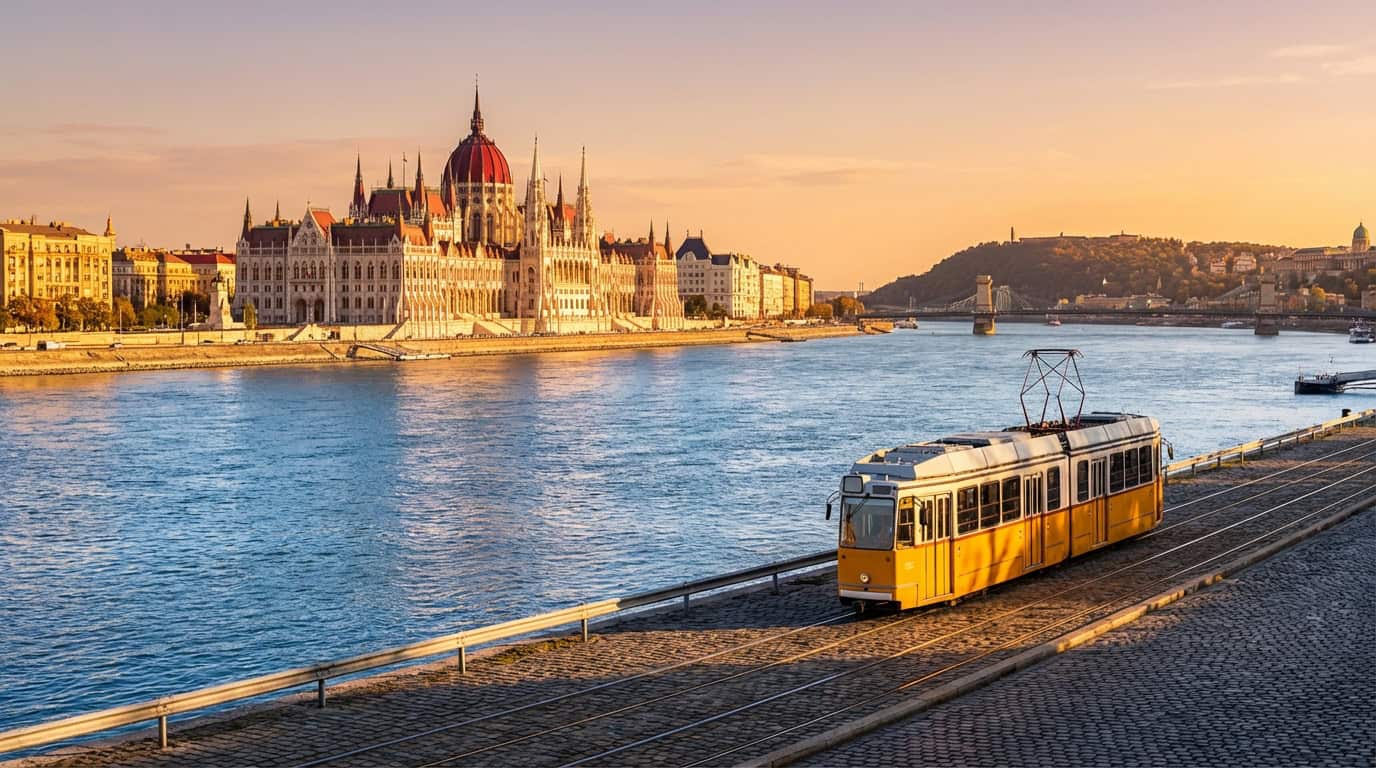
There is a certain magic that happens when you stand on the Chain Bridge at twilight, watching the golden lights of the Parliament building shimmer across the Danube. Planning a budapest city break means stepping into a world where Hapsburg-era grandeur meets a gritty, modern energy that you won’t find anywhere else in Europe. Whether you are soaking in the thermal steam of an ancient bathhouse or walking the labyrinthine streets of the Jewish Quarter, the city constantly surprises you with its depth.
The beauty of this capital lies in its dual personality: the quiet, cobblestoned hills of Buda and the fast-paced, creative pulse of Pest. I still remember my first afternoon wandering through the Castle District, realizing that every street corner felt like a living museum. To truly experience the city, you need to balance those iconic UNESCO sites with the hidden ruin bars and local coffee houses that give the 1.7 million residents their spark. Getting the most out of your trip requires a bit of strategy, from managing forints to timing your sunset climbs for the perfect view.
Key Takeaways
- Balance your itinerary by exploring the quiet, historical grandeur of the Buda hills in the morning and the creative, high-energy pulse of Pest in the afternoon.
- Participate in the city’s essential thermal bath culture by visiting historic sites like Széchenyi or Gellért early in the day to beat the crowds.
- Experience Budapest’s unique nightlife by visiting ruin bars in the Jewish Quarter, where abandoned pre-war buildings have been transformed into eclectic social hubs.
- Use a strategic mix of payment methods by carrying Hungarian Forints for smaller local establishments while utilizing the efficient yellow tram system and ride-sharing apps for transport.
Soaking in the Storied Thermal Bath Culture
No visit to Budapest is complete without immersing yourself in the city’s centuries-old bathing culture, a tradition that perfectly blends Roman history with Turkish influence. I remember walking into the Széchenyi Baths for the first time and being completely struck by the bright yellow neo-Baroque architecture surrounding the massive outdoor pools. Even in the cooler months, the steam rising from the medicinal waters creates a magical atmosphere where locals gather to play chess on floating boards. It is the ultimate place to relax after a day of sightseeing, offering a social experience that feels uniquely Hungarian. I recommend arriving early in the morning to beat the crowds and secure a locker before the afternoon rush begins.
If you are looking for a more regal and artistic setting, the Gellért Thermal Bath on the Buda side of the river is an absolute must-see. Stepping inside feels like entering a cathedral of wellness, complete with intricate mosaic tiles, turquoise ceramics, and stunning Art Nouveau glass ceilings. I spent hours drifting between the various indoor thermal pools, each set at a different temperature to soothe tired muscles. For a bit of fun, make sure to head outside to the wave pool, which has been a favorite feature since it opened in the 1920s. Don’t forget to pack your own flip-flops and a swimming cap, as these are often required if you want to swim laps in the main pools.
While the grandeur of the Hapsburg era is evident in these historic spas, the experience remains incredibly accessible and welcoming for every type of traveler. You can easily spend a full afternoon transitioning from the saunas to the cold plunge pools, followed by a quick massage to round out the day. After you have finished soaking, you will find yourself perfectly rejuvenated and ready to explore the nearby ruin bars for a night of local culture. These baths are not just tourist attractions, but living pieces of history where you can truly feel the heartbeat of the city. Make sure to bring a waterproof pouch for your phone so you can capture the incredible architecture while keeping your belongings dry.
Navigating the Legendary Ruin Bar Scene
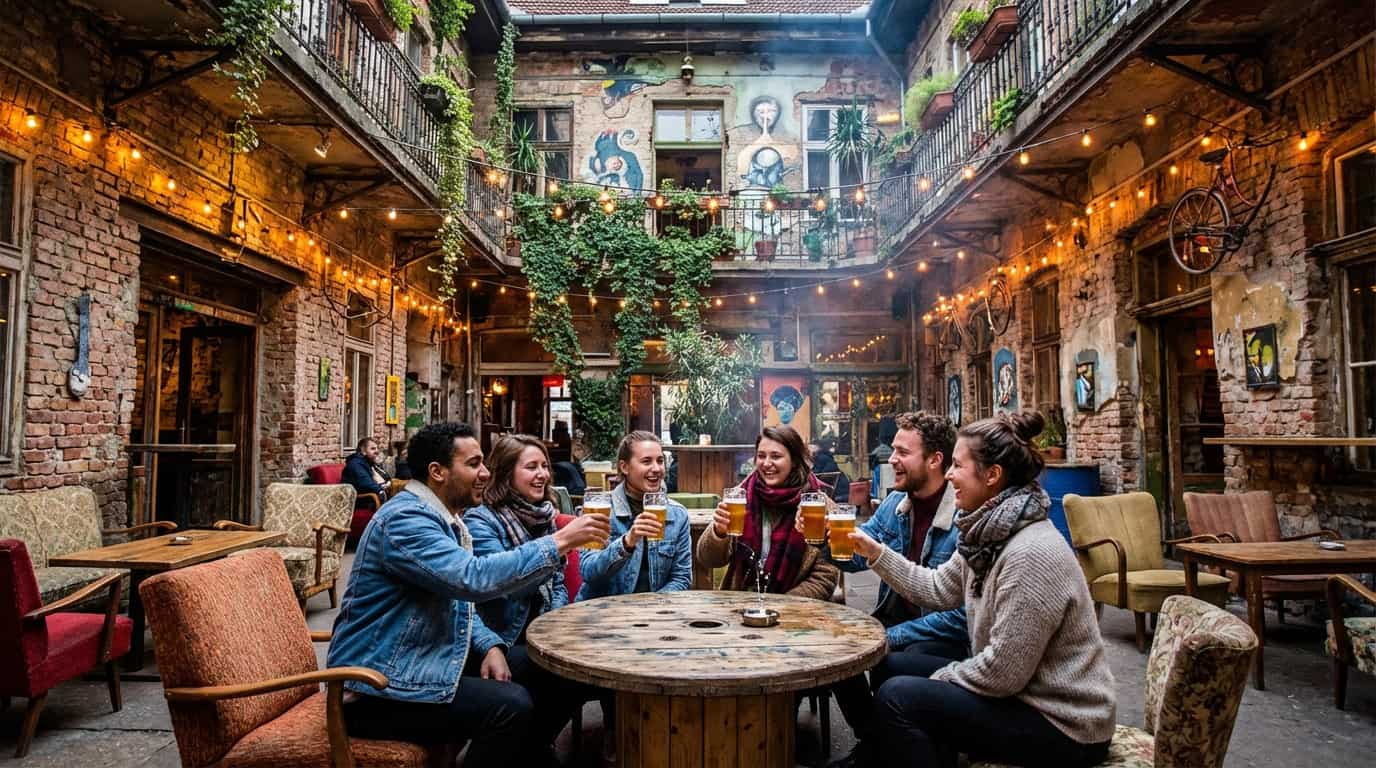
Stepping into the Jewish Quarter after sunset feels like entering a living art gallery where history and hedonism collide in the most beautiful way. Budapest is famous for its ruin bars, which are unique social hubs built within the crumbling remains of abandoned pre-war buildings and warehouses. Instead of tearing these structures down, locals filled them with mismatched vintage furniture, neon lights, and eclectic curiosities to create the city’s cultural heart. Exploring these spaces is a must for any visitor because they perfectly capture the resilient, creative spirit of the Hungarian capital. You will find that each room tells a different story through its peeling paint and repurposed decor.
Szimpla Kert remains the undisputed king of the scene, and walking through its labyrinthine corridors is an experience you will never forget. I spent hours wandering between rooms filled with old computer monitors and even a converted East German Trabant car that now serves as a quirky seating area. While it is a legendary spot for a cocktail, it also hosts community events like farmers markets and film screenings during the day. The atmosphere is incredibly welcoming, making it easy to strike up a conversation with fellow travelers or friendly locals. Make sure to look up at the ceiling to spot the bizarre installations that make this place a true visual feast.
To make the most of your evening, I recommend starting your crawl early to beat the largest crowds and secure a cozy corner. While Szimpla is the most famous, do not be afraid to duck into smaller, unmarked doorways throughout District VII to find hidden gems like Instant-Fogas or Csendes. Many of these bars are located within walking distance of the famous thermal baths, allowing you to transition perfectly from a day of wellness to a night of exploration. Wear comfortable shoes and bring an open mind as you walk the winding halls of these historic buildings. You will quickly discover why these soulful spaces are considered the pulse of Budapest nightlife.
A Perfect Three Day Budapest Itinerary
To kick off your first day, head straight to the hilly Buda side for a sunset stroll at the iconic Fisherman’s Bastion. The neo-Romanesque lookout towers provide a fairytale backdrop for photos, especially as the golden hour light hits the Parliament building across the water. After soaking in the views, cross the Chain Bridge into Pest to experience the city’s legendary ruin bar scene in the Jewish Quarter. These eclectic, recycled-decor pubs offer a gritty yet welcoming atmosphere that perfectly captures the city’s spirited nightlife. It is the best way to transition from Hapsburg-era grandeur to the modern, creative energy that defines Budapest today.
On day two, experience the city’s deep-rooted wellness traditions by visiting one of the historic thermal baths. Whether you choose the ornate neo-Baroque pools of Széchenyi or the Art Nouveau elegance of Gellért, soaking in the mineral-rich waters is a quintessential Hungarian ritual. Once you feel refreshed, make your way to the City Park to explore the architectural marvel of the new House of Music. This innovative venue features a stunning undulating roof and glass walls that blur the line between nature and sound. It is a brilliant example of how the city continues to evolve while honoring its rich musical heritage.
Your final day should be dedicated to the architectural splendor of the UNESCO-listed Danube riverfront. Spend the afternoon wandering down Andrássy Avenue, a grand boulevard lined with luxury boutiques and historical sites that showcase the city’s golden age. As evening falls, board a river cruise to witness the city’s monuments illuminated in a spectacular display of light. Seeing the Buda Castle and the Hungarian Parliament from the water provides a completely different perspective on their massive scale. It is the ultimate way to wrap up your city break before heading home with a camera full of memories.
Essential Tips for a Seamless Hungarian Adventure
Navigating the city is a breeze once you get the hang of the iconic yellow trams that rattle along the Danube. I highly recommend hopping on Tram 2 for a scenic route that passes the breathtaking Parliament building and offers the best views of the Buda hills. While the public transport is fantastic, I always keep the Bolt app downloaded on my phone for those late nights spent at the bohemian ruin bars in District VII. It is the most reliable way to get a ride home after a few drinks in a converted derelict warehouse. Having a digital backup for transport ensures you can focus on the history and wellness of the city without any stress.
Managing your budget in Budapest is straightforward as long as you keep the Hungarian Forint in mind for smaller purchases. While many hotels and larger shops will list prices in Euros, you will get a much better deal at local cafes and thermal baths by using the local currency. I found that having some cash on hand is essential for entry to the more traditional bathhouses where you can soak away your travel fatigue. It is also helpful for tipping at the quirky bars tucked away in the Jewish Quarter. Most places accept cards, but carrying Forint makes you feel like a true local while exploring the Hapsburg era grandeur.
Planning your days around the city’s unique geography will help you make the most of every moment. I like to spend my mornings exploring the hilly, residential streets of Buda before crossing the river to the flat, energetic pulse of Pest. You can easily spend an entire afternoon wandering through the UNESCO listed Castle Quarter before heading back across the bridge for a sunset dinner. The contrast between the two sides of the river provides a perfect balance of quiet reflection and urban excitement. Make sure to pack comfortable shoes because you will want to see every inch of this Central European gem.
Finding the Perfect Balance in Budapest
Budapest stands out as a rare destination where you can pivot from Hapsburg era elegance to edgy modern creativity in a single afternoon. I often tell my friends that the city is a masterclass in balance, offering the quiet dignity of the Buda hills alongside the electric pulse of downtown Pest. You might spend your morning marvelling at the UNESCO listed architecture along Andrassy Avenue before visiting the gritty, neon lit charm of the Jewish Quarter. This unique contrast ensures that every traveler finds something to love, whether you are a history buff or a nightlife enthusiast. It is the kind of place that feels like a hidden gem even though its grandeur is on display for everyone to see.
The true magic of a Budapest city break lies in its world class wellness culture and its one of a kind social scene. After a long day of walking, there is nothing quite like sinking into the mineral rich waters of a thermal bath to rejuvenate your body and soul. As the sun sets, the energy shifts toward the famous ruin bars, where abandoned buildings have been transformed into vibrant hubs of local art and community. I found that sipping a drink in a mismatched chair surrounded by eclectic decor is the perfect way to soak in the city’s progressive spirit. These experiences create a travel itinerary that feels both deeply restorative and incredibly exciting.
There has never been a better time to explore this Central European treasure and see why it is capturing the hearts of travelers worldwide. With its affordable prices, stunning river views, and a welcoming atmosphere, Budapest offers a high quality escape without the overwhelming crowds of other major capitals. You deserve to experience the steam rising from a thermal pool and the clinking of glasses in a hidden courtyard for yourself. Pack your bags and book that flight to witness how this city perfectly honors its past while embracing a bold, energetic future. Your Hungarian adventure is waiting to provide memories that will last a lifetime, much like the magical three day escape you would find on an Albania coast road trip through the Balkans.
Frequently Asked Questions
1. When is the best time to visit the thermal baths to avoid the crowds?
I always recommend arriving at the Széchenyi or Gellért baths early in the morning, ideally right when they open. This allows you to secure a locker easily and enjoy the steam rising off the water in peace before the afternoon rush begins.
2. Is it easy to explore both Buda and Pest during a short trip?
Yes, the city is perfectly split by the Danube and very easy to navigate. You can spend your morning wandering the quiet, cobblestoned hills of the Buda Castle District and your afternoon soaking up the creative, fast-paced energy of the Pest side.
3. What makes the bathing culture in Budapest so unique?
It is a beautiful blend of Roman history and Turkish influence that you won’t find anywhere else. Seeing locals play chess on floating boards in medicinal waters surrounded by neo-Baroque architecture is an experience that feels both ancient and social.
4. How should I handle the local currency during my city break?
While many places accept cards, you will want to keep some Hungarian forints on hand for smaller local coffee houses and hidden ruin bars. Balancing your spending between cash and card helps you navigate the city’s mix of Hapsburg-era grandeur and gritty modern spots.
5. Where can I find the best views of the city at sunset?
I love timing my climbs to the Fisherman’s Bastion or the District just as the sun begins to dip. Watching the golden lights of the Parliament building shimmer across the Danube from the Chain Bridge at twilight is a moment of pure magic.
6. What should I prioritize if I only have a weekend in the city?
Focus on balancing iconic UNESCO sites like the Castle District with the local spirit found in the Jewish Quarter. Make sure to visit at least one thermal bath and spend an evening exploring the labyrinthine streets to find the city’s famous ruin bars.