
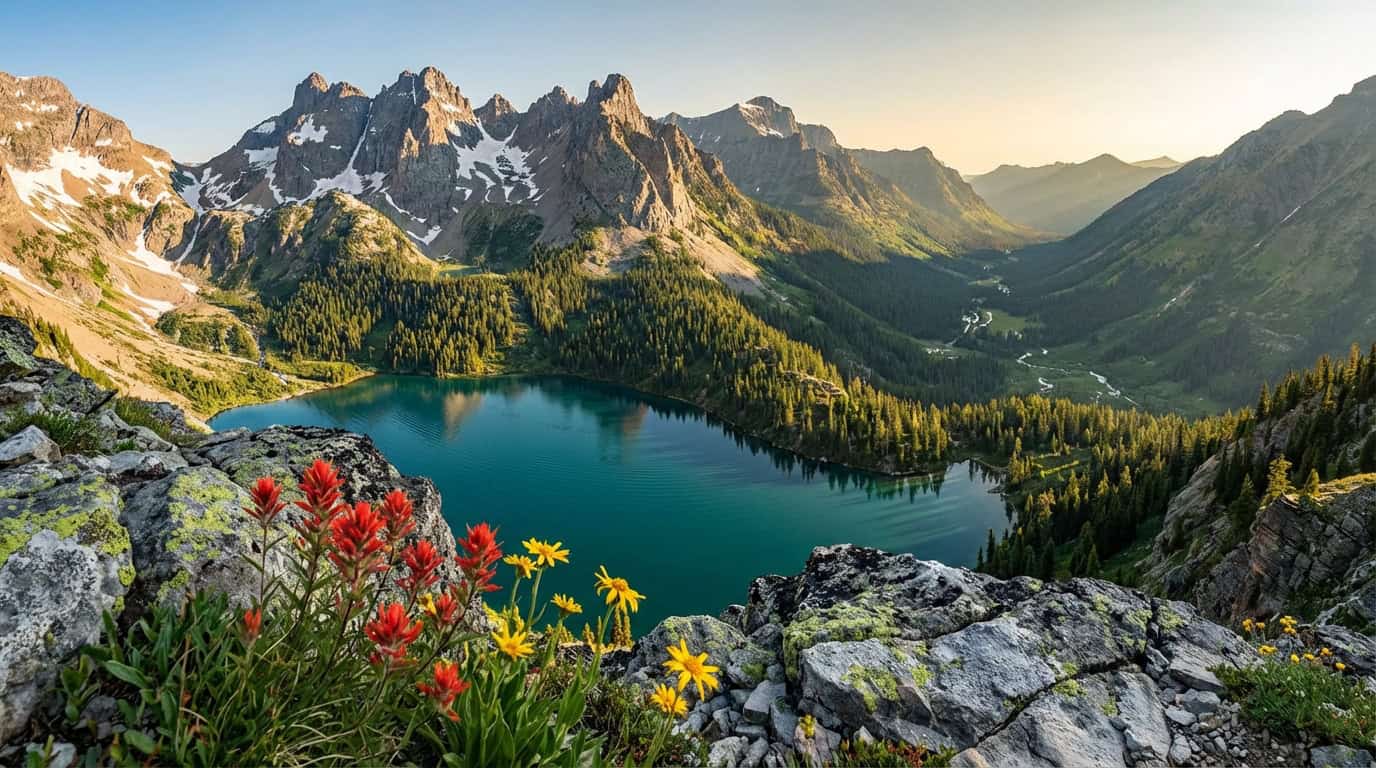
Standing at the edge of Lake McDonald as the sunrise paints the sky in shades of violet and gold, I truly understand why Glacier National Park is called the Crown of the Continent. The air here carries a crisp, ancient stillness that feels worlds away from the daily grind, inviting you to lose yourself in over a million acres of untamed Montana wilderness. Whether I am chasing the reflection of jagged peaks in crystal-clear alpine water or scanning the ridgelines for a glimpse of a mountain goat, this environment demands my full attention and rewards every step.
Planning a trip to this rugged paradise requires more than just a map; it requires a sense of wonder and a bit of strategic preparation. With over 745 miles of trails winding through carved glacial valleys and wildflower-strewn meadows, the sheer scale of the park can feel overwhelming at first glance. I’ve traveled the winding turns of the Going-to-the-Sun Road and scouted the best hidden overlooks to help you craft an adventure that balances iconic vistas with quiet, personal moments.
Key Takeaways
- Securing vehicle reservations in advance and monitoring seasonal opening dates (typically late June through September) are essential for accessing the Going-to-the-Sun Road and popular park corridors.
- Navigating the high country requires strategic preparation, including carrying bear spray, wearing moisture-wicking layers, and adhering to strict vehicle size regulations on narrow, cliff-hugging roads.
- Early morning is the optimal time for exploration, offering the best opportunities to beat crowds, capture mirror-like reflections on Lake McDonald, and spot wildlife like mountain goats and bighorn sheep.
- Prioritize iconic hikes like Grinnell Glacier and Iceberg Lake between late July and early September to witness the park’s remaining twenty-six glaciers before they vanish.
Driving The Iconic Going To The Sun Road
Navigating the fifty mile stretch of the Going to the Sun Road is a rite of passage for any traveler visiting the Crown of the Continent. This engineering marvel winds through the heart of the park, offering jaw dropping views of carved glacial valleys and jagged peaks that seem to touch the sky. Because this route is so popular, you must plan ahead by securing vehicle reservations through the official park system well in advance of your summer trip. I recommend starting your drive at sunrise to beat the crowds and experience the soft morning light hitting the mountains. Keep a close eye on the length and width of your vehicle, as strict regulations are in place to ensure everyone can safely navigate the narrow, cliff hugging turns.
Photographers will find endless inspiration at several pullouts along the route, with Big Bend being my absolute favorite spot for sunset shots. This wide curve offers a panoramic view of the valley below and the towering mountains above, often framed by vibrant seasonal wildflowers. Another essential stop is Logan Pass, the highest point reachable by car, where you can often spot mountain goats or bighorn sheep wandering near the visitor center. Make sure to pause at the weeping wall to feel the spray of mountain runoff against your car windows as you pass. These spots provide the perfect backdrop for capturing the rugged beauty of Montana without having to hike miles into the backcountry.
As you descend toward Saint Mary Lake, the scenery shifts from rocky alpine terrain to dense evergreen forests and shimmering blue water. This eastern side of the road features the iconic Wild Goose Island overlook, which is perhaps the most photographed vista in the entire park. I always suggest bringing a packed lunch to enjoy at one of the lakeside picnic areas where the air feels crisp and the scenery is peaceful. The transition from the massive cedar trees near Lake McDonald to the windswept prairies of the east reflects the incredible diversity of this ecosystem. Taking your time on this drive allows you to fully absorb the grandeur of the area while staying safe on the winding roads.
Exploring Lake McDonald And The Alpine Meadows
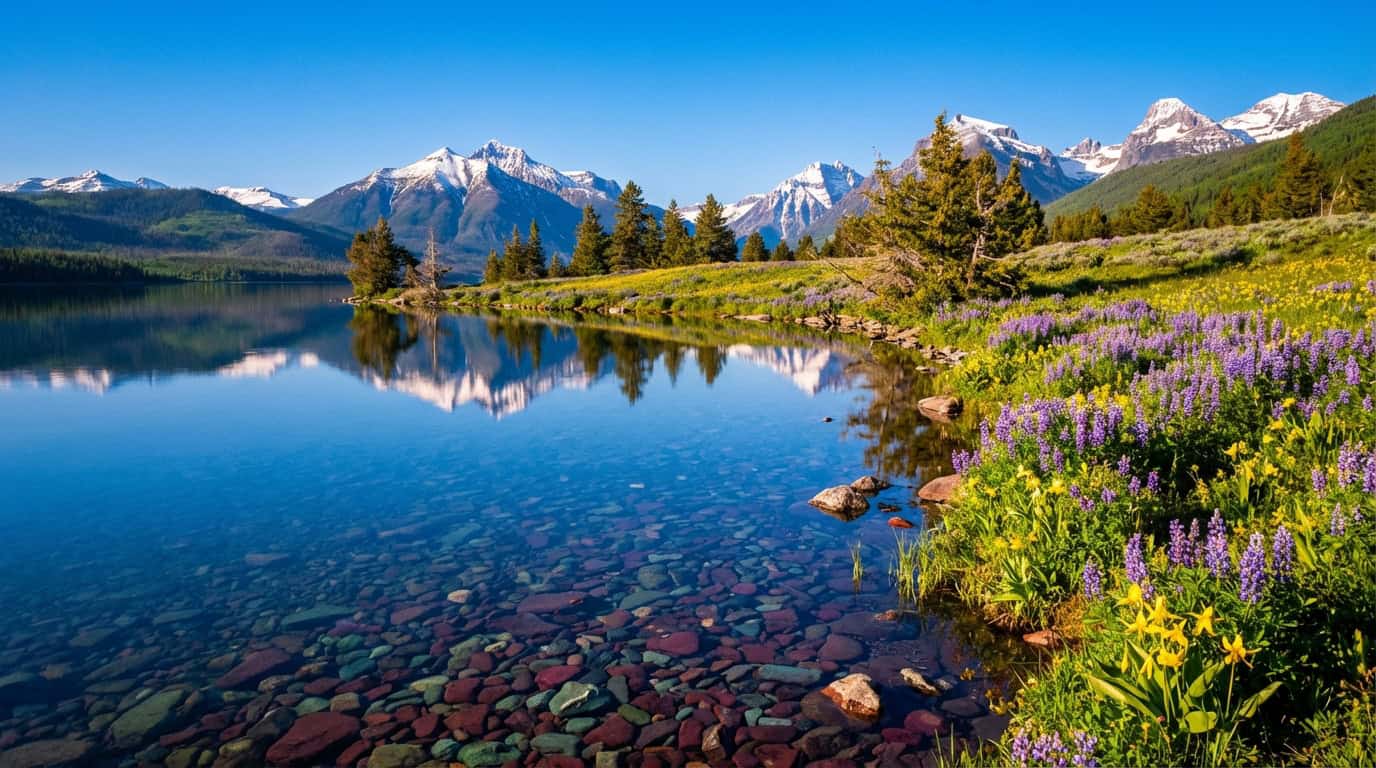
The shores of Lake McDonald offer a breathtaking introduction to the Crown of the Continent with its iconic, multicolored pebbles shimmering beneath the crystal clear water. As the largest lake in the park, it serves as the perfect gateway for those beginning their journey along the legendary Going-to-the-Sun Road. I highly recommend arriving just after sunrise when the water is a perfect mirror, reflecting the surrounding peaks in a stunning display of natural symmetry. You can spend a quiet morning paddling a kayak or simply sitting on the dock at Lake McDonald Lodge to soak in the serene atmosphere. It is an essential stop for any seasonal visitor looking to capture the quintessential spirit of Montana’s wilderness.
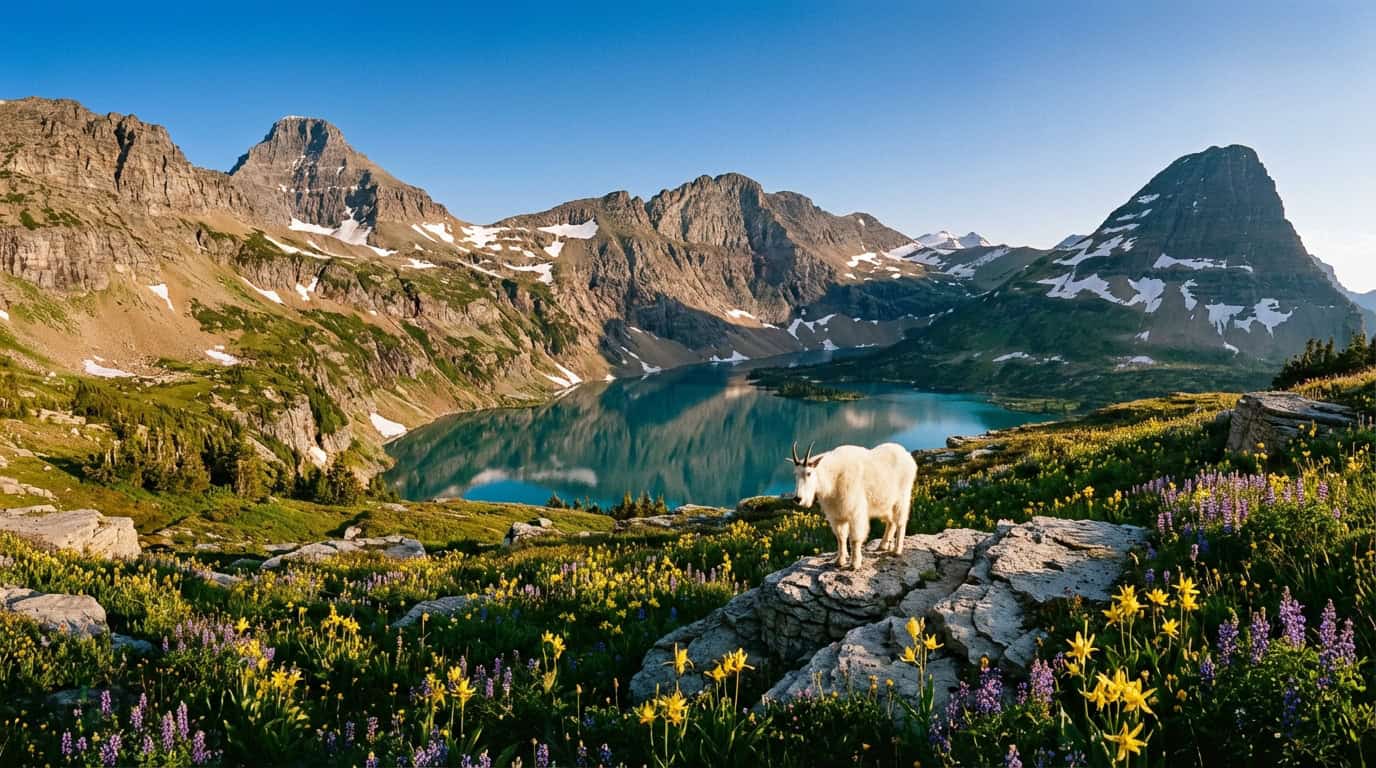
Continuing your drive toward Logan Pass, the scenery transforms into a vibrant tapestry of alpine meadows bursting with seasonal wildflowers. These high elevation fields are my favorite spots for wildlife viewing, as mountain goats and bighorn sheep frequently graze near the Hidden Lake Overlook trail. The sight of purple lupine and bright yellow glacier lilies against the backdrop of rugged limestone cliffs is truly unforgettable. Make sure to pack a sturdy pair of binoculars and keep a respectful distance while observing these majestic creatures in their natural habitat. Planning your hike for the early morning or late afternoon provides the best lighting for photography and increases your chances of spotting a grizzly bear roaming the distant slopes.
Navigating this section of the park requires some logistical foresight, especially regarding vehicle reservations and the narrow turns of the main alpine highway. The Going-to-the-Sun Road is a marvel of engineering, but it is seasonal and typically only fully open from late June through September. I suggest checking the park’s current status daily, as snow can linger at the higher elevations well into the summer months. To avoid the midday crowds at Logan Pass, try using the park’s shuttle system which allows you to focus on the views rather than the road. Having a solid plan for these high traffic areas ensures your time is spent enjoying the scenery instead of searching for a parking spot.
Hiking To The Remaining Twenty Six Glaciers
Standing at the edge of a turquoise alpine lake, you quickly realize why Glacier National Park is called the Crown of the Continent. With only twenty six glaciers remaining today, there is a profound sense of urgency to witness these icy giants before they vanish entirely from the Montana wilderness. To see the most impressive displays, I recommend starting your journey along the iconic Going-to-the-Sun Road to reach the Many Glacier region. This area serves as the ultimate basecamp for those looking to experience the park’s namesake features up close. The air here feels crisp and ancient, offering a humbling reminder of the geological forces that carved these massive U-shaped valleys over thousands of years.
For a perfect two-day hiking itinerary, begin day one with the 10-mile round-trip trek to Grinnell Glacier. This trail offers some of the most stunning views in North America, leading you past emerald lakes and sheer cliffs before arriving at the Upper Grinnell Lake where icebergs frequently float in the water. On your second day, head toward Iceberg Lake for a slightly easier 9-mile journey through wildflower-filled meadows and prime grizzly bear habitat. The destination is a natural amphitheater of rock where massive chunks of ice remain frozen well into the summer months. Be sure to pack plenty of water and bear spray, as these trails are as wild as they are beautiful.
Planning your visit requires a bit of logistical savvy, especially since the seasonal window for these higher-elevation trails is quite short. Most hikers find that late July through early September offers the best trails and conditions, as the heavy snowpack usually lingers well into the early summer. You will need to secure your vehicle reservations in advance to access the most popular corridors, so I suggest checking the park’s official alerts frequently. Seeing these glaciers is a transformative experience that puts the scale of nature into perspective. It is a journey that requires effort and preparation, but the reward of standing next to a living piece of history is something you will never forget.
Planning Your Seasonal Trip To The High Country
When you finally set your sights on the Crown of the Continent, your first priority should be mastering the logistics of the Going-to-the-Sun Road. This engineering marvel is the heartbeat of Glacier National Park, but it remains buried under snow for much of the year, typically only opening fully from late June through September. Because of its immense popularity, you will likely need to navigate a vehicle reservation system well in advance to access the corridor during peak hours. I always recommend checking the official park seasonal opening dates and status updates daily, as sudden weather shifts can close high-altitude sections even in the middle of July. Securing a spot early ensures you can witness the views from Logan Pass without the stress of being turned away at the gate.
Packing for Montana requires a mindset of flexibility because the weather in the high country changes in the blink of an eye. I have started hikes in sun-drenched alpine meadows only to be met by a sudden sleet storm at a jagged mountain pass an hour later. Your suitcase should be filled with moisture-wicking layers, a sturdy waterproof shell, and reliable hiking boots that are already broken in. Do not forget to carry bear spray and know how to use it, as you are venturing into the home of both grizzly and black bears. Being prepared for four seasons in a single day allows you to focus on the stunning turquoise waters of Lake McDonald rather than your shivering gear.
If you dream of waking up to the sound of wind through the pines, you must act fast to secure backcountry permits or iconic lodge stays. Reservations for historic hotels like Many Glacier Hotel often fill up a year in advance, so mark your calendar early to snag a room with a view. For the more adventurous souls, the backcountry permit system moved to a lottery and advanced reservation model that requires careful planning months before your boots hit the trail. I found that having a few backup trail options helps tremendously when your first choice is unavailable. Whether you are seeking a plush bed or a rugged campsite, early preparation is the key to an unforgettable mountain adventure in the northern wilderness.
Carrying the Spirit of the Crown
Standing at the edge of Lake McDonald as the sun dips below the rugged peaks of the Crown of the Continent, it is impossible not to feel a profound sense of wonder. Glacier National Park is more than just a destination on a map; it is a transformative place that challenges your spirit and rewards your curiosity. Whether you are navigating the narrow bends of the Going-to-the-Sun Road or trekking through alpine meadows filled with wildflowers, the park leaves an indelible mark on your soul. I have found that the quiet stillness of the glacial valleys offers a rare chance to reconnect with the raw power of the natural world. This wilderness serves as a vivid reminder of why we protect these sacred spaces for generations to come.
As you begin planning your own Montana adventure, remember that timing and preparation are the keys to a seamless experience. Be sure to monitor the seasonal opening dates for the high-altitude passes and secure your vehicle reservations well in advance to ensure access to the most iconic corridors. While the logistics of visiting such a popular destination can seem daunting, the payoff of seeing a grizzly in the distance or touching the cold waters of a mountain stream is worth every bit of effort. Pack your bear spray, lace up your sturdiest boots, and keep your camera ready for the unexpected beauty around every corner. I encourage you to step away from the overlooks and find a quiet trail where the only sound is the wind through the pines.
Frequently Asked Questions
1. When is the best time of day to drive the Going-to-the-Sun Road?
I highly recommend starting your journey at sunrise to witness the violet and gold light hitting the peaks. This not only allows you to beat the heavy crowds but also provides the most magical lighting for your photographs at spots like Big Bend.
2. Do I need a special permit to drive through the park?
Yes, you must secure a vehicle reservation through the official park system well in advance for summer visits. This is a critical step for accessing the Going-to-the-Sun Road and ensuring you can experience the heart of the Crown of the Continent.
3. Are there vehicle size restrictions for the main park roads?
The Going-to-the-Sun Road has very third-party regulations regarding vehicle length and width due to its narrow, cliff hugging turns. You should check your vehicle dimensions carefully before heading out to ensure you can safely navigate these engineering marvels.
4. What should I look for when searching for wildlife?
Keep your eyes scanned along the high ridgelines and meadows for a glimpse of the iconic mountain goats. These rugged animals are often found navigating the steep, jagged peaks that define the park’s untamed wilderness.
5. Is Lake McDonald worth a visit during my trip?
Standing at the edge of Lake McDonald is a must, especially in the early morning when the water is crystal-clear and perfectly still. It offers a sense of ancient peace and serves as a stunning introduction to the million acres of wilderness waiting for you.
6. How many hiking trails are available in Glacier National Park?
You have over 745 miles of trails to explore, ranging from winding paths through carved glacial valleys to wildflower-strewn meadows. Whether you want a short walk or a deep backcountry adventure, there is a trail that will demand your full attention and reward your effort.