
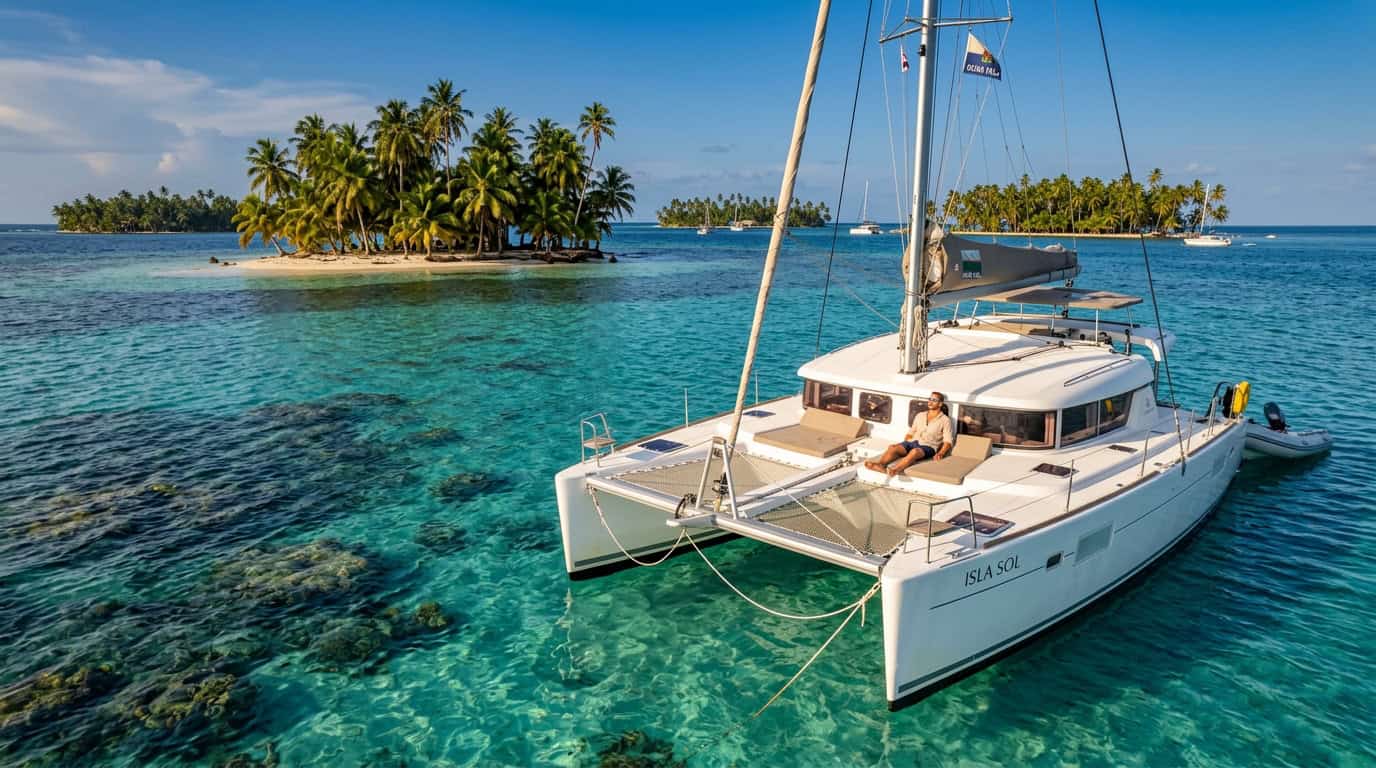
Imagine waking up to the sound of turquoise water lapping against a hull, with nothing but 365 tiny, palm-fringed islands scattered across the horizon like emeralds. This is the magic of San Blas islands sailing, a rare corner of the world where time feels like it stopped decades ago. Here in the autonomous Guna Yala territory, there are no high-rise hotels or crowded piers, just the gentle swaying of your boat and the warm hospitality of the indigenous Guna people who have protected this paradise for generations.
Stepping onto these shores feels like entering a living postcard where a digital detox isn’t just a buzzword, but a way of life. While modern comforts like Starlink are beginning to bridge the gap for those of us who need to stay connected, the true soul of the archipelago lies in its simplicity. Whether I am snorkeling through vibrant coral gardens or sharing a fresh coconut with a local artisan, the experience is a profound reminder of how beautiful the world remains when we leave it exactly as we found it.
Key Takeaways
- You must carry your physical passport to clear internal border checkpoints, as the San Blas Islands are an autonomous territory governed by the indigenous Guna people.
- Travelers must adhere to strict environmental regulations, including a total ban on scuba diving and kiteboarding, to preserve the archipelago’s pristine coral reefs and tranquil ecosystem.
- The region offers two distinct sailing experiences: powerful trade winds for adventure from December to April, and glassy, calm waters ideal for paddleboarding from May to November.
- A successful expedition requires a minimalist mindset, including bringing cash for local artisans and respecting Guna sovereignty by asking permission before taking photographs.
Navigating The Guna Yala Way Of Life
Sailing through the Guna Yala territory is a profound lesson in respecting indigenous sovereignty, and your journey begins with a simple but essential document. Even though you are technically still within Panama, you must carry your physical passport to clear the internal border checkpoints managed by the Guna authorities. This process serves as a reminder that you are entering an autonomous land where the local people have fought hard to preserve their culture and environment. As I handed over my documents, I felt a shift in perspective, realizing that I was no longer just a tourist, but a guest in a self-governed nation. It is a small logistical step that sets the tone for a truly off-grid experience far removed from the commercialized hubs of the Caribbean.
Once you drop anchor in the turquoise lagoons, you will notice a serene silence that is rare in other island destinations. The Guna people have strictly prohibited scuba diving and kiteboarding to protect their delicate reef systems and maintain the tranquility of their ancestral waters. Instead of high-speed sports, I found myself connecting with the ocean through low-impact activities like snorkeling in vibrant coral gardens and paddling traditional cayucos. These environmental regulations ensure that the marine life remains abundant and the seafloor stays pristine for generations to come. By embracing these rules, you contribute to a sustainable model of travel that prioritizes the health of the ecosystem over high-octane thrills.
Living the Guna way means slowing down your pace to match the gentle lap of the waves against your hull. You will likely meet local families paddling out to your boat to offer fresh lobsters or intricate mola textiles, which are hand-stitched works of art. Respecting their traditions is paramount, so always ask for permission before taking photos of people or their private island homes. These interactions are the heart of the San Blas experience, offering a glimpse into a lifestyle that remains deeply connected to the sea and sky. Every sunset spent on deck feels like a gift, knowing that your presence supports a community dedicated to preserving one of the last untouched paradises on earth.
Choosing Your Perfect Sailing Season In Panama
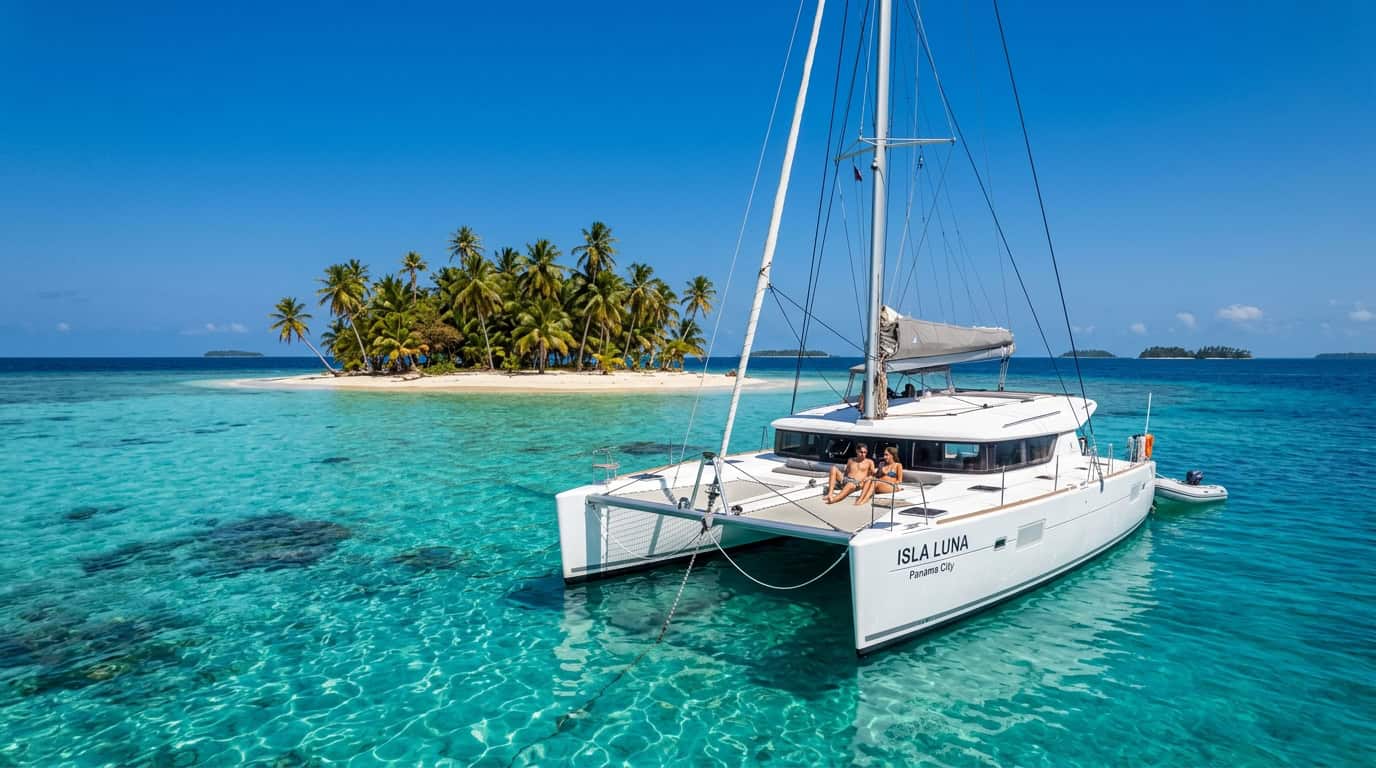
Deciding when to visit the San Blas Islands often comes down to your personal sailing style and how much you enjoy a tropical breeze. From December through April, the powerful trade winds sweep across the Caribbean, providing an exhilarating experience for those who love feeling the tilt of the hull and the spray of the sea. This dry season offers clear blue skies and consistent winds that make navigating between the remote Guna Yala cays a true adventure. You can expect plenty of sunshine and vibrant turquoise waters, though the seas can be a bit more spirited during the longer outer-island crossings. It is the perfect time for travelers who want that classic, wind-swept sailing feeling while hopping from one palm-fringed shore to the next.
If you prefer a more tranquil and meditative experience, the wet season from May to November offers a completely different side of the archipelago. During these months, the wind often drops to a whisper, leaving the ocean surface looking like a vast, polished mirror that reflects the clouds above perfectly. These glassy conditions are ideal for paddleboarding between islands or snorkeling in the pristine coral gardens without any surface chop. While you might encounter a sudden tropical downpour in the afternoon, these showers are usually brief and provide a refreshing break from the heat. The islands feel even more secluded during this time, allowing for deeper connections with the local Guna communities who steward this incredible territory.
Regardless of which season you choose, the fact that San Blas sits safely south of the hurricane belt ensures a worry-free journey throughout the year. You will find that the lack of large-scale commercial development keeps the atmosphere authentic and peaceful no matter the month on the calendar. I always recommend packing a light raincoat for the wet season or extra sun protection for the breezy dry season to ensure you stay comfortable. Each period brings its own unique magic to the Guna Yala coastline, whether you are chasing the thrill of the wind or the stillness of a silent harbor. Your perfect voyage simply depends on whether you want to master the sails or drift slowly over the reef.
Life On Deck Between Remote Tropical Cayos
Waking up on a sailing boat in Guna Yala feels like stepping into a living postcard where the only clock is the rising sun. The morning ritual usually begins with the gentle sound of a wooden ulu paddling alongside your hull, as local Guna fishermen arrive to offer the morning’s freshest catch. For just a few dollars, you can have massive Caribbean lobsters or red snapper delivered straight to your deck for an evening feast. This direct connection to the indigenous community is what makes San Blas so special, as every meal supports the local families who have protected these waters for centuries. Between these visits, the day revolves around the simple joy of jumping off the bow into turquoise water that stays a perfect temperature year round.
Navigating between the remote cayos offers a rhythmic blend of adventure and deep relaxation. While one hour might be spent snorkeling through vibrant coral gardens teeming with rays, the next is often dedicated to lounging on deck as the boat glides toward a tiny, uninhabited strip of sand. Even in this off-grid paradise, the recent addition of Starlink on many charter boats has changed the experience for those of us who need to stay connected. You can now send a quick update to the outside world or check your emails while anchored in a location that feels completely removed from modern civilization. It is a strange but welcome luxury to have high speed internet while staring at a palm-fringed horizon with no other buildings in sight.
Life on the water here is defined by the balance of sustainable travel and the raw beauty of an autonomous territory. Because the Guna people prohibit large scale developments and high impact sports, the silence of the archipelago remains remarkably intact. You will spend your afternoons wandering through sand-floored villages or reading a book in a hammock strung between the mast and the forestay. As the sun sets, the sky turns a brilliant shade of violet, and the lack of light pollution reveals a canopy of stars that you simply cannot find in more commercial Caribbean destinations. It is a slow, intentional way of traveling that encourages you to disconnect from the chaos of everyday life and reconnect with the natural world.
A Seven Day Itinerary Through The Archipelago
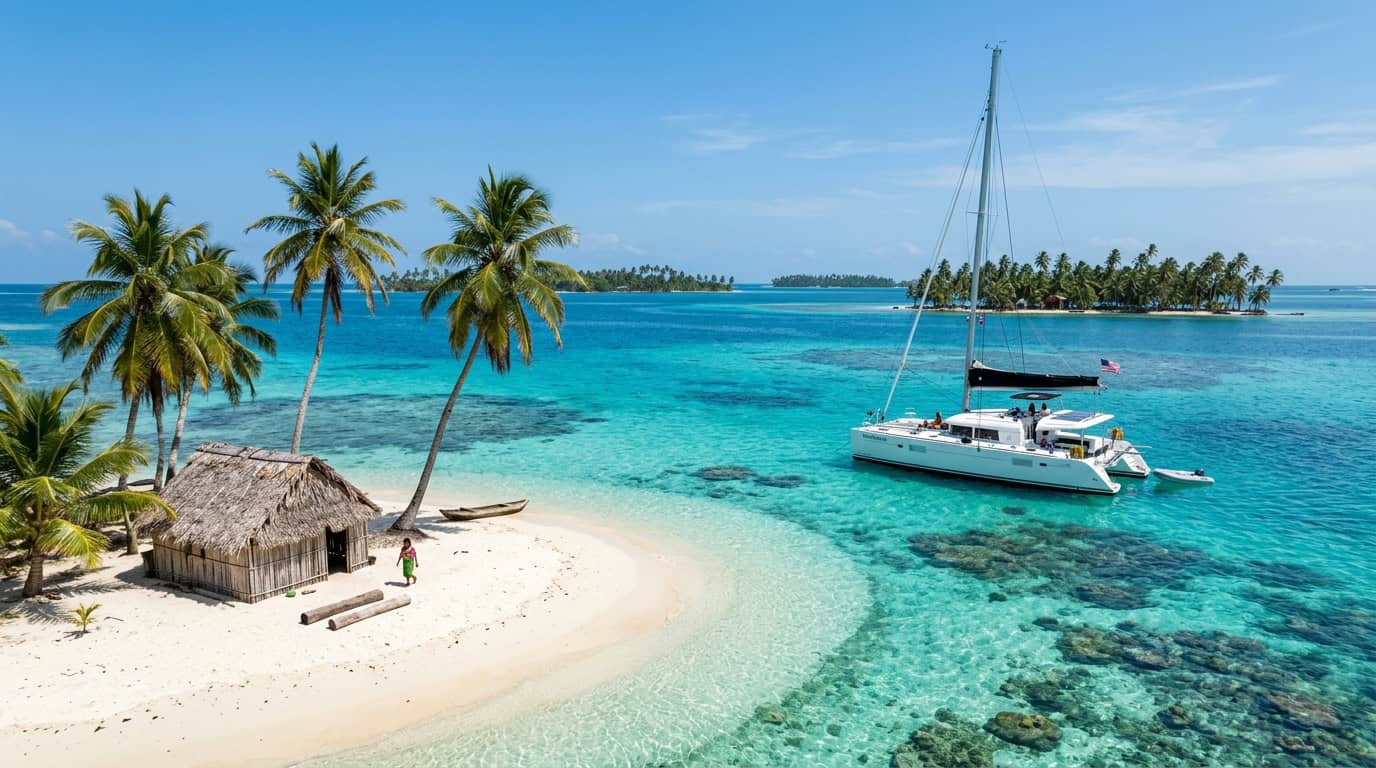
Setting sail from Carti marks the beginning of an intentional journey into the heart of Guna Yala, where the pace of life slows to the rhythm of the Caribbean tides. Your first two days are best spent navigating the Cayos Limones, specifically anchoring near Isla Perro to explore the famous sunken shipwreck that has become a vibrant reef for tropical fish. This area serves as a perfect introduction to the archipelago, offering shallow turquoise waters and the chance to meet local Guna families selling fresh lobster from their dugout canoes. As the sun sets, we often gather on the powdery white sands for a traditional beach bonfire, sharing stories under a canopy of stars that feel close enough to touch.
By day three and four, we push further east toward the remote Cayos Holandeses, a pristine string of islands protected by a massive outer coral reef. This area is widely considered the crown jewel of San Blas because its distance from the mainland ensures total seclusion and some of the clearest water you will ever witness. We spend our afternoons snorkeling the Swimming Pool, a natural sandy basin surrounded by coral heads where sea turtles and eagle rays are frequent companions. Because there are no permanent structures here, the experience remains entirely off-grid, allowing you to fully disconnect from the modern world and embrace the sustainable, indigenous-led lifestyle of the region.
The final leg of the itinerary winds through the Coco Bandero Cays, where the tiny palm-fringed islets look exactly like the postcards you have dreamed about. These islands offer the most tranquil anchorages for your final nights, providing a serene backdrop for paddleboarding through glass-like lagoons or visiting a local village to learn about traditional mola weaving. We wrap up the week with a farewell dinner on deck, reflecting on a journey that feels less like a vacation and more like a privileged glimpse into a preserved way of life. This route ensures you see the most distinct sailing experiences while respecting the strict eco-friendly governance that keeps this territory so remarkably untouched.
Set Sail for an Untouched Paradise
Sailing through the San Blas Islands is more than just a tropical getaway, it is a profound lesson in living harmoniously with the ocean. By choosing a sailing expedition over a traditional resort, you are supporting a model of tourism that is entirely governed by the indigenous Guna people and keeps the archipelago pristine. There are no massive hotels or high rise buildings here to distract from the swaying palms and crystal clear waters. Every sunset spent on deck feels like a tribute to a slower way of life that prioritizes cultural preservation over commercial expansion. This is truly the ultimate off grid adventure for anyone wanting to see the Caribbean in its most authentic and untouched form.
Packing for a journey through Guna Yala requires a minimalist mindset to match the simplicity of island life. You will spend most of your days in swimwear, so bring a few high quality suits and a lightweight, long sleeved sun shirt for protection. Dry bags are essential for keeping your electronics and passport safe during dinghy rides between the boat and the sandy shores. Do not forget to bring plenty of cash in small denominations, as there are no ATMs in the islands and you will want to buy beautiful handmade molas directly from the local artisans. A pair of sturdy water shoes will also come in handy when you are exploring the shallow reefs or walking along the coral peppered beaches.
As you prepare to disconnect from the digital world and reconnect with nature, remember that the magic of San Blas lies in its unpredictability. Whether you are waking up to the sound of dolphins or sharing a fresh lobster meal under a canopy of stars, every moment is a reminder of why we travel. While many boats now offer Starlink for those who need to check in, I encourage you to put the phone away and let the rhythm of the tides dictate your schedule. This journey is a rare opportunity to witness a community that has successfully protected its heritage against the pressures of the modern world. Take it all in, respect the local customs, and leave nothing behind but footprints in the sand. If you are looking for more island hopping bliss, consider exploring other remote corners of the Caribbean that prioritize conservation and local culture.
Frequently Asked Questions
1. Do I need my passport to visit the San Blas Islands?
Yes, you must carry your physical passport to pass through the internal Guna Yala checkpoints. Even though you are in Panama, the territory is autonomous and requires official documentation to enter as a guest.
2. What makes sailing in Guna Yala different from other Caribbean trips?
Sailing here offers a rare connection to an indigenous culture that has preserved its land from commercial development. You will find no high-rise hotels or crowded piers, only 365 pristine islands and the warm hospitality of the Guna people.
3. Is there internet access available while sailing the archipelago?
While this is a wonderful destination for a digital detox, modern comforts like Starlink are becoming available on some boats. You can stay connected if necessary, but the true magic happens when you put the phone away and embrace the simplicity of island life.
4. What kind of activities can I expect during the journey?
Your days will be filled with snorkeling through vibrant coral gardens and exploring palm-fringed islands. You can also spend time meeting local artisans or sharing fresh coconuts on the beach while the turquoise water laps at your feet.
5. How should I prepare for the off-grid nature of the islands?
Come prepared to embrace a slower pace of life where time feels like it stopped decades ago. Focus on packing light, bringing reef-safe sunscreen, and arriving with a mindset of respect for the local Guna sovereignty and environment.
6. What is the best way to experience the local culture?
The best way to connect is by visiting the small communities and purchasing handmade crafts directly from local Guna artisans. Stepping onto these shores is a lesson in living simply and respecting a nation that has protected this paradise for generations.