
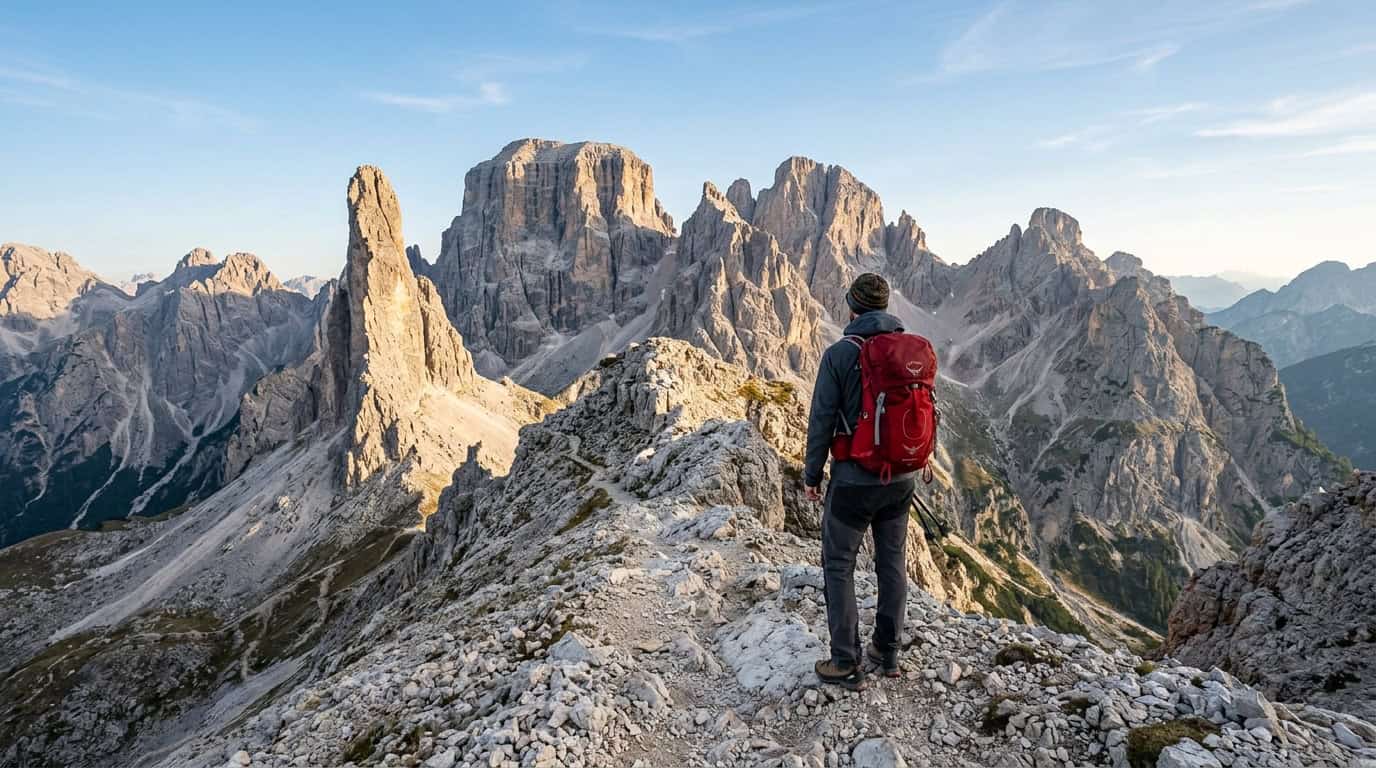
There is a specific moment when the morning sun hits the limestone spires of western Trentino, turning the jagged peaks a deep, fiery crimson that feels almost otherworldly. Stepping onto the trail for a day of brenta dolomites hiking means immersing yourself in a landscape of vertical giants and ancient ledge systems that seem to defy gravity. Whether you are navigating the legendary Bocchette via ferrata or trekking through the heart of the Adamello Brenta Natural Park, the sheer scale of these 3,000-meter summits offers a profound sense of solitude and wonder.
I still remember the thin, crisp air at Rifugio Alimonta as I looked out over the clouds, realizing that these trails offer much more than just a physical challenge. Planning a trip here requires a bit of strategy, from timing your visit between June and September to navigating the high-altitude loops of the Dolomiti di Brenta Trek. This range remains a premier sanctuary for those of us seeking the raw beauty of the Italian Alps, where every steep climb is rewarded with a panoramic view that stays with you long after you’ve descended.
Key Takeaways
- The Brenta Dolomites offer a rugged, solitary alternative to the crowded eastern ranges, characterized by unique horizontal ledge systems and vertical limestone spires.
- Tackling the legendary Via delle Bocchette requires mandatory technical gear, including a via ferrata set, climbing harness, and helmet to safely navigate high-altitude iron paths.
- Plan multi-day treks between late June and mid-September to ensure mountain huts are open and high-altitude passes are clear of snow.
- Travelers in 2026 must account for specific trail closures near Cima Falkner and the Malga Tuena hut by consulting local wardens for real-time route adjustments.
Walking The Sky On The Via Delle Bocchette
Stepping onto the narrow ledge of the Via delle Bocchette Centrali felt like walking on a tightrope suspended thousands of feet above the valley floor. This legendary route is the crown jewel of the Brenta Dolomites, featuring a series of natural horizontal galleries that have been equipped with iron cables and ladders to allow hikers to traverse sheer vertical walls. As I hugged the red-hued limestone, the clouds drifted below my boots, revealing glimpses of the jagged towers that make this UNESCO site so otherworldly. It is a profound experience that replaces the typical forest hike with a high-altitude dance along the spine of the mountains. Unlike the more crowded trails in the eastern Dolomites, the Brenta offers a rugged solitude that makes every clack of your carabiner on the cable feel like a private conversation with the peaks.
Navigating these vertical trails requires more than just a sense of adventure, as proper technical gear is non-negotiable for a safe crossing. I quickly learned that a high-quality via ferrata set, a climbing harness, and a mountaineering helmet are the baseline essentials for tackling these exposed ledge systems. Sturdy trekking boots with a stiff sole are also vital for maintaining grip on the small rocky steps, especially when crossing the small hanging glaciers that persist late into the summer season. I always recommend packing a pair of fingerless climbing gloves to protect your hands from the cold iron cables and to prevent blisters during long days of vertical movement. Having the right kit allowed me to focus less on the height and more on the breathtaking panoramas stretching toward the Adamello massif.
The rhythm of life on the Bocchette is dictated by the network of mountain huts that sit like stone sentinels between the peaks. Reaching Rifugio Alimonta after a day on the iron paths provided a much-needed sanctuary where stories were swapped over plates of hearty alpine pasta. These huts are strategically placed to allow for multi-day traverses, meaning you can link several via ferrata routes together without ever descending to the valley. I found that starting my days at sunrise was the best way to beat the afternoon mists that often swirl around the Cima Brenta. Planning your route between these refuges ensures you have a warm bed and a community of fellow trekkers waiting at the end of every high-altitude mile.
A Five Day Hut To Hut Trekking Itinerary
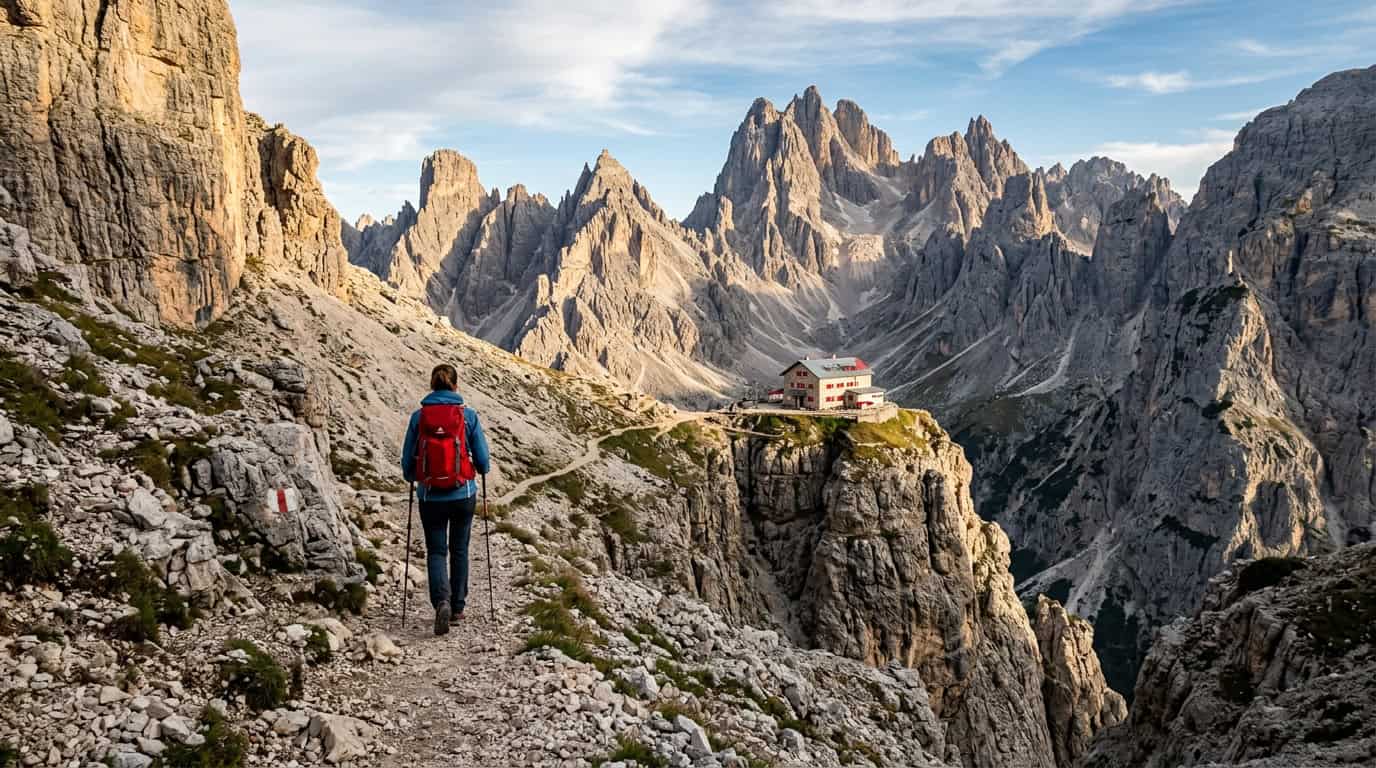
Starting your journey from the alpine charm of Madonna di Campiglio, this five day loop plunges you into the heart of the most rugged towers in the Brenta Dolomites. On the first day, you will ascend toward Rifugio Tuckett, where the sheer verticality of the Castelletto Inferiore creates a dramatic backdrop for your first evening in the wild. The second day involves a steady climb to Rifugio Alimonta, the highest hut in the range, which serves as a spectacular base for exploring the famous Bocchette ledge systems. This high altitude sanctuary offers unparalleled access to the limestone spires that make this region a sanctuary for serious trekkers and via ferrata enthusiasts alike.
The midpoint of your trek focuses on the descent toward Rifugio Pedrotti, a journey that takes you through the shadow of the massive Cima Tosa. To witness the most breathtaking sunset of the trip, find a quiet perch near the hut where the red hued limestone of the peaks catches the final golden rays of light. Day four leads you toward the southern edges of the central group, focusing on the varied terrain that transitions from rocky moonscapes to high alpine meadows. Each step provides a new perspective on the Brenta’s unique geology, ensuring that the physical challenge is constantly rewarded with world class views.
Your final leg brings you back toward the valley floor, completing a circuit that balances intense elevation gains with the warm hospitality of traditional mountain huts. You can expect to cover roughly eight to twelve kilometers daily, with average elevation gains sitting around eight hundred meters to keep your legs working and your heart racing. This itinerary is designed for those who prefer the quiet solitude of the western Trentino peaks over the more crowded tourist paths found elsewhere. As you descend back into the forests above Madonna di Campiglio, you will carry with you the grit of the limestone and the memory of those glowing summits.
Navigating The Wild Terrain And 2026 Trail Closures
Navigating the Brenta Dolomites requires a blend of physical preparation and a keen eye for the ever-changing mountain environment. Unlike the more manicured trails of the central Dolomites, these paths often lead you through steep scree slopes and narrow limestone ledges that demand your full attention. I always recommend planning your trek between late June and mid September, as this window ensures the mountain huts are fully operational and the high-altitude passes are mostly clear of winter snow. Before you lace up your boots, it is essential to download regional trekking apps that provide real-time updates on path stability and weather alerts. These digital tools are lifesavers when you are deep in the Adamello Brenta Natural Park, where conditions can shift from sunny skies to dense fog in a matter of minutes.
Recent geological shifts have made staying informed even more critical for those planning a visit in 2026. Significant rockfalls near Cima Falkner have led to specific trail diversions, meaning you may need to adjust your route around these iconic red-hued towers. Additionally, the closure of Malga Tuena removes a traditional stop along the lower loops, so you should pack extra supplies and recalibrate your daily mileage accordingly. I find that checking in with local hut wardens is the best way to get the most current advice on which via ferrata sections are currently safe to traverse. By respecting these closures and remaining flexible with your itinerary, you can still experience the raw beauty of the Bocchette ledge systems without compromising your safety.
The rugged nature of this range is exactly what makes it so rewarding for serious hikers seeking a less crowded alternative to the main tourist hubs. As you move through the high-altitude terrain, you will notice that the silence is only broken by the sound of your own gear and the occasional distant whistle of a marmot. It is a place that rewards those who treat the landscape with respect and come prepared for a true alpine challenge. Whether you are aiming for the shadow of Cima Tosa or scaling the volcanic heart of a different range, the key is to move at your own pace and stay mindful of your surroundings. These mountains offer a profound sense of solitude, provided you have done the groundwork to navigate their wilder side safely.
Find Your Spirit on Brenta’s Rugged Spires
Choosing the Brenta Dolomites for your next trekking adventure means trading the manicured crowds of more famous peaks for a raw and rugged mountain connection. While other ranges might offer easy access and photo-ops, these spires demand a bit more sweat and a lot more spirit from those who wander their limestone ledges. I found that the true magic happens when you are clipped into a via ferrata wire, suspended between red-hued towers with nothing but the alpine wind for company. This is a place where the trails feel earned and the silence of the high-altitude plateaus stays with you long after you descend. It is the ultimate destination for the serious hiker who values authenticity over convenience and prefers the rustic charm of a high mountain refuge to a valley hotel.
Lacing up your boots for a multi-day journey through this UNESCO World Heritage masterpiece is a commitment to experiencing the Alps in their most dramatic form. Whether you are navigating the exposed ledge systems of the Bocchette or watching the sunset from the terrace of Rifugio Alimonta, the scale of these peaks will leave you breathless. The dense network of trails offers endless opportunities to customize your route, allowing you to push your limits on technical terrain or find solitude in the hidden corners of the Adamello Brenta Natural Park. I truly believe that every trekker should experience the unique verticality of the Brenta at least once in their life. Much like planning an unforgettable mountain adventure in other world-class ranges, now is the time to pack your gear, study your maps, and prepare for a journey that will redefine your perspective on mountain beauty.
Frequently Asked Questions
1. When is the best time of year to go hiking in the Brenta Dolomites?
The ideal window for these trails is between June and September when the high altitude paths are clear of snow. I personally recommend aiming for July or August if you want all the mountain huts to be fully operational for your trek.
2. How difficult is the Via delle Bocchette via ferrata?
This route is a thrilling challenge that requires a steady head for heights and proper via ferrata equipment to navigate the vertical ladders and narrow ledges. While it is an incredible experience, you should have some prior climbing experience or hire a local guide to ensure your safety on the limestone walls.
3. Do I need to book the mountain huts (rifugi) in advance?
Yes, booking your stay at spots like Rifugio Alimonta well ahead of time is essential because they fill up quickly during the summer months. These huts offer a warm bed and a stunning sunrise, but they are the only accommodation options once you are deep in the heart of the range.
4. What should I pack for a multi day trek in the Brenta Dolomites?
Pack light but include sturdy hiking boots, layers for unpredictable alpine weather, and a reliable rain jacket. If you plan on tackling the Bocchette routes, you must also carry a climbing harness, a via ferrata set, and a helmet to stay safe on the cables.
5. Is it possible to hike in the Brenta Dolomites without doing via ferrata?
Absolutely, the Adamello Brenta Natural Park offers plenty of traditional hiking trails and high altitude loops like the Dolomiti di Brenta Trek that do not require climbing gear. You can still enjoy the jagged peaks and crimson sunsets from well marked paths that weave through the valleys and lower ridges.
6. How do the Brenta Dolomites differ from the eastern Dolomites?
The Brenta range offers a much more rugged and solitary experience compared to the more tourist heavy areas further east. You will find fewer crowds here, giving you a profound sense of peace as you explore the unique horizontal ledge systems and massive vertical spires.
7. Where is the best base for starting a Brenta Dolomites adventure?
Madonna di Campiglio is the perfect gateway town because it provides easy access to the lift systems that carry you toward the high peaks. From there, you can quickly reach the trailhead for the Via delle Bocchette or begin your journey into the heart of the Brenta group.