
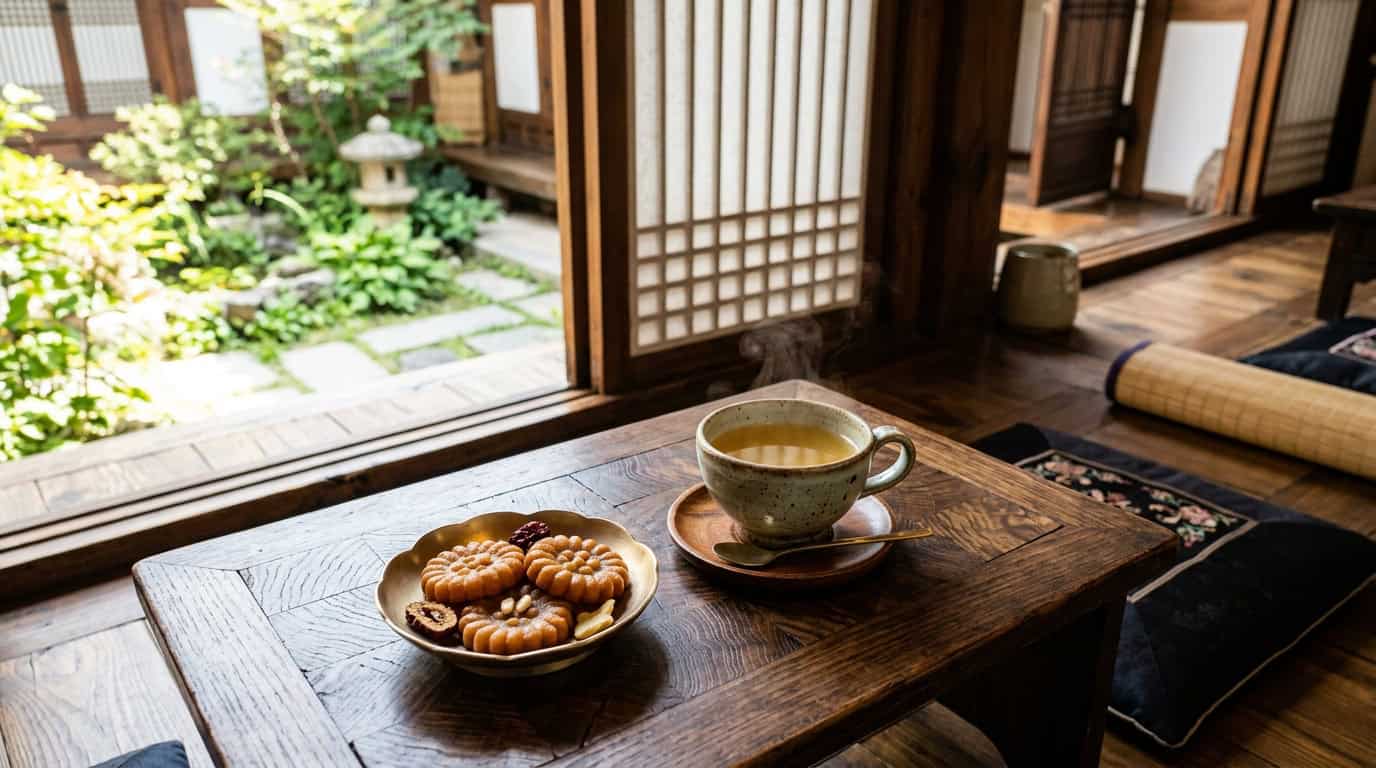
Stepping off the bustling streets of Myeongdong and into the hushed, cedar-scented sanctuary of a traditional tea room, I realized that the city’s heartbeat is changing. While the neon lights and high-speed life define the skyline, a new generation is finding solace in the slow pour of a porcelain kettle at the many evolving Seoul tea houses. This isn’t just a nod to the past; it’s a full-blown modern revival where mindfulness and premium craftsmanship are finally giving the city’s famous coffee culture a run for its money.
With the local tea market surging to over 1.6 trillion won, you can feel a renewed energy in every steeped leaf and carefully whisked bowl of matcha. I’ve spent my recent afternoons tucked away in hidden Hanok courtyards, watching young locals trade their iced americanos for artisanal blends and traditional ceremonies. Whether you are searching for a quiet moment of healthy pleasure or a deep dive into ancient aesthetics, these spaces offer a sophisticated escape that balances Korea’s rich heritage with a chic, contemporary edge.
Key Takeaways
- Seoul is experiencing a significant modern tea revival led by a younger generation prioritizing mindfulness, wellness, and artisanal craftsmanship over fast-paced coffee culture.
- Historic neighborhoods like Bukchon, Insadong, and Ikseon-dong offer sanctuary in traditional Hanok tea houses that blend Joseon-dynasty architecture with seasonal, health-focused refreshments.
- Modern tea ateliers in districts like Hannam-dong have transformed tea brewing into a minimalist sensory experience, featuring curated tasting flights and ‘tea hitting’ as a form of mental decompression.
- The shift toward premium tea is a multi-trillion won market movement that emphasizes ‘healthy pleasure’ through traditional ingredients like omija berries, medicinal herbs, and seasonal rice cake pairings.
Hidden Hanok Havens In Historic Bukchon And Insadong
Stepping off the bustling main streets of Insadong and into the quiet, labyrinthine alleys of Bukchon feels like a deliberate exhale. Here, among the weathered wooden pillars and elegant curved roofs of traditional hanoks, Seoul reveals its most mindful side. I remember ducking through a tiny doorway into a courtyard where the only sound was the wind chimes and the gentle bubbling of water. While the city’s coffee culture is legendary, there is a profound sense of peace found in these centuries-old spaces that no modern cafe can replicate. It is the perfect place to slow down and reconnect with the architecture of the Joseon dynasty.
The tea experience itself is a masterclass in the Korean philosophy of healthy pleasure and seasonal living. I highly recommend ordering a vibrant mug of omija tea, known as the five flavor berry, which offers a complex balance of sweet, sour, salty, bitter, and pungent notes. To accompany your drink, most tea houses serve delicate seasonal rice cakes or chewy yakgwa, which are honey-infused traditional cookies. This shift toward premium, health-focused tea is a growing trend among locals, yet the setting remains rooted in ancient aesthetics and hospitality. You will find that the warmth of the floor heating and the scent of aged wood create an atmosphere that invites hours of quiet conversation.
To make the most of your visit, plan to wander through the Bukchon Hanok Village in the early morning before visiting a tea house in the tucked-away corners of Insadong. Many of these hidden gems are located at the end of narrow “dead end” signs, so do not be afraid to explore the smaller paths. Look for establishments that offer a traditional floor-seating experience to truly immerse yourself in the historic lifestyle. Whether you are looking for a deep dive into tea ceremonies or just a quiet break from sightseeing, these havens provide a necessary sanctuary. They represent a beautiful bridge between Seoul’s fast-paced future and its serene, storied past.
Modern Tea Ateliers And The Wellness Movement
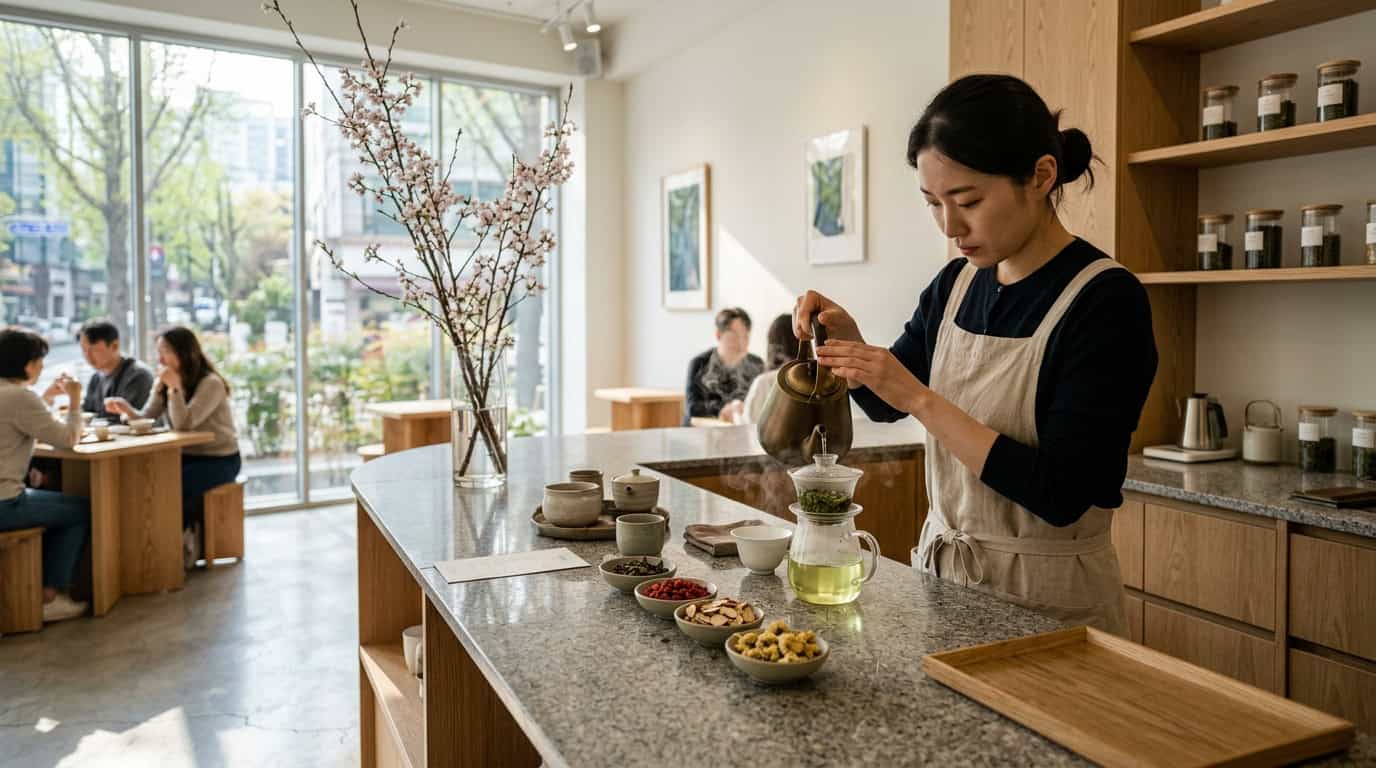
Stepping into the minimalist tea bars of Hannam-dong feels like entering a sanctuary designed specifically to quiet the noise of the city. While Seoul is famous for its fast-paced lifestyle and endless coffee shops, a new wave of Gen Z locals is reclaiming the art of slow living through mindful brewing. These modern ateliers trade cluttered decor for clean lines and natural light, creating a serene atmosphere where the focus remains entirely on the sensory experience of the tea. I found myself mesmerized by the precise movements of the hosts as they measured loose leaf blends and poured water at exact temperatures. It is a beautiful shift that prioritizes health and mental clarity over a quick caffeine fix, reflecting a deeper cultural movement toward intentional wellness.
The menu at these hidden local spots often features artisanal blends that bridge the gap between ancient tradition and contemporary palates. You might encounter a delicate green tea harvested from the volcanic soil of Jeju Island or a vibrant herbal infusion designed to boost your immune system. During my visit, I learned that the act of “tea hitting,” a popular local term for zoning out while watching tea steep, has become a favorite way for young travelers to achieve mental decompression. These spaces are not just about the drink itself, but about the ritual of taking a breath and appreciating the present moment. If you are planning a trip to this neighborhood, I highly recommend carving out an hour in the late afternoon to experience this quiet revival for yourself.
To truly embrace this wellness trend, look for small studios tucked away in the hilly back alleys of Hannam-dong where the architecture blends glass and concrete with traditional wooden accents. Many of these ateliers offer curated tasting flights that allow you to sample different oxidation levels while learning about the regional origins of the leaves. It is a fantastic way to engage with South Korean culture beyond the typical tourist path, offering a sophisticated and tranquil perspective on local life. I suggest booking a reservation in advance, as these intimate spaces often limit seating to maintain their peaceful environment. Bringing home a bag of hand-picked tea leaves also makes for a thoughtful, wellness-focused souvenir that captures the calm essence of your Seoul journey.
Premium Tea Courses And Seasonal Pairings At Korea House
Stepping into the serene courtyard of Korea House feels like a deliberate escape from the neon-lit energy of central Seoul. I visited for a premium tea course that has become a sensation among locals looking for a moment of mindful reflection. The architecture alone is worth the trip, featuring traditional hanok structures that perfectly frame the changing seasons. As I sat on the floor of the elegant pavilion, the quiet rustle of the surrounding trees replaced the hum of city traffic. This setting provides a rare opportunity to slow down and appreciate the intricate beauty of Korean heritage in a royal atmosphere.
The tea course itself is a masterclass in seasonal storytelling, featuring a curated selection of artisanal blends and traditional refreshments. I was served a delicate omija tea, its five distinct flavors perfectly balanced by a tray of colorful dasik (pressed grain cookies) and dried fruits. Each snack is crafted to reflect the current season, ensuring that no two visits are exactly alike. The presentation is so artistic that I found myself hesitating to take the first bite, wanting to preserve the visual harmony of the wooden tray. It is a sensory experience that highlights the growing shift toward health and premium quality in the local tea scene.
Securing a reservation for these exclusive sessions requires some forward planning, as they are highly sought after by the MZ generation and travelers alike. I recommend checking the official booking platform well in advance, especially if you plan to visit during the peak of spring blossoms or autumn foliage. When you arrive, be sure to wear comfortable socks since you will be removing your shoes to enter the traditional seating area. This isn’t just a quick caffeine stop, so allow yourself at least ninety minutes to fully immerse in the ritual. It is the ultimate way to experience the modern revival of Korean tea culture while honoring centuries of tradition.
Planning Your Perfect Seoul Tea House Itinerary
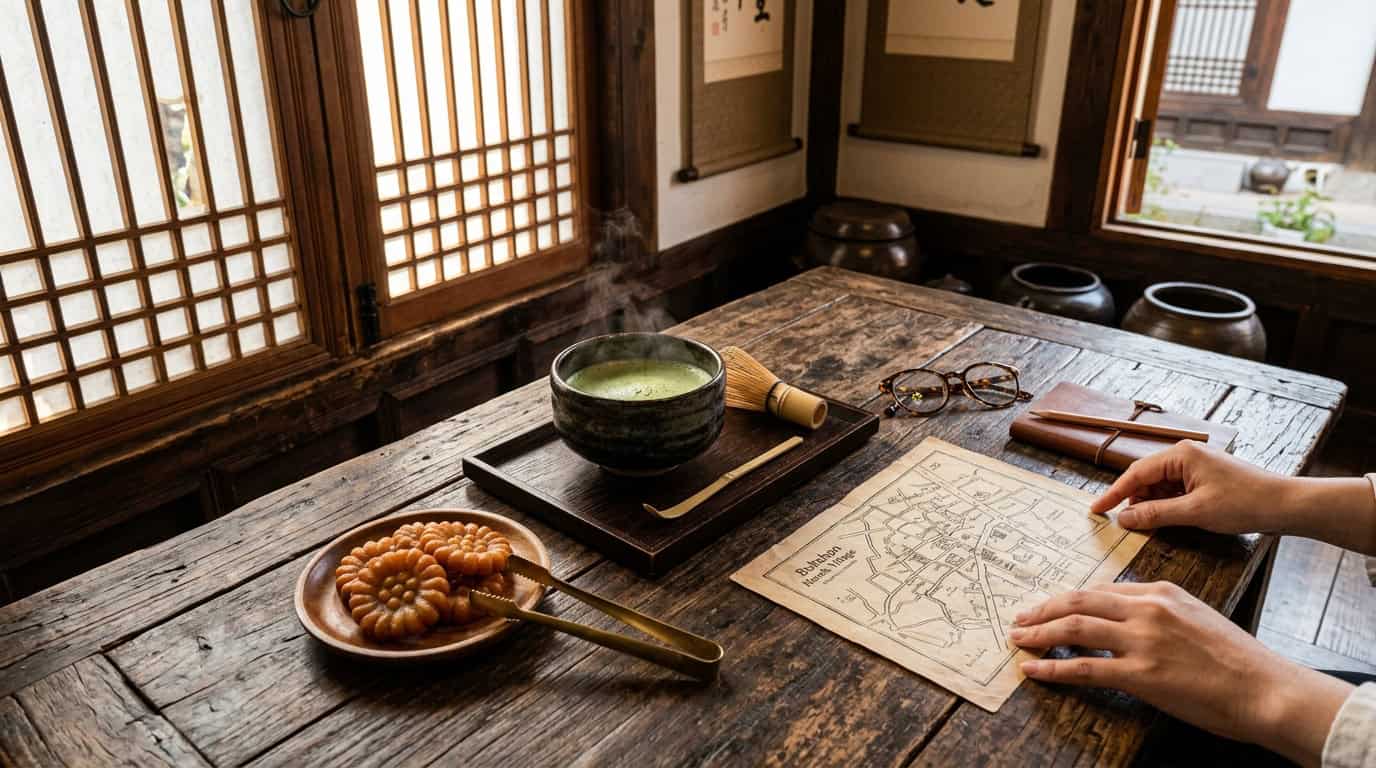
To begin your afternoon of mindful exploration, I recommend starting in the narrow, winding alleys of Ikseon-dong where the contrast between old and new is most vibrant. We will head first to a beautifully restored hanok that specializes in single origin hardware-pressed teas, allowing you to settle into the rhythmic pace of traditional brewing. As you step over the wooden threshold, remember to lower your voice to match the tranquil atmosphere that locals cherish as an escape from the city bustle. I suggest ordering a warm cup of deep, roasted omija tea or a delicate green tea harvested from the volcanic soil of Jeju Island. Taking that first sip while watching the sunlight filter through the paper windows is the perfect way to ground yourself before continuing our walk.
After finding your center, we will wander toward a hidden courtyard tea house known for its focus on seasonal wellness and medicinal herbs. This spot is a favorite for the younger generation looking to reconnect with their heritage through premium, health focused blends. I always recommend trying a set of traditional rice cakes, known as tteok, which are served with a modern twist to complement the earthy notes of the tea. When your tray arrives, it is polite to wait until everyone is served before beginning, and always use both hands when receiving your cup from the server. This small gesture of respect deepens the connection to the ritual and makes the experience feel truly authentic.
Our final stop brings us to a contemporary space that blends minimalist design with ancient tea ceremonies, showcasing the exciting revival of tea culture in Seoul. You can participate in a guided tasting where an expert explains the nuances of different steeping times and water temperatures. I love watching the precise movements of the tea master, as it turns a simple drink into a form of performance art. To wrap up your itinerary, consider purchasing a small tin of loose leaf persimmon leaf tea to bring the soothing scents of Korea back home with you. This walking route offers more than just a caffeine alternative, it provides a meaningful window into the soul of Japan and Korea’s shared appreciation for quiet craftsmanship.
Finding the Quiet Heartbeat of Seoul
Stepping into the traditional tea houses of Seoul completely shifted my understanding of what it means to travel through South Korea. While I initially came for the neon lights and the vibrant world of Seoul street food markets, it was the quiet hours spent tucked away in Hanok courtyards that left the deepest impression on my soul. Watching the steam rise from a cup of hand-pressed ginger tea amidst the ancient wooden beams of Insadong taught me that the true heartbeat of the city is found in its stillness. These moments of mindfulness provided a necessary anchor, allowing me to process the sensory harvest of the day while connecting with a centuries-old cultural heritage that is currently experiencing a beautiful modern revival.
This journey into tea culture proved that seeking out hidden local spots is just as rewarding as visiting the major landmarks. I found that the MZ generation in Seoul is leading a fascinating movement where traditional ceremonies are being reimagined for a new era of wellness and intentional living. By trading a quick caffeine fix for a slow-brewed herbal blend, I felt more present and attuned to the subtle details of the neighborhoods I explored. If you are planning your own South Korean adventure, I highly encourage you to seamless travel by carving out time for these serene pauses between your sightseeing stops. Much like following a Taipei travel itinerary, embracing this slower pace will not only enrich your itinerary but will also provide a refreshing perspective on how to find balance in a fast-moving world.
Frequently Asked Questions
1. Where are the best neighborhoods to find traditional tea houses in Seoul?
You will find the most authentic and atmospheric tea houses tucked away in the historic alleys of Bukchon and Insadong. These neighborhoods are famous for their beautifully preserved Hanok architecture, providing a peaceful escape from the city’s modern bustle.
2. What kind of tea should I try if it is my first time visiting?
I highly recommend starting with Omija tea, which is famous for its unique profile of five distinct flavors including sweet, sour, and salty. It is a refreshing and vibrant choice that perfectly captures the Korean philosophy of healthy pleasure.
3. Are these tea houses welcoming to younger travelers and tourists?
Absolutely, as there is a massive modern revival where a new generation of locals is trading coffee for artisanal tea blends. You will find these spaces to be a sophisticated mix of ancient aesthetics and contemporary chic that welcomes everyone seeking a mindful moment.
4. Is the tea culture in Seoul different from the city’s famous coffee scene?
While coffee culture is high-speed and energetic, the tea houses offer a deliberate slow pour that encourages you to exhale and relax. It is a much more meditative experience focused on premium craftsmanship and the gentle atmosphere of a traditional courtyard.
5. What makes a Hanok tea house experience unique compared to a modern cafe?
The magic lies in the sensory details like cedar-scented air, weathered wooden pillars, and the sound of wind chimes in a private courtyard. These centuries-old spaces allow you to connect with Joseon dynasty architecture while enjoying a quiet, sophisticated escape.
6. Do I need to know a lot about tea ceremonies before I visit?
You do not need any prior knowledge because the experience is designed to be a personal journey of discovery. Whether you are there for a deep dive into ancient rituals or just a quiet afternoon, the staff will help you navigate the menus and steeping process.
The shift toward premium tea is a multi-trillion won market movement that emphasizes ‘healthy pleasure’ through traditional ingredients like omija berries, medicinal herbs, and seasonal rice cake pairings.