
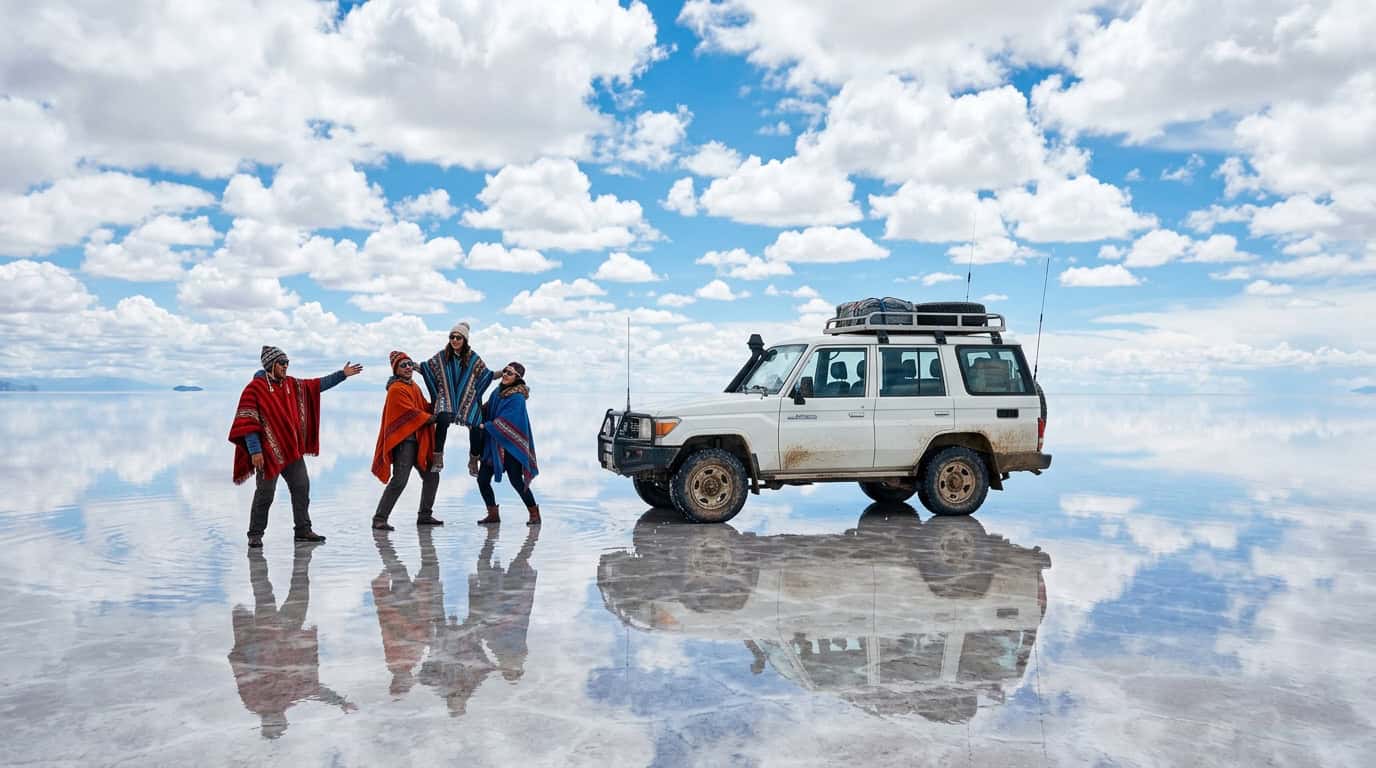
Imagine standing on a mirror that stretches to the horizon, where the sky and earth blur into a single, infinite canvas of blue and white. A bolivia salt flats tour has always been a bucket-list dream, but as of 2026, this surreal landscape is more accessible than ever before. With the recent elimination of visa requirements for U.S. citizens and significant infrastructure upgrades, the journey into the heart of the Andes has transformed from a rugged expedition into a seamless adventure.
I still remember the crisp mountain air hitting my face as I watched the sunrise turn the salt crust into a glowing field of pastel pinks and golds. Beyond the iconic hexagonal tiles of Salar de Uyuni, recent solar power installations at remote refuges mean you can now capture every breathtaking moment without worrying about your camera battery dying in the wilderness. Whether you are chasing the perfect perspective photo or seeking the quiet solitude of the Eduardo Avaroa Reserve, there has never been a more perfect time to experience this otherworldly wonder.
Key Takeaways
- U.S. citizens can now enter Bolivia visa-free as of 2026, eliminating previous entrance fees and complex paperwork for a seamless immigration process.
- Recent infrastructure upgrades, including solar power installations at remote Andean refuges, ensure travelers can reliably charge cameras and electronics in the wilderness.
- Successful expeditions require a strategic acclimatization period in La Paz or Uyuni and high-quality merino wool layers to survive extreme temperature shifts at 4,000+ meters.
- The three-day route through the Eduardo Avaroa Reserve offers unparalleled geological diversity, ranging from the world’s largest salt mirror to geyser basins and flamingo-filled red lagoons.
Navigating The New Visa Free Entry And Logistics
The dreaming spires of the Andes have never felt closer now that the barriers to entry have finally crumbled for American travelers. As of late 2025, the cumbersome visa process and the hefty entrance fee are things of the past, allowing you to breeze through immigration with just a passport stamp. This policy shift has transformed the Salar de Uyuni from a bucket list challenge into an accessible reality for anyone seeking that surreal, mirror-like horizon. I remember when the paperwork felt like a mountain of its own, but today you can focus entirely on the excitement of the journey ahead.
Reaching the edge of the world in Uyuni is a thrilling logistics puzzle that offers two distinct flavors of adventure. For those short on time, catching a quick flight from La Paz provides a breathtaking aerial view of the cordillera before landing directly in the heart of the salt region. If you prefer a slower transition to the high altitude, the overnight bus from La Paz is a classic rite of passage for many travelers. These modern coaches are surprisingly comfortable, allowing you to wake up just as the sun begins to illuminate the vast, white expanse of the flats.
Once you arrive in the dusty town of Uyuni, the gateway to the salt flats, the thin air serves as a constant reminder of the incredible elevation. I highly recommend spending at least one day acclimating in La Paz or Uyuni before heading deep into the remote Eduardo Avaroa Reserve. Recent infrastructure upgrades mean that many of the rustic salt hotels and refuges now offer reliable solar power, making it easier than ever to keep your camera batteries charged. This ensures you never miss a shot of the flamingos or the hexagonal salt patterns that stretch toward the infinite blue sky.
Choosing Your Perfect Multi Day Expedition Itinerary
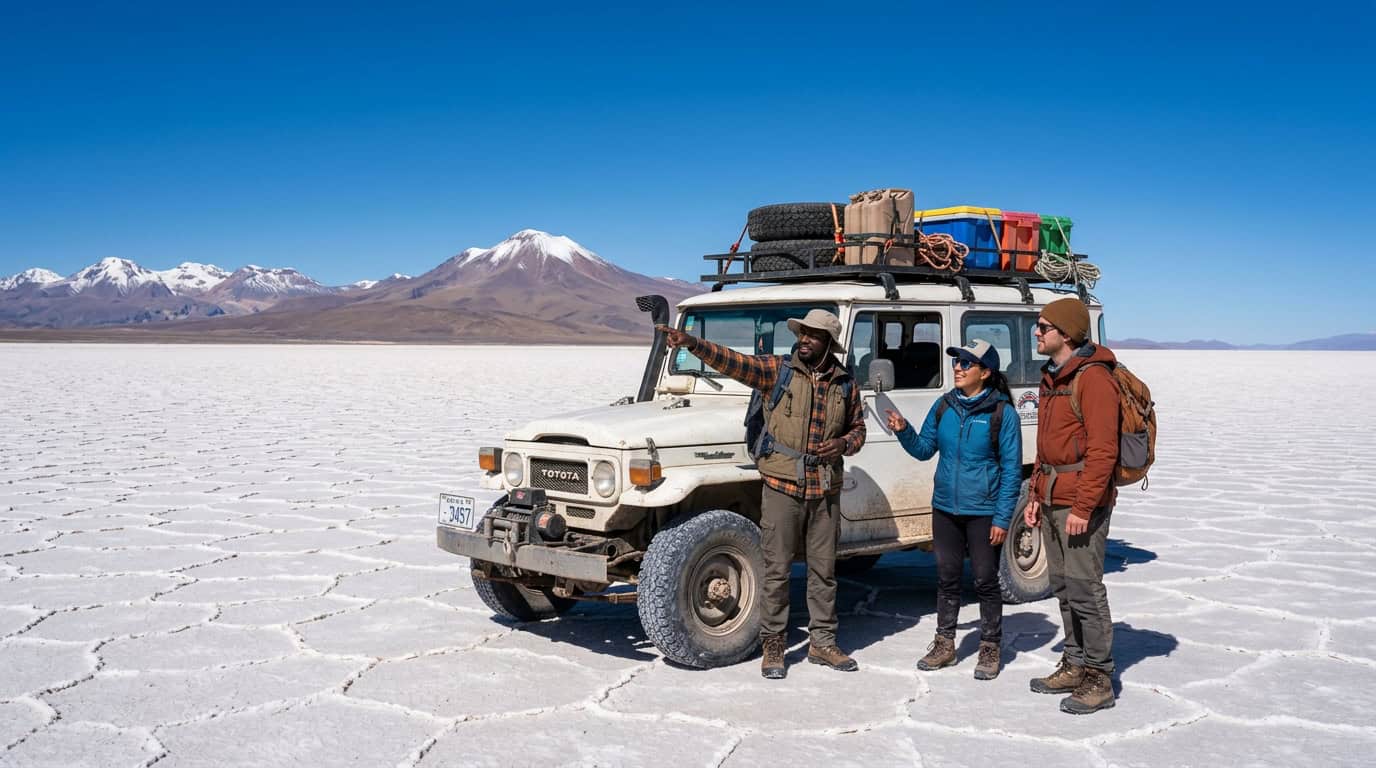
When I first set out across the blinding white expanse of Salar de Uyuni, I realized that choosing the right three day route is the difference between a simple photo op and a soul-stirring expedition. Our journey typically begins at the haunting Train Cemetery on the outskirts of town, where rusted nineteenth century locomotives sit abandoned against a backdrop of endless blue sky. From there, we venture deep into the salt crust to reach Incahuasi Island, a surreal volcanic outcrop covered in giant cacti that offers a panoramic view of the literal horizon. This first leg is where your photography skills truly shine, as the lack of perspective on the flats allows for those iconic, mind-bending photos that look like you are standing on air.
As we transition from the white salt into the rugged Eduardo Avaroa Reserve, the landscape shifts into a vibrant palette of high altitude colors and geothermal wonders. You will find yourself staring in disbelief at the Laguna Colorada, where thousands of James’s flamingos wade through blood-red waters framed by snow-capped peaks. The itinerary also leads us through the Sol de Mañana geyser basin, where the earth hisses with steam and sulfur at nearly 5,000 meters above sea level. It is a demanding trek that requires proper acclimatization, but the reward is witnessing some of the most remote and untouched wilderness left on our planet.
To make the most of this high-altitude adventure, I always recommend packing extra portable power banks to capture every moment, especially now that many remote refuges have upgraded to solar energy. The recent 2026 policy changes making entry easier for many travelers mean there has never been a better time to visit these high desert tracks. Make sure to layer your clothing heavily, as the temperature can drop drastically the moment the sun dips below the Andean peaks. This route is not just a drive through the desert, but a carefully choreographed loop that showcases the absolute best of Bolivia’s geological diversity and raw natural beauty.
Mastering Perspective Photography On The White Desert
The vast expanse of Salar de Uyuni offers a playground for your imagination, but capturing those iconic perspective shots requires a bit of technical finesse and a lot of patience. Because the horizon line disappears into a seamless white void, your camera loses its sense of depth, allowing you to make your friends look like they are standing on a giant spoon or running away from a toy dinosaur. I found that the secret is keeping the subject and the prop in perfect alignment while getting your camera lens as close to the ground as possible. You will likely find yourself lying flat on the salt crust to get the angle just right, so be sure to wear clothes you do not mind getting a bit dusty. It is helpful to bring a small tripod or even a beanbag to steady your phone, as even a slight tilt can break the optical illusion.
If you are lucky enough to visit during the wet season, the transformation of the desert into the world’s largest mirror is a sight that will stay with you forever. To prepare for this magical phenomenon, you should pack waterproof boots and extra layers, as the thin layer of water reflects the freezing Andean air. The sunset hour is when the true alchemy happens, turning the sky into a palette of soft pinks and deep purples that reflect perfectly at your feet. I recommend setting your camera to a slightly lower exposure to capture the rich colors of the clouds without blowing out the highlights on the water’s surface. With the recent infrastructure upgrades and easier entry for travelers, reaching this remote high altitude wonderland is more seamless than ever, leaving you more time to focus on the perfect shot.
Essential Packing Gear For High Altitude Survival
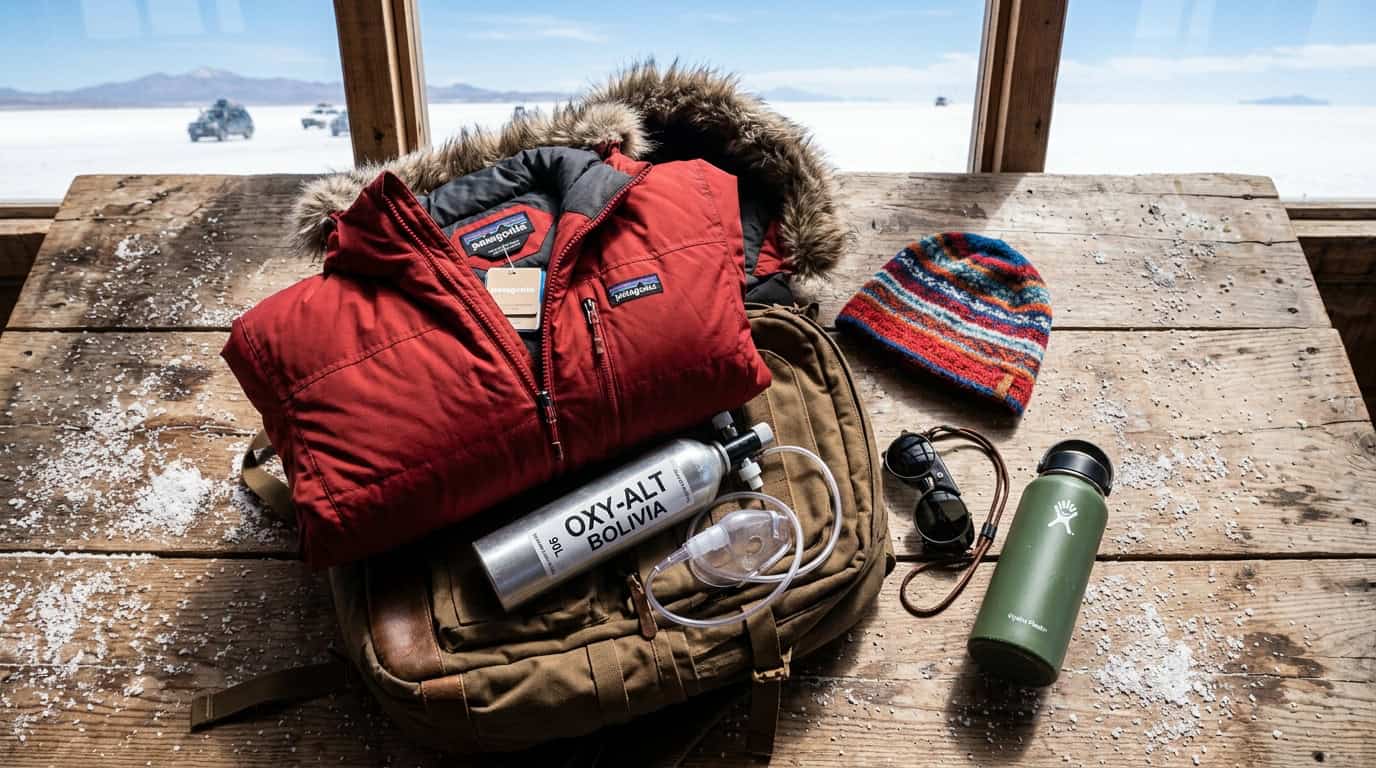
Preparing for the Salar de Uyuni requires a strategic approach to layering because the temperature swings in the high Andes are truly legendary. During my journey across the white expanse, I found that the biting morning winds can quickly give way to intense heat by midday. You will want a high quality base layer made of merino wool to wick away moisture while keeping you warm during those freezing nights in remote refuges. Even with recent upgrades like solar power in the Eduardo Avaroa Reserve, these stone buildings remain chilly, making a heavy down jacket and a thermal beanie absolute necessities. Do not forget a pair of sturdy gloves, as you will likely be out at dawn capturing the mirror effect on the salt.
The sun at four thousand meters above sea level is incredibly powerful, and its reflection off the white salt crust can be blinding without proper protection. I always recommend packing a high SPF sunscreen and a polarized pair of sunglasses to prevent snow blindness while you are out exploring. A wide brimmed hat is another lifesaver, providing a necessary shield against the constant UV exposure during long photography sessions. Because the air is exceptionally dry at this altitude, a heavy duty lip balm and a rich moisturizer will keep your skin from cracking in the desert wind. These small items might seem minor, but they are the difference between enjoying the surreal views and feeling physically drained.
Staying hydrated is the ultimate secret to managing the high altitude as you traverse the rugged terrain between the lagoons and the salt flats. I suggest bringing a reusable water bottle and electrolyte tablets to help your body adjust to the thin air of the Altiplano. Since infrastructure has improved, you can now reliably charge your camera gear at many stops, so make sure to pack a universal adapter and a portable power bank. Having extra batteries is vital because the cold Andean air tends to drain electronics much faster than usual. With your gear sorted and your visa requirements now simplified, you can focus entirely on the breathtaking beauty of this otherworldly landscape.
Why Now is Your Time to Experience Uyuni
Standing on the vast expanse of the Salar de Uyuni feels like stepping onto another planet where the horizon disappears into a seamless blend of earth and sky. This journey is more than just a photo opportunity, as it challenges you to embrace high altitudes and the raw beauty of the Andean highlands. If you are looking to extend your South American journey, you might also consider an Atacama Desert itinerary to see how the landscape changes across the border. With the recent 2025 policy changes making entry visa-free as of 2026 for many travelers, there has never been a better time to cross this surreal landscape off your bucket list. You will find that the improvements in local infrastructure, such as solar power in remote refuges, allow you to stay connected while still feeling completely immersed in the wild.
The magic of a Bolivia salt flats tour lies in those quiet moments when you are capturing the perfect perspective shot or watching the sunset turn the salt crust into a palette of pink and gold. I recommend packing plenty of layers and extra memory cards, because the dramatic shifts in light and temperature will keep you reaching for your camera every few minutes. Whether you are navigating the cactus-filled islands or marveling at the red lagoons filled with flamingos, the sheer scale of the desert is humbling. Taking that leap to book your trip now means you get to experience one of the world’s last truly untouched frontiers before everyone else catches on. To ensure you arrive ready for the high altitude, you may want to consult a long haul flight survival guide to manage the trek to South America.
Planning this adventure might feel daunting at first, but the rewards of seeing the world’s largest salt flat in person are absolutely incomparable. Focus on the practical steps like acclimatizing in nearby cities and checking your updated visa requirements to ensure a smooth transition into this high-altitude dreamscape. Every dusty mile and chilly night in a salt hotel becomes a cherished story once you witness the stars reflecting off the flooded plains during the rainy season. This is your invitation to step outside your comfort zone and witness a landscape that defies logic and captures the imagination. Your camera is ready and the salt flats are waiting, so make this the year you finally say yes to Bolivia.
Frequently Asked Questions
1. Do U.S. citizens still need a visa to visit the Bolivia salt flats?
No, as of 2026, the visa requirements and hefty entrance fees for American travelers have been completely eliminated. You can now breeze through immigration with just a simple passport stamp, making your journey to the Andes smoother than ever before.
2. What is the best way to travel to Uyuni?
You have two fantastic options depending on your schedule and sense of adventure. You can catch a quick, scenic flight from La Paz for stunning aerial views of the cordillera or take a bus for a more traditional overland experience.
3. Will I be able to charge my electronics during the tour?
Yes, staying connected is much easier now thanks to recent solar power installations at remote refuges throughout the region. You will have plenty of opportunities to keep your camera batteries charged so you never miss a shot of the surreal landscape.
4. What makes the Salar de Uyuni so special to visit right now?
The landscape offers a unique, mirror like horizon where the earth and sky blur into a single canvas of blue and white. With improved infrastructure and easier access, you can experience the iconic hexagonal salt tiles and the quiet solitude of the Eduardo Avaroa Reserve with much less hassle.
5. What should I expect during sunrise at the salt flats?
Watching the sunrise is a transformative experience where the crisp mountain air meets a glowing field of pastel pinks and golds. The way the light hits the salt crust creates an otherworldly glow that is perfect for photography and quiet reflection.
6. Is it difficult to plan a trip to the salt flats given the remote location?
While it used to be a rugged expedition, the journey has transformed into a seamless adventure due to significant infrastructure upgrades. Between the new visa policies and better amenities at remote stops, planning your dream trip to this bucket list destination is now very straightforward.