
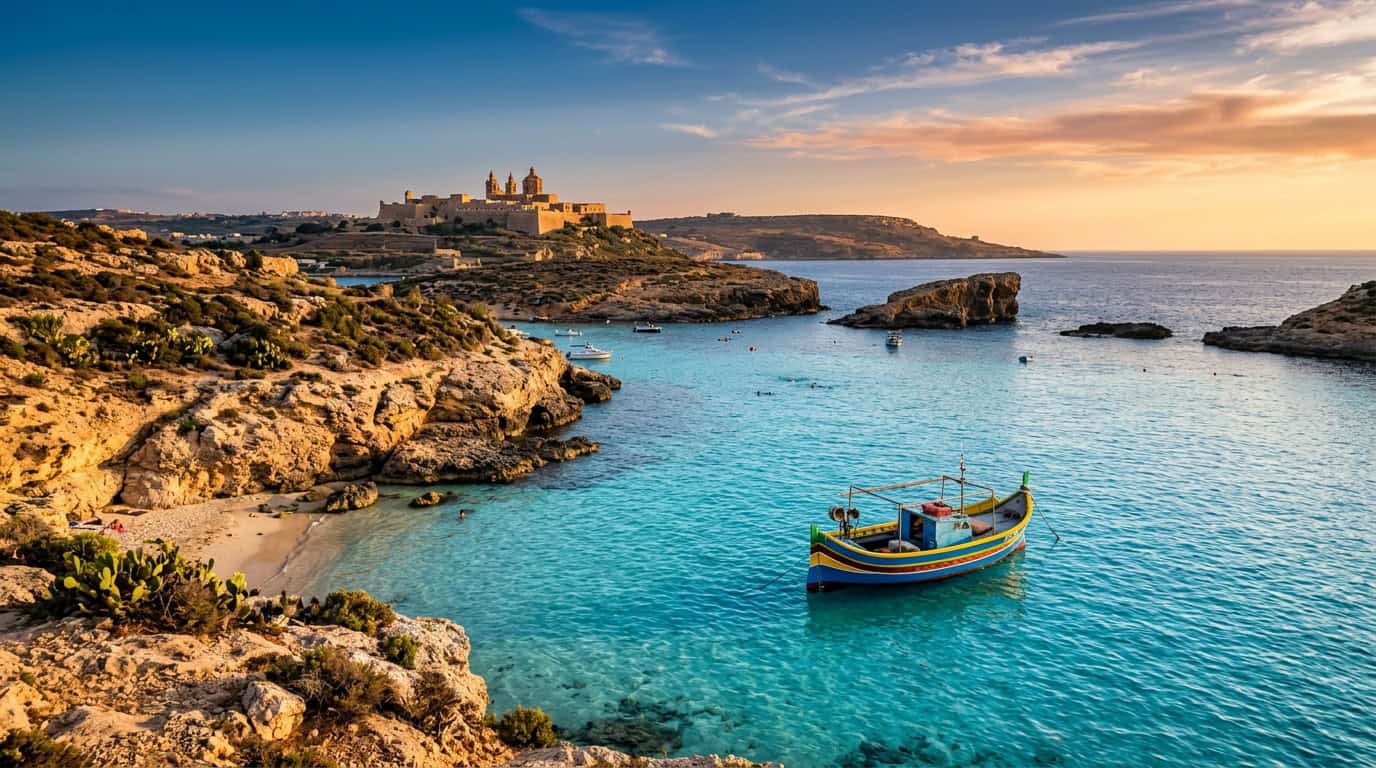
There is a magnetic pull to the middle of the Mediterranean right now, as travelers from across the globe rediscover the sun-drenched limestone cliffs and turquoise lagoons of this ancient archipelago. My recent journey through these islands revealed a place where 7,000 years of history meets a modern, sustainable soul, making a well-planned Maltese islands itinerary more essential than ever to enjoy the popular sites. From the rhythmic clinking of masts in the Grand Harbour to the scent of fresh sea salt in the air, the energy here in 2026 is vibrant.
I felt the weight of empires in every cobblestone street of Valletta, but the real magic lies in balancing those iconic sights with the quiet, hidden corners of the countryside. Whether you are chasing the golden hour light in the Silent City of Mdina or swimming in the neon-blue waters of the South, the islands offer a sensory experience that stays with you long after you leave. I’ve distilled my favorite experiences into a seamless route that pairs world-class heritage with the slow, high-value travel movement currently transforming the local scene.
1. Suggested 7-Day Itinerary (2026 Edition)
Day 1: Valletta & The Three Cities. Explore the UNESCO-listed capital, St. John’s Co-Cathedral (home to Caravaggio masterpieces), and the Upper Barrakka Gardens. Take a traditional dghajsa (boat) across the harbor to the Three Cities (Vittoriosa, Senglea, Cospicua).
Day 2: Mdina & Rabat. Visit the Silent City of Mdina, a medieval walled town. In neighboring Rabat, explore St. Paul’s Catacombs and enjoy local pastizzi (savory pastries).
Day 3: South Malta & Blue Grotto. Head to the fishing village of Marsaxlokk for the market and colorful luzzu boats. Take a boat trip to the Blue Grotto sea caves and visit the prehistoric Hagar Qim temples.
Key Takeaways
- A seven-day itinerary is the ideal timeframe to balance Malta’s high-density historical sites in Valletta and Mdina with the slower, rustic pace of Gozo and the southern coast.
- Strategic timing is essential for popular landmarks; arrive at the Blue Lagoon before 9:00 AM and visit Mdina in the early morning to avoid peak crowds and experience the islands’ tranquil atmosphere.
- Malta’s travel landscape in 2026 prioritizes sustainability and ‘slow travel,’ encouraging visitors to use public transit, support local artisans, and stay overnight on Gozo to connect with the authentic Mediterranean soul.
- The archipelago offers a unique cultural bridge where 7,000 years of history, ranging from Neolithic temples older than the pyramids to Baroque cityscapes, meet vibrant modern influences.
History And Harbor Views In Valletta And The Three Cities
Our journey across the Maltese Islands begins in the golden, sun-drenched streets of Valletta, a city that feels like an open-air museum of Baroque grandeur. As I walked through the towering City Gate, I was immediately struck by the intricate limestone balconies and the sheer historical weight of this UNESCO World Heritage site. You must make time for St. John’s Co-Cathedral, where the shimmering gold interiors and the haunting Caravaggio masterpieces are breathtaking. After soaking in the art, I recommend heading straight to the Upper Barrakka Gardens for an iconic view of the Mediterranean. From this vantage point, you can look out over the deep blue waters of the Grand Harbour while hearing the daily salute of the noon cannons.
To truly experience the harbor’s magic, skip the modern ferries and hop into a traditional dghajsa, a wooden water taxi that feels like a colorful piece of living history. The gentle bobbing of the boat provides a unique perspective of the massive fortifications that have protected these islands for centuries. My boatman shared stories of the harbor’s resilience as we crossed the water toward the Three Cities of Vittoriosa, Senglea, and Cospicua. These ancient maritime neighborhoods offer a quieter, more authentic glimpse into local life compared to the bustling capital. Exploring the narrow, winding alleys of Vittoriosa felt like stepping back in time, especially as the late afternoon light hit the weathered stone walls.
This first day sets the perfect tone for a Mediterranean itinerary that bridges the gap between European elegance and North African influence. Standing on the docks of the Three Cities, you can see how the strategic location of Malta shaped its unique cultural identity. I found that the best way to end the afternoon is with a chilled glass of local wine at a waterfront cafe, watching the yachts and traditional luzzu boats mingle in the marina. It is a spectacular introduction to an island chain that manages to feel both ancient and vibrantly modern all at once. Make sure to wear comfortable walking shoes, as those limestone hills are steep but reward every step with another stunning photo opportunity.
Medieval Mdina Heights And Ancient Southern Temples
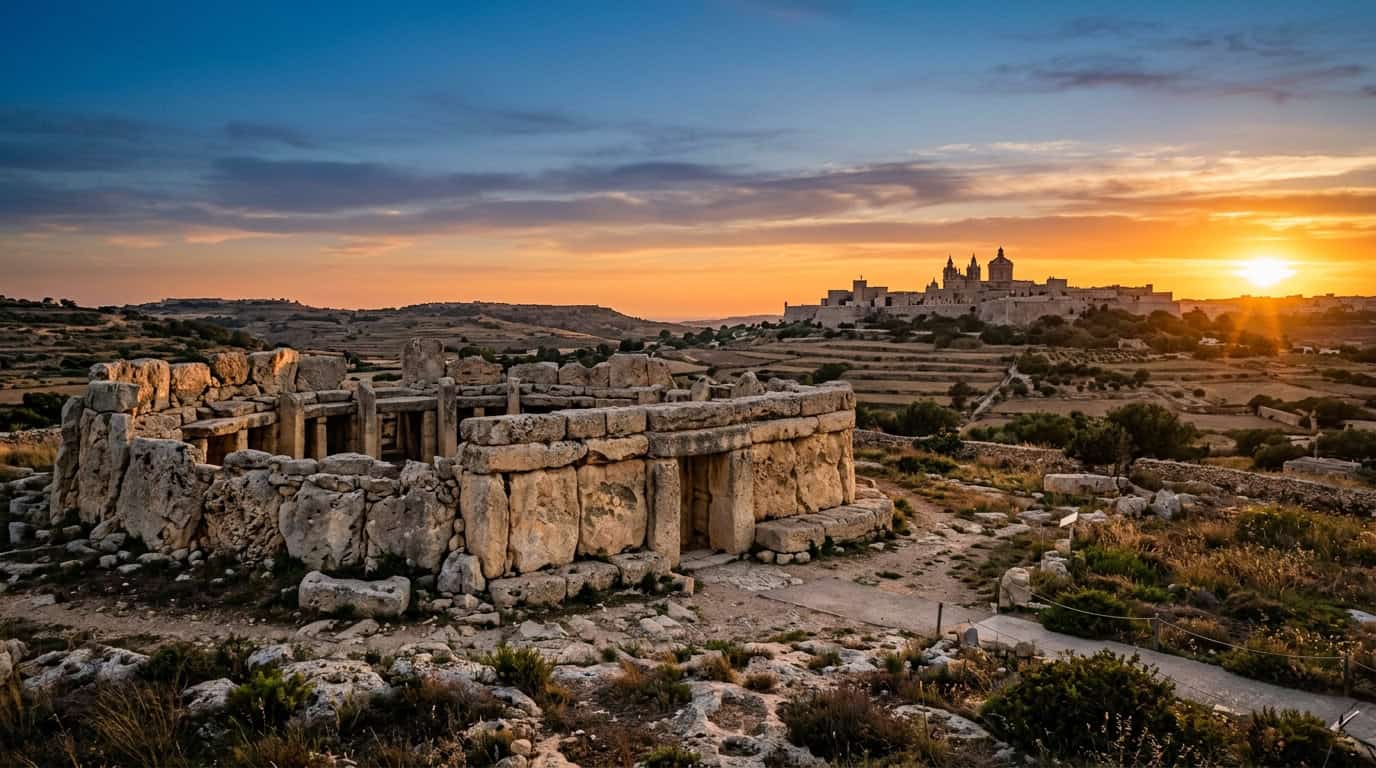
Stepping into the fortified gates of Mdina feels like a sudden shift in time where the golden limestone walls whisper stories of Malta’s medieval nobility. I highly recommend arriving early in the morning to experience the Silent City before the crowds, allowing you to wander the narrow, winding alleys in total tranquility. From the bastions at the edge of the city, you can look out across the entire island, seeing all the way to the Mediterranean coast. After your walk, stop in neighboring Rabat to explore the underground mystery of St. Paul’s Catacombs and grab a warm, flaky pastizzi from a local street vendor. This area perfectly captures the bridge between the islands’ European heritage and their deep, ancient roots.
The second half of your day should be dedicated to the rugged southern coast, where the landscape transitions from medieval stone to prehistoric wonders. Visiting the Hagar Qim temples and Mnajdra temples is a spiritual experience, as these megalithic structures are older than the Egyptian pyramids and provide a direct link to the island’s Neolithic inhabitants. After soaking in the history, head down the road to the Blue Grotto to witness the mesmerizing interplay of light and water within the sea caves. You can hop on a traditional boat to see the vibrant azure reflections up close, which is a highlight of any Maltese islands itinerary. These sites offer a breathtaking perspective on how nature and human history have shaped this unique archipelago over thousands of years.
Turquoise Waters At Comino And Gozo Island Slow Living
No Maltese itinerary is complete without a dip into the crystal clear waters of the Blue Lagoon, but the secret to enjoying Comino is all in the timing. I recommend catching the earliest ferry from Cirkewwa or Marfa to beat the midday crowds that flock to this tiny island. By arriving before 9:00 AM, you can secure a spot on the rocky shoreline and enjoy the electric turquoise water in relative peace. As the sun climbs higher and the day-trippers arrive, take that as your cue to wander the island’s coastal paths toward the quieter Santa Marija Bay. This strategic move allows you to experience the lagoon’s legendary beauty while avoiding the peak congestion of the current travel boom.
After your morning swim, hop on the ferry to Gozo to instantly feel the pace of life slow down to a Mediterranean crawl. This sister island is a rustic paradise defined by rolling hills, limestone farmhouses, and a coastline that feels significantly more rugged than the mainland. I love spending the afternoon at Ramla Bay, where the sand is a deep, fiery orange that contrasts beautifully with the blue sea. You can hike up to Mixta Cave for a panoramic view of the beach that captures the true essence of Gozo’s wild landscape. It is the perfect place to disconnect and embrace the slow living philosophy that the locals cherish so deeply.
To wrap up your island hopping adventure, head to the charming village of Xaghra or the capital city of Victoria to explore the ancient Ggantija Temples. Wandering through the narrow streets of the Citadella at sunset offers some of the best views across the entire archipelago. You will find that Gozo rewards those who take their time, whether you are sampling local goat cheese at a roadside stand or watching the salt pans glisten at Marsalforn. These experiences bridge the gap between the historical grandeur of Valletta and the raw natural beauty of the sea. Make sure to stay overnight on the island to truly appreciate the quiet magic that settles over the landscape once the last ferry departs.
Planning Your Perfect 2026 Maltese Escape
As you plan your 2026 adventure, remember that the Maltese Islands offer a rare bridge between the elegance of Southern Europe and the sun-drenched mysticism of North Africa. To make the most of your trip, I highly recommend booking your ferry transfers between Malta and Gozo in advance, as popular routes fill up quickly. Sustainable travel is a major focus this year, so consider using the efficient public bus system or electric car rentals to explore the hidden corners of the archipelago. Don’t forget to pack a pair of sturdy water shoes for the rocky inlets of Comino, where the water is as clear as a postcard. Whether you are wandering through the silent streets of Mdina or swimming in the Blue Hole, these islands reward those who take the time to slow down and embrace the local pace of life.
This three-island itinerary is more than just a checklist of historical sites, it is an invitation to experience the heart of the Mediterranean. From the golden limestone of Valletta to the rustic charm of the Gozitan countryside, the diversity found within such a small geographic area is truly staggering. I found that the best moments often happened unexpectedly, like sharing a plate of fresh lampuki with locals in a quiet village square or watching the sunset over the Dingli Cliffs. Malta manages to feel both ancient and vibrantly modern, making it the perfect escape for travelers seeking depth and beauty. As you pack your bags and prepare for takeoff, know that the warm hospitality and turquoise waters of the Maltese Islands are waiting to welcome you.
Frequently Asked Questions
1. How many days should I ideally spend in the Maltese islands?
Seven days is the perfect amount of time to soak in the energy of the archipelago without feeling rushed. This timeframe allows you to balance iconic sites like Valletta and Mdina with slow, soulful days exploring the turquoise lagoons of Gozo or the southern sea caves.
2. What is the best way to travel between Valletta and the Three Cities?
You must take a traditional dghajsa boat across the Grand Harbour for the most authentic and scenic experience. These wooden boats offer a rhythmic, peaceful journey that connects you to the islands’ maritime history while providing stunning views of the limestone fortifications.
3. What should I not miss when visiting the Silent City of Mdina?
Walking through the medieval walled streets of Mdina at golden hour is a transformative experience where the weight of history feels truly tangible. After wandering the quiet alleys, head into neighboring Rabat to sample fresh pastizzi and explore the ancient depths of St. Paul’s Catacombs.
4. Is it possible to see prehistoric sites and natural wonders in one day?
Yes, the south of Malta is perfect for pairing the prehistoric Hagar Qim temples with the neon blue waters of the Blue Grotto. I recommend starting your morning at the temples before the crowds arrive and then taking a boat trip to the sea caves to see the light dancing on the water.
5. What makes the Maltese islands a good destination for sustainable travel in 2026?
The islands are currently undergoing a beautiful transformation toward a high value, slow travel movement that prioritizes heritage and local soul. By visiting quiet countryside corners and supporting traditional artisans, you contribute to a sustainable future while experiencing the authentic magic of the Mediterranean.
6. What local food should I try while following this itinerary?
You absolutely have to try pastizzi, which are flaky, savory pastries that serve as the ultimate local comfort food. For a true taste of the sea, visit the Marsaxlokk market on a Sunday to see the colorful luzzu boats bring in the fresh catch that defines Maltese coastal cuisine. To prepare for your trip, check out the ultimate guide to navigating the archipelago’s best routes.