
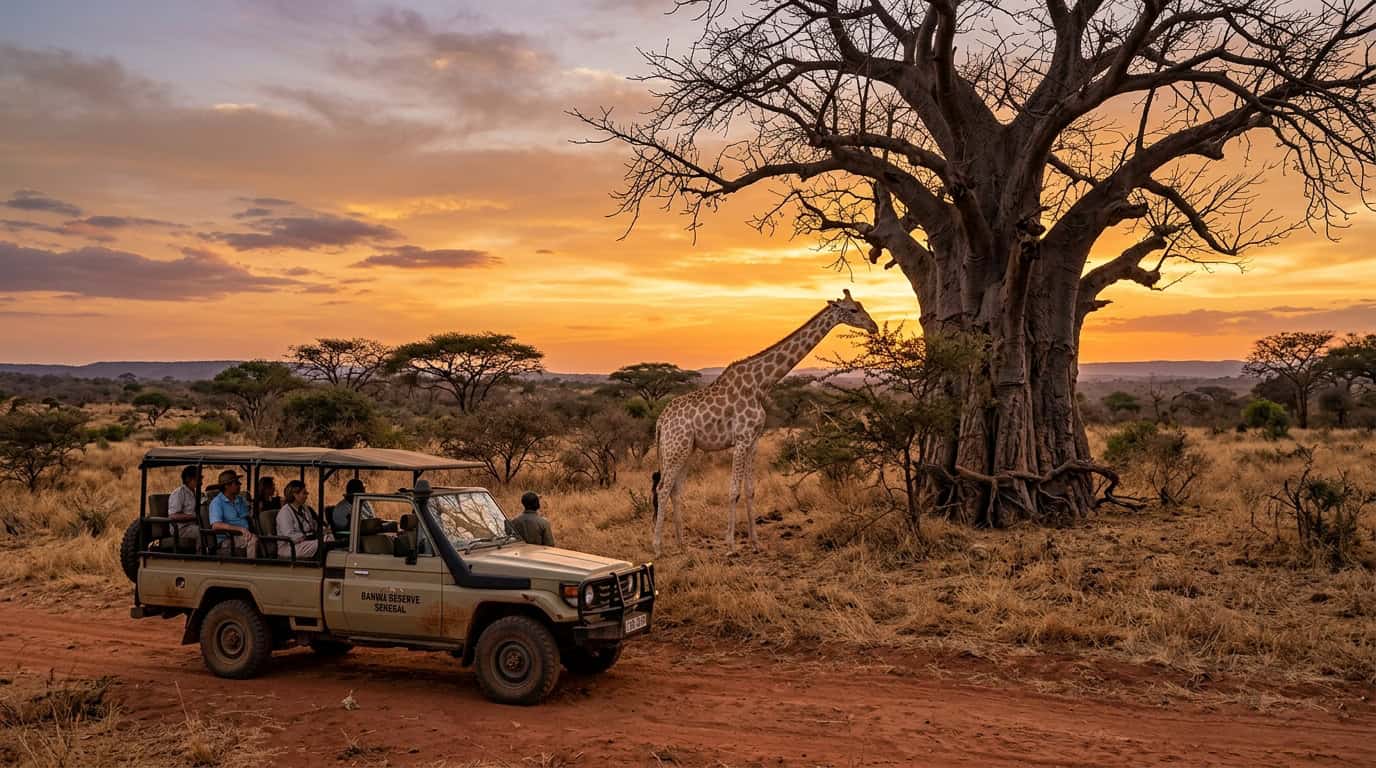
When you think of a safari, your mind might drift toward the endless plains of the Serengeti, but there is a hidden magic waiting in West Africa that offers a completely different rhythm. My first time crafting a senegal safari itinerary, I was struck by how effortlessly the wild acacia forests bled into vibrant coastal villages and haunting historical landmarks. It is a place where you can find yourself eye-to-eye with a white rhino in the morning and wandering through the colorful, colonial streets of an island outpost by sunset.
The beauty of a Senegalese adventure lies in its accessibility and the intimate scale of its wildlife reserves, making it perfect for those who want a rich experience without grueling travel times. You’ll feel the salt spray of the Atlantic one moment and the dry heat of the bush the next as you track giraffes through the brush. This journey isn’t just about checking animals off a list; it’s about the soul-stirring blend of rhythmic djembe drums, ancient baobab trees, and the golden light hitting the mangroves.
Key Takeaways
- Senegal offers a compact and accessible safari alternative to East Africa, allowing travelers to combine intimate wildlife encounters with rich historical sites and coastal culture without grueling travel times.
- Visit during the dry season from November to May for optimal wildlife viewing, as thinning vegetation and receding water holes make it much easier to spot rare species like the Giant Eland and white rhino.
- Diversify your itinerary by pairing traditional land-based game drives in reserves like Bandia and Niokolo-Koba with water-based safaris through the mangroves of the Somone Lagoon or the Sine Saloum Delta.
- Incorporate unique adventure experiences such as guided lion walks in Fathala or boat safaris along the Gambia River to witness hippos and crocodiles in their natural habitats.
Coastal Wildlife Gems Near Dakar And Somone
Our journey begins just an hour outside the bustling energy of Dakar at the Bandia Wildlife Reserve, a sanctuary that serves as the perfect introduction to West African wildlife. As we wound through the ancient baobab trees in our open-top vehicle, I was struck by how intimate the experience felt compared to the sprawling plains of the east. Within minutes, we found ourselves eye eye with towering giraffes and the prehistoric silhouette of a white rhino grazing in the brush. This 3,500 hectare reserve is a conservation success story, successfully reintroducing zebras, buffaloes, and the majestic Giant Eland to the region. It is an ideal first stop for those who want a manageable yet thrilling safari experience without traveling deep into the interior.
After a morning of tracking mammals on land, we made the short trip to the coast to explore the serene waters of the Somone Lagoon. Gliding through the dense mangroves in a traditional wooden pirogue, the atmosphere shifted from the dusty bush to a lush, emerald paradise. This protected area is a haven for birdwatchers, where you can spot everything from elegant flamingos to diving pelicans against a backdrop of tangled roots and salty air. I highly recommend timing your visit for the late afternoon when the golden light hits the water and the migratory birds are most active. This coastal duo offers a refreshing blend of classic safari sightings and tranquil nature walks that define the unique charm of Senegal.
Into The Wild Heart Of Niokolo-Koba
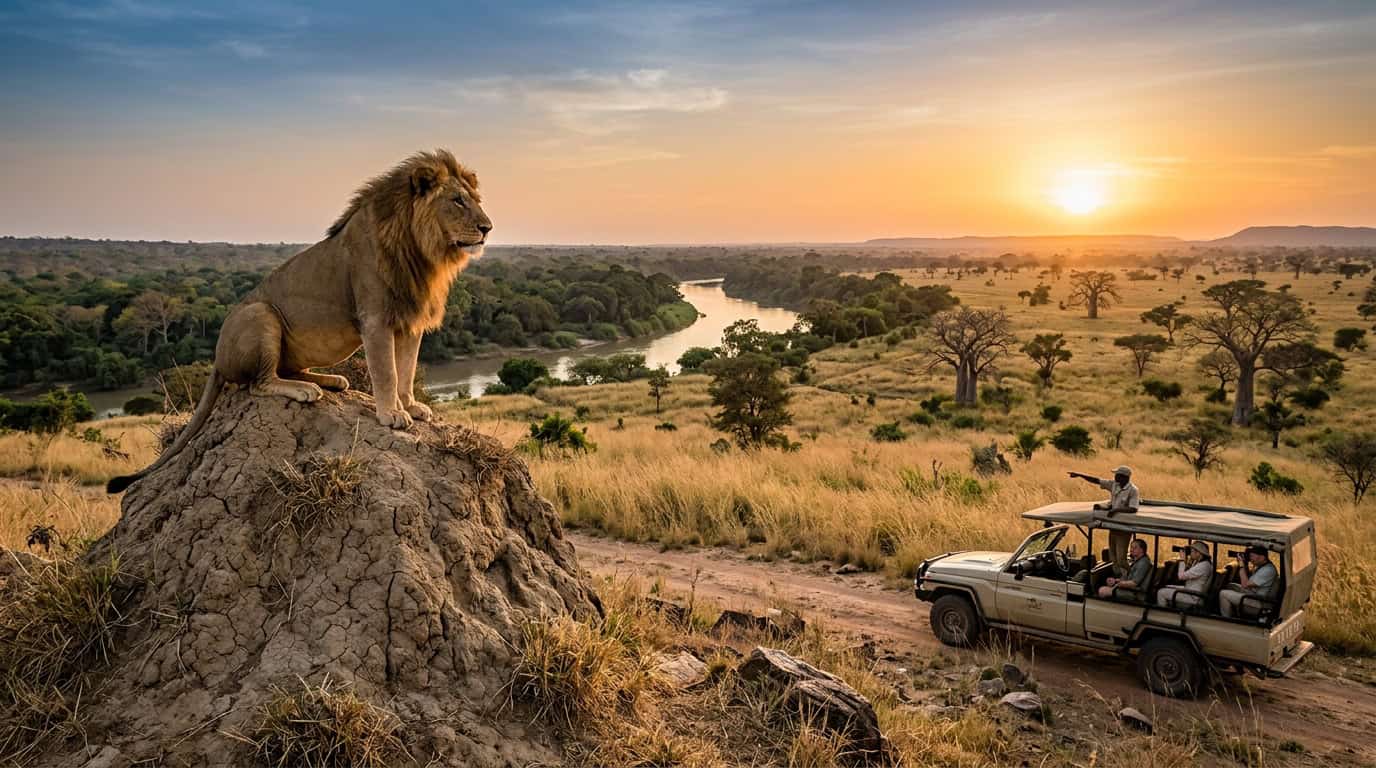
Venturing into the deep southeast of the country brings us to the rugged landscapes of Niokolo-Koba National Park, a vast wilderness that feels worlds away from the bustling streets of Dakar. As a UNESCO World Heritage site, this park serves as the last great sanctuary for West African wildlife, offering a raw and authentic safari experience that rewards the patient traveler. I recommend dedicating at least three days to this region to truly appreciate the diverse ecosystems, ranging from dense galleries of forest to the shimmering waters of the Gambia River. Keep your binoculars ready for a chance to spot the rare West African lion or the majestic Giant Eland, the largest antelope in the world. The thrill of tracking these animals through such an untamed environment provides a sense of discovery that is increasingly hard to find in more commercialized safari destinations.
Our journey through the park typically begins with an early morning game drive from the Wassadou or Simenti areas to catch the predators while the air is still cool. During the midday heat, a boat safari along the river offers a refreshing perspective where you can watch hippos surfacing and crocodiles basking on the muddy banks. I found that the birdwatching here is equally spectacular, with over 330 species including the colorful Abyssinian ground hornbill and various kingfishers darting across the water. For the best experience, plan your visit between January and May when the thinning vegetation and receding water holes make wildlife much easier to locate. This itinerary highlight perfectly bridges the gap between the vibrant coastal culture and the silent, powerful heartbeat of the African bush.
Delta Adventures And Lion Walks In Fathala
After soaking in the vibrant energy of Dakar, my journey south led me to the breathtaking Sine Saloum Delta, a UNESCO World Heritage site where the river meets the Atlantic ocean. Navigating the winding mangroves by traditional wooden pirogue felt like entering a hidden world of salt flats and lush lagoons. I highly recommend spending a full morning birdwatching here, as you will likely spot kingfishers and herons nesting among the tangled roots. This region offers a refreshing departure from the dusty plains of East Africa, providing a serene, water based safari experience that feels deeply connected to the local fishing culture. It is the perfect place to slow down and appreciate the intricate ecosystems that make West Africa so unique.
Continuing toward the border with Gambia, the Fathala Wildlife Reserve offers one of the most exhilarating encounters you can have on the continent. I found myself walking through the African bush alongside majestic lions, a guided experience that is both humbling and heart pounding. While the adrenaline of the lion walks is a major draw, the reserve also provides a sanctuary for the rare Giant Eland and towering giraffes. I suggest booking an early morning safari drive to catch the animals at their most active before the afternoon sun takes hold. Exploring Fathala adds a rugged, wild dimension to your Senegal itinerary that perfectly complements the coastal beauty of the delta.
For those planning this route, I recommend a three day stay to fully immerse yourself in the transition from the wetlands to the dry forest. Start with a boat excursion through the delta islands on day one, then head to Fathala on day two for the lion walk and a sunset game drive. On your final day, take time to visit the nearby shell mounds and local villages to see how the community lives in harmony with this diverse landscape. This combination of high stakes adventure and tranquil nature makes the southern region of Senegal a must visit for any traveler looking beyond the traditional safari hotspots. Pack light, breathable clothing and a good pair of walking shoes to make the most of these guided bush adventures.
Essential Planning Tips For Your Senegal Safari
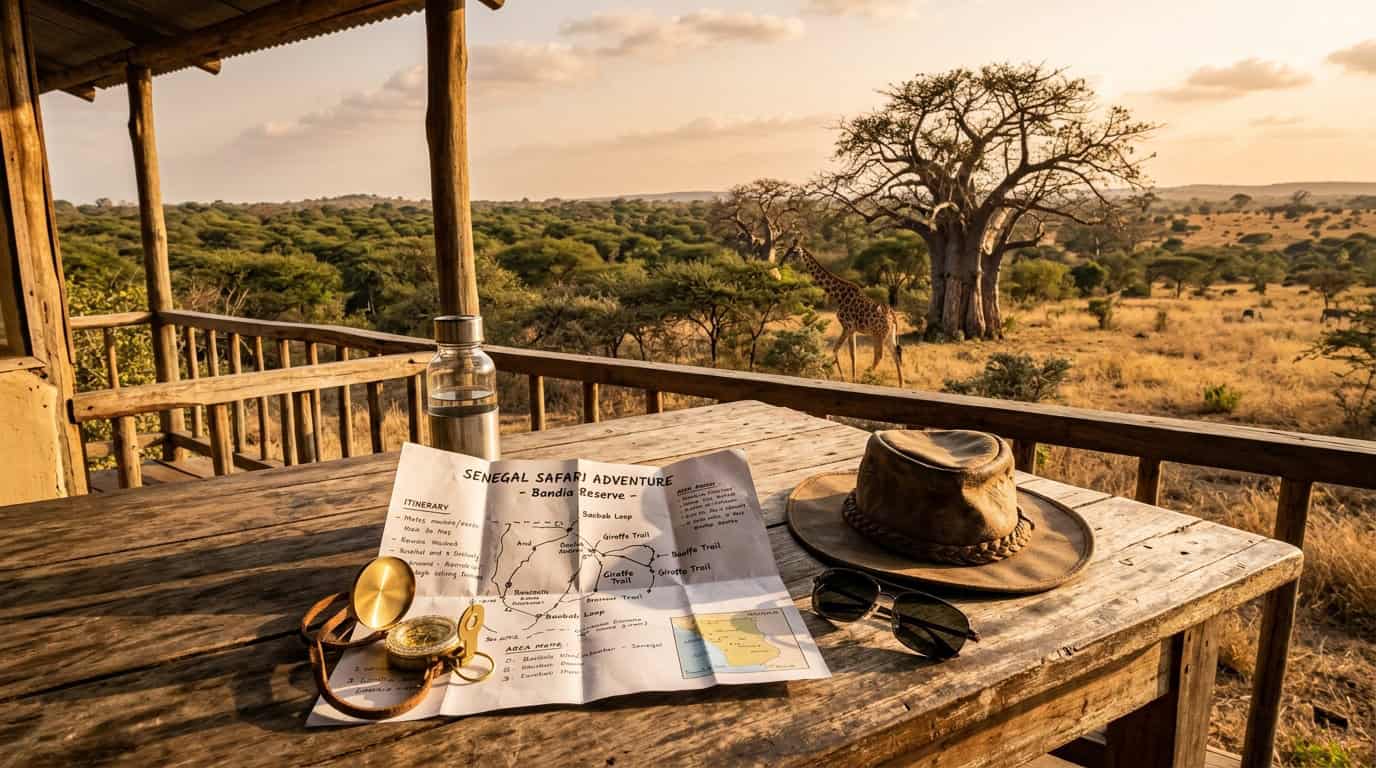
To make the most of your West African adventure, timing is everything when planning your route through Senegal. I recommend visiting during the dry season from November to May, as the sparse vegetation makes it much easier to spot giraffes and rhinos at Bandia Wildlife Reserve. During these months, the weather is pleasantly cool, allowing you to transition comfortably from a dusty morning game drive to an afternoon exploring the vibrant, colorful streets of Dakar. Navigating the country is part of the fun, and while local taxis are plentiful, hiring a private driver for your safari legs offers the flexibility to stop for roadside baobab fruit or spontaneous photo opportunities.
Your itinerary should strike a thoughtful balance between the wild bush and the profound history that defines this coastline. I found that starting with the reintroduced species at Bandia provides an accessible wildlife fix before heading south to the Fathala Wildlife Reserve for a deeper immersion in the landscape. You must carve out a full day for Gorée Island, where the quiet, car free streets and moving historical sites offer a soulful contrast to the adrenaline of a safari. This blend of natural beauty and cultural reflection is what sets a Senegal coastal road trip apart from the more traditional East African tracks.
Ultimately, choosing Senegal over better known safari destinations offers a more intimate and off the beaten path experience that stays with you long after you return home. It is the perfect alternative for travelers who want to see the “Big Five” style animals without the massive crowds found in larger national parks. Between the mangrove forests of the Somone Lagoon and the bustling markets of the capital, you get a holistic view of African life that feels both authentic and welcoming. If you are looking for a journey that nourishes the soul while satisfying your thirst for adventure, this West African gem is waiting for you.
Crafting Your Perfect West African Escape
Senegal offers a refreshing and accessible alternative to the traditional safari circuits of East and Southern Africa, proving that West Africa is a premier destination for wildlife lovers. By blending the rugged beauty of the Bandia Wildlife Reserve with the coastal charm of the Somone Lagoon, you can create an itinerary that feels both adventurous and deeply relaxing. I found that the compact nature of these reserves allows for incredible sightings of rhinos and giraffes without the need for grueling travel days. This unique balance ensures you spend less time in transit and more time connecting with the vibrant landscapes and local traditions.
Your journey through the bush is only elevated by the cultural immersion found in places like Dakar and Gorée Island. I highly recommend structuring your trip to move from the bustling city markets to the quiet, deputy trails of the Fathala Wildlife Reserve for a complete sensory experience. Seeing the Giant Eland in its natural habitat is a memory that stays with you long after the red dust has settled on your boots. Whether you are navigating the mangroves by boat or tracking buffalo through the brush, a Senegalese safari provides a soulful, intimate look at the wonders of the natural world.
As you plan your 2026 adventure, remember that the magic of Senegal lies in its diversity and the warmth of its people. It is the perfect choice for travelers who want to pair their wildlife encounters with world class hospitality and rich historical narratives. You should aim to visit during the dry season to ensure the best visibility at watering holes and easier navigation through the parks. Discover the magic of West Africa with this Senegal travel guide. Packing a sense of wonder and a sturdy pair of binoculars will help you make the most of every moment in this West African gem.
Frequently Asked Questions
1. What is the best way to start a Senegal safari itinerary?
I recommend beginning your journey just an hour outside of Dakar at the Bandia Wildlife Reserve. It provides an intimate introduction to West African wildlife where you can see giraffes and white rhinos among ancient baobab trees before heading to the coast.
2. Is Senegal a good destination for a first-time safari?
Senegal is an incredible choice for those who want a rich wildlife experience without the grueling travel times of East Africa. The reserves are accessible and manageable, allowing you to blend animal tracking with visits to vibrant coastal villages and historical landmarks.
3. What kind of animals can I expect to see in Senegal?
You will have the chance to see a wonderful variety of species including zebras, buffaloes, giraffes, and the majestic Giant Eland. The Bandia Wildlife Reserve is a conservation success story that brings you eye to eye with white rhinos in a stunning 3,500 hectare sanctuary.
4. How do the landscapes in Senegal differ from other safari destinations?
The scenery here is a unique blend where wild acacia forests bleed into mangroves and salt-sprayed Atlantic beaches. You will find yourself tracking wildlife through the dry heat of the bush one moment and wandering through colorful colonial streets by sunset.
5. Is it easy to combine wildlife viewing with cultural experiences?
One of the best parts of a Senegalese adventure is the effortless transition from the bush to local culture. You can spend your morning in the quiet company of baobab trees and your evening listening to rhythmic djembe drums in a nearby outpost.
6. What should I pack for a safari near Dakar and Somone?
Pack light, breathable clothing for the dry heat of the bush and a light jacket for the salt spray of the Atlantic coast. Comfortable walking shoes are a must for exploring both the wildlife reserves and the charming streets of coastal villages.
7. How much time should I dedicate to the Bandia Wildlife Reserve?
A single morning is often enough to have a thrilling and complete experience at Bandia due to its intimate scale. This leaves you plenty of time to enjoy a short trip to the coast for a change of pace by the water.