
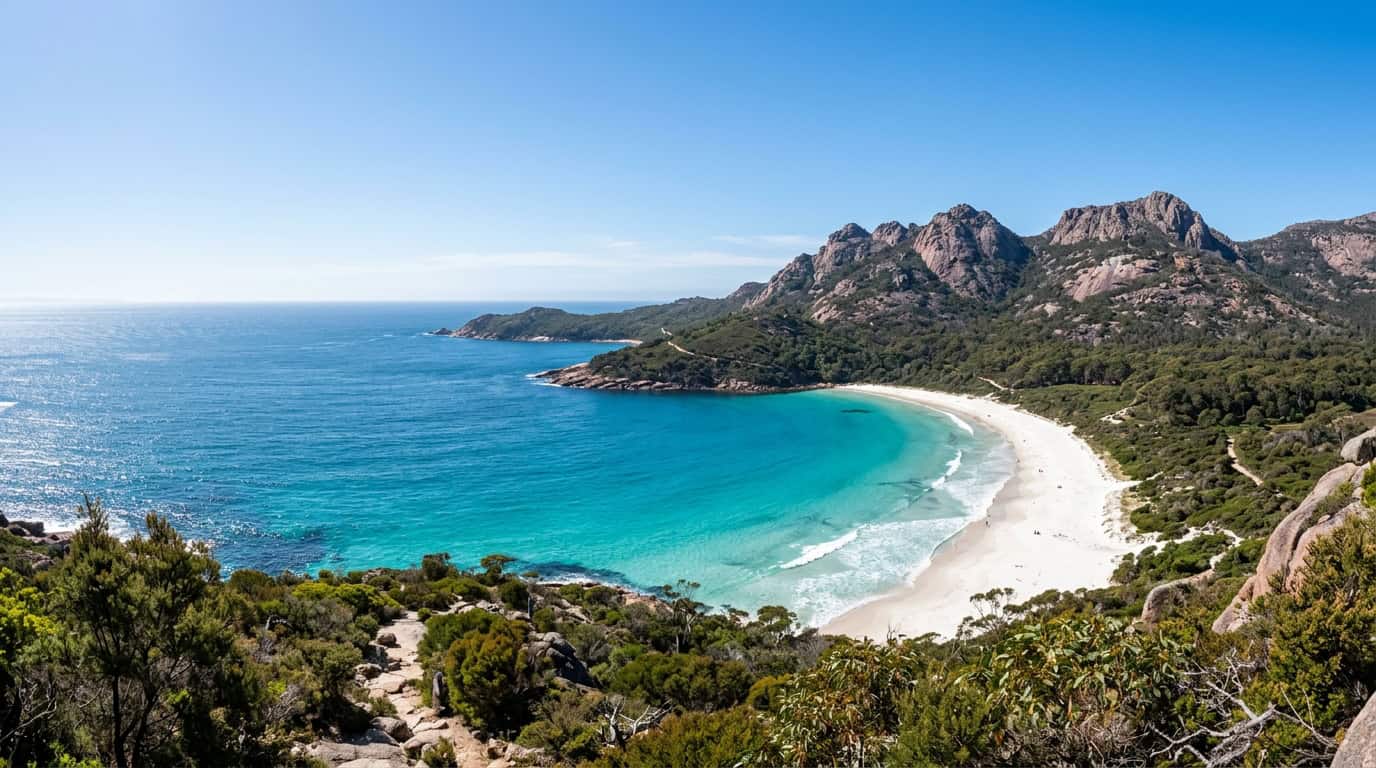
There is a reason the Tasmanian East Coast is currently experiencing a record-breaking surge in interest, drawing over 1.3 million visitors to its sun-drenched shores this year. I still remember the first time I stood on the sugar-white sands of Wineglass Bay, watching the turquoise water lap against granite boulders while the salt air revitalized my senses. From the fiery orange lichen of the Bay of Fires to the rugged, car-free sanctuary of Maria Island, this stretch of coastline offers a rare blend of raw wilderness and accessible luxury.
Whether you are one of the thousands visiting Freycinet National Park or seeking a quiet corner of paradise to call your own, planning the perfect trip requires a balance of timing and local insight. With visitor numbers on the rise, navigating the iconic Great Eastern Drive has become an art form of finding those hidden gems that still feel untouched. You deserve a journey that captures the spirit of the island, where the local seafood is fresh, the hikes are breathtaking, and every sunrise feels like a private show just for you.
Key Takeaways
- The Tasmanian East Coast is experiencing a record-breaking surge in tourism, requiring travelers to book luxury accommodations and national park passes well in advance to secure a spot.
- A successful journey along the Great Eastern Drive relies on balancing iconic landmarks like Wineglass Bay with secluded, car-free sanctuaries such as Maria Island to escape growing crowds.
- Strategic timing, such as starting hikes at dawn and visiting during the shoulder seasons of late spring or early autumn, is essential for experiencing the region’s natural beauty without the interference of heavy foot traffic.
- The region offers a unique sensory blend of raw wilderness and accessible luxury, where visitors can pair demanding granite peak hikes with high-end boutique retreats and fresh local seafood.
Scaling The Hazards In Freycinet National Park
Standing at the base of the Hazards, the pink hues of the granite peaks create a striking contrast against the bright turquoise waters of the Tasmanian East Coast. The trek up to the Wineglass Bay lookout is a heart-pumping journey, but every step is rewarded by the scent of eucalyptus and the sight of unique rock formations. As you ascend the steep, well-maintained track, the canopy occasionally breaks to reveal glimpses of the coastline far below. Reaching the summit provides a moment of pure awe as the perfect crescent of white sand finally comes into view. It is a perspective that truly captures the rugged beauty and fragile balance of Freycinet National Park.
While the natural scenery is timeless, the local infrastructure is evolving to meet the needs of travelers visiting this iconic region. For those planning a trip, luxury cabins and boutique accommodations offer an incredible way to immerse yourself in the landscape without sacrificing comfort. These retreats are designed to blend into the surrounding environment, providing a peaceful escape after a long day of hiking or exploring the nearby Bay of Fires. I recommend booking your stay well in advance, as the growing popularity of the East Coast means these exclusive spots fill up quickly.
To make the most of your visit, aim to start your hike at dawn to avoid the busiest times and experience the Hazards glowing in the early morning light. Bringing plenty of water and sturdy footwear is essential, as the granite can be slippery even on dry days. After your trek, take some time to explore the quieter corners of the park or head south to Maria Island for a different perspective on the region’s wildlife. Balancing your itinerary between famous landmarks and secluded spots ensures you experience the full magic of the coast. This area remains a primary driver of the state’s visitor economy for good reason, offering a blend of accessible luxury and raw wilderness that is hard to find anywhere else.
Exploring The Sun-Drenched Bay Of Fires Coastline
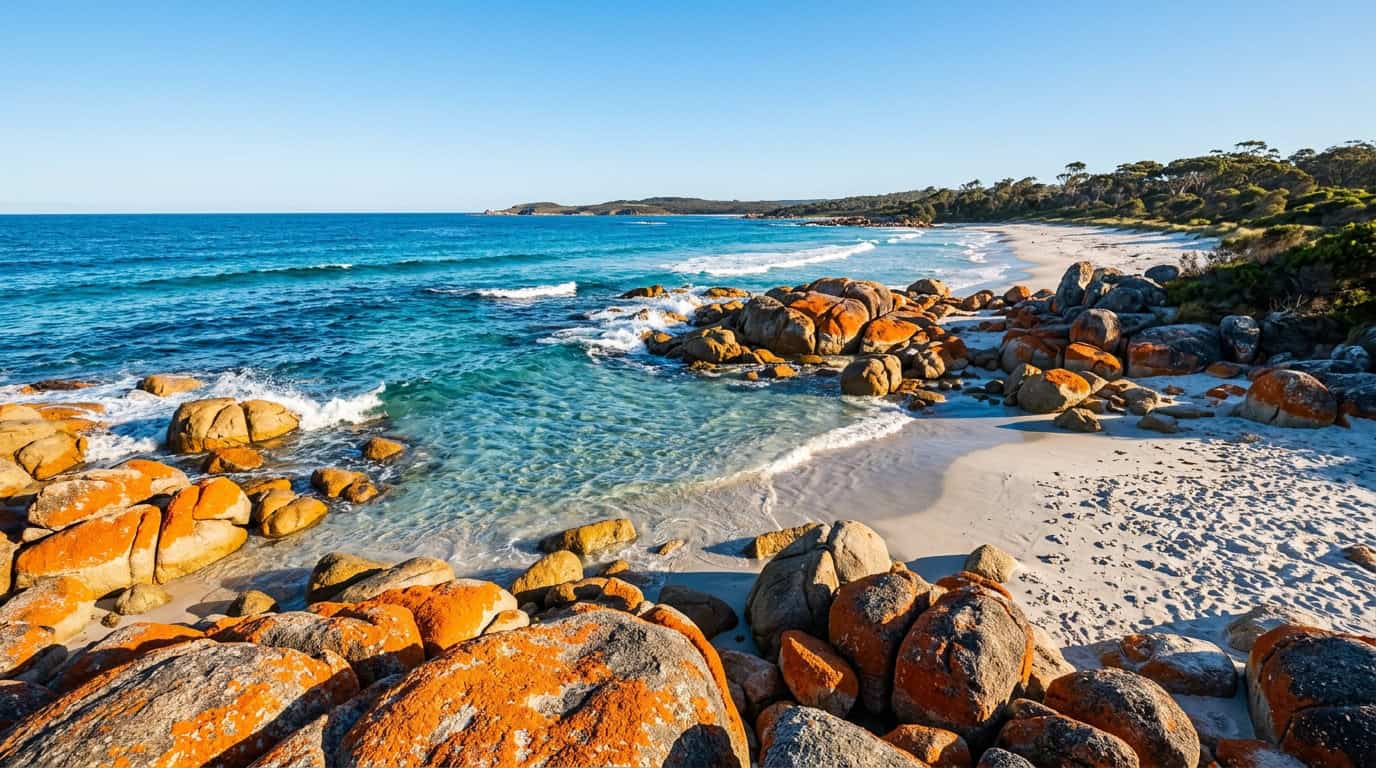
Stepping onto the shores of Binalong Bay for the first time, I was immediately struck by the vivid contrast between the blinding white sand and the fiery orange lichen that coats the granite boulders. This stretch of the Tasmanian east coast is a photographer’s dream, especially during the golden hour when the sun hits the rocks and makes the entire shoreline glow. While the main beach is stunning, I highly recommend wandering toward the hidden coves of the northern gardens to find more space. You will find secluded pockets of turquoise water that feel entirely private, offering the perfect backdrop for capturing the rugged beauty of this ancient landscape.
The journey northward from the main township reveals a series of coastal gems that highlight why this region remains a crown jewel of the state. As I explored the winding tracks toward The Gardens, I discovered that each turn offers a new perspective on the dramatic interplay between the sea and the shore. It is easy to see why over 200,000 visitors flock here annually, yet the sheer scale of the coastline allows for moments of quiet reflection. Make sure to pack a sturdy pair of walking shoes and a tripod, as the rock formations near the water’s edge provide endless opportunities for long exposure shots.
While the Bay of Fires is famous for its colorful stones, the experience is truly defined by the transition from these orange hues to the soaring peaks further south. The rugged granite silhouettes of Freycinet National Park provide a stunning visual anchor for the entire region, creating a diverse itinerary for any road trip. I suggest spending your morning beach hopping through the northern lagoons before heading south to witness the dramatic change in elevation and terrain. This balance of serene coastal flats and demanding mountain lookouts is what makes the Tasmanian east coast an essential destination for any traveler seeking inspiration.
Encountering Wildlife On The Maria Island Sanctuary
Stepping off the ferry onto Maria Island feels like entering a preserved pocket of the world where nature and history exist in perfect harmony. This car-free sanctuary is a highlight of the Tasmanian East Coast, offering a rare chance to wander among hundreds of resident wombats that roam the grassy plains with little fear of humans. As I walked toward the Darlington ruins, I found myself pausing every few meters to watch these stout, furry locals grazing peacefully in the afternoon sun. It is an incredibly grounding experience that reminds you why this region is such a vital part of the island’s appeal. The lack of cars creates a profound silence, broken only by the sound of the wind and the gentle rustle of wildlife in the scrub.
Beyond the incredible animal encounters, the island serves as a living museum where the crumbling brickwork of the Darlington Probation Station tells stories of a complex convict past. Exploring these historic structures provides a fascinating contrast to the raw, natural beauty of the surrounding coastline and its rugged granite peaks. I spent my morning tracing the paths between the old mess hall and the convict cells, feeling the weight of history before heading toward the Painted Cliffs to see the vibrant sandstone patterns. With visitor numbers to the island growing by nearly twenty percent recently, it is clear that more travelers are seeking this balance of heritage and untouched wilderness. Make sure to pack plenty of water and sturdy walking shoes, as you will want to spend every possible minute uncovering the hidden corners of this island paradise.
A Five Day Great Eastern Drive Itinerary
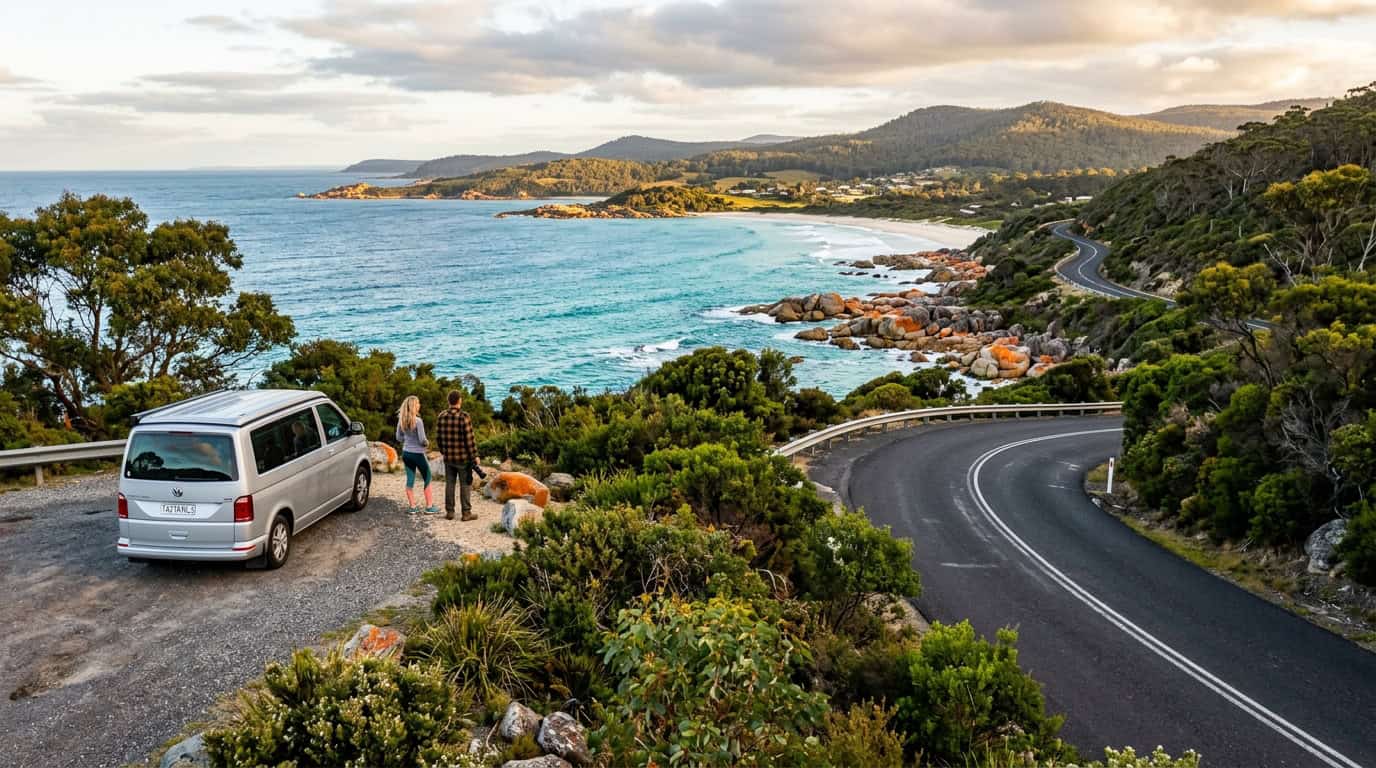
Your five day journey along the Great Eastern Drive begins in Orford, where the turquoise waters set a tranquil tone for the road ahead. On day one, I recommend grabbing a coffee and heading toward the cool climate vineyards of the Cranbrook region, where you can sample elegant Pinot Noir and crisp Riesling against a backdrop of rolling hills. By day two, you will arrive at the crown jewel of the coast, Freycinet National Park, to witness the breathtaking contrast between the white sands of Wineglass Bay and the rugged pink granite peaks of the Hazards. Spend your third day exploring the coastal trails or taking a boat tour to see the cliffs from the water before heading north toward Bicheno. This stretch of the drive is perfect for indulging in fresh local scallops and oysters pulled straight from the cold, pristine waters of the Tasman Sea.
The final leg of your adventure takes you toward the fiery orange lichen covered rocks of the Bay of Fires as you wind your way up to St Helens. On day four, take your time wandering through the secluded coves of Binalong Bay, where the sand is so powdery it squeaks beneath your feet. Your fifth day should be reserved for exploring the vibrant fishing port of St Helens, perhaps enjoying a final feast of locally caught fish and chips while watching the boats return to the harbor. As this coastline welcomes record numbers of visitors, I encourage you to travel mindfully by staying on designated paths and supporting small local businesses. Balancing our desire to explore these iconic landscapes with sustainable practices ensures that the delicate ecosystems of Maria Island and the Bay of Fires remain pristine for future generations.
Unforgettable Contrasts Along Tasmania’s Rugged East Coast
Exploring the Tasmanian East Coast is a journey of striking visual contrasts that will stay with you long after you leave. I found myself constantly captivated by the way the brilliant white sand of Wineglass Bay meets the dramatic, pink granite peaks of the Hazards in Freycinet National Park. With over 1.3 million visitors now heading to the island annually, it is clear that this region has become a premier destination for those seeking raw natural beauty. Whether you are trekking through the rugged terrain of Maria Island or photographing the orange lichen-covered rocks at the Bay of Fires, the landscape feels both ancient and inviting. It is a place where the air is crisp, the water is turquoise, and every turn in the road reveals a new vista worth savoring.
Planning your trip to this iconic coastline requires a balance between seeking adventure and respecting the delicate environment that makes it so special. I recommend starting your journey in the north at the Bay of Fires before winding your way south to take in the significant growth and history of Maria Island. Make sure to book your national park passes in advance, especially for popular spots like Freycinet, which sees over 260,000 visitors each year. Taking the time to slow down allows you to truly appreciate the local wildlife and the quiet moments between the major landmarks. This stretch of Tasmania offers a perfect blend of high-energy hiking and peaceful coastal reflection that defines the ultimate Tasmania hiking road trip.
Frequently Asked Questions
1. When is the best time to visit the Tasmanian East Coast to avoid the crowds?
With over 1.3 million people visiting annually, I recommend planning your trip during the shoulder seasons of late spring or early autumn. You will still enjoy those famous sun-drenched days and turquoise waters, but you will have a much easier time finding a quiet corner of the Bay of Fires to call your own.
2. How physically demanding is the hike to the Wineglass Bay lookout?
The trek up the Hazards is a heart-pumping journey with steep sections, but the well-maintained track makes it accessible for most hikers with a moderate fitness level. Your efforts are rewarded the moment that perfect crescent of white sand comes into view, making every drop of sweat worth it.
3. What makes Maria Island a must-see destination on the Great Eastern Drive?
Maria Island is a rare, car-free sanctuary that offers a deep sense of peace and raw wilderness. It is one of the best places to see local wildlife up close while exploring rugged coastlines that feel completely untouched by the modern world.
4. What should I pack for a trip along the East Coast?
The weather can be unpredictable, so I always suggest packing layers to handle the refreshing salt air and occasional breeze. Be sure to bring sturdy walking shoes for the granite peaks of Freycinet and plenty of sunscreen for those bright days on the sugar-white sands.
5. Are there any hidden gems away from the main tourist spots?
While Wineglass Bay is iconic, I love finding smaller, secluded inlets along the Great Eastern Drive where the orange lichen-covered boulders meet the sea. Taking the time to explore the lesser-known tracks often leads to a private sunrise show that feels like it was staged just for you.
6. Is the local seafood as good as everyone says?
The seafood here is incredibly fresh and is a defining part of the East Coast experience. I highly recommend stopping at local shacks along your journey to taste oysters and fish caught right from the pristine waters you have been admiring all day. Much like following a Great Ocean Road itinerary, exploring the Tasmanian coast is all about finding the ultimate Tasmania road trip itinerary for the best local stops along the way.