
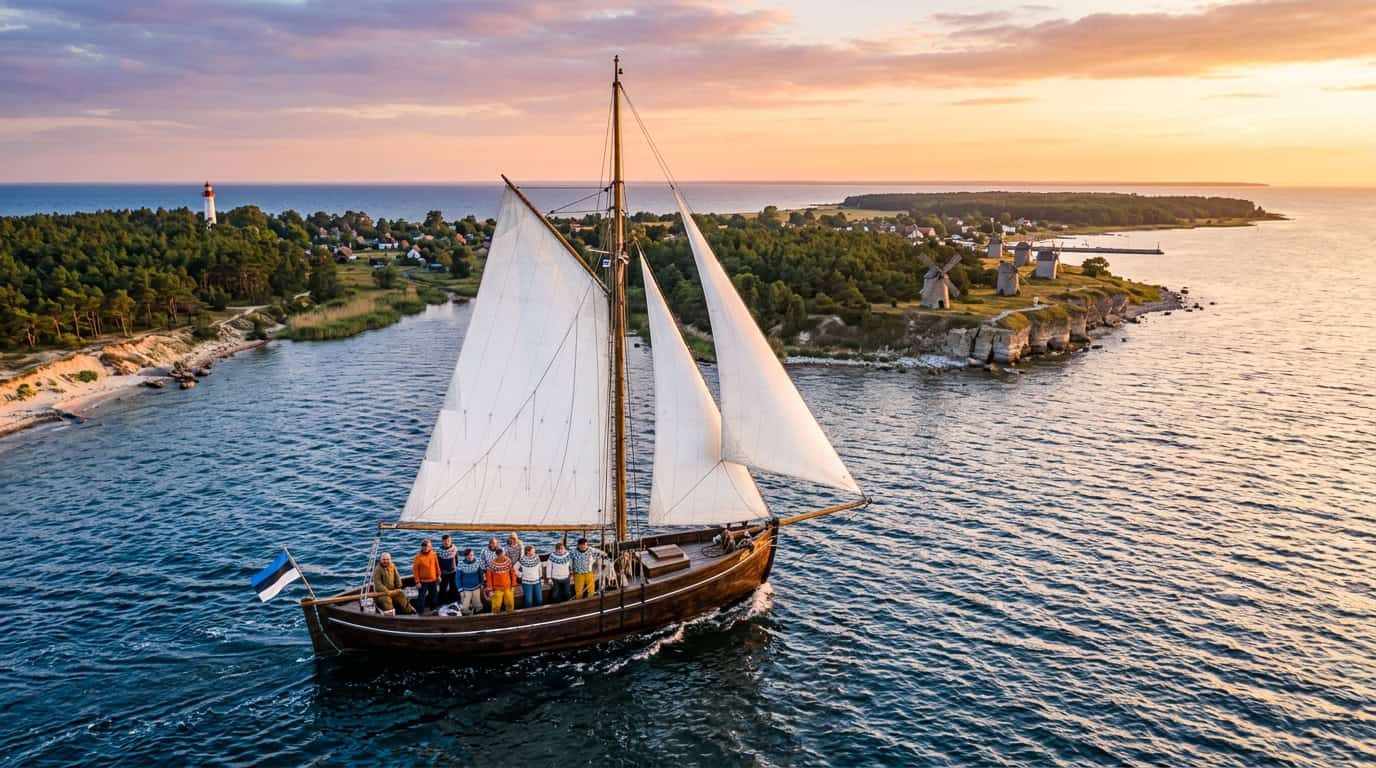
There is a haunting beauty in the way the Baltic mist lifts to reveal the juniper-strewn coastlines of the north, a sight that has defined my recent adventures with Estonian island hopping. In 2026, these 2,200 emerald outcrops offer a rare harmony where centuries-old windmills and thatched-roof cottages sit alongside seamless high-tech infrastructure. Whether I am navigating the sun-drenched causeways between Muhu and Saaremaa or finding stillness in the pine forests of Hiiumaa, the sense of rugged independence here is intoxicating.
To master this archipelago, you have to embrace both the ancient rhythm of the tides and the necessity of modern planning. I have learned the hard way that while the spirit of the islands is wild, the ferry slots for vehicles are a hot commodity that require booking weeks ahead during the midsummer peak. From catching a quick flight out of Tallinn to Kärdla to wandering the medieval streets of Kuressaare, every logistics choice is a gateway to a deeper connection with nature.
Key Takeaways
- Combine modern digital tools with traditional exploration by pre-booking ferry slots two weeks in advance and using the nationwide transit app to sync bus and ferry schedules.
- Explore the ‘Big Three’ islands—Muhu, Saaremaa, and Hiiumaa—to experience a unique blend of medieval stone castles, historic wooden windmills, and rugged maritime heritage.
- Visit the island of Kihnu to witness a UNESCO-recognized matriarchal society where women preserve ancient folk traditions, hand-woven crafts, and a unique communal lifestyle.
- Utilize regional flights from Tallinn to Kärdla or Kuressaare as a high-speed alternative to ferries for accessing the archipelago’s remote pine forests and coastal trails.
Navigating The Big Three Of Saaremaa Muhu And Hiiumaa
Your journey begins the moment you roll off the ferry onto Muhu, an island that feels like a living museum where time has slowed to a graceful crawl. I love starting here because the thatched roofs and hand painted doors of Koguva village offer the perfect introduction to the region’s deep-rooted folk culture. You can spend a quiet morning wandering past ancient stone walls and moss-covered fences before stopping to pick up a loaf of the famous local dark bread. It is a small island, but it packs a punch with its artisanal workshops and the quiet, mystical energy of its juniper forests.
After crossing the causeway, you will find yourself on Saaremaa, the largest of the islands and a place where medieval history meets a landscape dotted with iconic wooden windmills. My favorite stop is the capital, Kuressaare, where the massive stone castle stands guard over the town with its perfectly preserved moats and ramparts. You should definitely make time to visit the Angla Windmill Mount to see the traditional structures that have defined this horizon for centuries. For a truly unique experience, I recommend a detour to the Kaali meteorite craters, which feel like stepping onto another planet right in the middle of the Estonian countryside.
To complete the loop, take the ferry north to Hiiumaa, an island defined by its maritime heritage and a much more rugged, wilder feel. The highlight of any trip here is exploring the historic lighthouses, especially the Kõpu Lighthouse which is one of the oldest in the world. I spent hours climbing the narrow stairs of these coastal giants just to catch the panoramic views of the Baltic Sea crashing against the shore. It is a place for independent spirits, so I suggest renting a bike to explore the hidden beaches and quiet fishing villages at your own pace.
Immersive Traditions Of The Kihnu Island Matriarchy
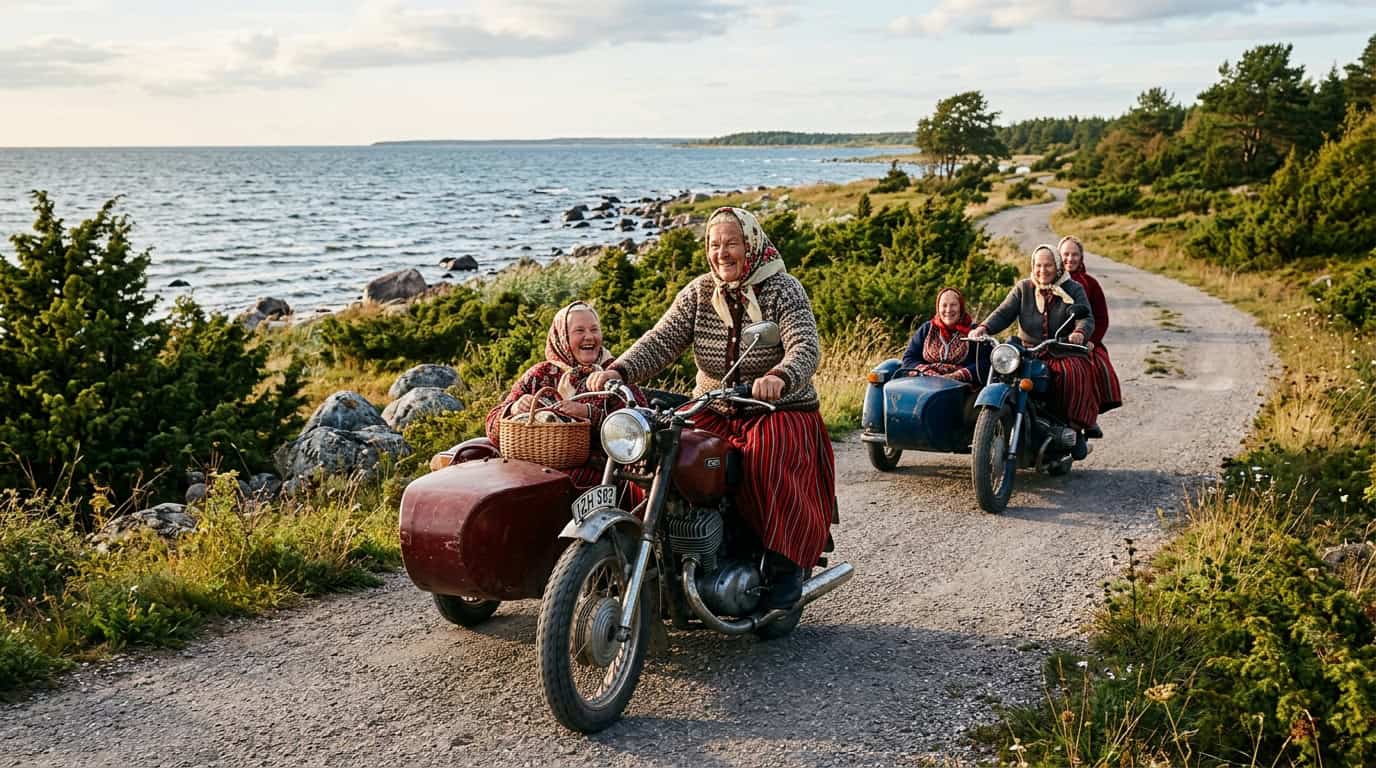
Stepping off the ferry onto Kihnu felt like entering a living time capsule where the rhythm of life is dictated by the sea and the strength of its women. As I wandered past the iconic lighthouse, I was immediately struck by the sight of local women zipping by on vintage sidecar motorcycles, their vibrant, hand-woven striped skirts fluttering in the breeze. These colorful garments, known as kört, are more than just clothing, as they signal the wearer’s marital status and mood through intricate patterns. Because the men were historically away at sea for months at a time, the women became the anchors of the community, managing everything from farm work to governance. This unique matriarchal society has preserved a way of life so distinct that it has earned a place on the UNESCO Intangible Cultural Heritage list.
The soul of the island truly comes alive during their traditional song and dance gatherings, which I was lucky enough to witness firsthand. Sitting in a communal circle, I watched as generations of women joined voices to perform ancient runic songs that have been passed down for centuries. Their movements are graceful and purposeful, turning every celebration into a masterclass in cultural preservation and resilience. It is deeply inspiring to see how the younger generation embraces these customs, ensuring that the Kihnu dialect and folk arts remain a vibrant part of their modern identity. If you plan to visit, I highly recommend checking the local cultural calendar to time your trip with a village feast or a wedding celebration.
To reach this matriarchal paradise, you will need to catch a ferry from the Munalaid harbor on the mainland, which is a scenic journey across the Gulf of Riga. I suggest booking your tickets online well in advance since the smaller vessels fill up quickly, especially during the warm summer months. Once you arrive, the best way to explore is by renting a bicycle to navigate the narrow forest paths and coastal roads at your own pace. Make sure to stop at the Kihnu Museum to deepen your understanding of their maritime history before heading to a local homestay for a taste of traditional smoked fish. This island offers a rare chance to disconnect from the frantic modern world and immerse yourself in a community that values heritage above all else.
Essential Logistics For Seamless Baltic Sea Travel
Navigating the Baltic Sea has never been more effortless thanks to the modernization of the regional ferry fleet, which now includes silent, eco-friendly electric vessels. I highly recommend pre-booking your vehicle slot online at least two weeks in advance if you plan on visiting during the sunny peak of July. The transition from the mainland to the juniper-scented air of Muhu or Hiiumaa is remarkably smooth, often taking less than thirty minutes. While on board, you can grab a coffee and watch the coastline fade away, knowing that these modern ferries are designed to handle the unpredictable Baltic water with ease. The efficiency of these crossings ensures that you spend less time idling in ports and more time exploring hidden windmills and coastal trails.
To truly master the art of island hopping, you should download the nationwide transit app to coordinate your entire journey from a single screen. This digital tool is a lifesaver for syncing regional bus schedules with ferry arrivals, allowing you to traverse the islands without ever needing a rental car. For those who are short on time, I often suggest checking the app for regional flights from Tallinn directly to the heart of Saaremaa or Hiiumaa. It is incredibly satisfying to book a bus from a remote village like Kihnu and see it align perfectly with your next maritime connection. This integrated system allows for a seamless flow between the traditional folk cultures of the smaller isles and the modern hubs of the larger ones.
Planning your logistics around the Big Three islands of Saaremaa, Hiiumaa, and Muhu provides a solid foundation for any Estonia island hopping adventure. I found that using the local bus network is not only cost-effective but also offers a more intimate look at the passing countryside and historic stone fences. If you are heading to the smaller, more remote islands like Vormsi or Ruhnu, be sure to check the specific seasonal schedules as these routes are more sensitive to weather patterns. Always keep a flexible mindset and a charged phone to access real-time updates on departures and arrivals. With these digital tools at your fingertips, you can focus entirely on the magic of the landscape rather than the stress of the commute.
A Seven Day Estonian Island Hopping Itinerary
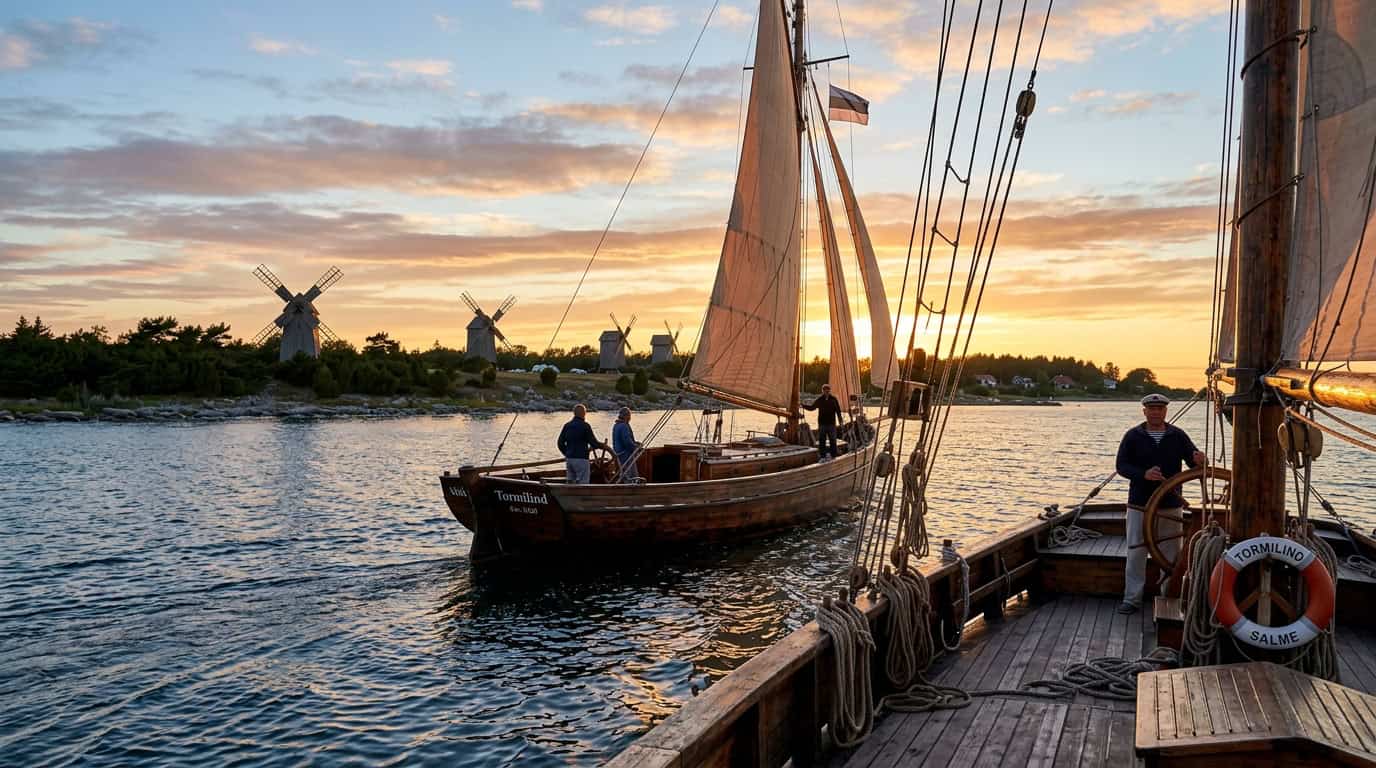
Your seven day journey begins in Tallinn Old Town before heading west to the quiet, forest-covered shores of Vormsi. This island is a hidden gem where Swedish heritage meets Estonian nature, and it is best explored by bicycle along the coastal trails. I spent my first afternoon cycling to the Saxby lighthouse, stopping at a small roadside stand to buy warm, oak-smoked fish wrapped in parchment paper. The scent of the juniper bushes and the salty Baltic breeze makes for an unforgettable introduction to the archipelago’s slower pace of life.
After soaking in the silence of Vormsi, we head south toward the legendary island of Saaremaa to witness its iconic wooden windmills and the massive meteorite crater at Kaali. I highly recommend spending a morning hiking the Panga cliff trails, where the limestone drops dramatically into the sea, offering the perfect vantage point for photos. From there, the itinerary takes a cultural turn as we board a smaller vessel to Kihnu, an island famous for its vibrant folk culture. Watching the local women zoom past on vintage motorcycles while wearing their traditional hand-woven red skirts is a sight you simply cannot find anywhere else in the world.
The final leg of the trip involves a longer ferry ride to the remote island of Ruhnu, situated deep in the Gulf of Riga. This island feels like the edge of the world, featuring some of the most beautiful singing sands and oldest wooden churches in the region. I spent my last evening there walking the Limo beach trail, listening to the unique squeaking sound the sand makes underfoot while the sun dipped below the horizon. It is the perfect place to reflect on a week of island hopping before catching the small plane or ferry back to the mainland.
Finding Stillness Among the Baltic Gems
Reflecting on my time spent drifting between these Baltic gems, it is the profound silence of the Estonian archipelago that stays with me the most. There is a rare, meditative quality to the air when you are standing beneath a weathered wooden windmill in Saaremaa or cycling past the colorful, hand-woven skirts of the women on Kihnu. These islands offer a sanctuary where the rush of modern life is replaced by the rhythmic creak of old gates and the gentle lapping of the sea against limestone shores. It is a place where you can truly disconnect from the digital noise and reconnect with a more grounded, traditional way of living.
For your 2026 adventure, choosing the path less traveled through these 2,200 islands provides a perfect blend of ancient folk culture and effortless nature. Whether you are navigating the modern ferry systems to reach the juniper forests of Hiiumaa or taking a tiny plane to the remote shores of Ruhnu, the journey is as rewarding as the destination. I highly recommend booking your vehicle slots on the regional ferries well in advance to ensure your island hopping remains stress free and flexible. This corner of the world remains a premier choice for independent travelers seeking authenticity, fresh smoked fish, and the simple joy of a sunset over a quiet coastline.
Frequently Asked Questions
1. When is the best time to plan an Estonian island hopping adventure?
The magic of the islands truly shines in the summer months, particularly around midsummer when the days are endless and the sun stays high. If you want to avoid the crowds while still enjoying the warmth, late spring and early autumn offer a peaceful atmosphere and stunning natural colors.
2. How do I handle transportation between the islands?
You can easily drive between Muhu and Saaremaa via a scenic causeway, but reaching the other islands requires a ferry or a quick flight from Tallinn. I highly recommend booking your vehicle ferry slots several weeks in advance during the peak season because spaces fill up incredibly fast.
3. What makes Muhu island worth a stop on my itinerary?
Muhu feels like a living museum and is the perfect place to experience traditional Estonian folk culture and ancient stone walls. You must visit Koguva village to see the thatched roofs and hand painted doors, and do not leave without trying a loaf of their famous local dark bread.
4. What should I prioritize when visiting Saaremaa?
Saaremaa is all about medieval history and iconic wooden windmills scattered across the landscape. You should spend plenty of time in the capital of Kuressaare to explore the massive stone castle and wander through its charming, historic streets.
5. Is it possible to fly to the islands instead of taking the ferry?
Yes, you can catch a quick and convenient flight from Tallinn to Kärdla on Hiiumaa if you want to save time. This is a fantastic option if you are looking to skip the ferry queues and get straight into the pine forests and coastal beauty.
6. What is the general vibe of a trip through the Estonian archipelago?
The experience is a beautiful blend of rugged independence and modern convenience where ancient traditions meet high tech infrastructure. You will find yourself constantly inspired by the harmony of juniper-strewn coastlines and the quiet, mystical energy of the forests. Before you set sail, you might want to Tallinn Old Town walk to see the medieval roots of the mainland.