
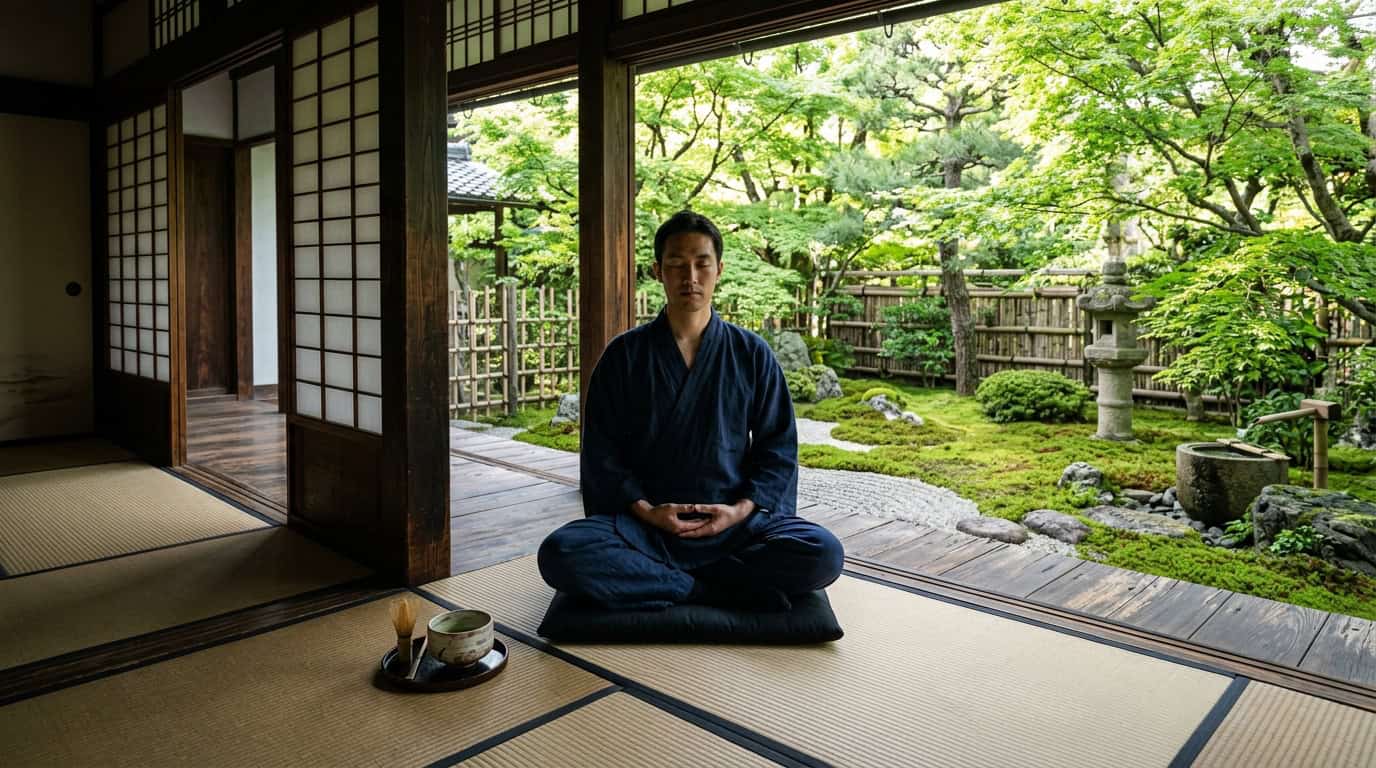
Imagine waking up at dawn to the rhythmic sound of a wooden temple gong, the air cool and scented with sandalwood incense. A kyoto temple stay, or shukubo, is more than just a place to sleep; it is an invitation to step inside a living tradition that has remained largely unchanged for centuries. I still remember the peaceful hum of morning prayers echoing through the halls of a 400-year-old wooden temple, a moment that felt worlds away from the neon lights of modern Japan.
These spiritual retreats are evolving, blending ancient rituals like zazen meditation and sutra copying with the comfort of modern amenities. You can spend your evening savoring shojin ryori, a vibrant multi-course vegetarian feast, before tucking into a cozy futon spread across fragrant tatami mats. Whether you are seeking a simple, humble room or a high-end immersive retreat, staying within these sacred grounds offers a profound sense of clarity and connection that stays with you long after you leave.
Key Takeaways
- A Kyoto temple stay, or shukubo, offers a profound spiritual immersion through participation in ancient daily rituals like pre-dawn chanting and zazen meditation.
- Dining on shojin ryori, a traditional Buddhist vegetarian cuisine, provides a mindful culinary experience centered on the harmony of five colors and five flavors.
- While shukubo stays prioritize tradition and simplicity, many modern retreats now integrate updated amenities like Wi-Fi and climate control to balance comfort with heritage.
- Travelers should book several months in advance and budget for Kyoto’s modest accommodation tax, which directly supports the preservation of these historic religious sites.
Morning Prayers And Zen Meditation Rituals
The pre-dawn air in a Kyoto temple has a stillness that feels almost heavy, broken only by the sharp, rhythmic strike of a wooden block gong. Waking up at 5:00 AM in a shukubo is a sensory jolt that immediately pulls you out of your warm futon and into a world of ancient tradition. As I walked through the dim, polished corridors toward the main hall, the scent of sandalwood incense grew stronger with every step. The monks moved with a quiet, deliberate grace that made even the act of sitting down feel like a sacred ritual. It is a powerful way to start the day, stripping away the noise of modern life before the sun has even crested the horizon.
Once we were settled on our cushions, the low, resonant hum of communal chanting began to vibrate through the floorboards. I found myself mesmerized by the synchronized voices of the monks, a deep drone that felt both grounding and incredibly surreal. Following the prayers, we transitioned into zazen meditation, focusing on our breath while gazing at the shadows dancing on the paper screens. The discipline required to sit perfectly still in the morning charge is challenging, but it creates a profound sense of mental clarity. By the time the ritual concluded, I felt a deep connection to the spiritual heart of Japan that no typical hotel stay could ever provide.
The Art Of Shojin Ryori Vegetarian Cuisine
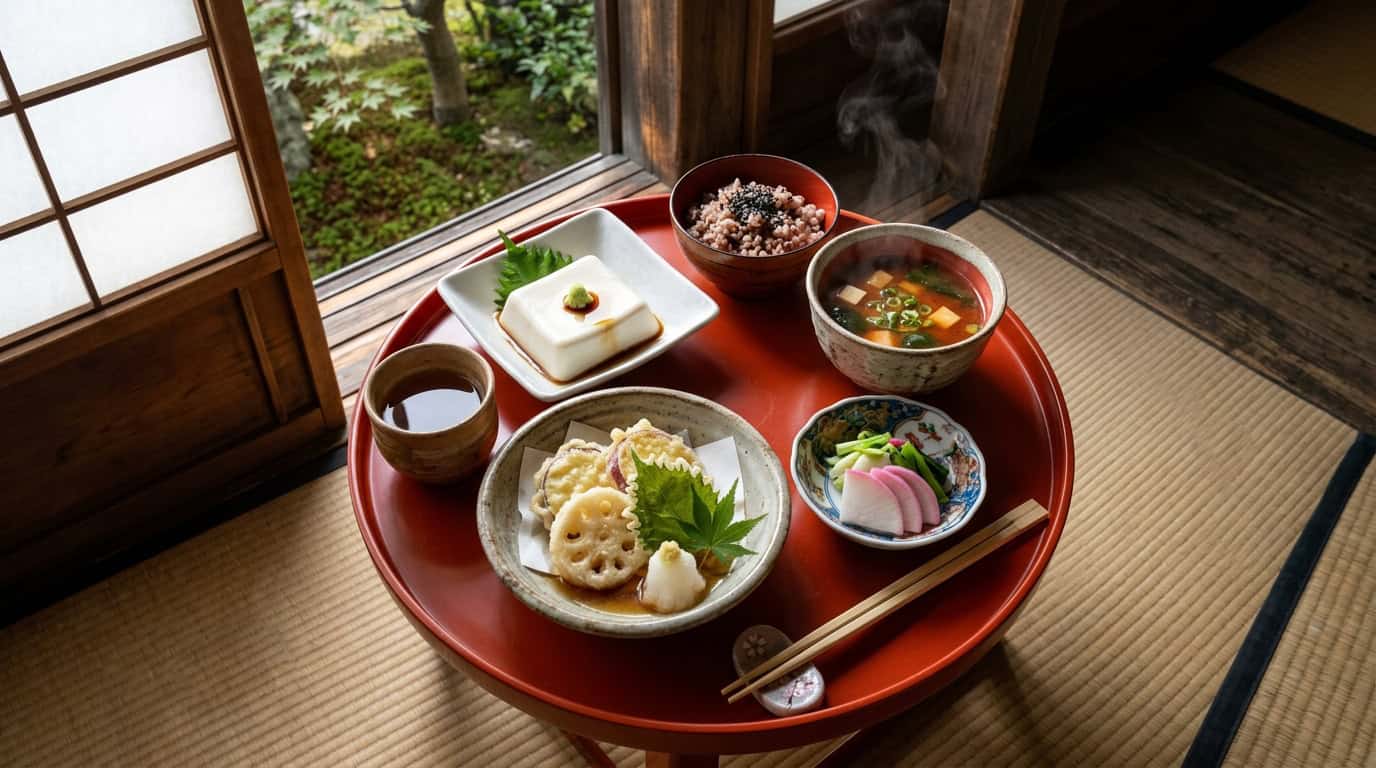
Sitting down on the tatami mat for my first taste of shojin ryori felt less like a standard meal and more like a sacred ritual. This traditional Buddhist vegetarian cuisine is built upon the philosophy of five colors and five flavors, ensuring that every dish provides a harmonious balance for both the body and the mind. As I looked at the beautifully arranged lacquer trays, I was struck by how the monks transformed simple ingredients into works of art. The meal began with a delicate sesame tofu that was incredibly creamy, followed by a clear broth infused with the subtle scent of kombu. It is amazing how much flavor can be extracted from plants when you approach cooking with such deep intention and presence.
The true magic of the multi-course experience lay in the seasonal mountain vegetables that felt like they were plucked from the temple gardens just moments before. I savored pieces of crispy vegetable tempura and simmered bamboo shoots that offered a satisfying crunch and an earthy sweetness. Each bite served as a reminder of the Buddhist principle of ahimsa, or non-violence, as no animal products are used in the preparation of these dishes. Between the tender pickles and the perfectly steamed rice, I found myself eating much slower than usual to appreciate the textures. This mindful approach to dining turned a simple dinner into one of the most memorable and grounding highlights of my entire stay in Kyoto.
Beyond the physical nourishment, shojin ryori offers a profound spiritual connection to the natural world and the changing seasons. The monks believe that preparing and consuming food is an extension of their meditative practice, which is why every ingredient is used entirely to avoid waste. As I finished my meal in the quiet hall, I felt a sense of clarity and lightness that I rarely experience after a heavy dinner at home. For anyone planning a shukubo stay, I highly recommend arriving with an open heart and a curious palate to fully embrace this culinary tradition. It is a beautiful way to slow down and taste the quiet, disciplined soul of Kyoto through its most humble and honest ingredients.
Navigating Shukubo Logistics And The New Tourism Tax
Securing a spot at a traditional shukubo requires a bit more foresight than booking a standard hotel, as many of these sacred sites still prefer direct inquiries or specialized reservation platforms. When I first planned my stay, I found that the most authentic temples often open their calendars only a few months in advance, so I recommend checking availability early to secure a room with a garden view. While you will find tatami mats and futon bedding as the standard, many renovated temples now offer modern amenities like Wi-Fi and updated heating to balance tradition with convenience. I suggest packing a pair of warm socks and a respectful set of clothes for the morning prayers, as the wooden halls can be quite chilly in the early hours. These small logistical details ensure that you can focus entirely on the spiritual atmosphere rather than worrying about your physical comfort.
Budgeting for your Kyoto retreat now requires a small adjustment due to updated accommodation tax regulations affecting historic and religious stays. While shukubo rates typically range from 6,000 to 10,000 yen per person, this tax is a modest per-night fee that contributes directly to the preservation of the city’s incredible cultural heritage. I found that factoring this into my initial budget was simple, and it felt like a small way to give back to the monks who maintain these centuries-old structures. Most temples prefer that you pay this tax in cash upon arrival, so it is wise to keep some yen handy for a smooth check-in process. This contribution ensures that future travelers can continue to experience the quiet beauty of Zen meditation and the exquisite flavors of shojin ryori cuisine, much like those seeking to go beyond the golden route to find the country’s most authentic corners.
Finding Stillness in a Kyoto Shukubo
Reflecting on my time in a Kyoto shukubo, it is the profound stillness of the pre-dawn hours that lingers most in my memory. While the city outside eventually wakes to its usual bustle, the rhythmic chanting of the monks and the scent of incense create a sanctuary that feels untouched by time. This experience is more than just a place to sleep, as it offers a rare chance to slow down and reconnect with your inner self. I found that the simplicity of the tatami rooms and the mindful ritual of shojin ryori redefined my understanding of luxury. Taking this time to step away from the digital world allowed me to appreciate the subtle beauty of a moss garden or the precise pour of a tea ceremony.
I truly encourage every traveler to seek out this cultural connection because it provides a perspective on Japan that a standard hotel simply cannot match. Whether you are participating in zazen meditation for the first time or carefully copying sutras by candlelight, these moments foster a deep sense of peace. You do not need to be a Buddhist to appreciate the hospitality and the intentional way of living practiced within these wooden walls. It is a transformative addition to any itinerary, offering a spiritual journey anchor amidst the excitement of your Japanese adventure. As you plan your trip, remember that these quiet encounters often become the stories you cherish the most, much like discovering the soul of Japan through its regional flavors and hidden gems.
Frequently Asked Questions
1. What exactly is a shukubo experience?
A shukubo is a traditional temple lodging where you live alongside monks and participate in their daily spiritual life. You will sleep on comfortable futons on tatami mats and have the rare opportunity to join sacred rituals that have been practiced for centuries.
2. Do I need to be Buddhist to stay at a Kyoto temple?
Not at all, as these temples welcome guests of all faiths and backgrounds with open arms. The experience is about finding personal peace and cultural connection rather than religious conversion.
3. What should I expect during the morning prayer service?
You will wake before dawn to the sound of a temple gong and gather in the main hall for rhythmic chanting and incense offerings. It is a deeply meditative experience that vibrates through the wooden floors and sets a serene tone for your entire day.
4. What kind of food is served during a temple stay?
You will be treated to shojin ryori, which is a sophisticated and colorful multi-course vegetarian feast rooted in Zen principles. These meals use seasonal vegetables and tofu to create flavors that are incredibly delicate and satisfying.
5. Are there modern amenities available in these ancient temples?
Many temples now offer a beautiful blend of heritage and comfort, including updated bathroom facilities and cozy bedding. While the setting is historic, you will find that the hospitality is top notch and designed to make you feel completely at home.
6. What is zazen meditation like for a beginner?
Zazen is a seated meditation practice where you focus on your breath and posture to clear the mind of daily clutter. Monks will gently guide you through the process, making it an accessible and transformative practice even if you have never meditated before.