

An airport layover guide can make the difference between a calm coffee and a frantic sprint to the gate. I once watched a seemingly generous two-hour connection disappear after a terminal change, a security line, and a long trek through a sprawling airport. Since then, I have learned that a layover is never just a number on a ticket. It is a carefully planned part of the journey.
The safest connection depends on the airport, itinerary, and what happens between flights. Changing terminals, clearing immigration or customs, reclaiming baggage, or traveling on separate tickets can all add time. I always check the airport-approved minimum connecting time, then build in extra room for delays and unfamiliar layouts. With the right plan, even a long pause between flights can become a chance to enjoy a quiet meal, stretch my legs, or catch a glimpse of a new city.
Key Takeaways
- Treat the airport’s published Minimum Connecting Time as a baseline, not a guarantee, and add extra buffer for delays, unfamiliar layouts, terminal changes, border controls, baggage recheck, and repeat security screening.
- Confirm your terminal, gate, baggage arrangements, and transfer route before settling in; separate tickets and international-to-domestic connections often require additional steps and leave you responsible for missed connections.
- Use long layovers for practical recovery—lounges, airport hotels, showers, meals, charging, and walking—but keep essentials in your carry-on, set alarms, monitor gate changes, and preserve ample time to reach the gate.
- Leave the airport only when you have a generous buffer, reliable transport, confirmed visa and entry requirements, checked-through bags, and enough time for the return trip, customs, immigration, and security.
Choosing A Safe Layover Time
I treat the published connection time as a starting point, not a guarantee that I will make my flight. IATA Minimum Connecting Time, or MCT, is the shortest scheduled interval approved for transferring passengers and baggage between specific flights at a particular airport. Because it varies by airport, terminal, airline, and itinerary, it is more useful than a universal rule such as “one hour is enough.” A connection between nearby gates may be simple, while one involving a terminal change, a long shuttle ride, or a second security screening can feel completely different.
Before booking, I check whether I must clear immigration, collect and recheck my bags, pass customs, or move between separate tickets. International arrivals may require extra formalities even when the next flight is domestic. Separate tickets also leave me responsible for missed connections instead of protecting me under a single itinerary. I consider the airport’s layout, my familiarity with it, and whether I am traveling during a busy holiday period. These details can turn a seemingly comfortable two-hour layover into a rushed dash through passport control and security.
For peace of mind, I add a personal buffer beyond the MCT, especially when my inbound flight could be delayed or I am carrying checked luggage. I prefer more time at an unfamiliar airport, during a terminal transfer, or on an international connection. A longer layover can also leave room for a meal, a lounge visit, or a brief reset between flights. If I am considering leaving the airport, I allow additional time for transportation, reentry, security, and unexpected queues. My goal is not simply to find the shortest permitted connection, but to choose a window that lets me move calmly and still enjoy the journey.
Navigating Terminals And Baggage

I start every connection by checking the airport app or departure screens for my gate, terminal, and any last-minute changes. An airport map helps me estimate walking time, locate trains or shuttles, and find restrooms, lounges, and quiet seating before I leave the arrival area. From there, I follow signs marked “Connections,” “Transfers,” or “Flight Connections” rather than automatically heading toward baggage claim. If the route feels confusing, I ask an airport information desk for help while I still have plenty of time.
On U.S. international connections, travelers generally clear immigration and customs at their first U.S. airport, even when the final destination is another American city. I confirm at the departure airport whether my luggage is checked through to the final destination, then look for instructions about reclaiming and rechecking it after customs. In many cases, I must collect my bags, pass through customs, hand them to a connecting-bag counter, and go through security again. A terminal change, separate tickets, or an overnight connection can add extra steps, so I avoid treating the minimum connection time as a comfortable buffer.
Once the practical details are clear, I decide how to use the layover without losing track of my next flight. A lounge can provide a calm place to recharge, but I still set an alarm and check the walking time back to the gate, especially at sprawling airports where a shuttle or train is required. For a long connection, I keep essentials such as medications, chargers, documents, and a change of clothes in my carry-on in case checked luggage is delayed. That simple preparation leaves me free to enjoy a meal, stretch my legs, or watch the airport’s changing stream of travelers with much less stress.
Making A Long Layover Comfortable
I start by checking the airport map and my next-gate location before settling in, since a terminal change or another security screening can quickly consume a long layover. If I have several hours and lounge access through airline status, a credit card, or a day pass, I look for a lounge with showers, quiet seating, reliable Wi-Fi, charging points, and food that fits my schedule. I usually arrive early enough to enjoy a meal and a shower without watching the clock, then leave the lounge with plenty of time to reach the gate. When lounge access costs extra, I compare the price with what I would otherwise spend on dining, drinks, Wi-Fi, and a comfortable seat. On one especially long connection, that quiet space turned a noisy airport morning into a surprisingly restorative break.
For an overnight or especially lengthy airport layover, an airport hotel or day room can be worth the expense, particularly after an overnight flight. I check the room location, shuttle or walking route, check-in window, and cancellation policy before booking. I also allow extra time for immigration, customs, baggage reclaim, and security if the airport requires those steps between flights. A shower alone can make a dramatic difference, but a short nap is only relaxing when I set two alarms and leave a generous buffer for the return to my terminal. If I do not book a room, I create an airport base near a dining area and charging station. I keep my passport, phone, and boarding details close, and I use luggage storage only when the facility is secure and permitted for my itinerary. I avoid checking bags for a separate ticket without confirming who handles them, because collecting and rechecking luggage can turn a leisurely connection into a rushed one.
A few gentle laps through the terminals can help me reset after sitting on a plane. Many airports also offer art displays, observation areas, gardens, or bright windows that make a short walk feel like a mini excursion. I keep the first and last parts of the layover practical, using the middle for lunch, a lounge visit, a shower, or a walk. I also check the departure board regularly for gate changes. Leaving the airport is realistic only when I have a generous buffer and have confirmed visa, entry, baggage, and terminal requirements. The advertised layover length is not the time I truly have to explore. For most connections, I aim to be back at the gate well before boarding, especially when I must clear security again or travel on separate tickets. With that simple plan, even a long wait can become a calm pause instead of dead time.
Leaving The Airport For A Mini Itinerary
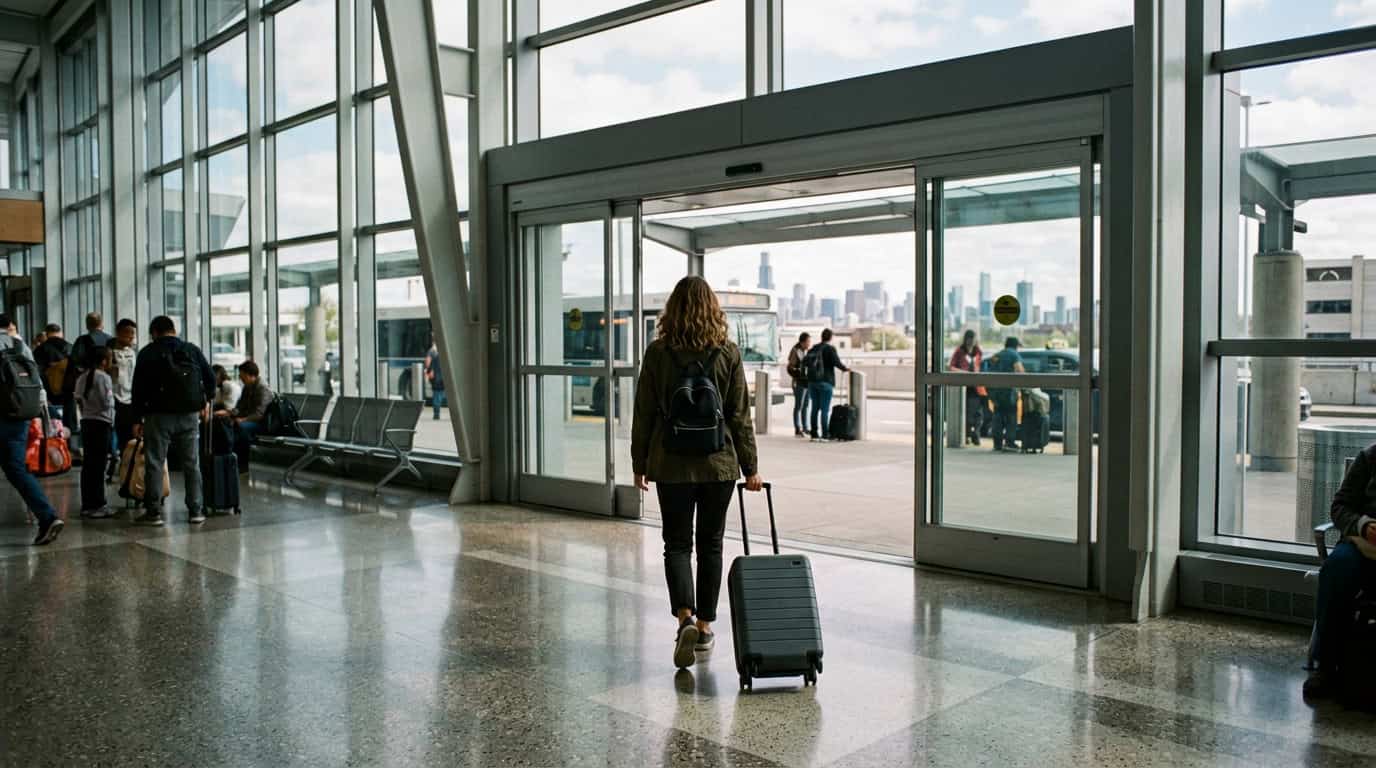
Leaving the airport can turn a long connection into a memorable mini adventure, but I first look beyond the number of hours on my ticket. For me, an airport layover becomes realistic with roughly eight or more hours when the airport is close to the city, transit is reliable, and I am traveling on one ticket with bags checked through. I stay airside when the connection requires a terminal change, immigration, customs, baggage collection, or a second security screening that could consume most of the available time. I also check visa and transit visa rules before departure, since stepping outside the airport means I must be legally allowed to enter the country. A generous buffer matters more than squeezing in one extra attraction, especially when traffic, train disruptions, or long reentry lines are possible.
For example, with a nine-hour layover at Amsterdam Schiphol, I would store my carry-on at the airport, take the direct train to Amsterdam Centraal, and spend about two hours strolling the Jordaan’s canals and browsing its inviting streets. I would then enjoy one relaxed meal near the Nine Streets rather than trying to visit several museums or neighborhoods. Afterward, I would return directly to Schiphol, allowing at least three hours before departure for the train ride, airport navigation, passport control, and security. This simple route would give me a taste of Amsterdam without turning the connection into a stressful race. I would confirm that I could enter the Schengen Area, and I would avoid this plan entirely if my ticket required collecting and rechecking baggage on a tight schedule.
Before leaving, I write down the terminal, departure time, airport transfer route, and a firm turnaround time that I will not negotiate. I also check whether my bags are checked through, whether I must clear customs on arrival, and whether returning passengers face another security or immigration process. If the airport sits far from the city or rush-hour traffic can make the journey unpredictable, I choose a lounge, shower, meal, or quiet area inside the airport instead. A mini itinerary should leave me refreshed and curious, not watching the clock from the back of a taxi. My rule is conservative: I return with enough time to handle delays and still reach the gate comfortably before boarding closes.
Plan Every Layover Like a Pro
A successful layover depends less on the number of hours in my itinerary than on the steps required between flights. I always check whether I need to change terminals, clear immigration or customs, collect and recheck luggage, pass through security again, or manage separate tickets before deciding how much time I truly have. A short connection on one ticket may be simpler than a longer one involving a terminal transfer and a new security screening. Once those details are clear, I can choose a realistic plan, whether that means heading straight to the gate, settling into a lounge, or finding a quiet corner to rest.
A well-planned airport layover can become a gentle introduction to a trip rather than a stressful interruption. If the airport is convenient, my bags are checked through, and border and security requirements leave enough time, I may enjoy a nearby meal or a brief visit to the city. I never leave without confirming the return journey and building in a generous buffer. Even staying inside the airport can feel worthwhile when I have a comfortable lounge, a shower, a good meal, or a simple plan for stretching and recharging. By planning around real transfer requirements, I can turn waiting time into an opportunity to rest, explore, and begin the journey with confidence.