
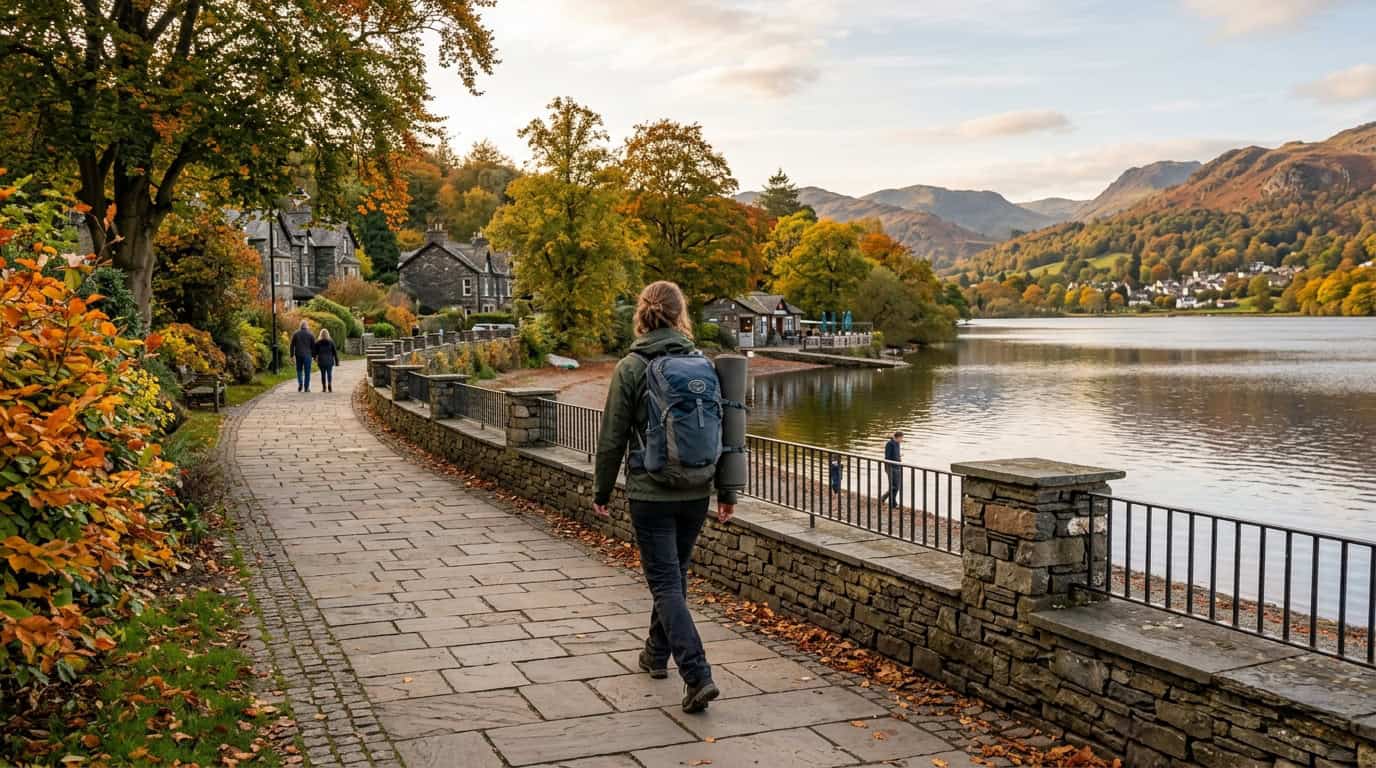
I’ve found that shoulder-season travel can turn a crowded, costly getaway into something far more memorable. On a September trip through Europe, I wandered sun-warmed streets, lingered over long lunches, and found room to breathe at landmarks that had felt overwhelming in summer. With fewer crowds, milder weather, and often better value, spring and autumn offer a refreshing alternative to peak-season travel.
Shoulder season is not the same everywhere, and it does not guarantee cheap flights or open attractions. I always check local festivals, school holidays, resort schedules, and weather patterns before booking. I also build flexible plans for the occasional rainy day. Choose your destination and timing carefully, and you may discover a more relaxed, authentic side of a place you thought you already knew.
Key Takeaways
- Traveling during shoulder season—typically spring or autumn in temperate destinations—often provides milder weather, lighter crowds, and better value than peak season.
- Shoulder-season timing varies by destination, so check local weather patterns, festivals, school holidays, seasonal business hours, transport schedules, and attraction availability before booking.
- Plan flexibly by comparing nearby travel dates, reserving essential experiences early, and leaving room for weather changes, closures, and spontaneous discoveries.
- Pack adaptable layers, comfortable walking shoes, and rain protection, and prepare indoor or alternative activities in case conditions disrupt outdoor plans.
Introduction To Shoulder Season Travel
Shoulder season is the stretch between a destination’s busiest and quietest travel periods, and it is often when I find the best balance for a trip. In many temperate destinations, that means spring or autumn, when gardens are blooming, walking trails are comfortable, and popular sights feel less hurried than they do in midsummer. I especially enjoy traveling in April, May, September, and October, when a slower pace leaves more room for lingering over local meals or taking an unplanned scenic detour. The exact timing varies, however, depending on weather, school holidays, festivals, and seasonal business hours.
I never assume that shoulder season automatically means rock-bottom prices or empty streets. A major event can increase demand, while pleasant weather or growing interest in off-peak travel can keep flights and accommodations busy. Instead, I compare dates carefully, check which attractions and transport links are operating, and look for flexibility around weekends and local holidays. With a little planning, shoulder season can offer a refreshing mix of lighter crowds, comfortable conditions, and better value without sacrificing the experiences that drew me to a destination.
Choosing Shoulder Season Destinations
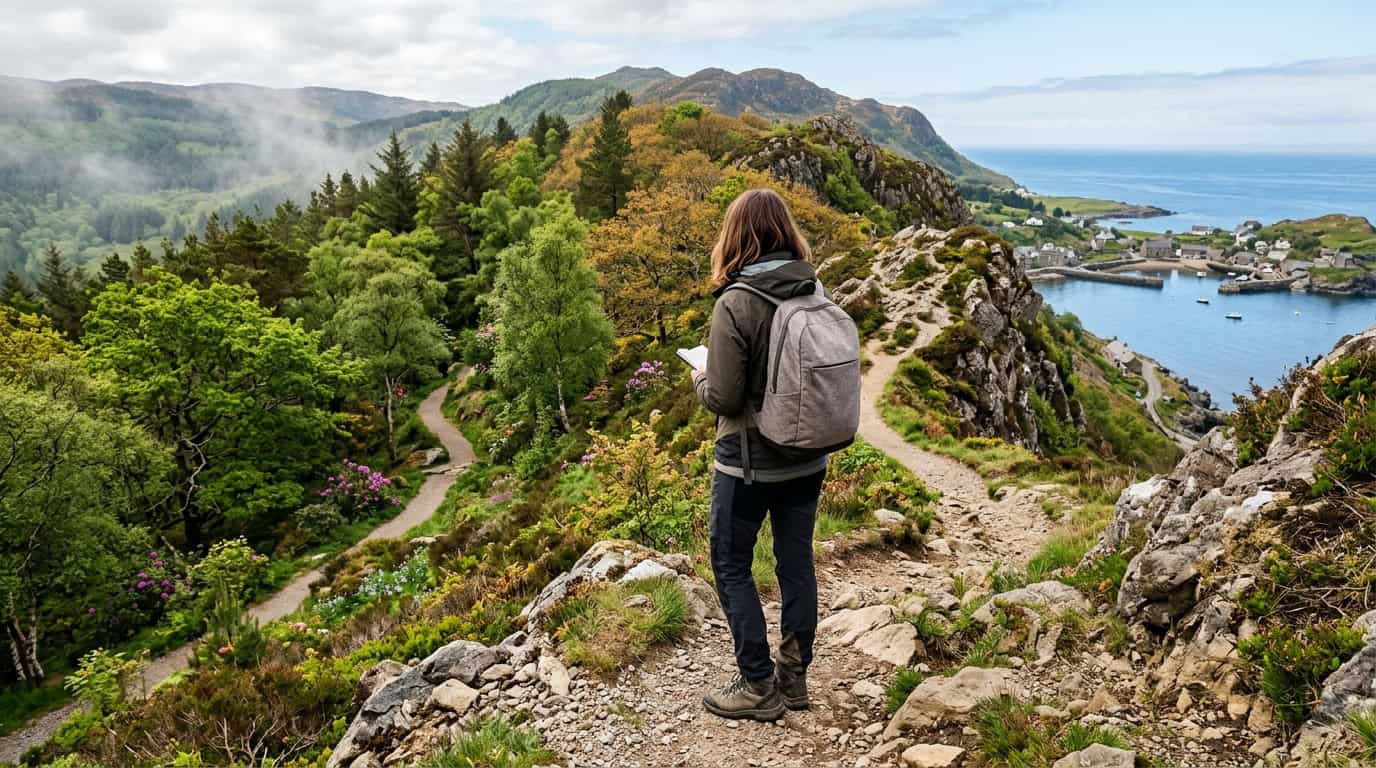
I usually start by identifying when a destination shifts between its busiest and quietest periods, then checking the details that make those months comfortable. Across much of Europe, April to May and September to October can bring mild temperatures, blooming gardens, harvest colors, and fewer visitors, although school holidays and major festivals may still raise prices. The Mediterranean often feels especially inviting in late spring or early autumn, when coastal towns are warm enough for swimming and historic sites are easier to explore before the summer heat. I also check local event calendars, since a small-town festival or cultural celebration can add wonderful energy while briefly increasing demand.
The best shoulder months change dramatically outside temperate Europe, so I never rely on a universal spring or autumn rule. In the Caribbean, late April through early June may offer a quieter break before the peak of hurricane season. Travelers planning late-summer or autumn trips should monitor official forecasts, flexible cancellation policies, and resort schedules. Mountain destinations can be ideal in late spring or early autumn for hiking, scenic drives, and lower rates, but ski lifts, trails, and village restaurants may operate on reduced schedules between seasons. A quick review of rainfall patterns, sea temperatures, daylight hours, and open attractions helps me avoid arriving when the scenery is beautiful but the activities I want are unavailable.
Changing climate patterns make flexibility even more valuable when choosing shoulder-season destinations. Earlier heat waves, warmer autumns, shifting rainy seasons, and unpredictable storms can move a destination’s most comfortable travel window from year to year. I compare recent weather trends with long-term averages, then build in backup plans such as museums, food tours, or nearby lower-elevation excursions. When I choose dates with pleasant conditions, lighter crowds, and open local businesses, I get more than a lower price. I experience the destination at a slower, more welcoming pace.
Shoulder Season Savings And Crowds
I often find that shoulder-season travel delivers the best balance between value and experience. Hotel rates may drop after the summer rush or before the winter holidays, and airfare can be more manageable when demand softens. I have also enjoyed finding open tables at popular restaurants and walking into attractions with little more than a short wait. Those savings add up, leaving more room in my budget for a scenic train ride, a memorable meal, or an extra night in town.
The quieter pace can change the way a destination feels. In early autumn, I might explore a historic center before the streets fill, then linger over coffee while locals begin their day. Museums, national parks, and famous viewpoints are often easier to enjoy without peak-season crowds, although some attractions may operate on reduced schedules. I always check opening hours and reserve essential experiences in advance, especially in destinations where lighter crowds do not mean having the place entirely to myself.
Shoulder-season savings are never guaranteed, because popular dates can bring high-season demand in disguise. A local festival, school break, holiday weekend, or stretch of pleasant weather can push up hotel rates, airfare, and restaurant waits. Growing interest in shoulder-season travel is also making some once-quiet periods busier. Before booking, I compare several nearby dates and check the local events calendar. I also review cancellation policies in case prices change. With that small amount of planning, I can target the calmest and most affordable window instead of assuming every spring or autumn week will be a bargain.
Planning A Shoulder Season Itinerary
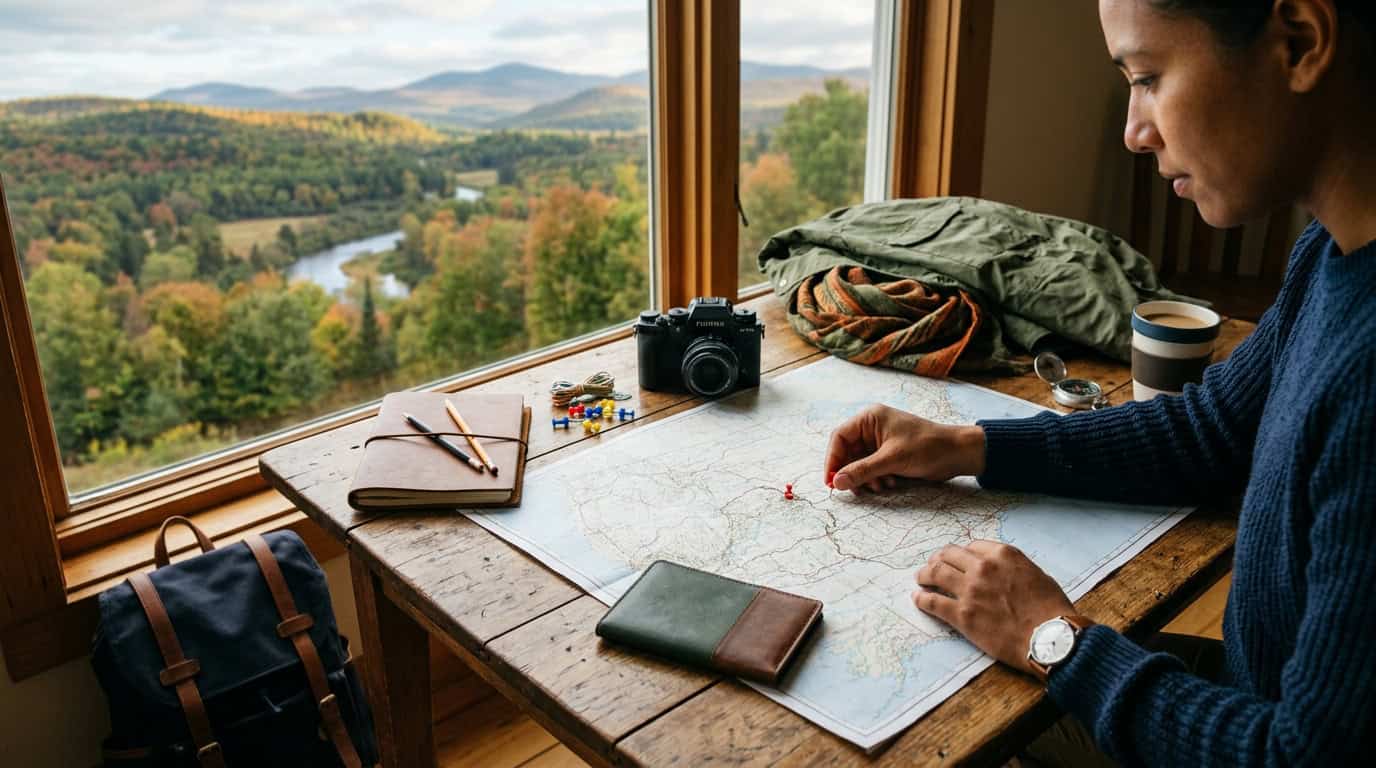
I plan a shoulder-season itinerary by choosing flexible dates first, then checking local weather patterns, school holidays, festivals, and seasonal opening hours. April and October can bring mild days and occasional rain in southern Europe, so I build each day around one outdoor highlight and one indoor alternative. I also confirm museum schedules, restaurant hours, and transportation before booking, since some businesses reduce their hours outside peak season. Keeping one or two unplanned afternoons gives me room to follow good weather, linger in a favorite neighborhood, or adjust when a site closes unexpectedly.
For a European example, I would spend three days in Lisbon in April or October. I would begin with a walking tour through Alfama and Baixa, then watch the sunset from São Jorge Castle or the Miradouro da Senhora do Monte. I would reserve time for the Jerónimos Monastery, the Calouste Gulbenkian Museum, and a day trip to Sintra, where palaces and forested paths feel especially inviting in cooler weather. From Lisbon, I would continue to Seville for three days of orange-scented plazas, a guided walk through Santa Cruz, Seville Cathedral, and the Alcázar. If rain interrupted a viewpoint visit or walking tour, I would switch to a tiled-palace visit, a flamenco performance, or a long lunch beneath covered arcades.
Granada makes a rewarding final stop, with two days for the Alhambra, the Albaicín’s hillside viewpoints, and a relaxed walk along the Carrera del Darro. I would book the Alhambra well ahead, check official opening times for every major attraction, and keep a flexible evening for tapas or a cultural performance. A clear day could include a trip into the Sierra Nevada foothills, while a rainy forecast would turn that into museum time, a hammam-style retreat, or a café crawl around the historic center. This balance lets me enjoy lighter crowds and potentially better prices without treating shoulder season as a promise of perfect weather or universal availability.
Packing For Shoulder Season Weather
I pack for shoulder season as if I might experience three different climates in one day. A breathable base layer, warm sweater, and lightweight jacket help me adjust when crisp mornings turn into sunny afternoons. Comfortable walking shoes keep me ready for cobbled streets, forest trails, and long station transfers. I always add compact rain protection, such as a packable shell and a small umbrella, along with sunglasses, sunscreen, and a hat, because spring and autumn sun can be surprisingly strong. A soft-sided carry-on or roomy daypack makes it easier to store extra layers without overpacking.
Before I leave, I check the local forecast for each stop on my route rather than relying on seasonal averages. I also research seasonal transportation, since mountain buses, ferries, scenic trains, and rural routes may run less frequently outside peak months. That extra planning helps me stay flexible, especially when changing weather can delay a connection or make an outdoor excursion less appealing. I save schedules offline and keep one easy indoor activity in mind for every destination.
Shoulder season can bring lighter crowds and better value, but it may also mean shorter opening hours or limited resort services. I confirm museum hours, restaurant schedules, cable-car operations, and hotel amenities before booking, particularly in smaller towns where some businesses close between seasons. When I find a favorite café or attraction open, I visit earlier in the day and avoid assuming it will operate every weekday. With a little preparation, those quieter months feel less like an inconvenience and more like an invitation to experience a destination at its most relaxed.
Shoulder Season Travel Conclusion
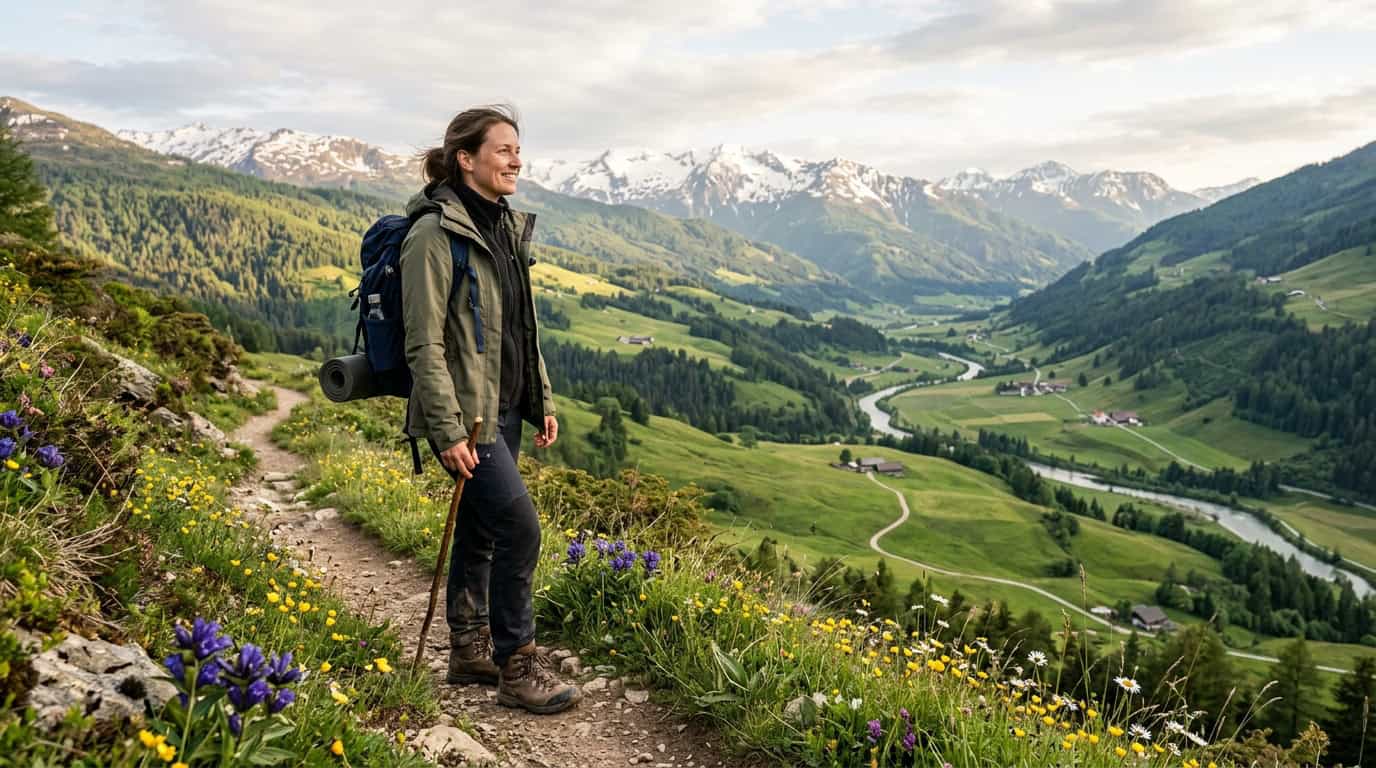
Shoulder-season travel has become my favorite way to experience a destination with more room to breathe. In many parts of Europe, April to May and September to October can bring comfortable temperatures, shorter lines, and better value than the busiest summer months. Other regions follow entirely different patterns because of rainfall, hurricanes, festivals, or seasonal closures. I always check local weather, school holidays, transport schedules, and attraction hours before booking, since shoulder season is not a universal travel calendar. That small amount of research can lead to a morning exploring quiet historic streets, an unhurried lunch at a local café, and a sunset enjoyed without peak-season crowds.
The best shoulder-season escape combines thoughtful planning with space for spontaneity. I like to reserve flights, accommodations, and must-see experiences early enough to secure favorable rates, then leave a few open afternoons for a scenic detour, a farmers market, or a recommendation from someone I meet along the way. Choosing less pressured travel periods can also spread visitor spending across a longer season, helping destinations and local communities avoid the strain of intense peaks. Rather than chasing the same “best time” for every place, I encourage you to match your destination to its real seasonal rhythms, pack for changing conditions, and book a flexible trip that offers both value and discovery.
Make Shoulder Season Your Travel Sweet Spot
Shoulder-season travel has become one of my favorite ways to experience a destination, especially when I want a better balance of value, comfort, and discovery. Visiting in spring or autumn can mean lower prices, lighter crowds, and pleasant weather for walking, sightseeing, and long outdoor meals. Still, the timing is not universal, so I always check local school holidays, festivals, seasonal weather, and attraction hours before booking. A quiet coastal town in May may feel perfect, while a mountain destination could still have limited trails or changing conditions.
With a little flexibility, I can often find the best shoulder-season experience by traveling midweek, comparing several nearby dates, and choosing destinations with activities that suit the season. I also pack layers, reserve essential transportation early, and keep a backup plan for rain or unexpected closures. The biggest reward is the chance to see a place at a more relaxed pace, from uncrowded museums to village markets where conversations come easily. For travelers seeking memorable trips without the intensity of peak season, shoulder season offers an inspiring and practical way to go farther with their time and budget.