
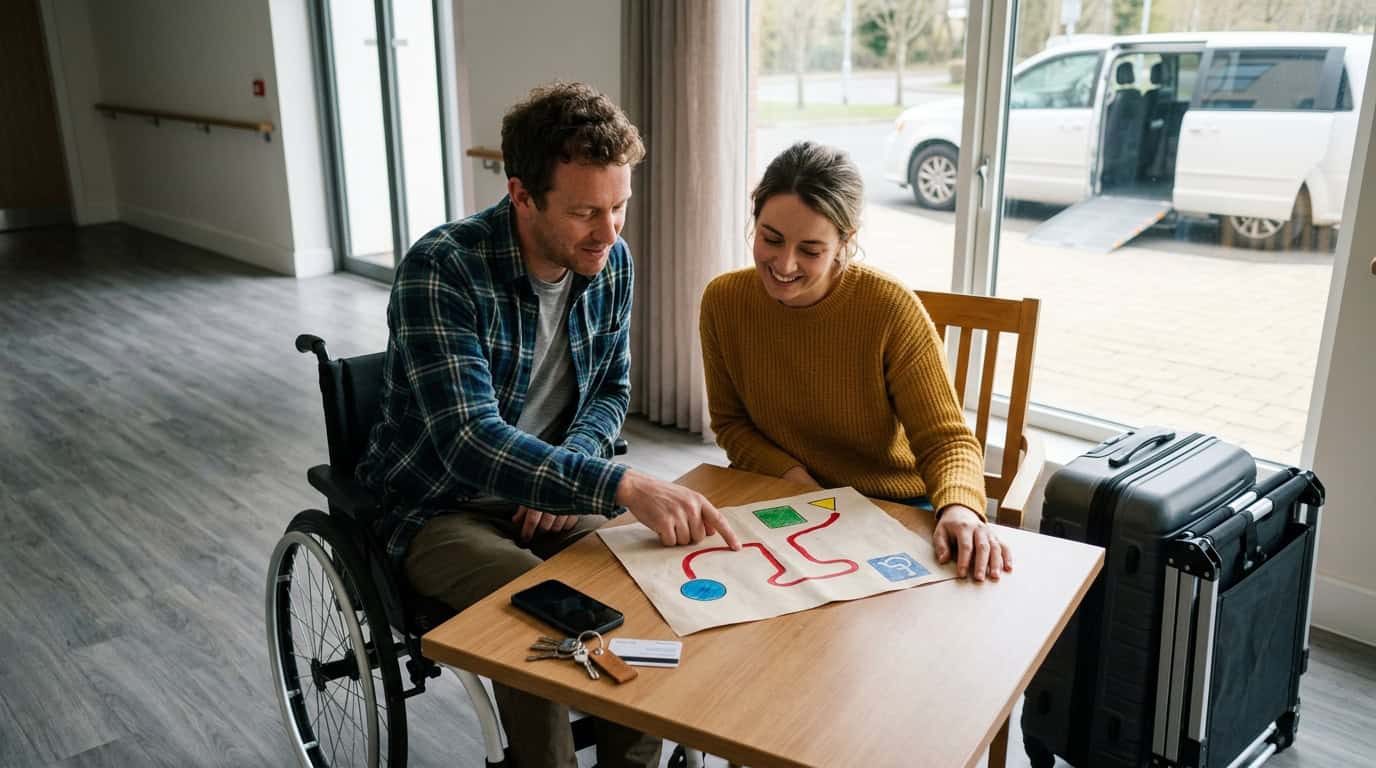
A dream trip should be remembered for the sunrise over the harbor, not a stranded wheelchair, a missing caption, or an “accessible” room with three steps at the entrance. I have learned that accessible travel planning means shaping every part of the journey around real needs, from airport assistance and transportation to hotel measurements, bathroom layouts, and backup options. By asking the right questions early, I can make unfamiliar places feel welcoming, manageable, and full of possibility.
The best plans leave room for spontaneity without leaving accessibility to chance. I look for clear route details, dependable communication options, and destination highlights I can enjoy comfortably. Then I confirm the specifics directly before booking. That preparation turns travel from a stressful series of unknowns into a confident invitation to explore.
Key Takeaways
- Build an accessibility profile based on specific mobility, sensory, medical, cognitive, and communication needs, separating essential requirements from preferences.
- Verify every travel component directly before booking, including transportation procedures, vehicle capacity, hotel measurements, bathroom layouts, attraction routes, restrooms, seating, and communication support.
- Create flexible itineraries with realistic pacing, recovery time, alternate routes, backup activities, and contingency plans for equipment failures, closures, weather, fatigue, or inaccessible services.
- Keep confirmations, measurements, emergency contacts, medication, equipment supplies, and essential travel information accessible offline, and reconfirm arrangements shortly before departure.
Introduction To Accessible Travel Planning
Accessible travel planning begins before I leave home and continues until I return safely. I think beyond an accessible hotel room by considering every part of the journey, including the route to the airport or station, boarding procedures, transfers, local transportation, attractions, restaurants, and bathroom access. My needs might include step-free entrances, lift dimensions, space for a mobility device, captioning, visual alerts, or clear audio and written information. Because “accessible” can mean different things to different travelers, I contact accommodations and transportation providers with specific questions. Whenever possible, I also request measurements or photos.
On one trip, my excitement grew as I reviewed the route from the station to my hotel, but I noticed that a supposedly step-free connection included a lift that closed early in the evening. A quick message to the station team helped me confirm an alternative route, while the hotel shared the entrance width and bathroom layout before I arrived. Those details transformed a vague worry into a picture I could trust. Instead of wondering whether I would get stuck, I could imagine rolling through the lively streets. That experience reminded me that good planning is not about removing every surprise. It is about making the important parts of the journey predictable.
I now build a simple backup plan into every accessible trip. It includes an alternate route, an accessible transportation option, extra medication or equipment supplies, and a contact person who knows my itinerary. I also confirm arrangements shortly before departure because equipment, construction, schedules, and staff availability can change. When planning attractions, I look beyond the entrance to check for accessible restrooms, seating, quiet spaces, tactile or audio information, and realistic travel times between stops. With clear details and flexible expectations, accessible travel planning becomes a tool for confidence, discovery, and the freedom to enjoy each destination.
Mapping Individual Access Needs
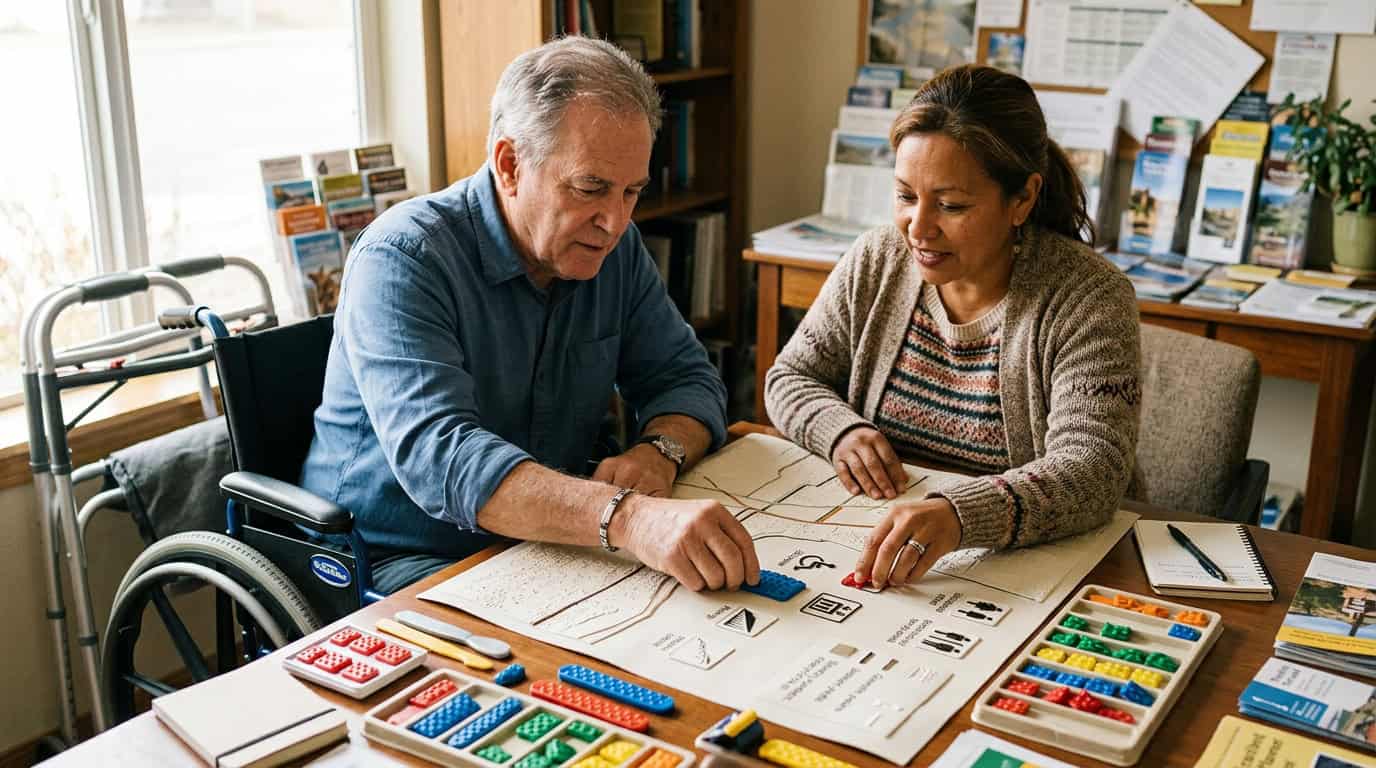
I start accessible travel planning by creating a personal access profile that describes what helps me travel comfortably and safely. I note mobility needs such as step-free routes, lift dimensions, accessible bathrooms, transfer support, and room for a wheelchair or scooter. I also record vision and hearing preferences, including tactile or high-contrast information, audio descriptions, captions, visual alerts, and text-based communication. Cognitive, medical, mental health, and other invisible disability needs belong here too. These might include a quiet environment, predictable routines, medication storage, dietary arrangements, service-animal access, or extra processing time.
Next, I separate essential requirements from helpful preferences so I know what to confirm before booking. I keep key measurements in one place, including my mobility device’s width and weight, the height of bed and toilet surfaces, turning space, vehicle storage needs, and the length of time I can comfortably walk or sit. I also build rest periods into each day, perhaps pausing in a shaded plaza between museum visits or returning to my room before an evening meal. This approach turns a destination’s exciting possibilities into a realistic pace that leaves energy for enjoying the view, tasting local food, and discovering unexpected highlights.
Clear communication makes the profile useful, so I describe the exact support I need instead of relying only on the word “accessible.” I ask transport operators about boarding procedures, vehicle ramps, assistance, and mobility-device storage. I then verify accommodation details with measurements and photos whenever possible. For attractions, I check entrances, accessible routes, toilets, seating, sensory conditions, and advance arrangements, while keeping a backup plan for closures, equipment failures, or inaccessible transfers. I save confirmations and emergency contacts offline, and I share a concise version of my preferences with travel companions so everyone can help make the journey confident and memorable.
Verifying Accessible Transportation
I treat the word “accessible” as an invitation to ask better questions, not as a guarantee. Before booking a flight, train, or bus, I contact the operator to confirm whether the route is step-free, how ramps or lifts are used, and whether the lift can accommodate my mobility device’s weight and dimensions. I also ask where a wheelchair or scooter will be stored, when I need to arrive for assistance, and how staff will communicate boarding updates or delays. For sensory or communication needs, I check for visual announcements, captioning, quiet assistance, or text-based support. Writing down the answers, including the representative’s name and confirmation number, gives me a useful record if plans change.
Local transportation deserves the same careful attention as the main journey. I verify whether taxis and rental vehicles have suitable ramps, hand controls, transfer space, or room for a folded mobility device. I never assume an accessible vehicle will be available when I arrive. For hotel shuttles, airport transfers, and tour pickups, I confirm the vehicle type, pickup location, driver assistance, and whether service animals are permitted. I ask how much advance notice is required and whether accessible options operate outside standard hours. These details can turn a stressful curbside wait into a smooth start to exploring a new place.
I also build a backup plan for moments when transportation does not go as expected. I confirm what happens if my device is delayed or damaged, where I can wait safely, and whom to contact if an arranged lift, ramp, or transfer is unavailable. On departure day, I arrive early enough for the operator’s required boarding window and keep essential medication, documents, chargers, and communication tools with me. Whenever possible, I save accessible routes, transfer contacts, and alternative arrival options offline. That extra preparation lets me focus less on uncertainty and more on the first glimpse of a new city, coastline, or mountain range.
Booking Truly Accessible Accommodation
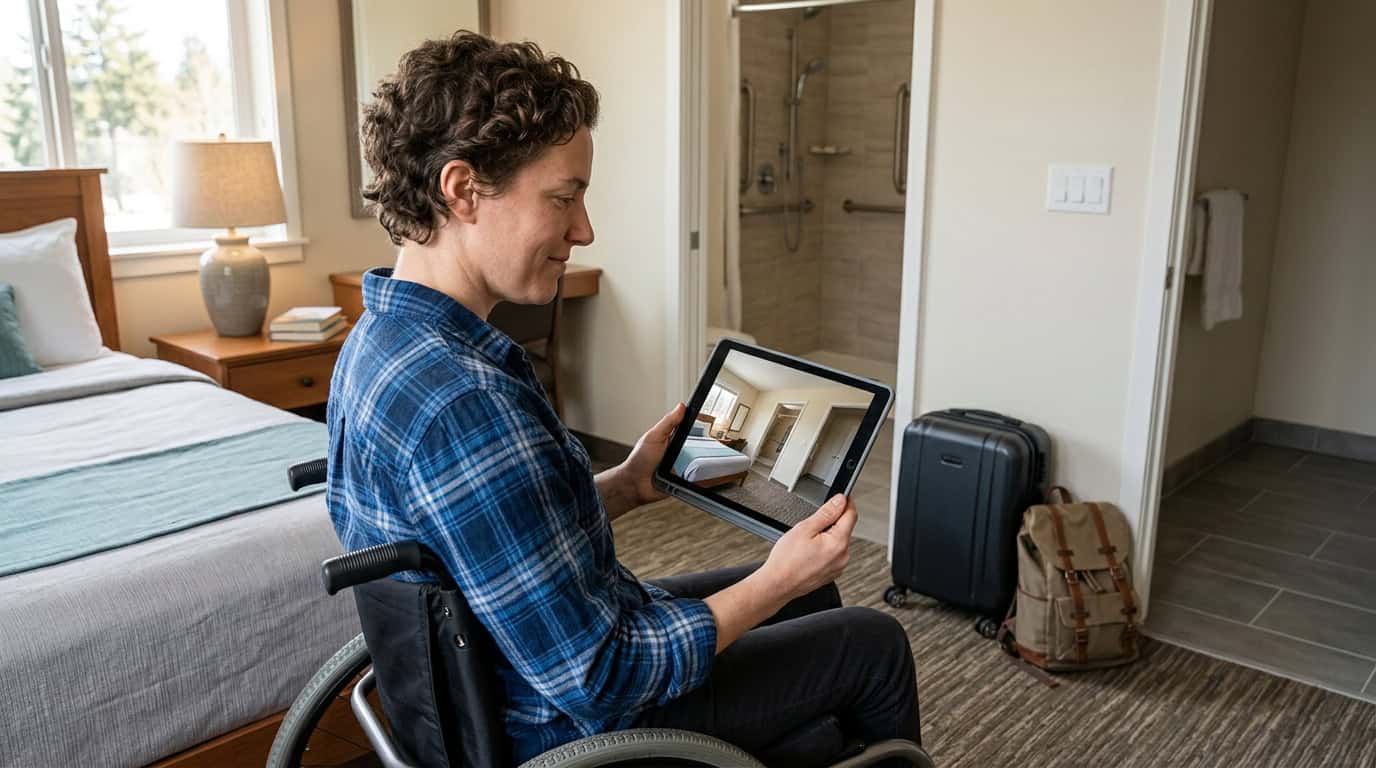
I treat an “accessible” room description as a starting point, not a guarantee. I study current photos and floor plans for step-free entrances, elevator dimensions, bed height, clear paths, bathroom layout, and space to turn beside the toilet or sink. For a vacation rental, I also check the route from the street to the front door, refrigerator and microwave access, stair alternatives, and whether furniture can be moved without blocking mobility equipment. Then I call the property and ask staff to confirm measurements in writing, including the shower threshold, doorway widths, bed clearance, elevator access, and emergency alert systems. I also ask about nearby accessible taxis, pharmacies, grocery delivery, medical care, and quiet areas for travelers who are sensitive to noise or crowds.
When I planned a coastal stay in Lisbon, a ground-floor apartment looked ideal in bright photographs, but a direct call revealed a small step into the shower and a narrow turn between the bed and wardrobe. I asked the host to measure the threshold and bathroom clearance, then requested a photo taken from the doorway so I could judge the turning space myself. Refrigerator shelves positioned above waist height would have made daily meals difficult, and the lively street-facing bedroom could have disrupted my rest, so I chose a quieter room with easier appliance access instead. Those details might seem minor during booking, yet they can shape every morning and evening of a trip. I save the written confirmation, property address, and contact number offline in case the Wi-Fi fails or the room differs from the listing.
Before paying, I ask what will happen if the promised room is unavailable, the elevator stops working, or a supposedly step-free entrance becomes blocked. I keep a backup accommodation nearby, note accessible routes to the day’s main attractions, and confirm that transportation can carry my mobility device or provide the communication support I need. Travelers with vision, hearing, cognitive, or sensory needs can make the same process personal by asking about captioned information, visual or audio alerts, lighting, noise, and staff communication. A few careful calls and specific questions turn vague assurances into a workable plan, giving me more confidence to focus on the sea views, local flavors, and memorable moments beyond the hotel door.
Planning Accessible Attractions And Backups
I build an accessible destination plan by checking every link in the day, from the hotel entrance and transit connection to the attraction’s specific route. Before booking, I contact each venue to confirm doorway widths, step-free entrances, lift capacity, accessible restrooms, seating options, and whether mobility devices can be stored nearby. For sensory and communication needs, I ask about captioned programs, audio description, tactile resources, sign-language interpretation, visual alerts, and sensory-friendly hours. I also request the service-animal policy in writing, since rules can differ between hotels, museums, restaurants, and transportation operators. These details turn a hopeful itinerary into a realistic plan without taking away the excitement of seeing a new place.
I like to shape the trip around one main accessible highlight each day, leaving room to pause and enjoy the destination rather than rushing between reservations. For example, Day 1 might pair a step-free historic district tour with a quiet café. Day 2 could feature a museum’s captioned exhibit and tactile gallery. Day 3 might include an accessible waterfront lookout followed by an early dinner. I verify accessible routes between stops, seating and restroom availability, and the best times to visit before adding each experience to the schedule. For outdoor plans, I save an indoor museum, accessible cinema, or hotel-based activity as a weather alternative. A nearby café or scenic drive can provide a lower-energy backup. A flexible plan keeps the journey inspiring even when rain, fatigue, crowds, or a last-minute closure changes the day.
I also save practical support information alongside my reservations, including accessible taxi or transit options, the nearest medical facility, pharmacy hours, insurance details, and local emergency contacts. Before departure, I share the itinerary and backup plan with a trusted person, and I keep venue phone numbers available in a format I can easily use. Each morning, I check the weather, transportation alerts, and my energy level. Then I decide whether to follow the original plan or choose the gentler alternative. I have found that building in recovery time can make room for unexpected joys, such as a quiet garden or a memorable view along an accessible route. The goal is not to predict every challenge, but to create enough options that access, comfort, and discovery remain part of every day.
Conclusion: Travel With Confidence
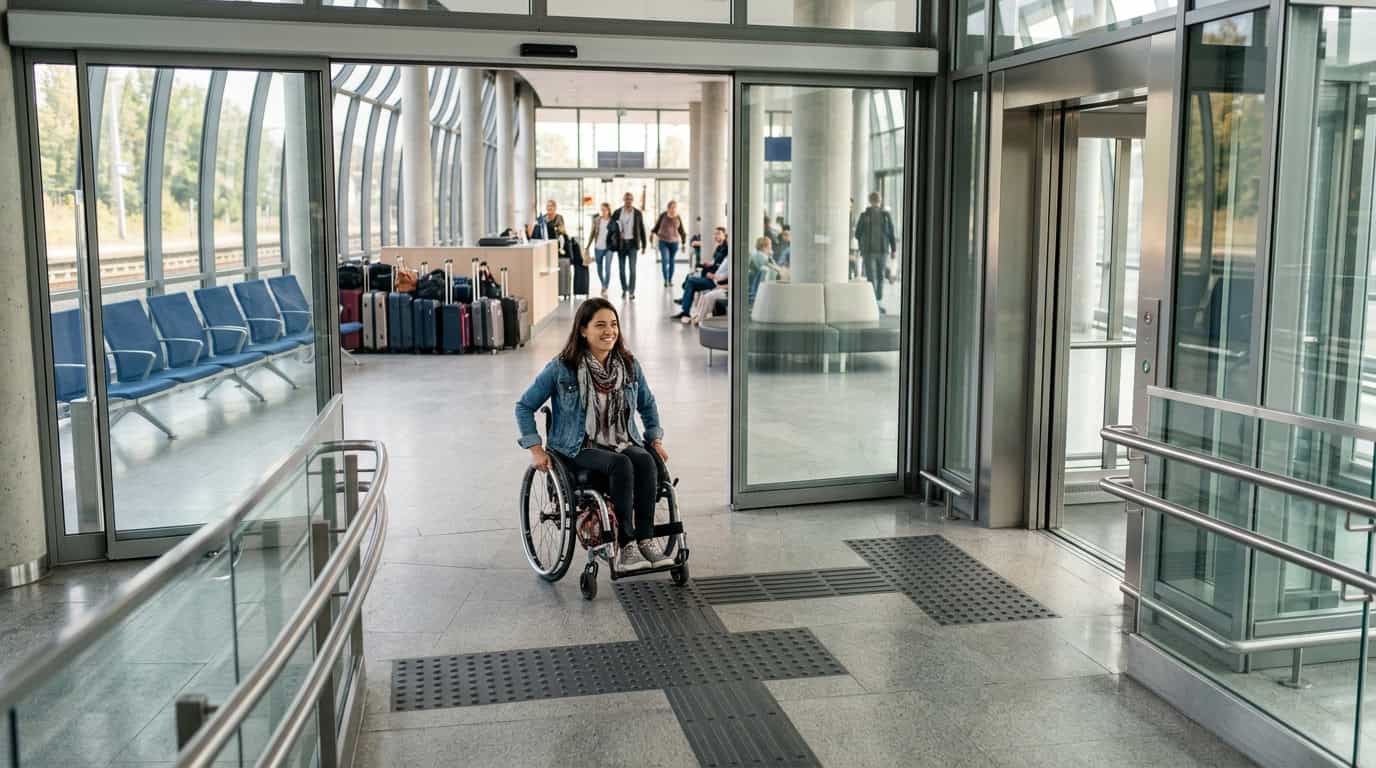
Accessible travel planning gives me confidence because it connects every part of a journey to my actual needs, not to a vague label on a booking page. I start by identifying what matters most, such as step-free routes, bathroom measurements, captioned activities, quiet spaces, service-animal policies, or help transferring between vehicles. Then I verify those details directly with hotels, transportation providers, and attractions, asking specific questions and requesting written confirmation whenever possible. This preparation helps me choose destinations that support my goals, whether I am seeking a relaxing beach escape, a museum-filled city break, or an outdoor adventure.
A comfortable, accessible stay can make the difference between enjoying a destination and spending the trip solving avoidable problems. I look beyond the room itself to consider entrance routes, lift access, bed height, emergency procedures, nearby transport, and whether staff understand the arrangements I need. I also research attractions in advance, checking accessible entrances, restroom locations, reservation requirements, sensory conditions, and the best times to visit. Keeping backup options, such as an alternate route, a flexible activity, essential medication, or extra time between plans, gives me a practical safety net without taking the excitement out of exploring.
With the key logistics confirmed, I leave space for the moments no itinerary can predict, from discovering a peaceful garden to lingering over a view that makes the planning worthwhile. I build in recovery time and choose a manageable number of activities so the trip feels inviting rather than rushed. When I ask clear questions early, match the destination to my priorities, and prepare for reasonable changes, I can travel with greater independence and peace of mind. The goal is not to control every detail, but to create a reliable foundation for memorable experiences and spontaneous moments along the way.
Plan Every Detail for Accessible Travel
Accessible travel planning helps me shape the entire journey around my real needs, not just find a hotel labeled “accessible.” Before I book, I confirm details such as step-free entrances, door and bathroom measurements, lift capacity, accessible transportation, and where mobility devices can be stored. Travelers with vision, hearing, cognitive, or other access needs may also want to ask about tactile signs, audio announcements, captioning, visual alerts, quiet spaces, and service-animal policies. A quick conversation with accommodations, transport operators, and attractions often reveals practical details that general descriptions leave out.
I also build flexibility into every itinerary because even well-planned trips can bring a broken lift, a delayed accessible vehicle, or an attraction that cannot meet its advertised access. Saving accessible route options, carrying essential medications and equipment, and identifying a nearby backup activity can turn a stressful surprise into a manageable change of plans. I have found that sharing my needs clearly, requesting written confirmation, and allowing extra time for transfers makes each day feel more relaxed. With thoughtful preparation and a willingness to verify every detail, accessible travel planning can open the door to memorable experiences, from peaceful museum visits to breathtaking viewpoints and welcoming local neighborhoods.