
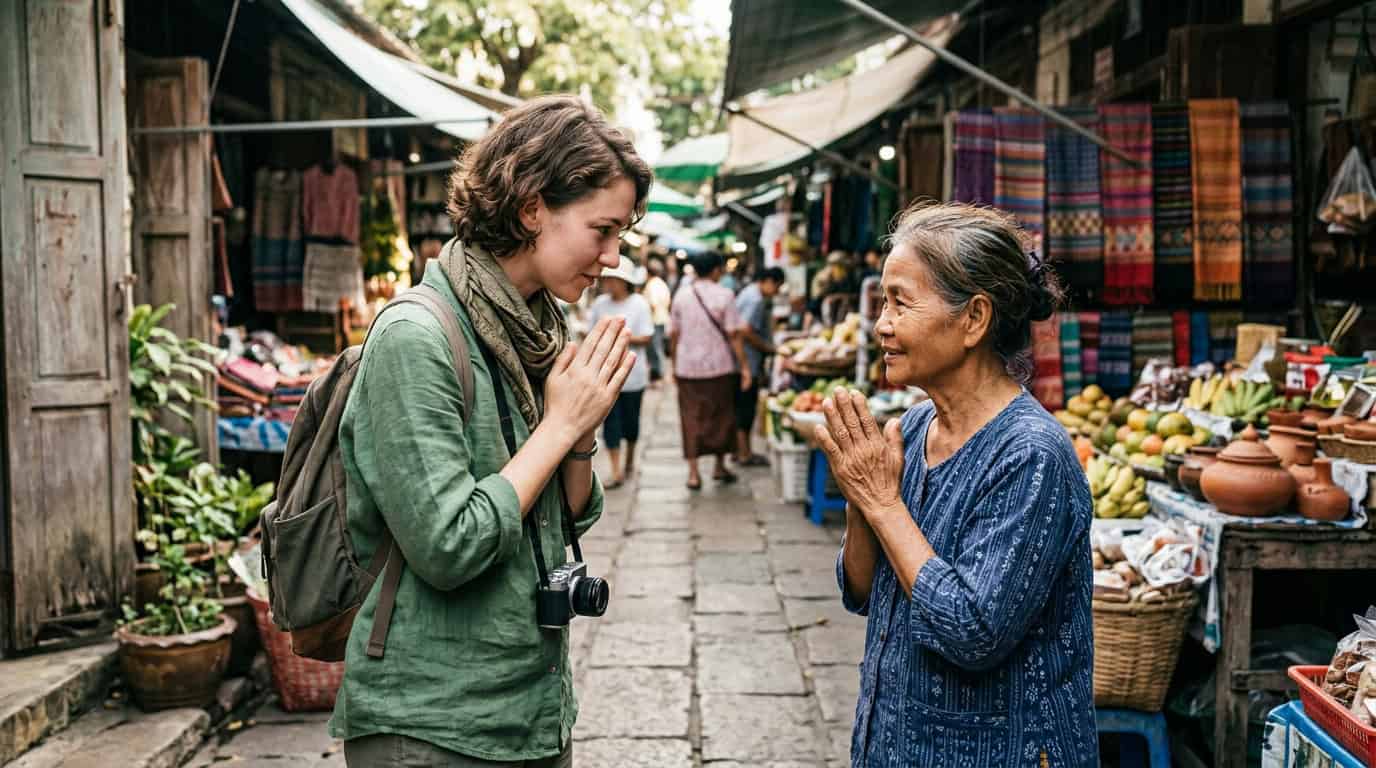
A small gesture can open doors abroad or close them before your journey begins. Understanding cultural etiquette means knowing when to remove your shoes, how to greet someone, where photography is inappropriate, and why your convenience should never outweigh local customs. The goal is not to memorize stereotypes. It is to research your destination, observe carefully, and ask respectfully when you are unsure.
I have found that the most rewarding travel moments often begin with humility: waiting quietly at a temple, dressing thoughtfully for a sacred site, or learning the proper way to share a meal. With a little preparation and genuine curiosity, I can move through new places with confidence, avoid common missteps, and build connections that make every destination feel more welcoming.
Key Takeaways
- Research destination-specific customs before departure, including greetings, dress, religious practices, dining habits, tipping norms, and photography rules. Customs can vary by region, generation, and social setting, so avoid assuming one rule applies everywhere.
- Observe local behavior before acting, then ask politely when uncertain and adapt without defensiveness. Humility, patience, and accepting correction help prevent missteps and build genuine connections.
- Treat sacred spaces, heritage sites, and local neighborhoods with respect by dressing appropriately, following rules, staying quiet, avoiding unauthorized participation, and prioritizing local traditions over personal convenience.
- Ask for clear consent before photographing people, performers, children, ceremonies, or sacred sites, and respect refusals. At meals and markets, follow local dining practices, wait for hosts when appropriate, and learn whether tipping is expected, included, or unusual.
Researching Customs Before Departure
Before departure, I research cultural etiquette through official tourism websites, local cultural guides, and recent traveler resources. I make notes on greetings, religious practices, dress expectations, dining habits, tipping norms, public behavior, and photography rules, then save the most important details on my phone. I also check whether customs differ between the capital and smaller towns, since a gesture that feels natural in one city may be inappropriate in another region. Generational differences and social settings matter too, so I pay attention to whether advice applies to a formal meal, a family visit, a place of worship, or a casual interaction.
My preparation is practical rather than rigid, because etiquette is a way to show respect, not a test I must pass perfectly. I learn whether I should remove my shoes, cover my shoulders, use a particular greeting, wait for a host to begin eating, or ask permission before photographing people and sacred sites. Tipping deserves special attention, since it may be expected in one destination, included in the bill in another, or considered unusual in a third. These small details help me participate more naturally, whether I am sharing tea in a quiet neighborhood, visiting a busy market, or entering a centuries-old temple.
Once I arrive, I observe before acting and let local behavior refine what I read at home. If I am uncertain, I ask politely, follow the lead of my host or guide, and accept correction with humility instead of becoming defensive. I also remember that local people are individuals, not representatives of a single, unchanging tradition. Younger and older generations may approach customs differently. A little patience, curiosity, and willingness to put people and places ahead of my convenience can turn an awkward moment into a meaningful connection.
Greetings Dress And Sacred Spaces
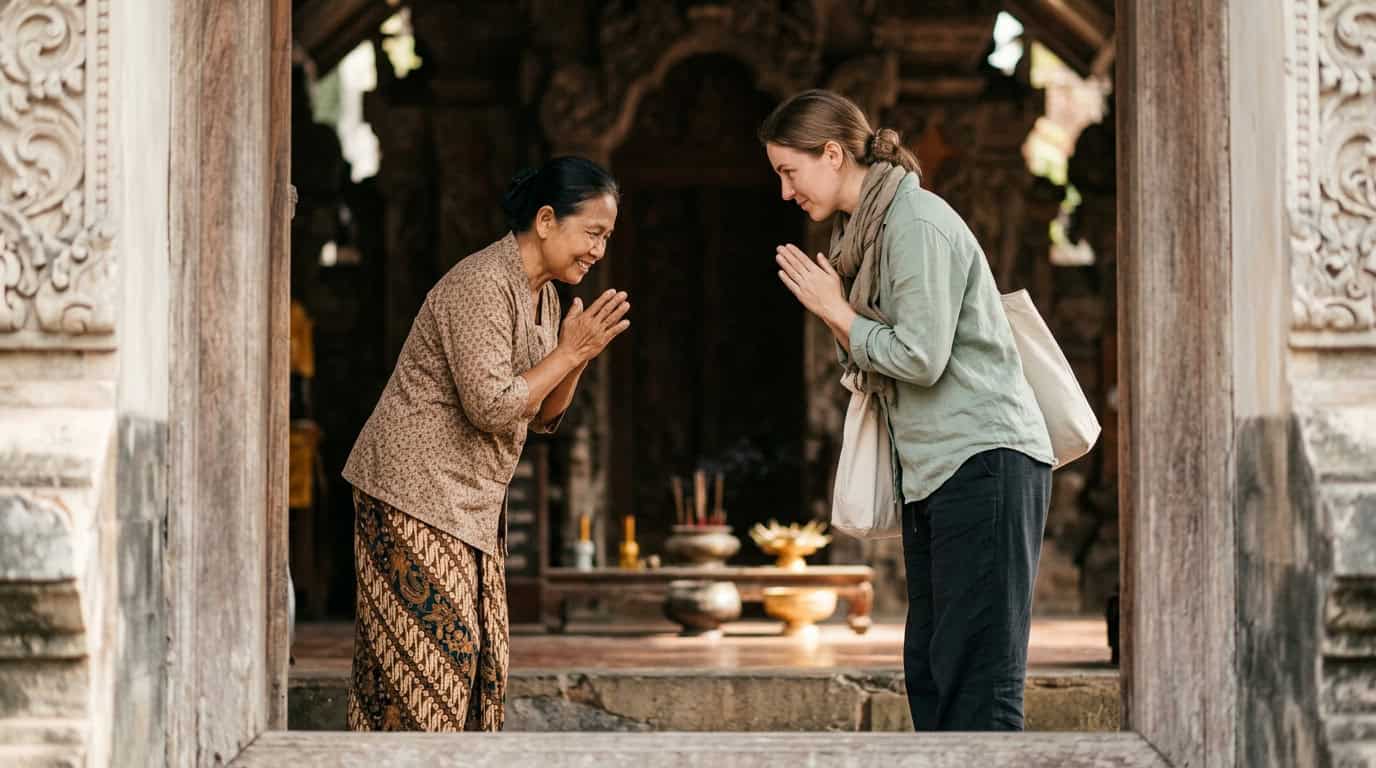
I treat greetings as an invitation to observe before I act. In some places, a handshake is natural, while a bow, a nod, or a warm verbal greeting may be more appropriate. Personal space can vary widely too. I usually wait for the other person to offer a hand, then follow their lead rather than assuming my usual habits will fit. A smile and a few words in the local language can create a connection, but I also keep my gestures relaxed and respectful. Cultural etiquette becomes much easier when I research local customs, watch how people interact, and ask politely when I am unsure.
Clothing is another simple way I show consideration, especially when visiting conservative neighborhoods, rural communities, or religious sites. I pack a lightweight scarf or extra layer so I can cover my shoulders or knees when needed, and I check whether a destination expects visitors to remove hats or wear more modest clothing. Footwear rules matter too, since shoes may need to come off before entering a home, temple, mosque, or other sacred space. I look for signs, observe what others are doing, and keep clean socks handy for places where bare feet are expected. These small preparations help me focus on the beauty of the setting instead of worrying that my convenience has come at someone else’s expense.
Sacred spaces deserve patience, quiet attention, and permission before participation. I ask whether visitors may enter, where I should sit or stand, and whether photography is allowed, remembering that a meaningful ceremony is not a backdrop for my camera. At temples and mosques, I silence my phone, avoid interrupting worship, and follow local guidance about washing, seating, and which areas are open to guests. I also avoid touching religious objects, joining rituals, or accepting an invitation to participate unless someone clearly explains that it is welcome. Respectful travel lets me experience a place more deeply because I am meeting its traditions on their terms, not asking them to change for mine.
Dining Photography And Tipping
At restaurants and family tables, I start by observing how locals use the space before reaching for my chopsticks or serving myself. In some destinations, chopsticks should never be left upright in a bowl, used to point, or used to pass food from one pair to another. Shared dishes may also be served with communal utensils rather than personal chopsticks. I wait for the host to begin, accept unfamiliar foods graciously, and ask before adding sauce, rearranging a dish, or taking the last portion. At markets and street-food stalls, joining the queue calmly, preparing exact payment, and showing patience during busy service can demonstrate more respect than perfect language. I also research tipping customs before I arrive, since a service charge may already be included, tipping may be unusual, or a modest thank-you may be expected.
Photography feels most meaningful when it begins with connection rather than a camera pointed across a crowded table. I ask before photographing people, performers, vendors, or family gatherings, and I accept a refusal without trying to negotiate, sneak a shot, or offer money unless a clear photography arrangement exists. During ceremonies and visits to religious or heritage sites, I follow posted rules, dress appropriately, silence my phone, and keep a respectful distance, remembering that a sacred moment is not a travel prop. I once put my camera away at a lively community performance after noticing how focused the audience was. Being fully present made the experience more vivid than any picture could have been.
When I am unsure, I use a simple approach: observe, ask, and adapt. A friendly question such as “Is it okay if I take a photo?” or “How is payment usually handled here?” can open the door to warm, practical guidance from a host or vendor. I avoid photographing children without a parent’s permission, blocking entrances for a better angle, or treating people in traditional clothing as scenery. By prioritizing dignity over convenience, I can enjoy the flavors, rhythms, and stories of a place while leaving local people feeling respected rather than displayed.
Observing Asking And Adapting Abroad
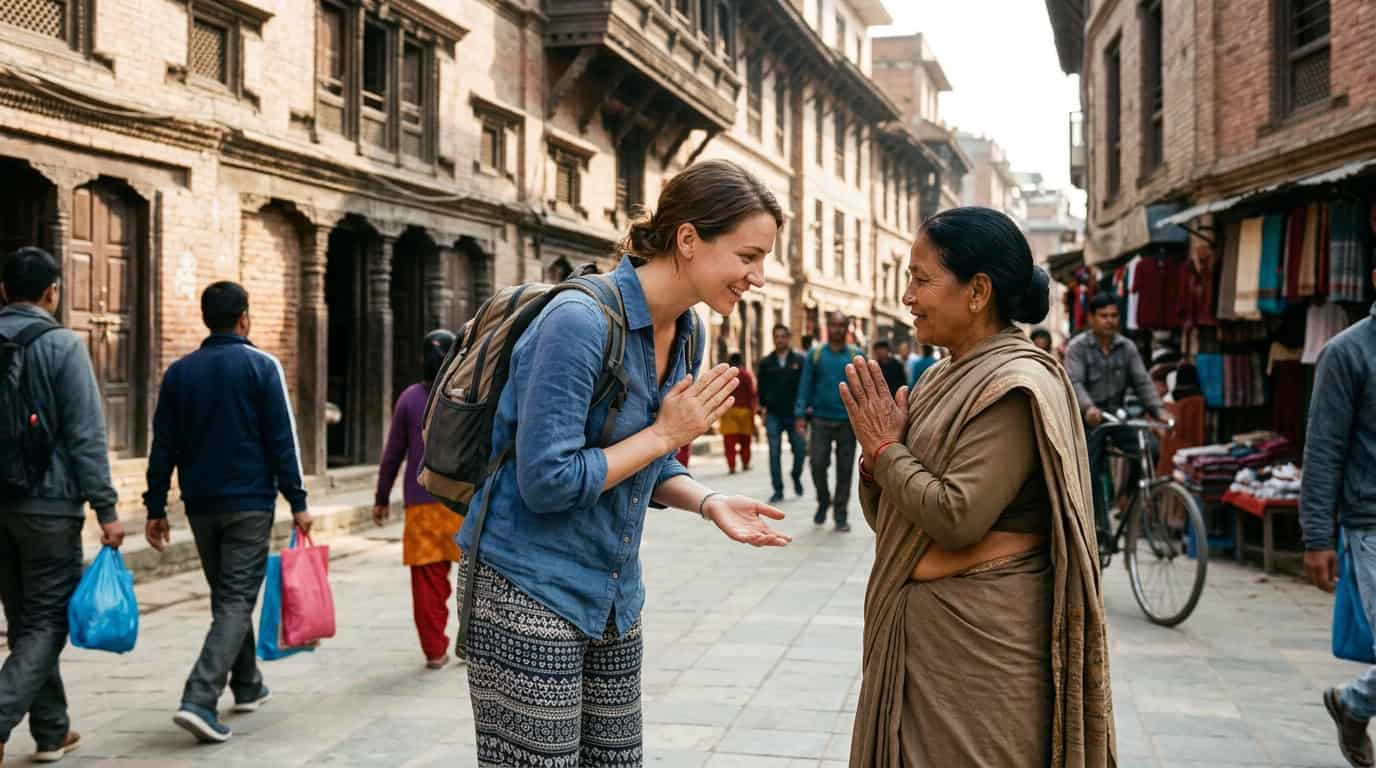
When I am unsure about cultural etiquette, I pause before acting and watch how people around me move through the moment. In Kyoto, I noticed visitors waiting quietly and lowering their voices near a temple entrance, so I followed their lead instead of treating the space like a backdrop for photos. I also asked a nearby attendant whether photography was permitted, and that simple question helped me understand where I could stand respectfully. The brief pause made the visit feel more connected, not less spontaneous.
Clothing, greetings, dining habits, and tipping customs can change from one destination to the next, so I do some research before arriving and stay observant once I am there. In Morocco, for example, I chose more conservative clothing when visiting religious and rural areas, asked before photographing people, and waited to see how a meal was shared before reaching for food. When I have made a mistake, a sincere apology and a willingness to listen have mattered more than explaining my intentions. Most people respond warmly when they see that I am making a genuine effort to learn.
I have found that adapting abroad means putting local people, religious practices, public spaces, and heritage ahead of my own convenience or perfect travel photo. If a shopkeeper corrects a greeting, a guide explains a custom, or a restaurant handles tipping differently than I expect, I thank them and adjust without defensiveness. That flexible attitude turns an awkward moment into a small exchange of trust, often followed by a story, a smile, or a recommendation I would never have found in a guidebook. Respect does not require knowing everything before I arrive. It requires the humility to ask, observe, and keep learning.
Navigate Local Customs with Confidence
Respectful travel begins before I board the plane, with destination-specific research into greetings, clothing, dining customs, tipping, and religious practices. I try to learn what is expected in different settings, then observe how local people behave instead of assuming one rule applies everywhere. A modest outfit may be essential at a temple or mosque, while table manners and tipping customs can change from one country, city, or region to the next. When I am unsure, I ask politely, accept correction with gratitude, and remember that adapting is part of being a thoughtful guest.
I also treat sacred spaces, historic sites, and everyday neighborhoods as places to protect, not backdrops for my convenience or camera. Before taking someone’s photo, I seek clear consent, and I follow posted rules about dress, silence, food, touching, and where I can walk. These small habits have often led me to more genuine connections, from a shared meal to a welcoming conversation that would not have happened if I had rushed in carelessly. Cultural etiquette is not a restriction on discovery, but an invitation to experience each destination with greater humility, curiosity, and depth.