
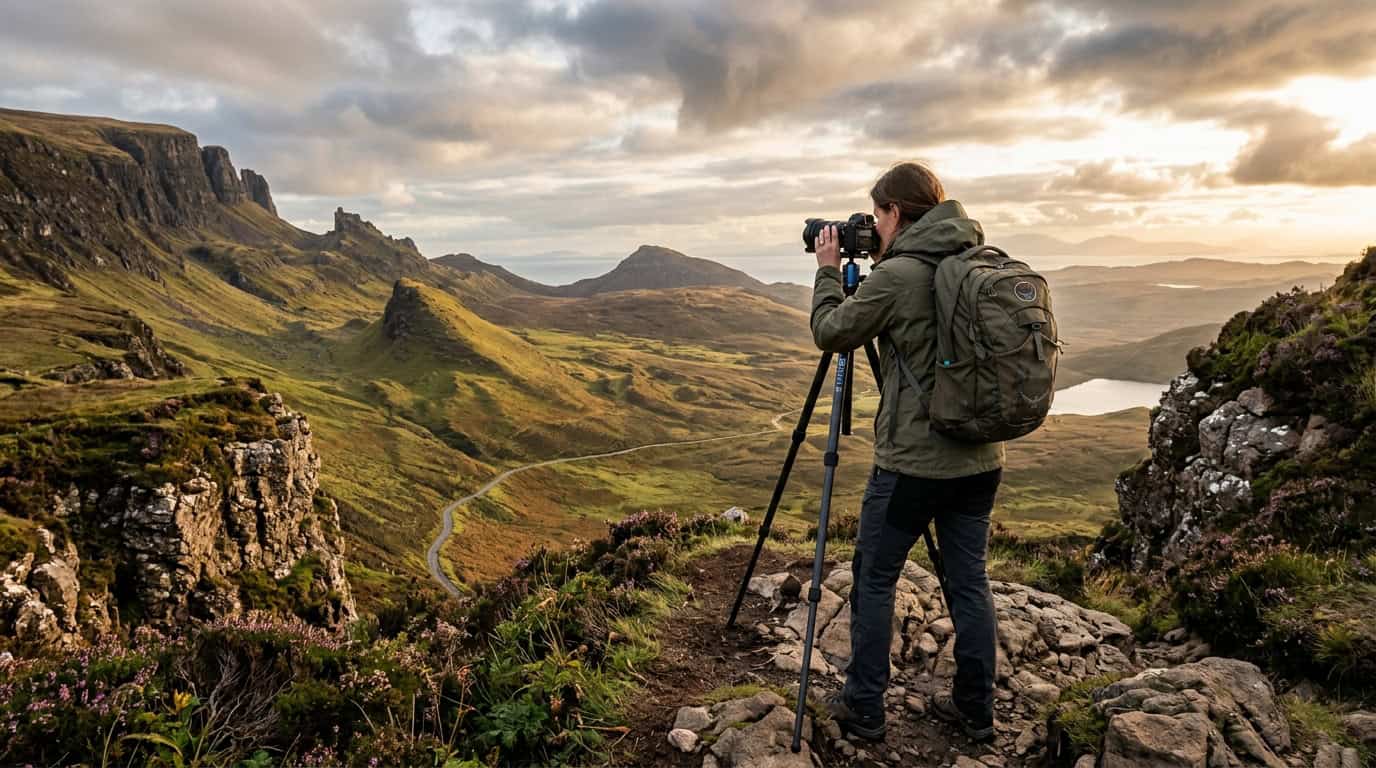
The best travel photography tips often begin before I leave home, not with a new camera, but with a plan to notice what others miss. I research sunrise times, local festivals, weather, and quieter viewpoints so I can arrive ready for golden light while leaving room for unexpected moments. A familiar phone or camera, carried comfortably and backed up reliably, will capture more memorable images than expensive gear left in a hotel room.
Once I arrive, I look beyond famous landmarks for the details that give a destination its character: steam rising from a morning market, weathered doorways, passing faces, and the rhythm of daily life. Patience, respectful interaction, and a willingness to return when the light changes can turn a quick snapshot into a story. With a few practical habits, every trip becomes an opportunity to photograph not only where I went, but also how it felt to be there.
Key Takeaways
- Plan around sunrise, sunset, weather, local events, and quieter viewpoints, but leave room for unexpected moments that can make your photos more personal.
- Pack light with familiar, versatile gear you can carry and use confidently all day; a smartphone or compact camera is often more valuable than expensive equipment left behind.
- Improve images through patience, changing viewpoints, strong composition, and attention to light, while looking beyond famous landmarks for the details and daily scenes that reveal a destination’s character.
- Photograph people and places respectfully by asking permission, following local customs, protecting images with regular backups, and putting the camera down often enough to stay present.
Pack Light and Choose Versatile Gear
I pack the lightest setup I can carry comfortably because a camera left in the hotel room cannot capture a sunrise over the rooftops or a colorful market unfolding in the street. For many trips, a smartphone is enough for daylight scenes, food, architecture, quick videos, and social sharing, especially when I use grid lines, tap to focus, and keep the lens clean. If I bring an interchangeable-lens camera, I usually choose one versatile zoom or a compact prime that handles portraits, details, and broad landscapes without constant lens changes. I also carry spare batteries, extra memory cards, and lightweight protection, such as a rain cover or padded insert.
The real advantage of interchangeable lenses appears when I need more control in challenging conditions or want a distinct visual style. A wide lens helps me fit dramatic interiors and sweeping landscapes into the frame, while a telephoto lens lets me photograph distant details, wildlife, or candid moments without stepping into someone’s space. I avoid packing every option and instead choose the lens that matches the trip, whether I am walking historic lanes, hiking through changing weather, or photographing fast-moving scenes. Before leaving, I test the setup on a local walk so I know how to change settings quickly and can stay present instead of fumbling with unfamiliar gear.
My simplest travel kit usually includes:
- A comfortable smartphone or small camera with a secure strap
- One versatile lens, plus a spare battery and memory card
- A lightweight pouch, weather cover, and microfiber cloth
- A reliable way to back up favorite images each evening
Packing less also encourages me to slow down and look for strong composition, changing light, and small moments beyond the famous viewpoint. I try to photograph people respectfully by asking permission when an image feels personal, and I put the camera away when sharing the moment matters more. A compact setup gives me the freedom to explore crowded alleys, climb a scenic trail, or linger over a quiet café without feeling weighed down. The best gear is the gear I can carry all day, use confidently, and forget about when the destination gives me something wonderful to experience.
Use Light, Composition, and Timing
I plan around the light rather than forcing a scene into a convenient schedule. Sunrise and sunset bring soft, warm color and long shadows, so I arrive early, stay a little longer, and watch how the light changes across buildings, streets, and landscapes. In harsh midday sun, I look for open shade, use doorways or arcades to soften contrast, and expose carefully to protect bright skies. A phone’s HDR mode, tap-to-focus controls, and exposure slider can handle surprisingly difficult conditions, especially when I steady it against a wall or railing.
Strong composition often comes from small adjustments instead of expensive equipment. I use shadows and reflections in puddles or windows to add depth, place paths or railings as leading lines, and include a nearby doorway, plant, or person as foreground interest. When a view feels flat, I change my viewpoint by crouching, stepping to the side, or looking upward, then check the edges of the frame for distractions. I also photograph respectfully by asking before taking close portraits, avoiding restricted areas, and staying aware of people who are simply trying to enjoy the place.
At one crowded landmark, I initially joined the familiar line of visitors and photographed the same grand façade everyone else was capturing. After waiting in the heat, I wandered a few streets away and found a quiet side passage where the landmark appeared between laundry, flowerpots, and sunlit stone. That unexpected frame felt more personal because it showed the surrounding neighborhood rather than only the attraction itself. The experience reminded me to be patient, explore beyond the obvious viewpoint, and carry a camera or phone I can use comfortably without letting photography pull me out of the journey.
Photograph People With Respect
I always ask before photographing someone, especially in markets, neighborhoods, or places of worship where cultural rules may differ from what I know at home. A smile, a gesture toward my camera, and a few local phrases, such as “May I take your photo?” and “Thank you,” can open the door to a more respectful exchange. If someone hesitates or says no, I lower the camera and move on without pressing. I also avoid photographing private moments, grieving families, children without a parent or guardian’s consent, and people in vulnerable situations.
A little conversation often creates more natural expressions than silently pointing a lens at a stranger. I might ask about a craft, a meal, or the history of a street, then show the person the image afterward if possible. Rather than treating someone as a backdrop, I look for an environmental portrait that includes meaningful details, such as a baker in a flour-dusted shop or a boatbuilder beside an unfinished hull. Soft morning or late-afternoon light can make these scenes feel intimate, while a phone’s portrait mode can gently separate the subject from a busy background without requiring extra equipment.
Respect also means following posted rules about photography in sacred spaces, museums, ceremonies, and community events. I keep my camera or smartphone ready but unobtrusive, so I can stay present instead of turning every interaction into a photograph. When someone grants permission, I take a few thoughtful frames rather than an exhausting series, and I explain how I plan to use the images if they ask. The most memorable photographs often come from trust, patience, and genuine curiosity, not from capturing a moment before the person has had a chance to choose.
Plan Backups and Stay Present
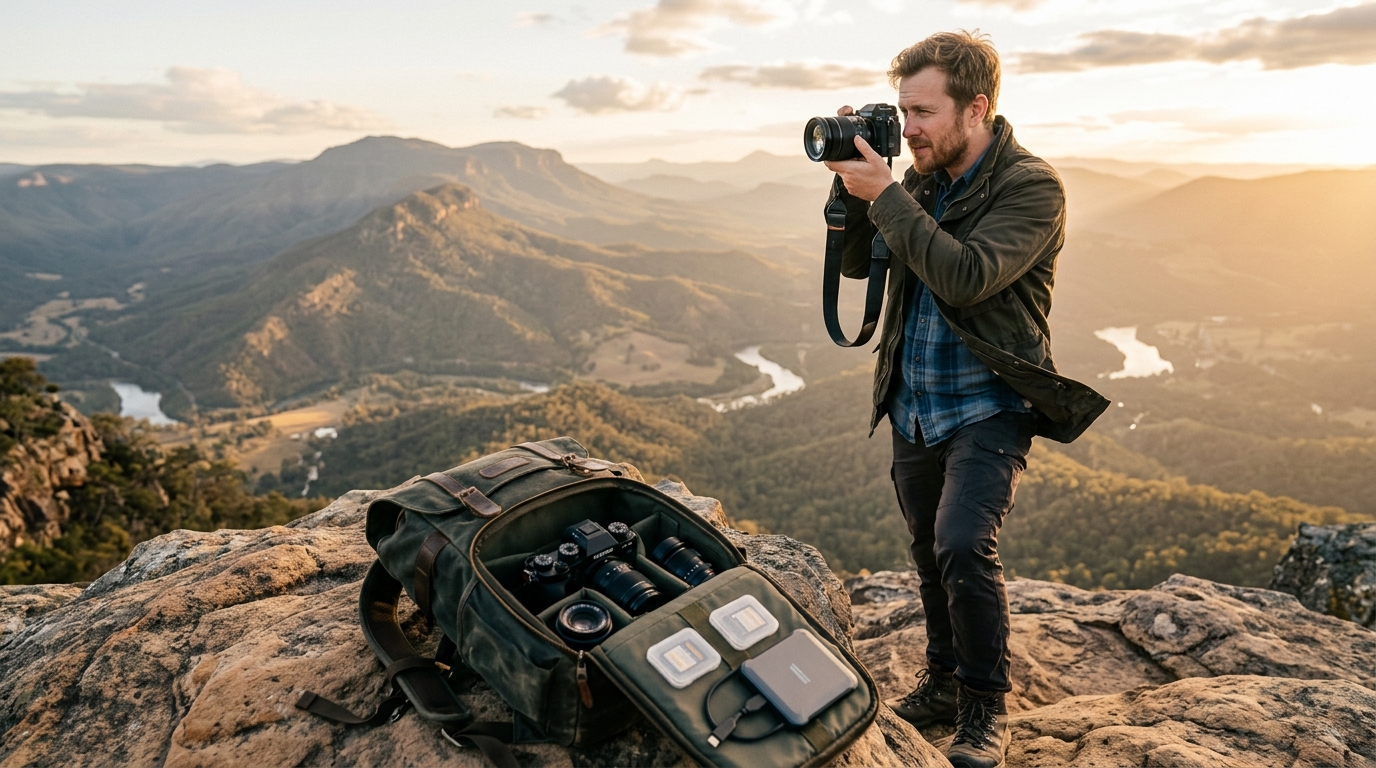
Before I leave, I research the weather, sunrise and sunset times, seasonal events, access rules, and likely crowd levels so I can plan around the best opportunities. I save offline maps, mark a few viewpoints, and note backup locations in case rain, closures, or busy streets change my route. Rather than chasing every landmark, I choose a few themes, such as morning street life, local food, architecture, or changing light, which gives my trip a visual story. I still leave open pockets in the schedule because some of my favorite photographs have come from following music down an unfamiliar lane or noticing warm window light after an unexpected shower.
A simple backup routine protects those memories without adding much weight to my bag. Each evening, I copy the day’s images to a portable drive or secure cloud storage when the connection allows, then check that the files open before formatting a memory card. I carry spare batteries, a charging cable, and enough storage for an extra day of shooting, whether I am using a dedicated camera or a phone. For added security, I keep the backup drive separate from my camera bag, so one lost bag does not erase the entire trip.
Photography should help me notice a destination, not pull me away from it. I often set aside a few minutes to put the camera down, taste the food, listen to the street, or watch the light change without framing it through a screen. When photographing people, I ask permission when appropriate and respect signs, private spaces, religious customs, and moments that are not mine to document. The best travel photographs usually follow genuine attention, so I aim to make a few thoughtful images and then return fully to the experience unfolding around me.
Turn Travel Moments Into Memorable Photos
The best travel photography tips have helped me realize that memorable images do not require a heavy bag or the most expensive camera. I carry lightweight gear I know well, whether that means a compact camera or a smartphone, and I pay close attention to changing light, quiet details, and unexpected moments. Before pressing the shutter, I look for stronger angles, clean backgrounds, leading lines, and natural frames that turn familiar landmarks into personal photographs. I also slow down enough to ask permission when photographing people, respect local customs, and let genuine interactions guide the image rather than interrupting them.
A reliable backup routine gives me peace of mind, so I regularly copy photographs to a second location and protect them from loss during the journey. Even more important, I leave room for curiosity instead of following my plan so closely that I miss a sunlit market, a passing expression, or the texture of an ordinary street. The strongest travel photographs often come from observing patiently and responding quickly when the light or composition suddenly feels right. I hope you return home with both a thoughtful collection of images and vivid memories of being fully present in the places you explored.