
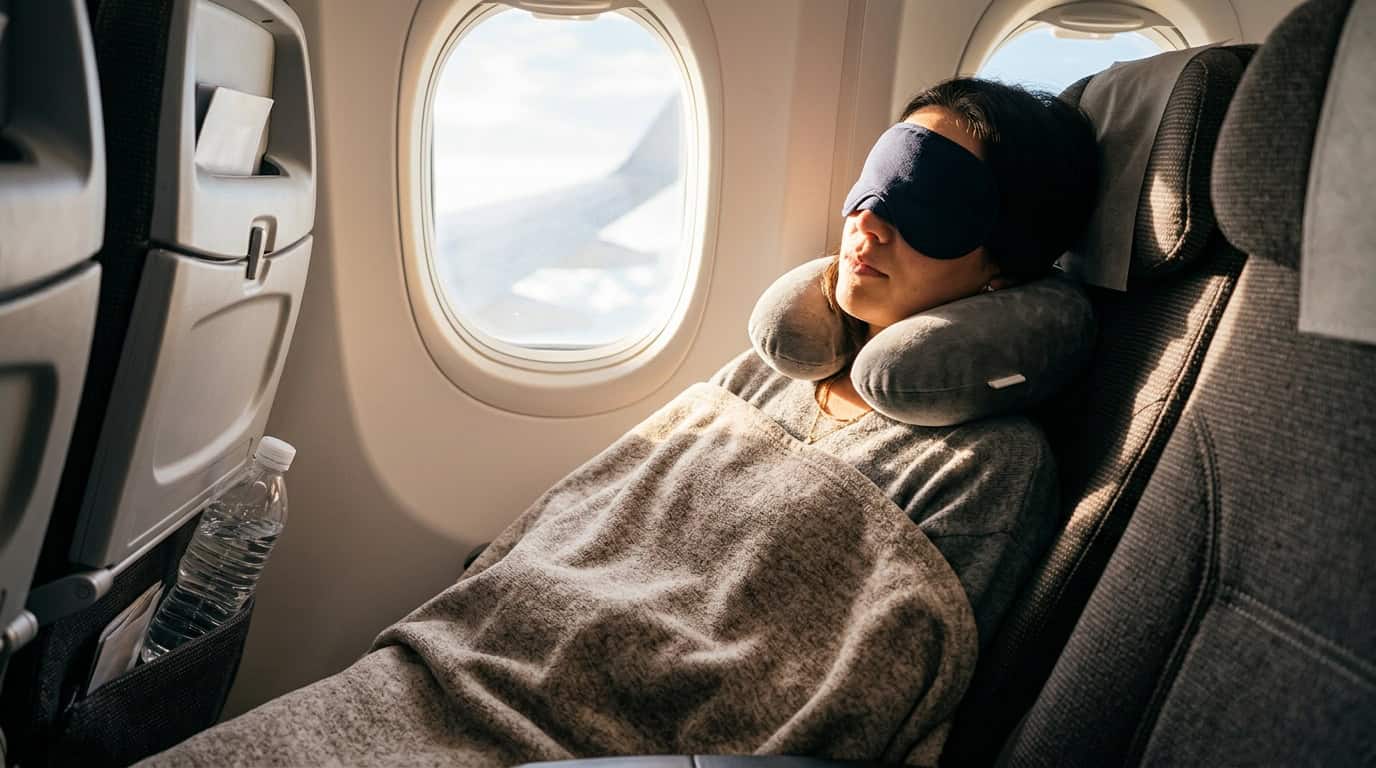
A red-eye flight can carry me from a sunrise over the Atlantic to a sleepless night in Tokyo, but jet lag prevention helps me arrive ready to explore instead of counting down to bedtime. I can start shifting my sleep schedule before departure, seek bright light at the right time, and follow the local clock as soon as I land. These small, well-timed choices often make the difference between a foggy first day and an energized start.
I also make sleep a priority, stay hydrated, and use short naps carefully instead of trying to push through exhaustion. When appropriate, carefully timed melatonin may help reset my internal clock, but taking more is not necessarily better. With a little planning, I can trade airport fatigue for fresh mornings, vibrant streets, and more time to enjoy my destination.
Key Takeaways
- Begin preparing for jet lag two to three days before departure by shifting bedtime and wake time 30–60 minutes toward the destination schedule—earlier for eastbound travel and later for westbound travel.
- Use bright light strategically after arrival: morning light generally supports eastbound adjustment, while late-afternoon or evening light helps with westbound travel. Avoid bright light at times that conflict with the desired schedule.
- Adopt the destination’s sleep, meal, and activity schedule immediately after landing. Stay awake until a reasonable local bedtime, keep naps to about 20–30 minutes, stay hydrated, limit alcohol and late-day caffeine, and prioritize consistent nighttime sleep.
- Melatonin can support body-clock adjustment when carefully timed, especially after eastward travel, but higher doses are not necessarily better. Review potential interactions, health considerations, and appropriate timing with a healthcare professional.
Introduction To Jet Lag Prevention
Jet lag is a temporary mismatch between my internal body clock and the day and night schedule at my destination. After crossing several time zones, my body may still feel ready for sleep while the local world is starting its day, or the reverse. That disconnect can lead to fatigue, poor concentration, mood changes, and restless or interrupted sleep. I think of jet lag prevention as a way to soften the transition, not as a promise that I will arrive feeling perfectly rested.
The number and direction of the time zones I cross make a real difference. Flying east often feels harder because I am asking my body to fall asleep and wake earlier than usual, while longer journeys require a bigger adjustment. Losing sleep before or during the flight can make symptoms more noticeable, so I try to begin with a consistent sleep routine and shift my bedtime gradually when my schedule allows. Even a small adjustment before departure can make the first morning in a new city feel more manageable.
Once I arrive, I use local daylight, regular meals, and a destination-based sleep schedule to help reset my rhythm. Bright light at the right time can support adjustment, while exposure at the wrong time may work against it, so I avoid treating sunlight as a one-size-fits-all solution. Staying hydrated and limiting alcohol can also support how I feel during the journey. Carefully timed melatonin may be appropriate for some travelers after they review reliable medical guidance. These steps cannot completely prevent jet lag, but they can reduce fatigue, improve concentration, and help me settle into the rhythm of the trip sooner.
Adjust Sleep Before Departure
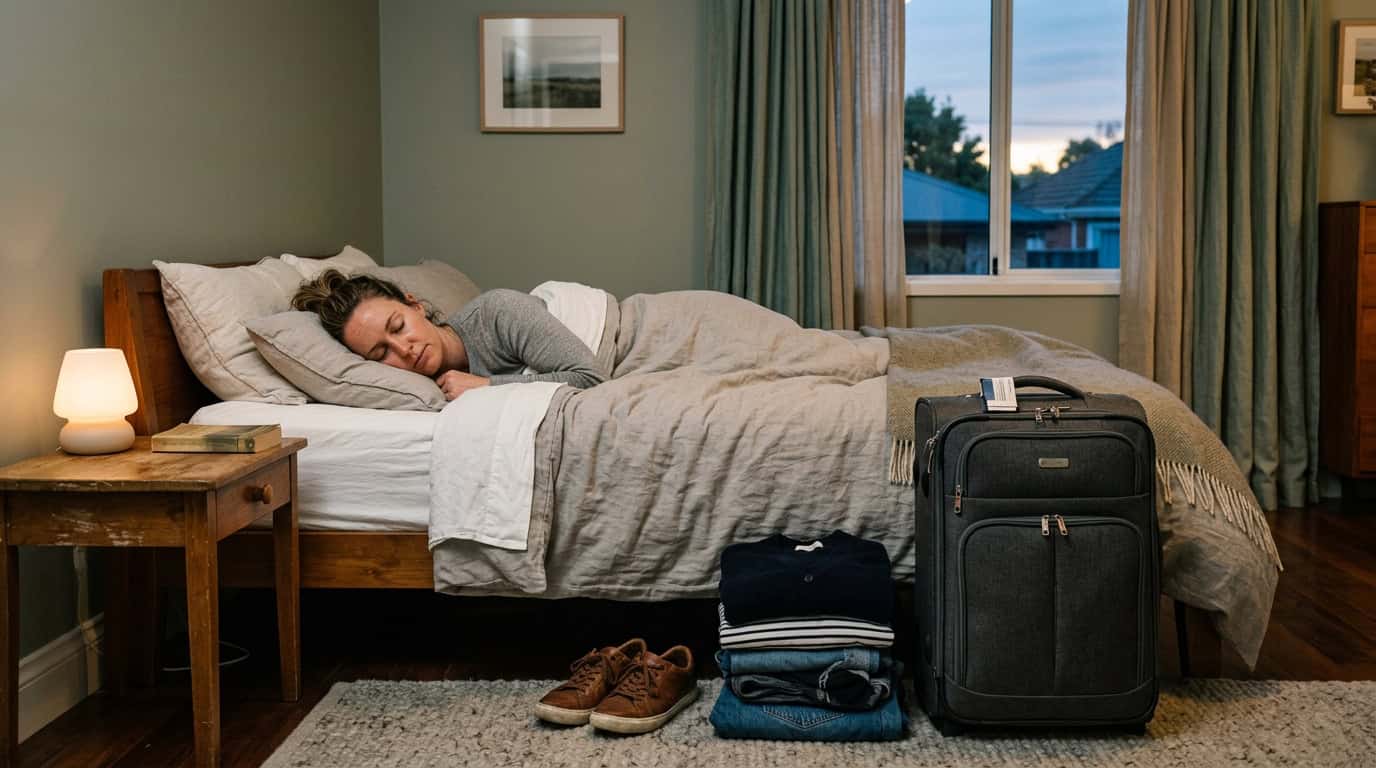
I start adjusting my sleep schedule two to three days before departure, moving my bedtime and wake-up time by about 30 to 60 minutes each day. For an eastbound trip, I shift earlier, while a westbound journey calls for a later bedtime and wake-up time. Even a modest adjustment can make the first morning at my destination feel less abrupt, especially when I am crossing several time zones. I also plan around the local schedule by checking when I should sleep, wake, and eat after landing. The goal is not perfect prevention, but giving my body a helpful head start.
Once I begin the journey, I use the destination’s clock as soon as practical and time my light exposure accordingly. Morning light generally helps when I am adapting to an eastbound schedule, while later-day light can be useful for westbound travel. Bright light at the wrong time, however, may work against the adjustment. I protect my sleep with an eye mask, earplugs, comfortable layers, and a flight plan that supports rest instead of relying on alcohol or excessive caffeine. Drinking water, eating lightly, and taking a short nap instead of sleeping for hours during the day can also help me arrive ready to explore. If I am considering melatonin, I check with a healthcare professional because timing, medications, and personal health conditions matter.
A short turnaround trip deserves extra planning because I may have little time to adapt before heading home again. For a two- or three-day visit, I might keep some familiar sleep hours rather than forcing a complete adjustment, while still getting daylight and enough rest to stay alert. I schedule important meetings, hikes, or early excursions when my energy is likely to be strongest, and I leave room for a quiet first evening after arrival. Before flying home, I repeat the same strategy in reverse, shifting my sleep gradually when possible. This small investment in planning helps me spend more of the trip enjoying sunrise markets, scenic walks, and late dinners instead of fighting fatigue.
Time Light Exposure Strategically
I treat bright light as a powerful reset signal for my body clock, but only when I use it at the right time. After arrival, I follow the destination’s local clock and spend time outdoors during the recommended light window rather than seeking sunlight whenever it appears. Morning light generally helps shift the body clock earlier, while late-day light tends to shift it later, so the same sunny walk can help or hinder me depending on the direction of travel. I never look directly at the sun, and ordinary outdoor daylight is usually enough to provide a strong signal.
For eastward trips, I aim for outdoor light in the morning after arrival, perhaps with breakfast near a bright window or a relaxed walk through a new neighborhood. I keep bright light lower in the evening by dimming indoor lights and limiting stimulating screen use close to bedtime, especially when I am trying to sleep earlier than usual. Westward travel usually calls for the opposite approach. I seek bright light in the late afternoon or early evening and avoid strong light very early in the morning if I need to stay on the destination’s schedule. These strategies are general guides, and the ideal timing can vary based on the number of time zones I cross and my usual sleep pattern.
My arrival-day plan pairs light exposure with practical schedule cues that make the adjustment feel more natural. I eat meals, exercise, and go to bed according to local time, while using a short nap only if exhaustion makes staying awake unsafe or impossible. If I land in the morning after westward travel, I may keep the first part of the day softly lit, then enjoy a bright evening stroll along the waterfront or through a lively market. With a little planning, daylight becomes part of the journey itself, helping me explore the destination while gently nudging my internal clock into place.
Build A Destination Sleep Schedule

I start adapting to local time as soon as I land, even if my body still feels anchored to home. I eat my next meal according to the destination’s clock, take a gentle walk, and choose activities that keep me engaged without exhausting me. If I arrive during the day, I try to stay awake until a reasonable local bedtime, using a short nap of 20 to 30 minutes only when fatigue becomes overwhelming. This approach helps me avoid turning an early-afternoon arrival into a full night of restless sleep.
My first evening stays simple: a local-time dinner, low-key plans, and a consistent bedtime that gives me enough opportunity for rest. I drink water throughout the journey and after arrival because dehydration can worsen fatigue, headaches, and general discomfort, although hydration alone cannot prevent jet lag. The next morning, I get outside for daylight, enjoy breakfast at a normal local hour, and add gentle movement, such as a walk through a neighborhood market or along the waterfront. These familiar anchors help my internal clock begin catching up with the new destination.
Over the following days, I keep my wake-up time steady, even if my sleep is imperfect, and continue timing meals and outdoor activities around local daylight. Morning light is especially useful for reinforcing an earlier schedule, while evening plans stay calm and dimly lit when I am trying to fall asleep earlier. I also avoid relying on long daytime naps because they can make the first night harder. I cannot eliminate jet lag completely after crossing several time zones, but this destination-based rhythm can shorten the adjustment and leave me with more energy for exploring.
Consider Melatonin And Travel Aids
Melatonin may help shift my body clock when I take it at the right time, particularly after eastward travel, but more is not necessarily better. I think of it as a timing tool rather than a guaranteed sleep aid, and I follow product directions or a clinician’s advice instead of experimenting with large doses. Before using it, I check for medication interactions, pregnancy considerations, underlying health conditions, and local rules governing melatonin. A destination-based sleep schedule, morning or evening light exposure chosen for the direction of travel, and a gradual pre-trip adjustment usually provide the strongest foundation.
Small choices can make the flight itself more comfortable while my body begins adapting. I limit caffeine later in the destination day, skip alcohol when possible because it can disrupt sleep, and drink water regularly without forcing excessive amounts. A sleep mask, earplugs, loose layers, and a supportive neck pillow can turn a noisy cabin into a calmer space, but they cannot replace adequate sleep and well-timed light. On a long flight, I aim for a simple routine that matches my destination, eating lightly, stretching periodically, and resting when it is nighttime there.
Once I arrive, I try to stay awake until a reasonable local bedtime and get outside during the part of the day that supports my new schedule. Even a walk through a sunny plaza or along a waterfront can provide useful light exposure while helping me feel connected to the destination. I keep naps short if I need one because a long afternoon sleep can make the first night harder, and I adjust meals and caffeine to local time. These supporting habits, combined with careful planning before departure, can reduce jet lag’s effects without promising to eliminate it completely.
My Jet Lag Prevention Game Plan
The most reliable jet lag prevention plan starts before I board the plane. I adjust my bedtime gradually toward my destination’s schedule, then use bright daylight at the right time after arrival instead of treating light exposure as an all-purpose cure. Once I land, I follow local sleep and meal times, stay hydrated, choose gentle activities, and keep naps short so my body can settle into the new rhythm. I protect nighttime sleep with a cool, dark room and limit late-day caffeine, while considering melatonin only when it is appropriate for me and carefully timed, ideally with guidance from a healthcare professional. These small choices cannot eliminate jet lag after I cross several time zones, but they can make the first days noticeably easier.
I also remind myself that the first few days are part of the itinerary, not a time to push through exhaustion. A morning walk through a market, an early museum visit, or a quiet café stop can be just as memorable as a packed day of sightseeing, especially when I give my body time to adjust. By planning lighter activities at first and saving late-evening strolls for when my energy returns, I arrive ready to enjoy the destination instead of simply enduring it. With thoughtful sleep timing, daylight, meals, hydration, and rest, I can greet that first sunrise with curiosity and make the most of every hour ahead.