
The first time I saw the Faroe Islands rising from the mist, I understood why this remote archipelago feels almost otherworldly. This Faroe Islands travel guide is for anyone dreaming of dramatic sea cliffs, green mountains, turf-roofed villages, and winding roads shaped by the North Atlantic. I’ll help you plan a trip that balances unforgettable scenery with practical decisions about when to visit, where to stay, how to get around, and what weather to expect.
From Tórshavn’s colorful harbor to waterfalls tumbling into the sea, the Faroes reward travelers who leave room for detours and changing skies. I’ll share the highlights I would prioritize, along with practical tips for ferries, tunnels, hikes, and building a flexible itinerary across the islands. With the right preparation, even a short visit can feel wonderfully wild and deeply personal.
Key Takeaways
- Visit between May and September for better hiking access, active seabirds, regular boat trips, and longer daylight, but prepare for sudden fog, rain, and strong winds with waterproof gear and flexible plans. Check Faroe-specific entry requirements, travel insurance, and current trail and access rules before departure.
- Renting a car offers the most flexibility for reaching remote villages and viewpoints, but plan for narrow roads, subsea tunnel tolls, ferries, sheep, and rapidly changing conditions. Reserve vehicle ferry spaces and popular excursions early, while keeping backup days for cancellations or delays.
- Prioritize Tórshavn, Kirkjubøur, Saksun, Tjørnuvík, Gjógv, Klaksvík, Vágar, Gásadalur, Sørvágsvatn, and Mykines on a five-day itinerary, but adjust the order around the safest weather windows rather than following a rigid schedule.
- Hike and photograph responsibly by checking forecasts, fees, permits, and trail notices; staying on marked paths; keeping away from cliff edges and nesting seabirds; and respecting private land, village residents, and local wildlife.
Planning Your Faroe Islands Trip
I find May through September the best time for a Faroe Islands trip. During these months, hiking trails are generally more accessible, seabirds are active, boat excursions run more regularly, and longer daylight hours make it easier to explore. Summer still brings sudden fog, rain, and strong winds, so I always pack waterproof layers, sturdy hiking shoes, and a flexible attitude toward changing plans. Before booking, check the latest entry requirements carefully. The Faroe Islands have separate travel rules from mainland Denmark and are outside the European Union, even though they are part of the Kingdom of Denmark. Confirm your passport requirements, visa eligibility, and any transit rules well ahead of departure.
Travel insurance is especially worthwhile here because weather can delay flights, ferries, boat trips, or outdoor activities, while mountain conditions can change quickly. The local currency is the Danish krone, and cards are widely accepted, although I still carry a small amount of cash for remote villages or unexpected situations. Accommodation can be one of the largest expenses, particularly during summer, so I recommend reserving guesthouses, hotels, or self-catering stays early. I have found that staying in or near Tórshavn can simplify transport and dining, while village bases offer quieter mornings and closer access to dramatic scenery.
The Faroe Islands are beautiful but rarely inexpensive, so I plan my budget with transport, accommodation, meals, tunnels, ferries, guided excursions, and weather-related changes in mind. Renting a car can make it easier to reach places such as Saksun, Gjógv, and the villages around Sørvágsvatn, but fuel, parking, and road tolls add up quickly. Even with careful planning, I leave room for a last-minute indoor day, a postponed boat trip, or an extra night when the weather closes in. That flexibility is part of the experience. The same misty mountains, green cliffs, and restless sea that complicate travel also create the unforgettable photographs that draw people here.
Getting Around The Faroe Islands
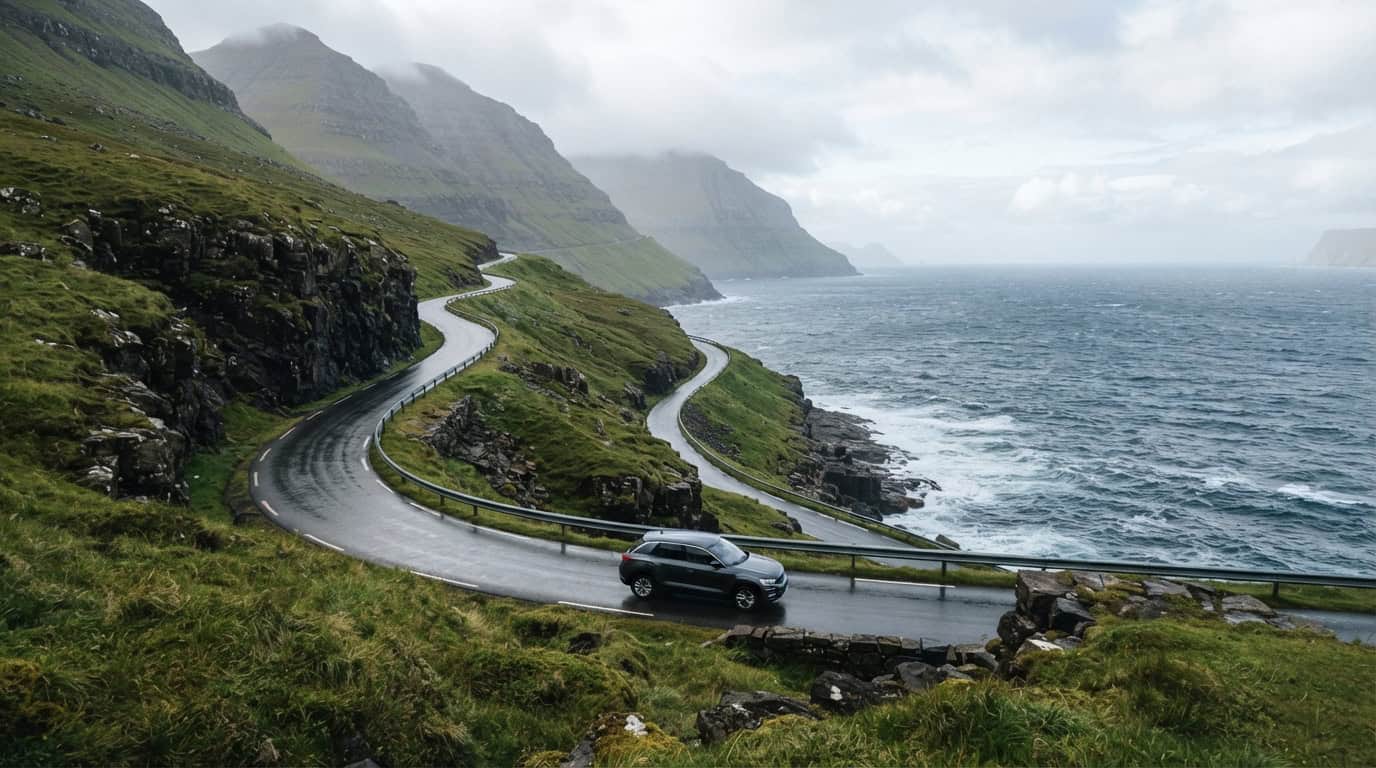
I find a rental car the easiest way to explore the Faroe Islands, especially when dramatic viewpoints and quiet hiking trails are the priority. Buses connect the main towns, while ferries reach several islands, but schedules can be less convenient outside summer and may not align with changing weather. Expect narrow, winding roads, one-lane sections, steep passes, and sheep wandering near the carriageway, so I drive slowly and allow extra time for sudden fog, rain, wind, or icy conditions. Before setting out, I check road updates and confirm that my rental agreement covers the subsea tunnels, since tunnel tolls are commonly recorded automatically and charged through the vehicle provider.
Ferries are essential for some island trips, and I reserve a space in advance when taking a car, particularly during busy summer periods. Passenger buses and ferries can be lower-stress, lower-cost options, but I always build in flexibility because sailings may be delayed or canceled in rough seas. Helicopter flights are limited, mainly connect selected communities, and are intended as transport rather than sightseeing services, so they should never be the backbone of an itinerary. For a practical five-day route, I spend day one in Tórshavn and nearby Kirkjubøur, day two driving north to Saksun and Tjørnuvík for village walks and cliff views, and day three exploring Gjógv before continuing to Klaksvík.
On day four, I cross to Vágar for the hike toward Trælanípa and the famous lake-over-ocean viewpoint, leaving time for waterfalls and the village of Bøur. I use day five for Mykines, reserving the ferry early and checking access conditions before walking toward the lighthouse and puffin habitat. I then return to Vágar or Tórshavn according to the sailing schedule. This route balances the capital’s cafés and historic streets with turf-roofed villages, sea cliffs, and photography-friendly mountain scenery. I keep the itinerary deliberately flexible because a clear morning can become misty within minutes, and the best decision may be to swap days and follow the safest weather window.
Faroe Islands Hiking And Photography
I find the walk to the Sørvágsvatn viewpoint and Trælanípa especially rewarding, where the lake appears to hover above the ocean from the cliff edge. The route can be steep, muddy, and exposed, and access through private land may require a trail fee or be subject to seasonal restrictions, so check the latest local guidance before setting out. Nearby, Gásadalur offers an easier village stop and a memorable view of Múlafossur waterfall plunging toward the sea. I recommend sturdy waterproof footwear, even in summer, because wet grass and loose ground can make short hikes surprisingly demanding.
For dramatic coastal images, look toward the sea stacks of Drangarnir and the cliffs of Vestmanna, where layered rock, crashing surf, and circling seabirds create unforgettable scenes. Access to Drangarnir is controlled and may require a permitted hike or guided arrangement, while the Vestmanna cliffs are often best experienced from the water. Weather conditions determine whether boat trips can operate. I try to photograph early or late in the day, when low light brings out the contours of the cliffs and villages, but I always leave flexibility for fog and sudden changes in visibility. Never approach cliff edges in strong wind or dense fog, and keep well back from unstable ground and breaking waves.
Before any hike, I check the weather forecast, trail notices, parking guidance, and current fees, since rules can change to protect fragile areas and manage visitor pressure. I stay on marked paths, close gates behind me, and avoid crossing private farmland unless access is clearly permitted. Nesting seabirds are part of the islands’ magic, so I keep quiet, maintain a generous distance, and never use drones near colonies or cliffs. A patient, respectful approach usually rewards me with better photographs and a far more meaningful experience.
Villages Food And Local Experiences
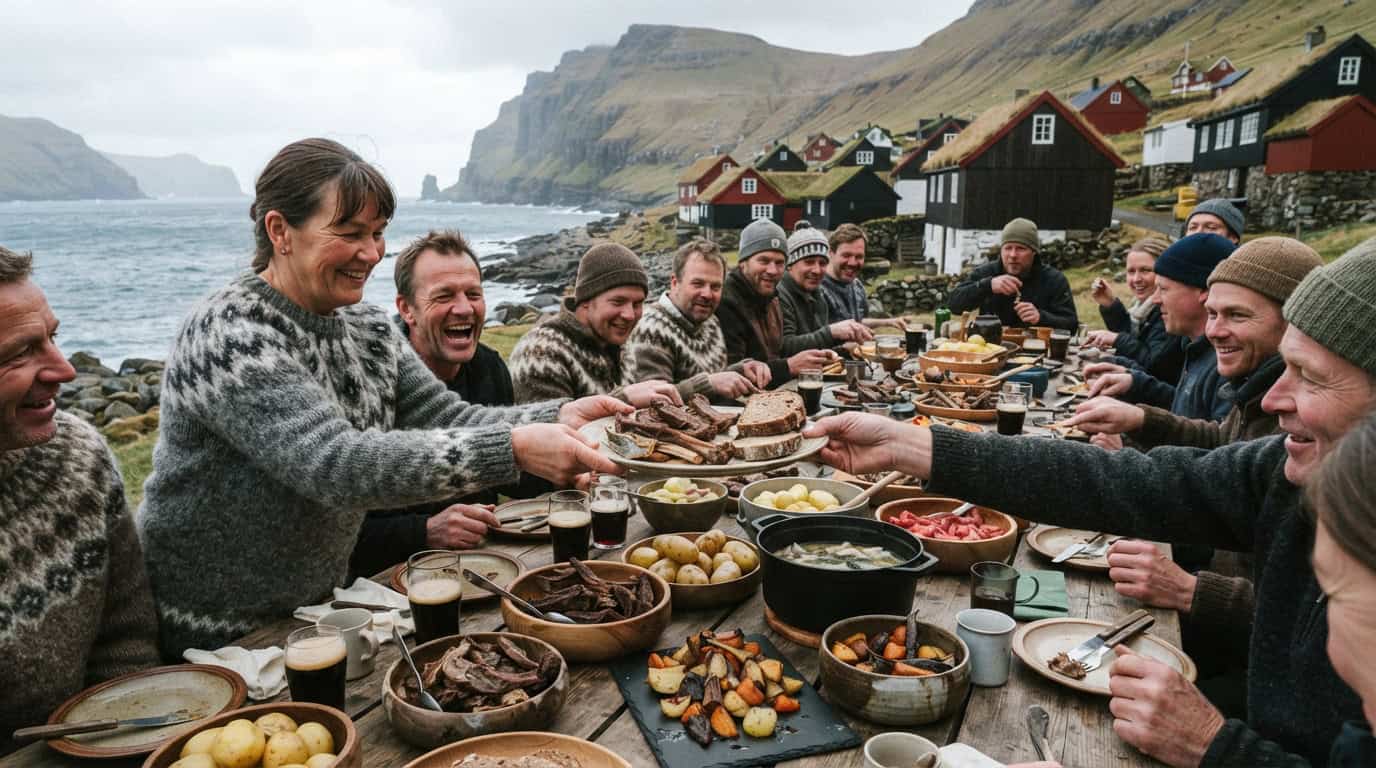
I slow down in the Faroe Islands by treating each village as a place to linger, not just a stop between viewpoints. In Gjógv, I wander past colorful houses toward the natural harbor, while Saksun invites a quiet walk beneath steep mountains and turf roofs. Kirkjubøur adds layers of history with its old farm buildings and medieval church, and Tórshavn rewards an unhurried afternoon of harbor walks, cafés, and small museums. I bring a waterproof layer because a sunny view can disappear into mist within minutes. In villages, I keep my voice low, avoid entering private land, and never block narrow roads or driveways while photographing homes.
Food is one of my favorite ways to connect with local life, whether I am lingering over coffee in Tórshavn or ordering fresh Faroese seafood and tender lamb after a coastal walk. I look for wool sweaters, scarves, and other locally made products, then allow time for museums that explain the islands’ seafaring, farming, and Viking-era history. On calmer days, a boat excursion reveals cliffs, sea stacks, and nesting seabirds from a completely different angle, but weather can change departure times quickly. When rain settles in, I treat it as an invitation to explore a museum, browse wool shops, enjoy a long café lunch, or watch the harbor from indoors. Asking before photographing people, homes, or working farms is a small courtesy that makes village visits more respectful.
For the best balance of iconic scenery and solitude, I visit famous viewpoints early or late, then turn onto quieter roads and follow marked coastal paths near the villages. I check local conditions before hiking, allow extra driving time for tunnels and single-track sections, and avoid stopping where passing traffic cannot see me. A short walk near Saksun or Gjógv can feel just as memorable as a headline attraction when fog rolls across the cliffs and the sea appears between the clouds. I also leave room in the itinerary for an unplanned detour, a warm meal, or a weather delay, since the Faroe Islands are at their most rewarding when I travel patiently.
Plan Your Flexible Faroe Islands Adventure
A successful Faroe Islands trip begins with thoughtful planning, especially when your days may include ferries, tunnels, local buses, and hikes that depend on safe conditions. I recommend leaving room in your schedule for weather delays because fog, wind, and rain can transform a clear viewpoint into a misty scene within minutes. Building a route around Tórshavn, Klaksvík, and smaller villages makes it easier to combine dramatic cliffs, waterfall walks, and photography stops without rushing from one island to the next. I also set aside a realistic budget for accommodation, meals, transport, and occasional activity fees because remote travel can cost more than expected.
The most rewarding moments often come from slowing down and treating the islands as living communities rather than simply a scenic backdrop. Following marked trails, checking local guidance, driving carefully, and keeping noise low in villages helps protect the fragile environment and respects the people who call these islands home. When I allow flexibility, a delayed outing can become an unexpected village visit, a quiet coffee, or a golden break in the clouds over the sea. With patience and curiosity, discovering the Faroe Islands slowly, from dramatic cliffs and remote trails to warm village hospitality, can turn even a short visit into an unforgettable adventure.