
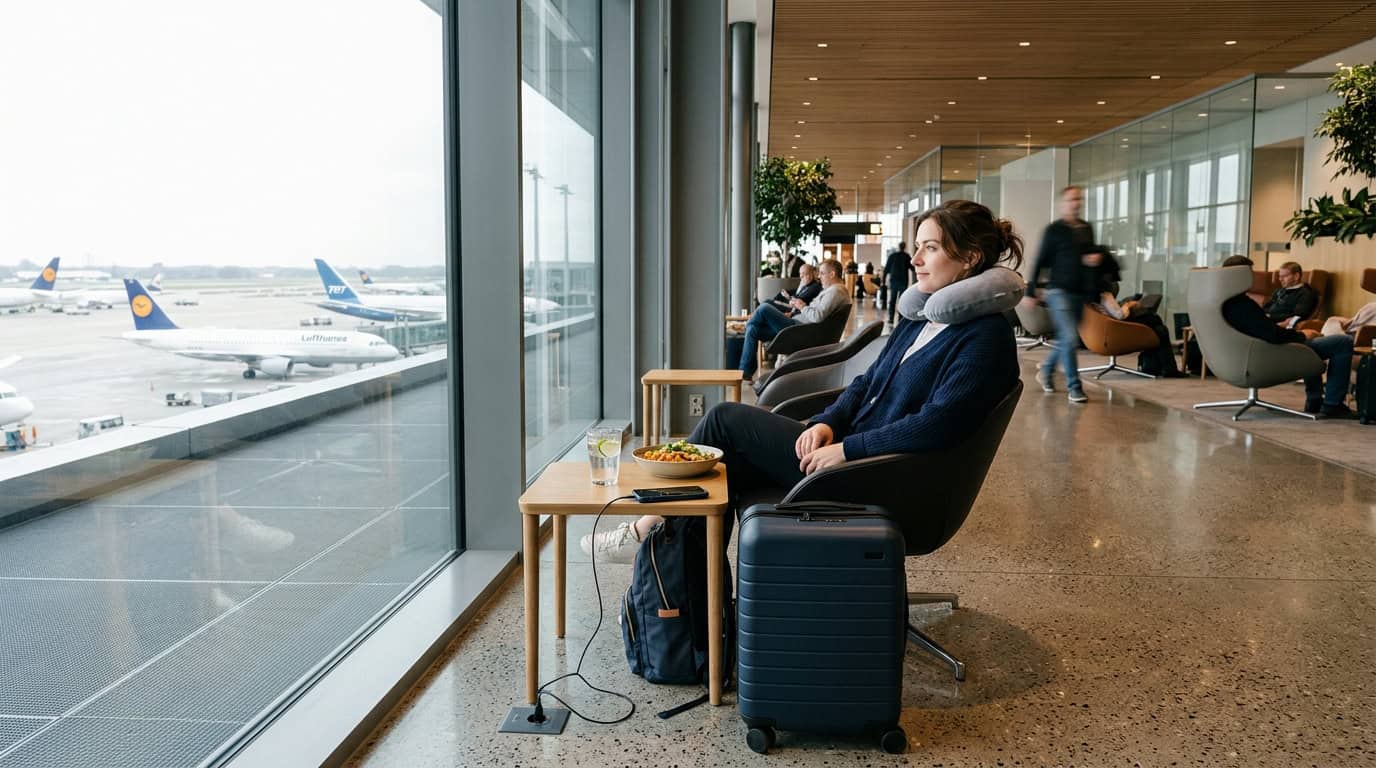
A long layover does not have to mean staring at a departure board for hours. I have turned airport layovers into mini adventures by savoring a local meal, unwinding in a quiet lounge, and even catching a quick shower before my next flight. The best option depends on whether I can stay airside, how much time I have, and whether I need to clear immigration or security.
With the right plan, a few hours can bring rest, discovery, or a welcome taste of the city beyond the terminal. Before venturing far from the gate, I check transfer times, visa rules, baggage arrangements, airport hours, and transportation reliability. I also leave a generous boarding buffer, which keeps the experience enjoyable instead of turning a memorable stop into a stressful sprint.
Key Takeaways
- Match your layover activity to the time available: connections under two hours should prioritize reaching the gate, while longer airside stays can accommodate meals, lounges, showers, rest, and terminal amenities.
- Treat immigration, customs, baggage collection, terminal transfers, security, transportation, and boarding buffers as part of the layover—not as optional delays.
- Leave the airport only when you have ample time, confirmed visa and baggage requirements, reliable transportation, and a simple destination close to the airport; return at least 90 minutes before domestic flights and two hours before international departures.
- Choose one restorative or memorable priority instead of overpacking the schedule, and keep your gate, boarding time, and return route visible throughout the layover.
Layover Activities Under Two Hours
With less than two hours between flights, I make reaching the next gate my first priority. I check the airport map, confirm the terminal and gate number, and estimate the walking or shuttle time before stopping for food or coffee. Terminal changes, immigration, security checkpoints, and sprawling airport layouts can turn a seemingly generous connection into a rushed transfer. If I need to change terminals, I look for the airport train, shuttle, or pedestrian route immediately and allow extra time for queues. I also check the airport app or departure screens for gate changes before settling in.
Once I know I am close to the correct gate, I use the remaining time for a quick meal, a bottle of water, and a few stretches to reset after the first flight. I prefer convenient food near the gate rather than searching for a popular restaurant across the terminal, especially when boarding begins early. Even five minutes of walking, shoulder rolls, and calf stretches can make the next flight more comfortable. Before relaxing, I confirm the boarding time, seat, gate, and any document requirements for the next leg. I keep my phone, passport, and boarding pass easy to reach instead of burying them in my carry-on.
The safest rule for a short layover is to protect a comfortable boarding buffer rather than squeeze in one more activity. I aim to reach the gate well before boarding, since some flights close their doors earlier than expected and a last-minute security queue can quickly erase spare time. If the connection involves immigration, rechecking bags, or an additional security screening, I treat those steps as part of the travel time, not optional delays. I save lounges, showers, shopping, and airport sightseeing for longer connections, when I can enjoy them without watching the clock. A calm transfer may feel less exciting than exploring, but arriving ready and unhurried is the best layover activity under two hours.
Airside Comfort for Long Layovers

For a two- to six-hour airside layover, I start by checking my next gate, terminal transfer time, and boarding schedule before settling in. A lounge can be worth the cost when it includes comfortable seating, reliable Wi-Fi, food, showers, charging points, and a quiet place to work, so I compare the access fee with what I actually need. Some lounges are available through a ticket class, travel membership, or day pass, but I always check guest rules, opening hours, shower availability, and whether reservations are required. If a lounge does not make sense, I look for a well-reviewed airport restaurant, café, or food hall where I can enjoy a proper meal instead of rushing through a snack at the gate. Keeping my boarding time visible helps me relax without losing track of the journey.
When my energy is low, I treat the terminal like a small wellness retreat and choose activities that help me reset. Sleep pods, reclining chairs, quiet zones, and airport hotels can turn a restless wait into a refreshing break, while showers and wellness services are especially welcome after a long overnight flight. For a gentler change of scenery, I look for indoor gardens, art displays, observation decks, or cultural exhibits that make the airport feel less like a waiting room. Shopping can fill an extra hour, but I prefer browsing local foods, books, and travel essentials rather than carrying too many new bags onto the plane. Even a slow walk through a bright terminal can lift my mood before the next leg.
A little preparation makes airport layover activities far more enjoyable, especially when I am traveling with a carry-on or working between flights. I check airport maps for charging stations, secure luggage storage, showers, sleep areas, and free Wi-Fi before leaving my arrival gate, since these services may be located in another concourse or have limited hours. I also keep essentials such as a charger, headphones, toothbrush, and clean shirt in an easy-to-reach pocket, which saves time if my checked bag is unavailable. With six hours, I might combine a meal, shower, quiet rest, and a short walk, while a two-hour connection calls for something close to the gate. The best plan matches my energy level, leaves a generous boarding buffer, and makes the layover feel like part of the trip rather than time lost.
Leaving the Airport During a Layover
Leaving the airport during a layover can turn a long wait into a memorable mini-adventure, but I only do it when I have plenty of time beyond the scheduled connection. After an international arrival, I allow 60 to 120 minutes for immigration, baggage collection, customs, and finding the correct exit, then add transportation time in both directions. I also aim to return to the airport at least two hours before an international departure or 90 minutes before a domestic flight, with extra time during busy travel periods. A six-hour layover may sound generous, but it can shrink quickly once terminal transfers, traffic, and security lines enter the picture. Before leaving, I confirm my visa or transit-entry requirements, whether checked bags are through-checked, and whether the airport remains open during my absence.
When the timing works, I plan one simple destination rather than trying to see an entire city. For example, on an eight-hour layover, I might spend the first 90 minutes clearing formalities, take reliable rail or a prearranged taxi to a central neighborhood, enjoy a quick local meal, visit a nearby landmark for two hours, and return with at least three hours left before departure. I keep the route close to the airport and choose activities with flexible timing, such as a riverside walk, historic square, market, or airport-adjacent museum. Real-time traffic, transit schedules, and weather can change the plan, so I check local transportation conditions on the day of travel and keep a backup route ready. If the city visit feels rushed, an airport hotel or short-stay room can provide a shower, quiet sleep, and a more comfortable reset without the risk of missing my flight.
I treat luggage arrangements and airport operating hours as essential parts of the excursion, not minor details. If my bags are not checked through, I need to collect them, store them securely if possible, and return early enough to check them again. I also verify terminal access, reentry procedures, security wait times, and whether late-night transportation is dependable, especially for overnight layovers. A landmark stop makes sense only when the journey is short and predictable, while a nearby hotel is often the better choice after a delayed or exhausting flight. By building in generous buffers, I can enjoy a glimpse of the destination while keeping the next flight firmly in sight.
Layover Plans by Connection Length
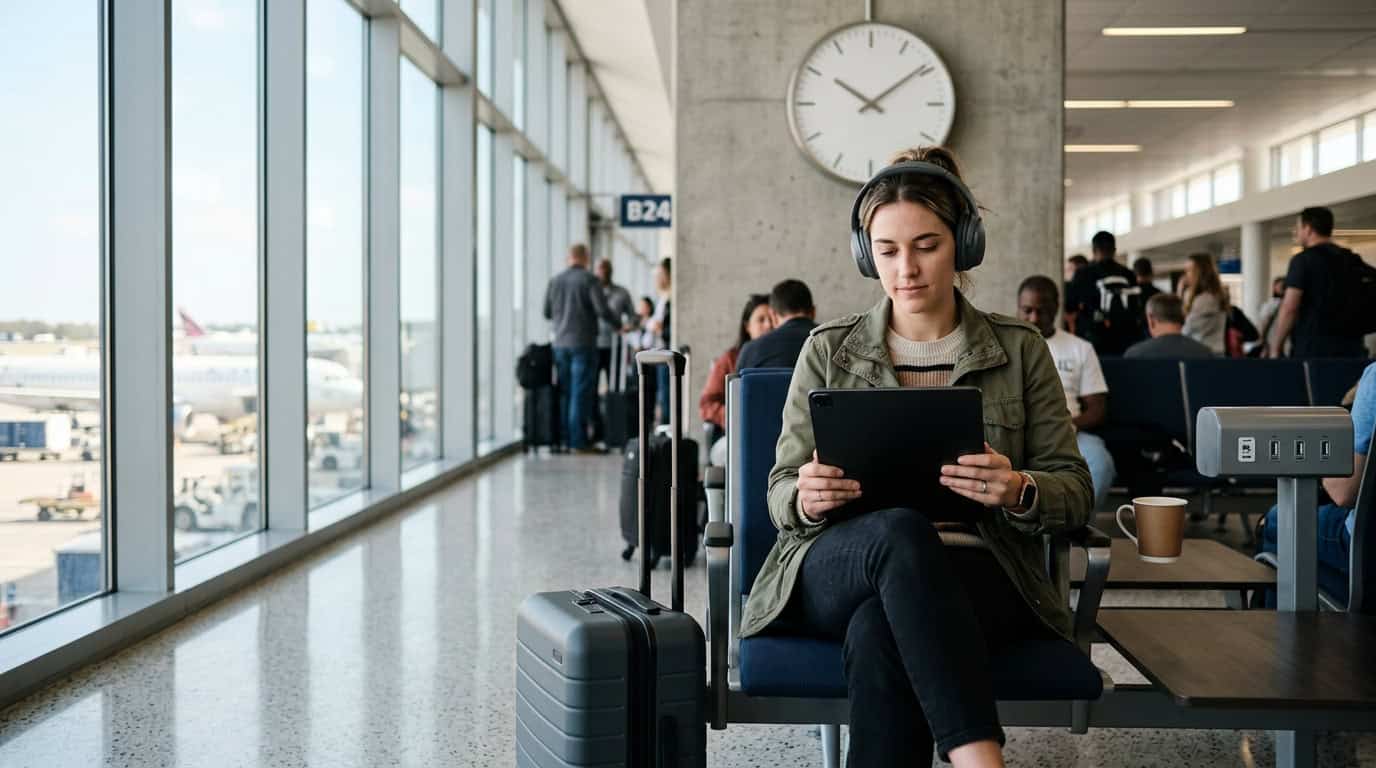
For a 90-minute connection, I keep my layover activities simple and stay focused on the next gate. I spend the first 10 minutes checking the terminal map and walking directly to the departure area, then use the next 20 minutes for a quick meal or coffee nearby. If I have time, I stretch, refill my water bottle, and find a quiet seat for a short rest. I aim to be back at the gate at least 30 minutes before departure, leaving a 20-minute cushion for a crowded terminal, shuttle ride, or unexpected gate change. When immigration or a second security screening is required, I skip exploring and treat the connection as a gate transfer.
A four-hour layover gives me room for a comfortable meal and lounge break, especially when my bags are checked through and I can remain airside. After reaching the connecting terminal, I allow 30 to 45 minutes for walking and any required screening, then spend about an hour enjoying a proper meal before settling into a lounge or designated rest area. I use the remaining time to shower, charge my devices, answer messages, and take a gentle walk through the terminal’s shops or public art spaces. About 75 minutes before departure, I leave the lounge, confirm the gate, and return to the boarding area with time to spare. This plan feels restorative without turning a routine connection into a stressful race.
An eight-hour layover can become a memorable mini excursion, but I only leave the airport after checking transit-entry rules, baggage arrangements, terminal hours, and local transportation reliability. For example, in Singapore, I might spend the first hour clearing formalities and traveling into the city, enjoy a two-hour walk through Gardens by the Bay and Marina Bay, then stop for a relaxed meal nearby. I would begin the return journey at least three hours before my flight, keeping an extra hour for traffic, immigration, and security when I reenter the terminal. Once back, I would use the final 60 to 90 minutes for a shower, snack, and quiet rest near the gate. If transportation looks uncertain or the airport requires a complicated transfer, I stay inside and choose an airport tour, wellness area, sleep room, or peaceful observation spot instead.
Choose the Right Layover Adventure
I treat every layover as a flexible window, not the full number printed on my itinerary. After landing, I subtract time for immigration, baggage collection, terminal transfers, security, and the buffer needed before boarding, then decide what is realistic. A short airside connection may be best for a meal, a quiet lounge, a shower, or a walk through the terminal, while a longer layover can allow a nearby museum, neighborhood café, or airport-sponsored tour if entry rules and transportation conditions work in my favor. I also check whether my bags are checked through, whether I need a transit visa, and when the airport’s facilities and transportation operate. That quick planning step keeps an exciting idea from becoming a stressful race back to the gate.
The most rewarding airport layover activities usually come from choosing one enjoyable priority instead of trying to fill every minute. I might focus on sleep in a rest area, nourish myself with a proper meal, book a massage or shower, or step outside for a brief taste of the connecting city. Before leaving the airport, I confirm the route back, allow extra time for traffic and security, and set a firm return deadline that protects my next departure. Even a simple coffee while watching planes or a peaceful walk through an art-filled terminal can make a long wait feel refreshing. With the next flight safely in view, I can turn an unavoidable pause into a small, memorable part of the journey.