
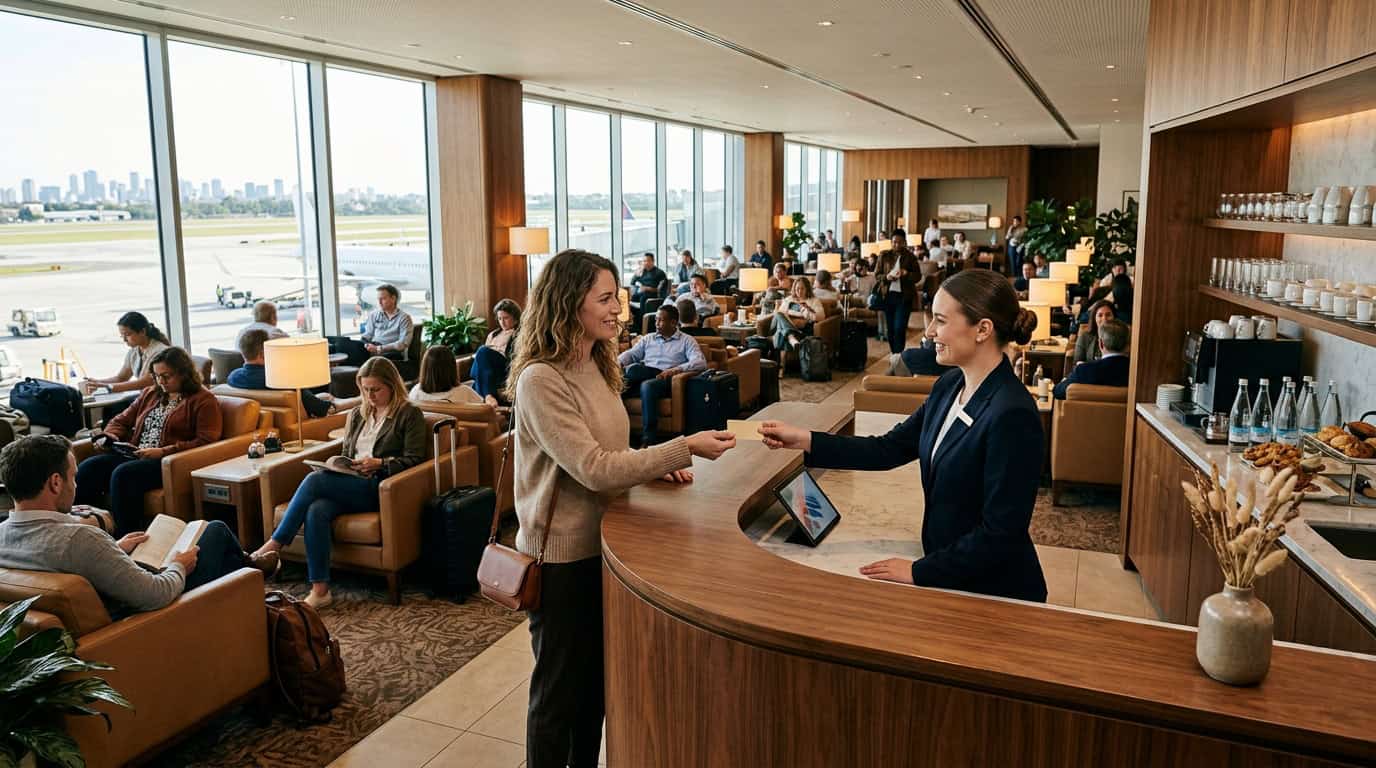
I still remember the first time airport lounge access turned a long layover into the best part of my journey: a quiet seat, a hot meal, and time to recharge before my next flight. Travelers can enter lounges through premium tickets, airline status, memberships, credit cards, independent networks, or paid passes, but having the right benefit does not always guarantee entry. The terminal, airline, fare, guest count, timing, and lounge capacity can all affect access.
I check the details before leaving home, especially visit limits, guest fees, time restrictions, and connecting-terminal access. With a little planning, even a crowded airport can become a calm pause between adventures, complete with comfortable seating, reliable Wi-Fi, and a welcome break from the bustle of the concourse.
Key Takeaways
- Airport lounge access can come through premium-cabin tickets, airline status, memberships, premium credit cards, independent networks, or paid passes, but eligibility depends on the airline, fare, terminal, route, and lounge rules.
- Always verify the lounge’s location, operating hours, guest fees, visit limits, enrollment requirements, time restrictions, and capacity controls before traveling; access is not guaranteed even with a qualifying benefit.
- Evaluate lounge access based on your travel habits and itinerary. Day passes can be worthwhile for long layovers, while frequent travelers should compare annual fees, network coverage, visit limits, and guest policies against the amenities they will actually use.
- Plan for alternatives if a lounge is full, closed, inaccessible from your terminal, or unavailable for your fare, and keep your boarding pass, identification, membership details, and required card or digital authorization ready for entry.
Airport Lounge Access Routes
I usually start with the simplest option: a premium-cabin ticket may include lounge entry before an eligible international or long-haul flight. Airline elite status can open additional lounges, while an airline membership may provide access even when I am flying economy. These benefits often depend on the operating airline, route, and terminal, so a first-class ticket does not automatically unlock every lounge in the airport. Some lounges also sell paid day passes, which can be worthwhile when I have a long layover and want a quiet place to work, shower, or enjoy a meal. Checking the lounge rules before arriving helps me avoid paying for access I cannot use.
Premium travel credit cards are another popular option, typically connecting cardholders to an airline lounge, a card-branded lounge, or an independent network. Independent programs can be especially useful when I fly different airlines because they may offer locations across many countries and airports. Still, the card or membership is only one part of the equation. Guest privileges, visit limits, enrollment requirements, and fees can vary. I look up the exact lounge available in my departure terminal rather than assuming the airport has a convenient location. A comfortable seat and reliable Wi-Fi may be enough for a short visit, while showers, quiet rooms, and substantial food can make a longer connection much easier.
Even with a qualifying ticket, status, card, or membership, entry can be limited by the airport, terminal, airline, fare type, and lounge capacity. Some airline lounges restrict access to passengers departing on that airline or traveling on an eligible fare, and many lounges impose time windows before departure. During busy periods, capacity controls may mean waiting outside or being turned away, particularly when guest access is included. I confirm the lounge’s location, operating hours, access conditions, and backup options in the airport app or program directory before my trip. That small bit of planning helps me decide whether the cost matches my travel style and turns lounge access from a vague perk into genuinely useful comfort.
Credit Card Lounge Networks
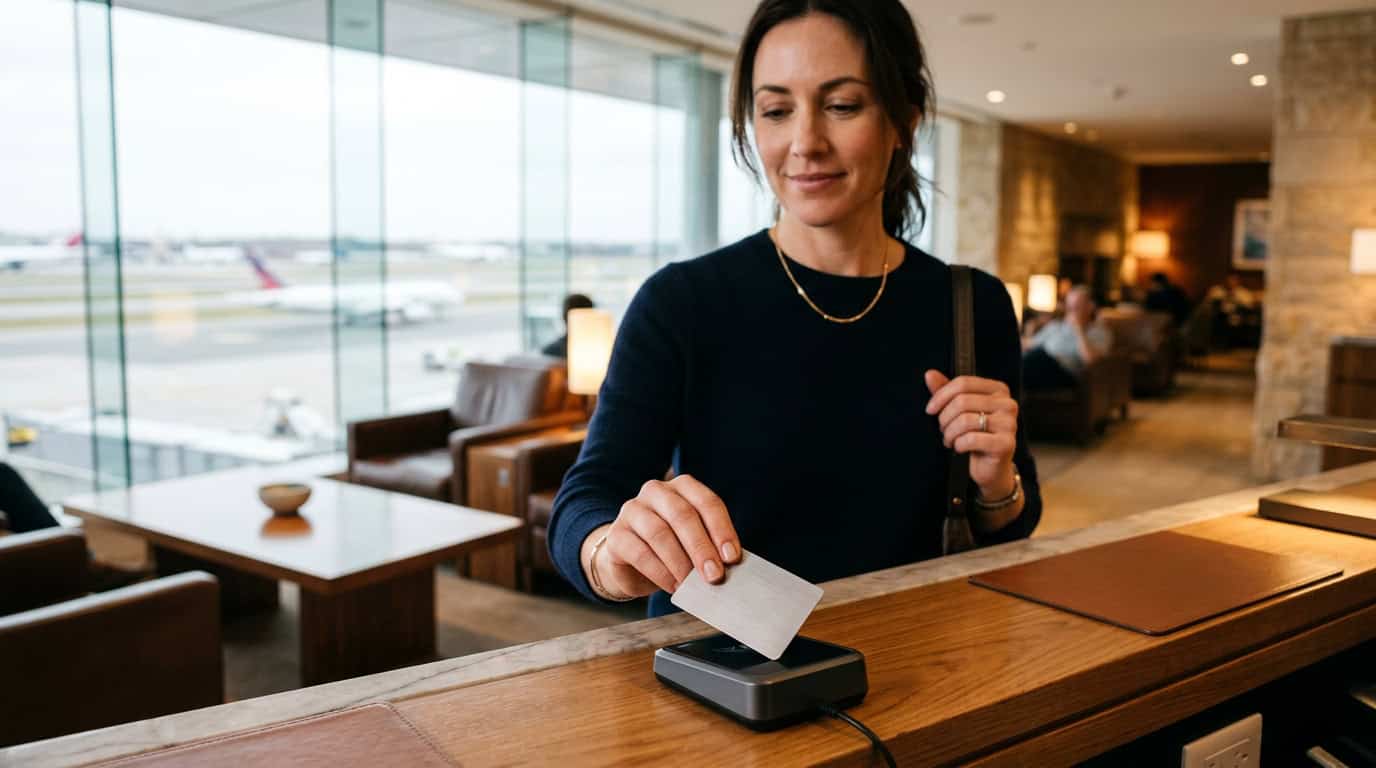
Premium credit cards connect travelers to lounge access in three main ways: a proprietary global collection, a broad independent membership network, or lounges operated by the card issuer itself. I look first at the annual fee, then check whether enrollment is required or automatic, since an unused benefit rarely justifies a high yearly cost. Participating locations can range from quiet airport lounges to select restaurants or travel experiences, but coverage varies widely by airport and terminal. A card that works beautifully for my usual routes may offer little value on a trip through a smaller airport.
The fine print matters just as much as the network map. Some cards include unlimited visits, while others impose annual or daily caps, restrict entry to certain hours, or charge for each visit after a set allowance. Guest access may be complimentary, limited to a specific number of companions, or billed per person. Authorized users may receive their own access only after paying an additional fee or completing an enrollment step. Before choosing a card, I compare those rules with my travel style, especially if I usually fly with family or plan several connections.
I also confirm the current terms shortly before departure because lounge policies can change with little warning. Capacity controls, temporary closures, airline or fare restrictions, and tighter entry windows can turn an expected haven into a crowded doorway, even when the card is technically eligible. I check the card’s benefits page and the network’s app for the exact airport, terminal, hours, guest charges, and visit balance. That quick review helps me decide whether the annual fee buys genuine comfort, a reliable place to recharge, or simply a benefit I am unlikely to use.
Lounge Amenities And Real Value
Airport lounge access can turn an ordinary terminal into a more comfortable place to pause. I look for cushioned seating, reliable Wi-Fi, plentiful charging stations, and complimentary snacks or meals before anything else. Depending on the lounge, I may also find coffee, cocktails, showers, workspaces, children’s areas, or a quiet corner where I can close my eyes. These small comforts matter most when the terminal is crowded, noisy, or short on places to sit.
Whether access is worth the price depends on how I travel and how long I have between flights. If a day pass costs about the same as a full airport meal and a couple of drinks, it can be a sensible choice during a three-hour connection, especially when I need to work or freshen up. For a brief 45-minute layover, however, security lines and walking time may leave too little opportunity to enjoy the lounge. Frequent travelers should also check whether their access method includes visit limits, guest charges, restricted hours, or capacity controls before counting on it.
On one especially hectic trip, I arrived after a delayed first flight with barely enough energy to face my next departure. Instead of searching for an open table beside the gate, I used airport lounge access to settle into a quiet chair, recharge my phone, enjoy a warm meal, and take a shower. By the time boarding began, the stressful layover had become a restorative break, and I felt ready for the final leg of the journey. For me, that combination of comfort, time saved, and peace of mind can justify the expense when the connection is long and my priorities extend beyond simply finding the cheapest meal.
Airport Lounge Access Planning Tips
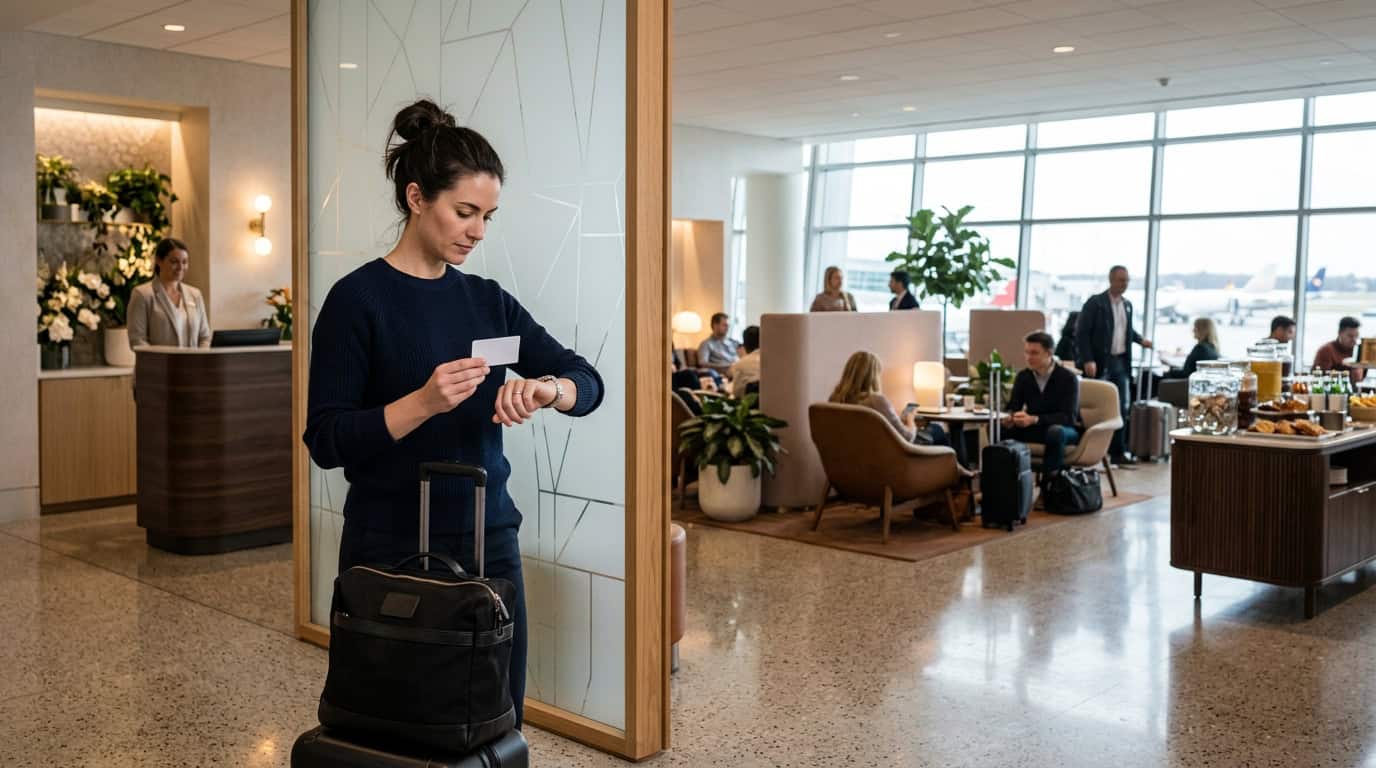
I start planning my airport lounge access by confirming exactly where the lounge is located, since a comfortable retreat in the wrong terminal may be useless during a tight connection. I check whether my itinerary requires a shuttle, train, or second security screening, then allow enough time for the transfer before settling in. Lounge-finder apps and the airport map help me verify terminal and concourse details, while the lounge listing can reveal operating hours, maximum visit windows, and admission restrictions. I also compare those details with the airline or card website because hours, eligibility, and access rules can change seasonally.
Before departure, I confirm whether my ticket, fare class, membership, or credit card actually qualifies. I also check the guest policy for fees, age limits, and the number of visitors allowed. Capacity controls are increasingly common, so I look for warnings about waitlists, reservations, or temporary entry pauses instead of assuming a lounge is guaranteed. I pack with the lounge’s dress expectations in mind and keep my boarding pass, government-issued ID, eligible card, membership details, and any required digital authorization ready to show at the desk. This quick document check saves time when I am tired, carrying bags, and eager for a quiet seat, a shower, or a proper meal.
I treat lounge access as a useful part of my travel budget, not the sole reason for choosing a route or premium card. If the lounge is full, closed, outside my terminal, or unavailable on my particular fare, I switch to a backup plan such as a nearby restaurant credit, a quieter gate area, or a public airport space with reliable Wi-Fi. I also compare the amenities I will genuinely use, such as showers during a long layover, work tables before a meeting, or family rooms when traveling with children, against the access cost. Reviewing the lounge listing again on the day of travel gives me the best chance of enjoying a calm pause without sacrificing connection time.
Find the Best Lounge Access for Your Trip
Airport lounge access can come through a premium-cabin ticket, airline status, an annual membership, a premium credit card, an independent lounge network, or a paid day pass. I find that the right choice depends first on my itinerary, since a lounge in my departure terminal is far more useful than one I cannot reach during a short connection. Before paying, I check the lounge’s location, opening hours, guest rules, visit limits, and any restrictions tied to my fare or card. A quiet seat, reliable Wi-Fi, charging outlets, refreshments, and a shower can make a long layover feel worthwhile, while extra perks may not justify a higher price for a quick trip.
For occasional travelers, a single-entry pass can offer comfort without another yearly expense, while frequent flyers may find more value in status, a membership, or a card with lounge benefits that match their usual airports. I also remember that access is not guaranteed because busy lounges may impose capacity controls, time limits, or additional guest fees. Comparing the total cost with what I would otherwise spend on meals, workspace, and comfort helps me decide whether the benefit fits my budget and travel habits. With a little planning, time between flights can become part of the journey rather than an interruption, giving me a calmer, more comfortable start to the adventure ahead.