
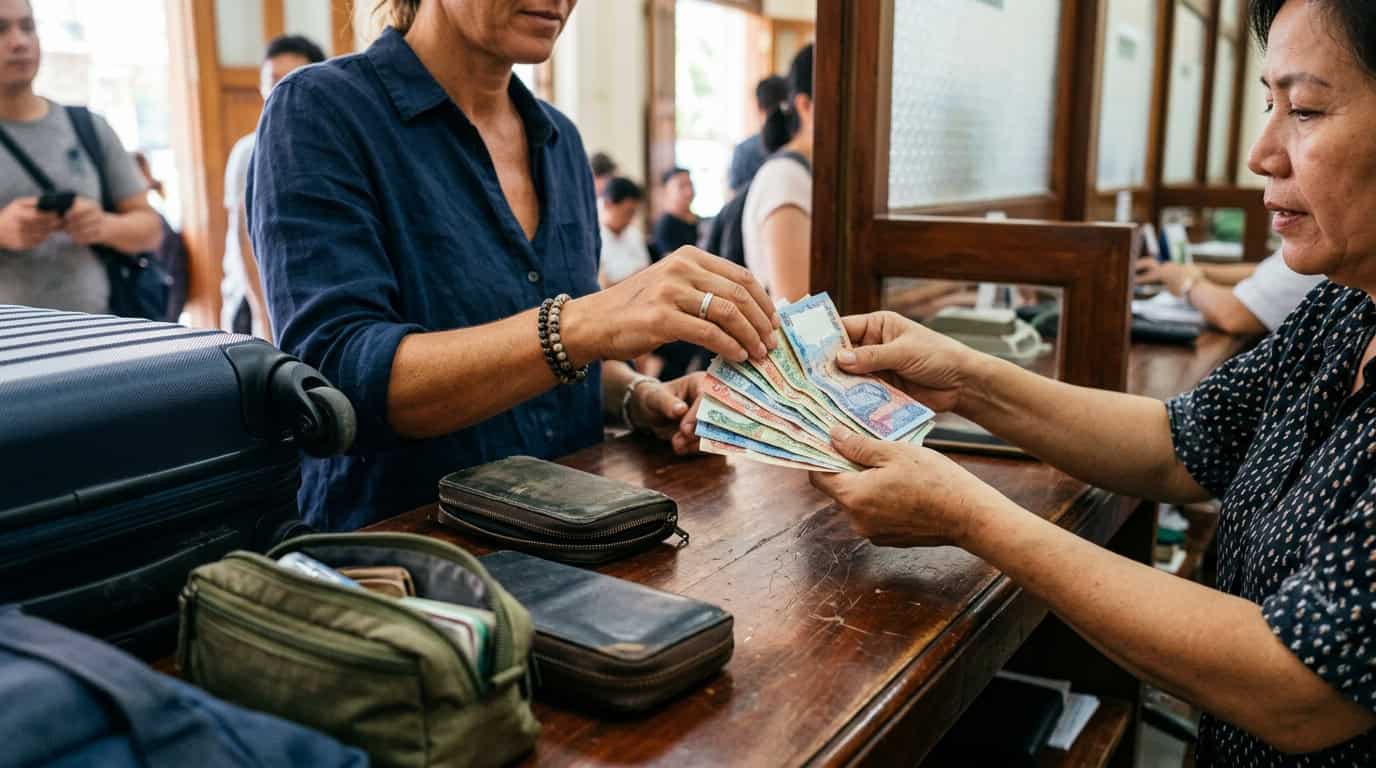
A dream trip can lose its sparkle when an unexpected fee drains my budget, so I make currency exchange part of my travel plans. I compare the mid-market rate with the amount I will actually receive, then decide how much cash to carry and when to use a card or ATM. A few minutes of preparation can leave more money for sunset dinners, hidden-gem excursions, and unforgettable moments.
Before I leave, I check transaction fees, ATM charges, exchange-rate markups, and whether my bank requires a travel notice. I also keep a small reserve of local cash for markets, transit, and family-run cafés that may not accept cards. With the right mix of planning and flexibility, managing money abroad becomes one less worry and one more way to travel with confidence.
Key Takeaways
- Compare the total cost of currency exchange before departure, including the mid-market rate, exchange-rate markup, transaction fees, foreign transaction fees, ATM charges, and transfer or receiving fees—not just the advertised rate.
- Use travel-friendly cards and secure ATMs, and choose to be charged in the local currency to avoid dynamic currency conversion markups. Notify your bank of your travel plans and carry a backup card separately.
- Carry a modest amount of local cash in small denominations for transit, markets, rural areas, and small businesses, while keeping emergency funds and cards secured in separate locations.
- Prepare an emergency money plan by saving verified bank and transfer contacts, keeping offline account details, and ensuring you have enough cash or backup funding to cover lodging, food, transportation, and communication if a card or internet connection fails.
Compare Exchange Rates Before Departure
I begin planning currency exchange abroad by checking the mid-market rate, which sits between the wholesale buying and selling prices listed by financial data services. It gives me a useful benchmark, even though travelers rarely receive that exact rate. I then compare the final amount I would receive after accounting for the exchange-rate spread, or the difference between the provider’s rate and the mid-market rate. A wide spread can cost more than a clearly stated fee, especially when I exchange a larger amount. Comparing both figures helps me understand the real cost instead of focusing only on the headline offer.
Before departure, I compare the total cost of getting money through my bank, card provider, local exchange offices, ATMs, and travel apps. I look for foreign transaction fees, withdrawal limits, ATM-owner charges, transfer fees, and markups hidden in the exchange rate. A zero-fee offer may still be expensive if the provider uses an unfavorable rate or adds a charge elsewhere. I also check whether my card requires travel notifications, supports the destination’s payment networks, and charges extra for cash withdrawals. A few minutes of research at home can leave more room in my budget for sunset dinners, scenic train rides, and unexpected adventures.
Even when I expect to pay by card, I carry a small amount of local cash for arrival-day essentials such as a taxi, snack, transit ticket, or market purchase. I exchange only enough to get through the first day or two, since airport counters often offer less competitive rates. Once I arrive, I use secure ATMs attached to reputable banks, shield the keypad, and decline dynamic currency conversion so my own provider handles the exchange. I keep cash in separate places and avoid carrying my entire travel budget at once. This simple preparation lets me step into a new destination with confidence instead of searching for money immediately after landing.
Choose Cards And ATMs Abroad
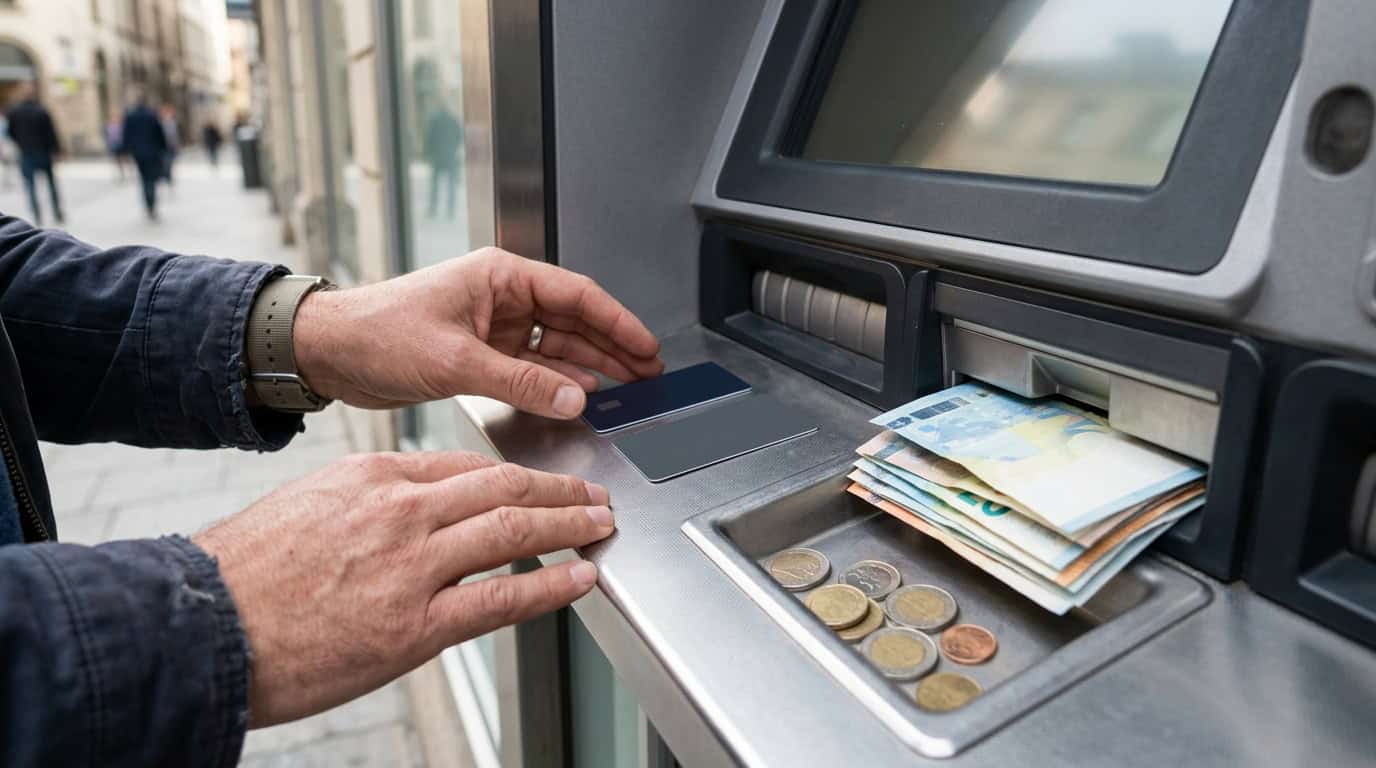
I choose travel-friendly debit and credit cards before leaving, looking for low or no foreign transaction fees and reasonable ATM charges. I also check whether my cards use the network’s exchange rate without adding a large markup, since even a small percentage can become costly over a longer trip. Before departure, I notify the card issuers of my destinations and confirm that my contact details and travel alerts are up to date. I carry at least one backup card separately from my wallet, along with a small amount of local cash for cafés, transit, and places that do not accept cards.
When I need cash, I use ATMs attached to reputable banks, ideally inside a branch, an airport arrival hall, or a well-lit public area. I inspect the machine for anything unusual, shield my PIN, and decline help from strangers who approach during a transaction. If the ATM asks whether I want to be charged in my home currency or the local currency, I select the local currency and let my card network handle the conversion. This choice, often called declining dynamic currency conversion, usually helps me avoid the ATM’s added exchange-rate markup.
I avoid exchanging large amounts of cash at airports, hotel desks, or busy tourist zones, where convenience often comes with a weaker rate or extra commission. Instead, I compare the total cost, including the displayed rate, service fee, card fee, and ATM surcharge, before approving a transaction. In a small coastal town or mountain village, I still keep enough local currency for a meal, bus ride, or unexpected entrance fee. With a little preparation, I can spend more time enjoying unfamiliar streets and less time wondering what each purchase really costs.
Manage Cash Safely Overseas
Cash still earns its place in my travel wallet, especially when I am browsing a lively market, visiting a rural village, buying a transit ticket, or settling the bill at a tiny café. Before departure, I check whether my destination relies mainly on local currency and request smaller denominations, since large notes can be difficult to use for quick purchases. I also keep a modest emergency reserve separate from my everyday spending money, so losing one wallet does not mean losing everything. In busy areas, I carry only what I expect to spend that day and keep the rest secured out of sight.
When I need currency exchange abroad, I use a bank, established exchange office, or clearly licensed provider. I compare the offered rate and fees before handing over my money. I avoid exchanging large amounts at the airport unless convenience is worth the likely markup, and I count the cash before leaving the counter. At ATMs, I choose machines in well-lit, secure locations, inspect the card slot, shield my PIN, and decline unnecessary conversion offers when my card issuer provides a local-currency option. A little preparation helps me avoid surprise fees and keeps more of my travel budget available for memorable meals, scenic train rides, and unplanned discoveries.
My hotel safe is useful for storing backup cash, a second card, and important documents, but I never treat it as a reason to carry all my money in one place. I divide my funds between a locked bag, a concealed money belt, and my day wallet, taking only what I need for each outing. I also keep the local emergency number and my card issuer’s contact details in a secure digital location, just in case. With these simple habits, I can wander cobbled streets and sunlit markets more freely, knowing my cash plan is practical, flexible, and discreet.
Plan International Transfers And Emergencies
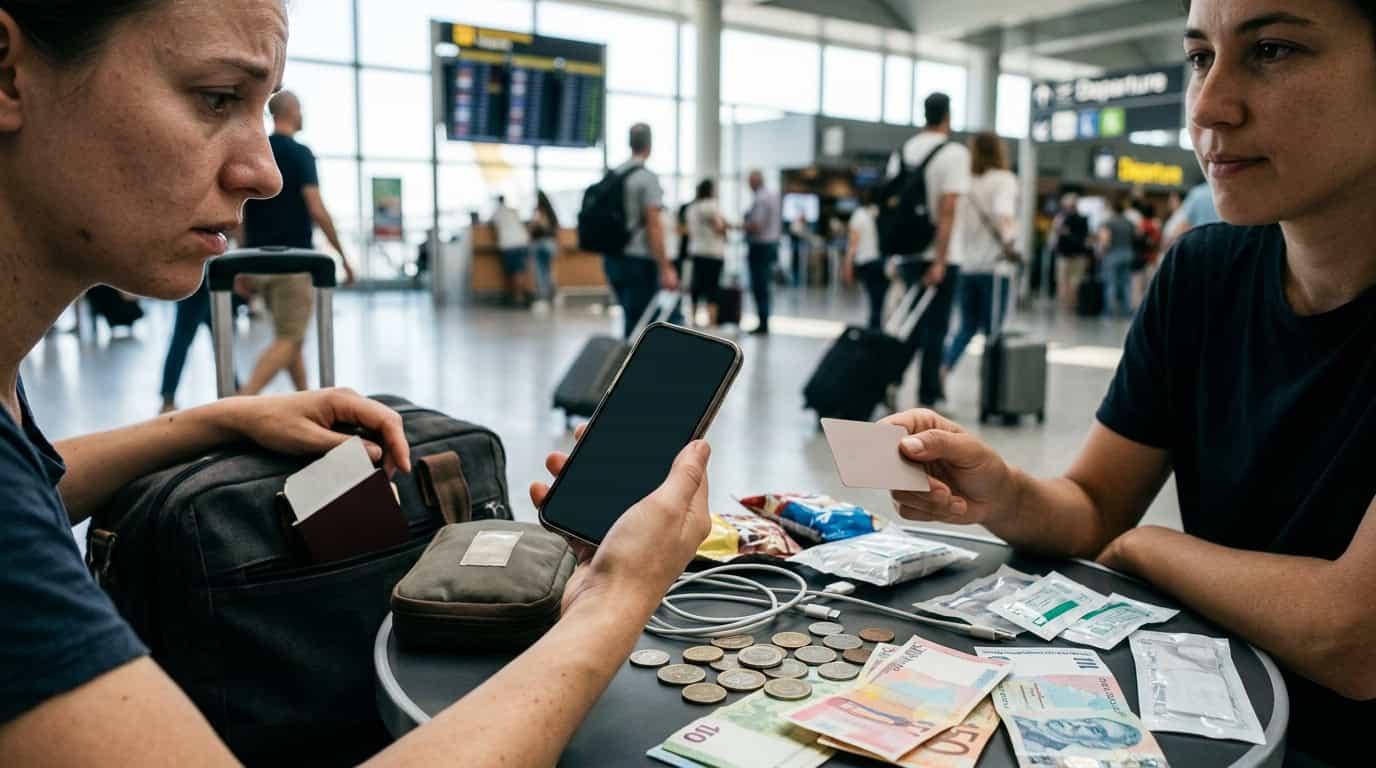
Before I send money abroad, I compare the total amount leaving my account with the exact amount the recipient will receive. A low advertised fee can hide an exchange-rate markup, intermediary charge, or receiving fee, so I check the final estimate for a bank transfer, remittance service, financial technology app, or digital wallet. For a small urgent payment, speed and convenience may matter most, while a larger transfer deserves a closer look at the exchange rate and every fee. I also confirm the recipient’s full details and expected arrival time before pressing send, especially when arranging help from a busy airport or remote destination.
A simple emergency plan gives me confidence to explore farther, from sunset walks along a coastal promenade to quiet mountain villages where banking hours may be limited. Before departure, I pack a second card separately from my primary card, save an emergency contact who can send funds, and keep offline copies of my account and transfer details. I carry enough local currency to reach safe lodging, buy food, and make a phone call if my card stops working or internet access disappears. I never share passwords or one-time security codes, and I contact my bank or transfer provider through verified channels if something goes wrong.
When exchanging currency abroad, I use ATMs in secure, well-lit locations and check whether the machine is offering to charge me in my home currency or the local currency. Choosing the local currency often allows my card network or bank to handle the conversion, but I still review my account’s foreign transaction and ATM fees before traveling. I keep a modest cash reserve for small shops, transit, and places that do not accept cards, while using cards for larger purchases when the terminal and surroundings feel trustworthy. With a little preparation, I can spend less time worrying about access to money and more time savoring the flavors, scenery, and unexpected moments that make a trip memorable.
I Compare Currency Costs Before Departure
Currency exchange abroad becomes much easier when I compare the total cost instead of focusing only on the advertised rate. I look at the full picture, including exchange-rate markups, transaction fees, foreign transaction charges, and possible ATM fees. A rate that seems attractive at first can cost more once those extras are added. Before leaving, I review my card terms and create a simple spending plan so I know how much local currency I may need for transportation, small shops, tips, and market finds.
When I pay by card, I choose to be charged in the local currency whenever the terminal gives me that option. This usually avoids the uncertainty of dynamic currency conversion and lets my card network handle the exchange. For cash, I use secure ATMs in well-lit places, inspect the machine for anything unusual, and shield my PIN while withdrawing. I also decline unexpected conversion offers when the ATM asks whether I want the transaction processed in my home currency.
I feel most prepared when I carry a balanced mix of local cash and cards rather than relying on one payment method. A small amount of cash can be invaluable at a family-run café or in a quiet village, while a card offers convenience for larger purchases and emergencies. I keep backup cards separate from my wallet and store important bank contact details securely, just in case. With these thoughtful habits in place, I can spend less time worrying about currency exchange abroad and more time savoring colorful streets, regional flavors, and the unexpected discoveries that make a journey unforgettable.