
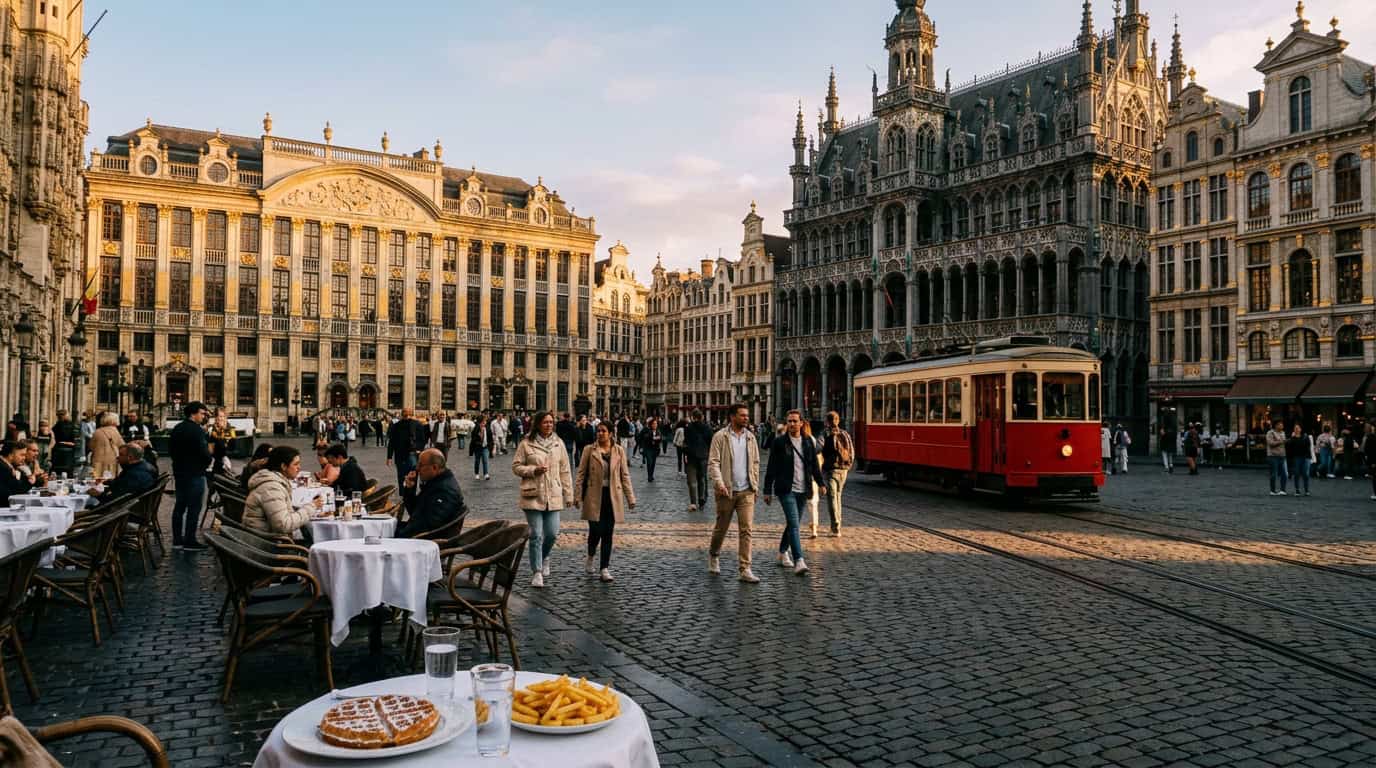
A useful Brussels travel guide starts with the city’s layout, which is less like one compact old town and more like a patchwork of distinct neighbourhoods. The Statbel count recorded 1,255,834 residents in the Brussels-Capital Region on 1 January 2026, and the city is divided into 12 visitor districts, from the historic centre and Royal Quarter to the European Quarter, Flagey, the Marolles and Heysel. Each one has its own architecture, museums and food, so the smartest approach is to pick a base, explore it on foot, and then branch out by metro. Short visitors can focus on the Grand-Place and the sights around it, while longer stays leave room for the flea markets, museums and cafés beyond the centre.
Getting around is easier than many first-time visitors expect. A single contactless journey on the STIB/MIVB network costs €2.40 and includes free connections for 60 minutes after your first tap, and daily spending is capped at €8.50. Trips from Brussels Airport to the city centre use a separate Airport2City fare of €7.90 by contactless payment or MOBIB card. Driving in deserves a quick check, too, because since 1 January 2026, Euro 5 diesel and Euro 2 petrol vehicles no longer meet the Low Emission Zone’s access criteria. Keep these numbers in mind as you plan.
Key Takeaways
- Pick one base district in Brussels, because the city is a patchwork of 12 visitor districts that is best explored on foot and then branched out from by metro.
- A single contactless journey on the STIB/MIVB network costs €2.40, every connection within the 60 minutes after your first tap is free, and daily spending is capped at €8.50.
- The free, pay-what-you-want guided walk of the historic centre lasts 2.5 hours and runs daily in English, which makes it a good first orientation at the Grand-Place.
- The Airport2City fare from Brussels Airport costs €7.90 by contactless payment or MOBIB card, which saves €0.50 compared with the €8.40 paper ticket.
- Drivers entering Brussels should confirm their vehicle’s emissions standard, since Euro 5 diesel and Euro 2 petrol vehicles no longer meet the Low Emission Zone’s access criteria as of 1 January 2026, and a €350 fine may apply from three months after a first recorded offence.
How Is Brussels Laid Out for Visitors?
Brussels is best understood as a set of distinct neighbourhoods rather than one compact old town, so the simplest approach is to pick a base district and explore from there. The city is divided into 12 visitor districts, and seven of them make a good starting list for a first trip: the historic centre, the Royal Quarter, the European Quarter, Dansaert-Sainte-Catherine, Flagey, the Marolles and Heysel (Laeken).
The historic centre is where most people begin, with the Grand-Place at its heart and the old guildhalls lining its square. A free, pay-what-you-want guided walk through the centre lasts 2.5 hours and runs daily in English, which makes a good first orientation.
A short walk away, the Royal Quarter is a museum area built around Mont des Arts and Brussels Park. It is the quietest of the central districts, and it suits anyone who wants to spend an afternoon moving between galleries and gardens.
The European Quarter feels very different, with its modern glass offices and EU institutions. The European Parliament’s Parlamentarium is free and open seven days a week, and its self-guided visit takes around 90 minutes in any of the EU’s 24 official languages. For a walking overview, a neighbourhood route takes 2 hours 30 minutes, starting at Trône/Troon metro stop and finishing at Merode or Schuman.
Dansaert-Sainte-Catherine is the place for independent boutiques, design shops and relaxed cafés. Nearby, the Marolles offers a more old-fashioned rhythm, with antique and vintage dealers and a daily flea market at Place du Jeu de Balle.
Further out, Flagey is a lively square with a strong café and evening scene, while Heysel (Laeken) is home to the Atomium, the landmark that makes the trip worthwhile for anyone who wants to see the city’s most famous piece of mid-century architecture up close.
How Do You Spend a Short Visit in Brussels?
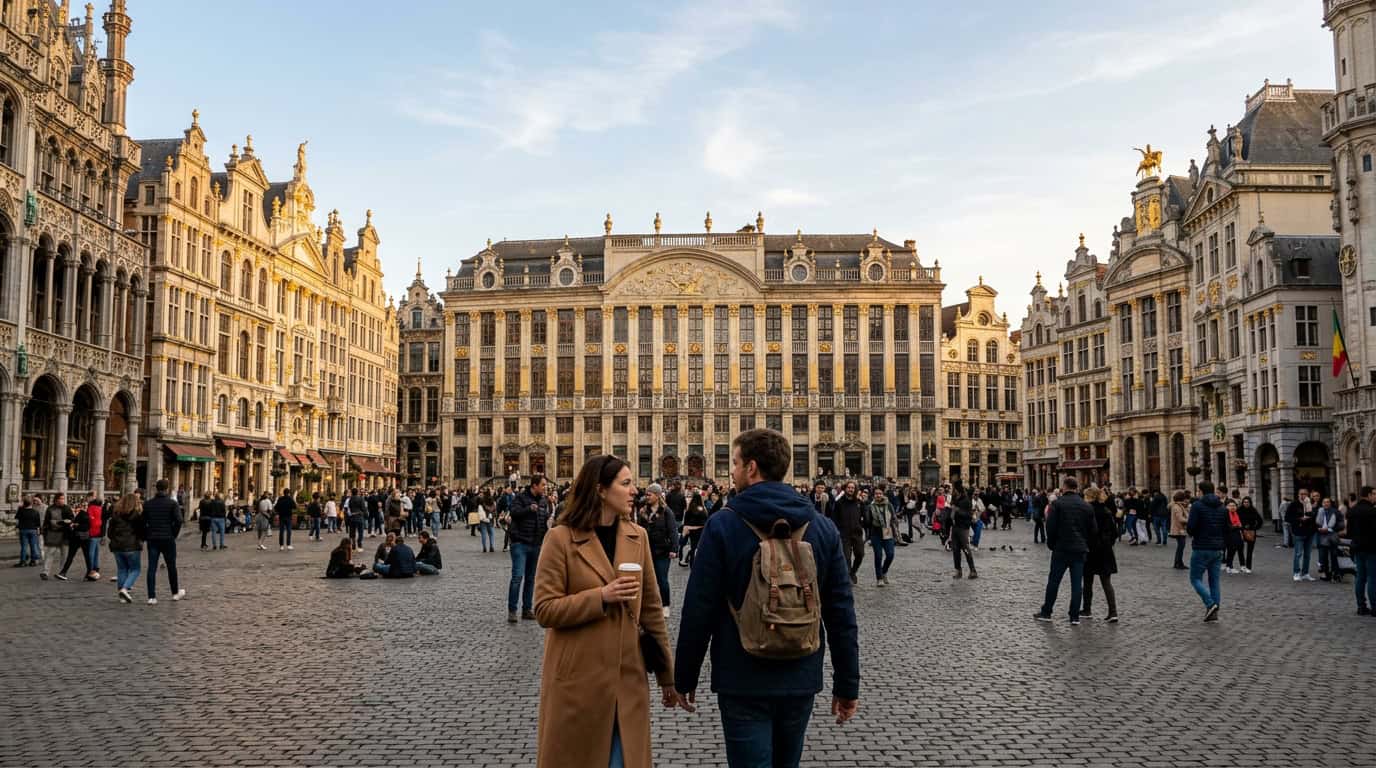
A short visit to Brussels works best as one or two days built around the Grand-Place and the central sights, with a single museum cluster or neighbourhood added at the end. The Bourse, the Royal Quarter and the historic centre all sit within easy walking distance of one another, so you can cover a lot without spending your time on trams or in queues.
Start early, when the guildhalls around the square are still quiet and the light is good for photographs. The schedule below is a framework, so stretch or shorten any block to suit your pace.
- From 9:00 to 9:30, stand in the Grand-Place and take in the gilded facades before the day’s crowds arrive.
- From 9:30 to 12:00, join the free, pay-what-you-want guided tour of the historic centre, which lasts 2.5 hours and runs daily in English. Pay what you feel the walk is worth at the end.
- From 12:00 to 13:30, walk to the Bourse, the renovated building that houses the Belgian Beer World exhibition, and give yourself a relaxed visit before lunch.
- From 13:30 to 14:30, eat lunch in the streets around the square, where small cafés serve quick plates and local beers.
- From 14:30 to 17:00, walk up to Mont des Arts, then continue into Brussels Park, where you can move between galleries and gardens at your own pace.
- From 17:00 onward, return to the Grand-Place for the evening, when the square is lit and the facades look even more dramatic.
- On day two, choose one option before you leave your hotel: a museum cluster in the European Quarter or the neighbourhood of the Marolles.
- For the European Quarter, take the metro to Schuman and spend the morning at the free Parlamentarium, which is open seven days a week.
- For the Marolles, head to Place du Jeu de Balle, where a flea market runs every day, then wander the antique and vintage shops that line the nearby streets.
Getting between these stops is straightforward. A single contactless tap on the STIB/MIVB network covers connections within the free transfer window, so you can switch from tram to metro without paying again. Most lines run from early morning until midnight, according to the STIB/MIVB travel tips, which means you can plan a late dinner in the centre and still get back to your hotel without a taxi.
Choosing between the European Quarter and the Marolles depends on what you enjoy. The European Quarter suits visitors who like modern architecture and a bit of policy history, while the Marolles rewards anyone who loves browsing for old objects, prints and furniture. Both feel very different from the grand historic centre, which is exactly why a short trip benefits from one contrasting stop at the end.
If you have only one day, skip the second-day option and linger longer in the centre instead. Let the guided walk set your pace, then spend the afternoon at your own speed, because the most memorable moments in Brussels often come from wandering down a side street you hadn’t planned to see.
Brussels Neighborhoods Worth a Longer Stay
The neighbourhoods beyond the centre are where a longer stay pays off. Each one has its own pace, so the easiest way to enjoy them is to pair two nearby areas on the same day and let the metro handle the distance.
The Royal Quarter is the place to slow down. The museums around Mont des Arts, including the Royal Museums of Fine Arts and the Magritte Museum, can fill a full morning, and Brussels Park is a calm place to rest between galleries. Give the museums a few hours rather than rushing through them, because the quarter is at its best when you can wander at your own speed.
The Marolles feel like a different city. Visit Brussels describes it as a district of antique and vintage shops, and its daily flea market at Place du Jeu de Balle is the anchor of the visit. Go in the morning, when the stalls are fullest and the square still has its early energy. Browse slowly for old prints, enamel signs, maps and worn furniture, and leave time to duck into the side streets, where many of the dealers keep smaller shops.
Dansaert-Sainte-Catherine offers a very different kind of browsing. Its independent boutiques, design shops and relaxed cafés suit an afternoon of window shopping, and it is an easy walk from the Bourse. Visitors who want to eat well can also try the Brussels specialities that Visit Brussels highlights, including waterzooi and stoemp, in one of the neighbourhood’s small restaurants.
Flagey belongs to the evening. The square has a strong café scene, and it comes alive once the working day finishes. Plan a late drink here, then take the metro back to the centre, where most lines run until midnight.
The European Quarter walk is a good way to see the city’s modern side. The neighbourhood route takes 2 hours 30 minutes, starting at Trône/Troon metro stop and finishing at Merode or Schuman, so you can end close to the Parlamentarium. Set aside around 90 minutes for the Parlamentarium, which is free and open seven days a week. Its self-guided visit is available in any of the EU’s official languages, so most visitors can follow the displays in their own.
Heysel makes a strong half-day trip out of the centre. The Atomium and the surrounding Bruparck complex, which includes Mini-Europe, are easy to reach by metro and suit a late morning or afternoon. Keep the trip short if your schedule is tight, but give yourself enough time to climb the Atomium and walk around the grounds before heading back.
Here is a sample three-day rhythm that works well for a longer stay:
- Day one: Start with the historic centre and the Grand-Place, then spend the afternoon in the Royal Quarter around Mont des Arts and Brussels Park.
- Day two: Go to the Marolles in the morning for the flea market and the antique shops, then head to Dansaert-Sainte-Catherine for lunch, boutiques and a café stop.
- Day three: Walk the European Quarter route from Trône/Troon, visit the Parlamentarium, and finish the day with an evening in Flagey.
If you have an extra half-day, add Heysel between the second and third days, or swap the Flagey evening for an early afternoon at the Atomium. Pairing areas by metro keeps the transfers short, so you can spend your energy on the streets, the squares and the places you came to see.
Getting Around Brussels on STIB/MIVB Transport
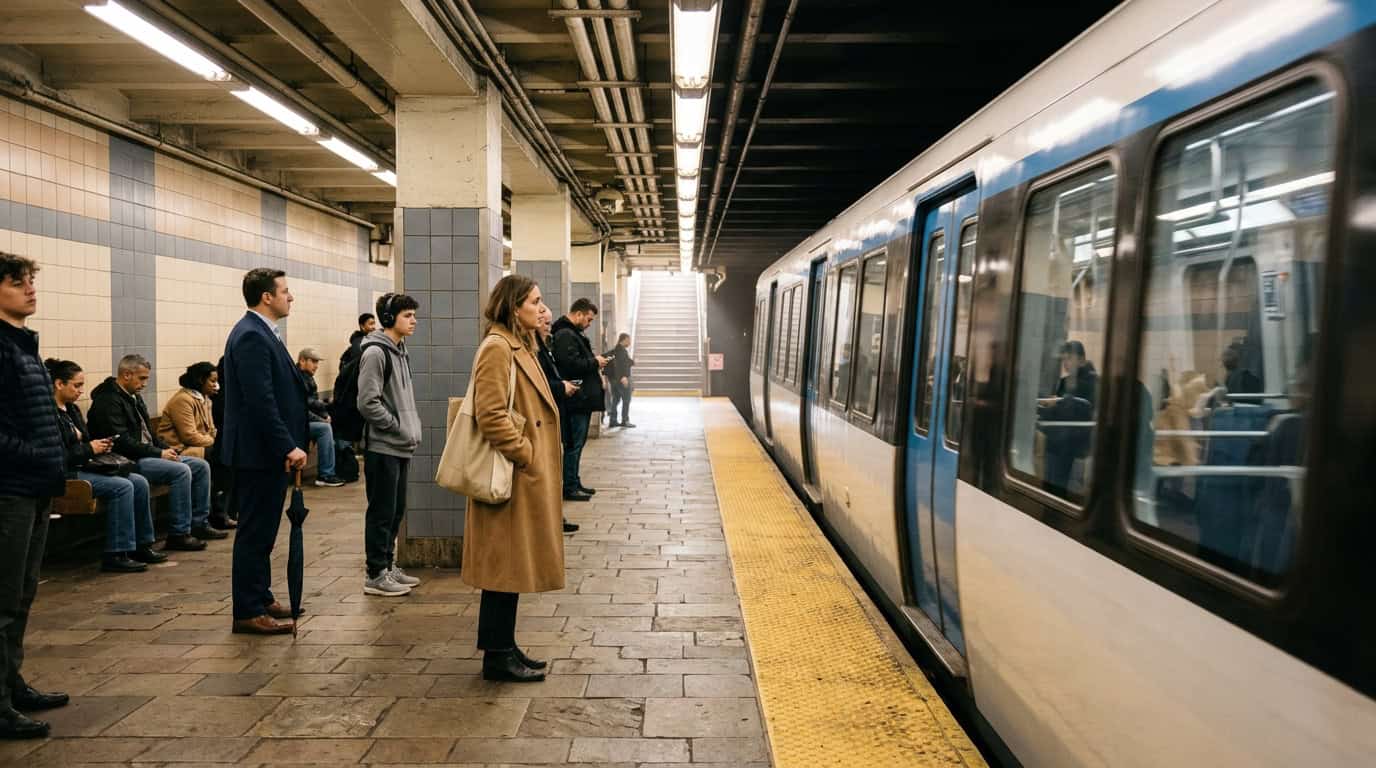
Getting around Brussels is simple once you understand how the fares work, and the network makes it easy to hop between neighbourhoods in a single day. A contactless journey on the STIB/MIVB network costs €2.40, and the key to saving money is what happens after your first tap. Validate your bank card on the first journey of the day, because that tap starts a 60-minute window in which every connection by tram, metro or bus is free.
That window is the most useful planning tool you have. Suppose you tap in at 9:00 near your hotel and take a metro to the Marolles for the flea market at Place du Jeu de Balle. You can browse until about 10:00, ride on to Dansaert-Sainte-Catherine for a late-morning coffee, and then transfer again to a tram toward the Bourse, all without paying more, as long as each step falls within the hour. Sketch out your stops before you leave, and group nearby areas together so you don’t drift past the 60-minute mark mid-journey.
Once the window closes, your next tap starts a fresh 60-minute window for €2.40. Daily spending is capped at €8.50, so after enough separate journeys in one day, the total stops climbing. Without the cap, four single €2.40 journeys would come to €9.60, so the ceiling protects anyone who hops around the city from morning until evening.
Most STIB/MIVB lines run seven days a week from 5:00 a.m. to midnight, so the timetable allows a full day of exploring and a late dinner. Check the time of your last connection before you head out to Flagey for an evening drink, and leave enough margin to catch the final ride back to the centre.
Trips from Brussels Airport use a separate fare, the Airport2City fare, which costs €7.90 by contactless payment or MOBIB card. A paper ticket costs €8.40, so paying with your bank card or a MOBIB card saves you €0.50 on the trip into town. Because this fare is separate from the city network, treat the airport trip as its own journey in your plan, distinct from the city journeys you make once you arrive.
Keep your contactless bank card in an easy-to-reach pocket, since you will tap it at every gate, platform and tram door. Count the stops for each day before you leave your hotel, and you will spend more of your time in the squares and galleries and less time thinking about tickets.
What Should You Eat in Brussels?
Brussels’ signature dishes are best eaten as part of a walk rather than as a separate errand. Visit Brussels names Brussels waffles, stoemp and waterzooi among the Brussels-Capital Region’s culinary specialities, and each one tells you something about the city’s everyday table: warm, generous and meant to be eaten slowly.
Brussels waffles are the easiest place to start. Made with a yeasty, batter-like dough, they come out crisp at the edges and soft inside, with deep pockets that hold melted butter, powdered sugar or a spoonful of whipped cream. A waffle works well as a mid-morning pause after the Grand-Place, when the gilded facades have caught your attention and your feet need a break. Eat it standing at the edge of the square or on a bench nearby, then carry on toward the Bourse.
Stoemp is the dish that most often surprises visitors, because it is so simple. Mashed potatoes are mixed with seasonal vegetables such as carrots, leeks or kale, then served as a soft, rustic mound beside a sausage or a piece of braised meat. It is comfort food in the truest sense, and it suits the Marolles perfectly. After the flea market at Place du Jeu de Balle, find a small neighbourhood restaurant in the nearby streets, order stoemp with a sausage, and take your time over it while the antique dealers pack up their stalls.
Waterzooi is the richest of the three. This creamy stew is usually built from chicken or fish, simmered with leeks, carrots and herbs, then finished with cream so the broth turns silky. Its name comes from a Flemish word for a boiled dish, which hints at the region’s long history of slow, pot-based cooking. It is a satisfying choice for a long lunch or an early dinner, and it pairs well with a glass of Belgian beer.
For a short visit, plan one food stop per half-day. Eat a waffle after the morning walk through the historic centre, then have a proper lunch of stoemp or waterzooi later in the afternoon, in the streets around the square. For a longer stay, give each dish its own neighbourhood. Have waffles near the Grand-Place on day one, stoemp after the Marolles flea market on day two, and waterzooi on an evening in Flagey, where the cafés fill up once the working day ends.
Timing matters as much as choice. A lunch stop between two sights can sit comfortably inside the 60-minute window that starts with your first STIB/MIVB tap, so you can move from a restaurant to the next tram without paying again. Booking a table is a good idea for dinner, while waffles and stoemp can usually be enjoyed with little planning.
Do You Need to Worry About Driving Into the City?
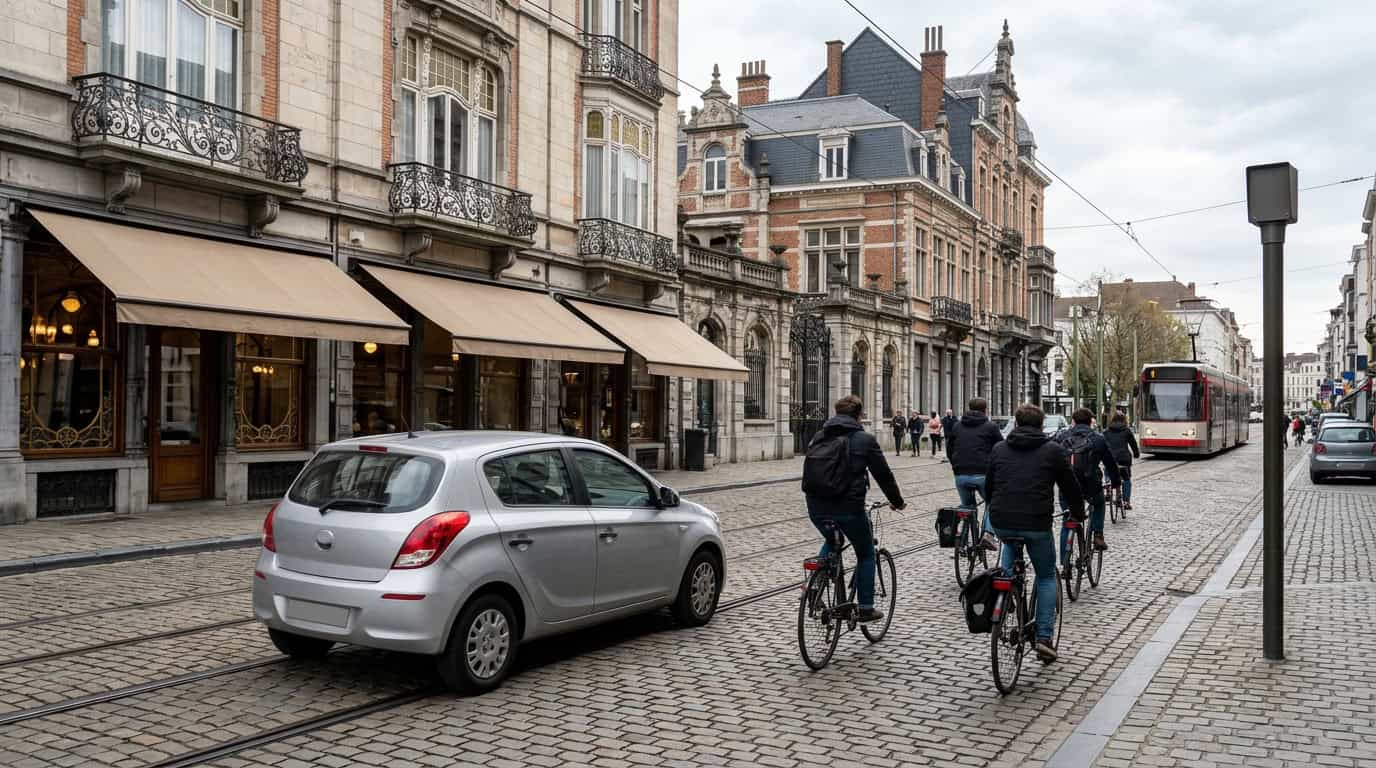
If you arrive by car, check your vehicle before you set off, because since 1 January 2026, Euro 5 diesel and Euro 2 petrol vehicles no longer meet the Brussels-Capital Region’s Low Emission Zone access criteria. Most visitors will find that the city is easier to explore without a car at all.
The rules are set out on the official Low Emission Zone site, which also explains the penalty. A €350 fine may apply from three months after a first recorded offence. That gap gives you some time to adjust, but it is not worth building a trip around a vehicle that does not qualify.
Before you travel, find your vehicle’s emissions standard, which is listed in its registration documents, and compare it with the zone’s current criteria. If your car meets them, you can drive in with confidence. If it does not, it is better to leave it outside the zone and continue by train, coach or taxi.
For most trips, though, public transport is the simpler option. The historic centre, the Royal Quarter and the European Quarter are all served by the metro, tram and bus network, so you can move between them without searching for a space. Narrow streets around the Grand-Place are busy with pedestrians, and parking near the main sights can take a long time to find, which often makes a car feel more like a burden than a convenience.
Public transport also suits longer stays. You can leave your accommodation, ride to the Marolles in the morning, and return to Flagey in the evening without worrying about where you left the car. Visitors who fly in can head straight from the airport to the centre by rail or metro and keep their plans flexible from the first day.
Building Your Own Brussels Itinerary
Start by choosing a base district that matches the length of your trip. For a short stay, the historic centre keeps you within walking distance of the Grand-Place, while a longer visit suits a base in Flagey or the Marolles, where you can reach the other districts by metro. Then pick one museum cluster or neighbourhood to anchor your schedule, such as the Royal Quarter galleries or the Marolles flea market, and build the rest of the day around it.
Before you leave home, write down the key transport numbers: the €2.40 contactless fare, the 60-minute window that starts with your first tap, and the €8.50 daily cap. Sketch your stops so that each hop falls inside that window, and leave a gap for lunch.
Make room for a proper meal and a slow walk through the Marolles or the centre. Eat stoemp after browsing at Place du Jeu de Balle, or wander the lanes around the Grand-Place as the lamps come on. The best days in Brussels are the ones with space left over for a side street you didn’t plan to find.
Building Your Own Brussels Itinerary
Start by deciding how many days you have, because that determines how much of the city you can reasonably cover. With one or two days, begin at the Grand-Place at 9:00, join the guided walk at 9:30, and choose either the Marolles or the European Quarter for your second day. With three or more days, give each district its own day: the historic centre and Royal Quarter first, the Marolles and Dansaert-Sainte-Catherine next, and then the European Quarter and Flagey, with Heysel as a flexible half-day.
Once you have a rough order, write down the first tap of each day and the time your 60-minute window closes. Keep the €8.50 daily cap in mind so that a busy day of short hops never costs more than it should. If you are flying in, add the €7.90 Airport2City fare to the top of your list, since it is a separate journey from your city travel.
Finally, mark the one stop you refuse to skip. It might be a timed visit to the Design Museum Brussels, a long lunch of waterzooi, or a late drink in Flagey. Book whatever needs a reservation, check the opening hours for that day, and leave the rest of your schedule loose. The city rewards a little structure and a lot of wandering.