
A Vienna city break works best over two or three days. The UNESCO-listed historic centre covers 371 hectares and is largely walkable. The Vienna Tourist Board’s Ringstrasse walk takes about two hours, and the First District walk about 1.5 hours, so one day can take in St. Stephen’s Cathedral, the Hofburg and a green pause in the Burggarten. We suggest pacing each day around one major sight, one long coffeehouse stop and one evening concert rather than trying to see every landmark.
Getting around is inexpensive. A 24-hour network ticket from Wiener Linien starts at €9.70 online, but the 48- and 72-hour options, including the Vienna City Card, were discontinued from January 1, 2026. Accommodation is the bigger budget item. The local tax on temporary stays is 5% of the room price excluding VAT and breakfast, through June 30, 2027. Vienna also recorded a record 20,065,000 overnight stays in 2025, so booking early is wise.
Key Takeaways
- We recommend giving your Vienna city break two or three days, with the First District walk and the Neubau walk filling the first two and the Upper Belvedere claiming the third.
- Book your Upper Belvedere time slot in advance, since tickets cost €23, visitors under 19 enter free, and once inside you can linger as long as you like.
- Buy a 24-hour Wiener Linien network ticket, which starts at €9.70 online, because the 48- and 72-hour options including the Vienna City Card were discontinued from January 1, 2026.
- Factor the 5% local tax on temporary stays into your Vienna budget, as it applies from July 1, 2026 through June 30, 2027 and is calculated on the room price excluding VAT and breakfast.
- Set a 10 a.m. reminder on the day of a State Opera performance, since standing-room tickets, priced between €7 and €23, go on sale online at that time and are first come, first served.
How Many Days Does a Vienna City Break Need?
Two or three days is the sweet spot for a Vienna city break. Two days covers the highlights, and three gives you time to enjoy them without rushing. UNESCO inscribed the historic centre in 2001. Its medieval, Baroque and Gründerzeit layers sit close together, so you rarely need a tram to move from one era to the next.
On a three-day visit, give the second day to the Neubau walk, which the Vienna Tourist Board lists at about two hours. Neubau, the city’s seventh district, has independent shops, hidden courtyards and small bars that feel far removed from the grand boulevards. It is a good way to see how residents actually live.
Save the third day for one major museum. The Upper Belvedere, a Baroque palace with a famous collection of Austrian art, has an admission price of €23, and visitors under 19 enter free. You must choose a time slot, but once inside, your visit has no set time limit. Afterwards, the Burggarten is open from 6 a.m. to 10 p.m. between April 1 and October 31, making it an easy green pause before dinner.
Trying to see several museums in one day usually leads to rushed galleries and tired feet. A calmer plan leaves room for an unhurried breakfast, a long afternoon coffee and an evening concert. Keep at least one afternoon completely unscheduled, because that is often when Vienna shows you its quieter corners.
What Is the Best First-Day Walking Route?
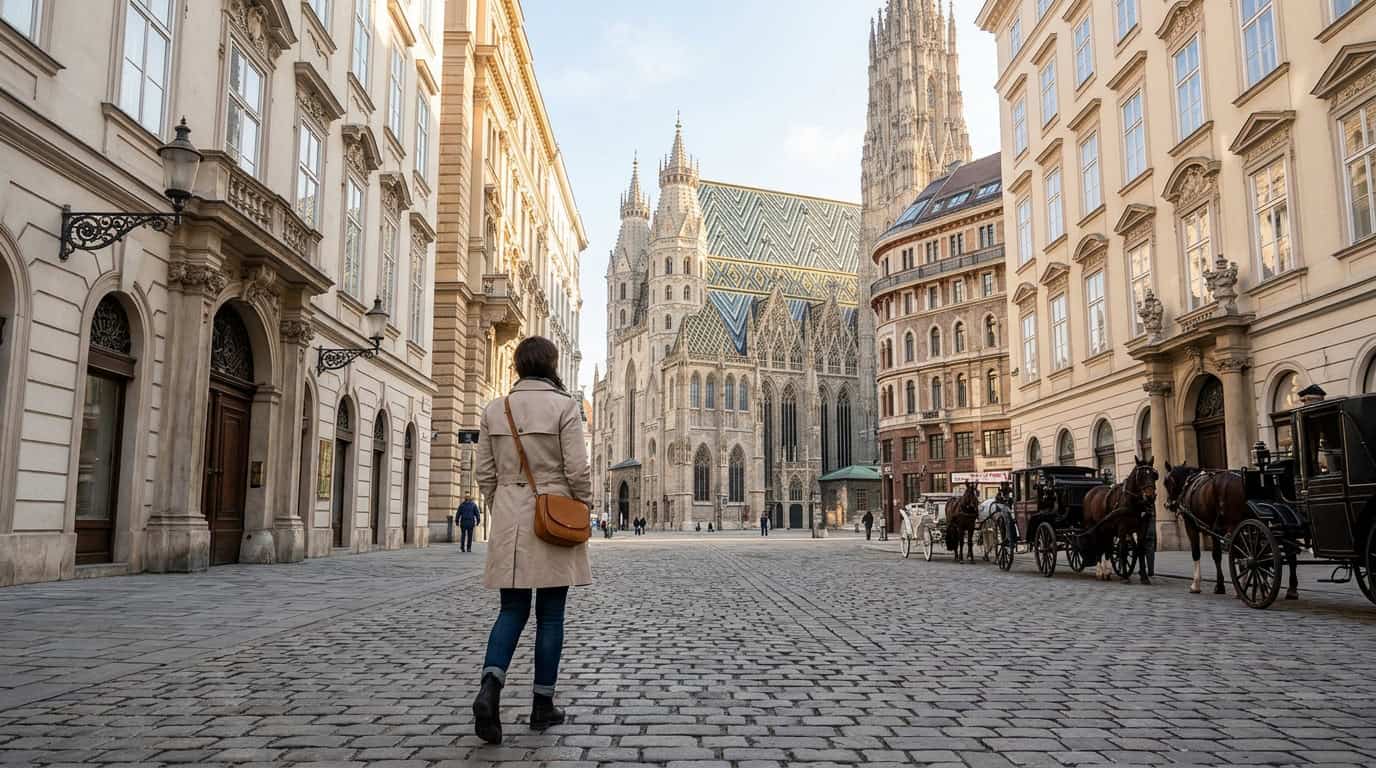
Start at St. Stephen’s Cathedral, follow the Hofburg and Ringstrasse on foot, and finish with a rest in the Burggarten. The loop needs no tram or ticket, and you can do it at a relaxed pace in one morning or afternoon.
We like to begin early, before tour groups gather on Stephansplatz. The cathedral’s patterned roof tiles and Gothic spire are easy to admire from the square, and the lanes around it are quiet enough to hear the bells.
Here is the loop in the order we recommend:
- Begin at St. Stephen’s Cathedral on Stephansplatz and spend time inside the nave before heading back out.
- Walk west along Graben and Kohlmarkt, where the shop windows and old passageways make the route feel like a stroll rather than a march.
- Reach the Hofburg at Michaelerplatz and walk through the palace courtyards, the former imperial residence at the heart of the city.
- Head onto the Ringstrasse and follow it past the State Opera, the Parliament and the City Hall, which together show how the boulevard was built in the 19th century.
- Turn into the Burggarten, the palace garden beside the Ring, and sit on the lawns for a rest.
The Burggarten is open daily from 6 a.m. to 10 p.m. from April 1 through October 31, and its lawns were reopened for public use in 2007. Check the opening hours before you set out in autumn or spring, because the garden is not open all year round.
If your feet tell you to shorten the day, skip the Ringstrasse leg and take the First District walk instead. It takes about 1.5 hours and keeps you within the old centre. You can still end in the Burggarten if the weather is warm.
Plan for a break along the way. Stop for a café at a coffeehouse near the Ring, and allow an hour without a schedule before evening plans begin.
Which Coffeehouse Rituals Are Worth Trying?
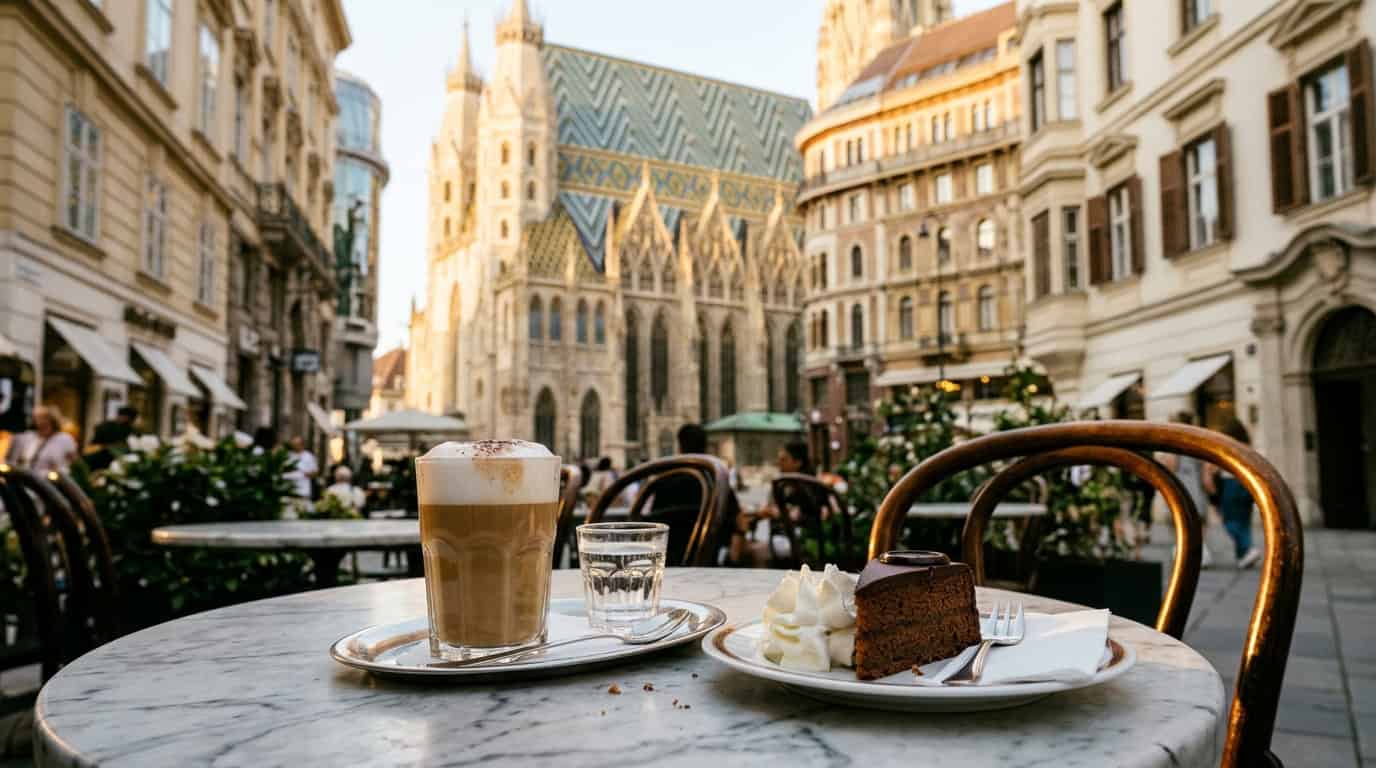
A traditional Viennese coffeehouse is worth visiting for the ritual itself. Sit down, order slowly and let the afternoon stretch. The Vienna Tourist Board’s coffeehouse guide describes the classic room by its bentwood chairs, marble tables and newspaper tables, so you can read the day’s papers without juggling them.
Your first order should be a Melange. It is coffee with hot milk and milk foam, so it is softer and creamier than a black espresso, which makes it a gentle introduction to the menu. Once you feel settled, you might try one of these other classics:
- An Einspänner, a black coffee topped with a generous layer of whipped cream
- A Kleiner Braune, a small coffee with a dash of milk, for those who prefer it strong
- A glass of tap water, which almost always arrives with the coffee as part of the ritual
Treat the visit as a pause rather than a checkpoint. Order a second drink if the mood allows, read a newspaper or simply watch the room. A coffeehouse stop is a slower alternative to rushing between sights, and it is often the moment when a day in Vienna starts to feel like a holiday rather than a schedule.
If you are in a quieter mood, skip the cafés beside the main sights. Choose a smaller, less busy café a few streets from St. Stephen’s, where the regulars outnumber the visitors and the waiters have time to chat. The Neubau district is a good place to look, with its neighbourhood cafés tucked between independent shops.
Choosing One Major Museum: The Upper Belvedere
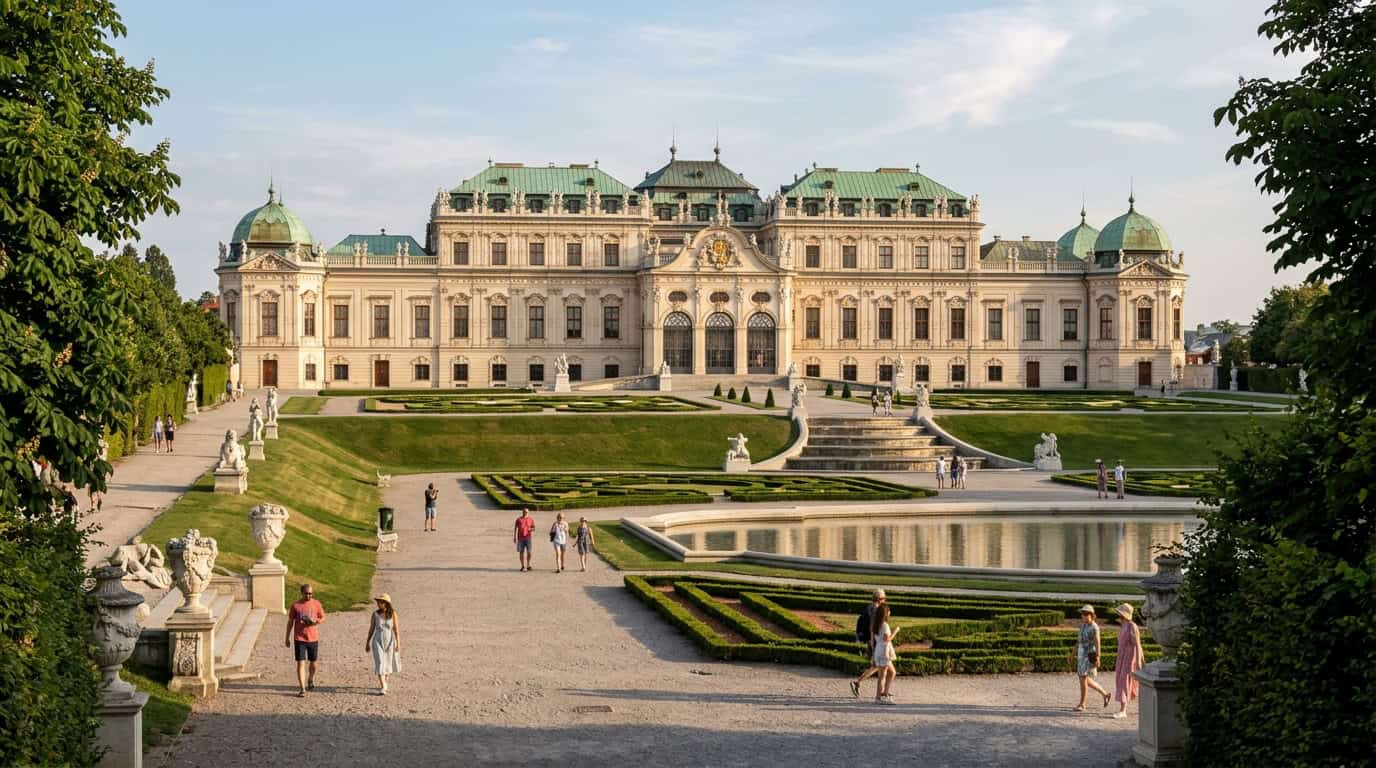
Vienna has more museums than any one trip can absorb, so we would choose a single major visit and give it a proper afternoon. The Upper Belvedere, set on a hill above the city in a Baroque palace, is our pick. Its galleries hold Gustav Klimt’s The Kiss, and the rooms are calm enough to let you look for a long time.
Tickets are €23 at the Upper Belvedere, which is open daily from 9 a.m. to 6 p.m. Visitors under 19 enter free, so families with teenagers can plan around that.
Book a time slot before you go. The Belvedere asks visitors to choose an entry time for both the Upper and Lower Belvedere, but once you are inside, you can stay as long as you like. That freedom is the best part of the visit, because you can linger in front of a favourite painting without watching the clock.
Give yourself a garden walk afterwards. The palace grounds slope down between the two Belvedere buildings, with formal lawns, clipped hedges and stone steps that reward a slow descent. Walk the terraces at your own pace, then sit on a bench and look back up at the palace in the late light.
Morning slots are quieter, so aim for opening time if you can. Leave the afternoon free for a coffee and an unhurried walk back into the centre.
Is Vienna Expensive for a City Break?
Vienna can be affordable for a city break if you plan around its two biggest costs: getting around and where you sleep. Much of the historic centre is walkable, so you will spend less on transport than you might expect.
Public transport is inexpensive. A 24-hour network ticket from Wiener Linien starts at €9.70 when bought online, and a 7-day ticket starts at €25.20. The 48- and 72-hour tickets, including the Vienna City Card, were discontinued from January 1, 2026, so older guides may list options you can no longer buy.
Accommodation needs more care. The local tax on temporary stays is 5% of the accommodation payment, calculated before VAT and excluding breakfast, and it applies from July 1, 2026 through June 30, 2027. Because breakfast falls outside the tax base, check whether it is included in your rate before comparing hotels. A room with breakfast bundled in may look pricier, yet the tax is calculated on a smaller amount than the total you pay.
A few practical habits help keep costs down:
- Compare room prices with and without breakfast, and note which one the tax applies to.
- If you ride on three or more days, the 7-day ticket costs less than three separate 24-hour tickets.
- Use the walking routes for most of your sightseeing, since they need no ticket at all.
Keep a small weekly budget for coffeehouse stops. They are a pleasure rather than an expense you need to cut.
Booking Standing Room Tickets at the State Opera
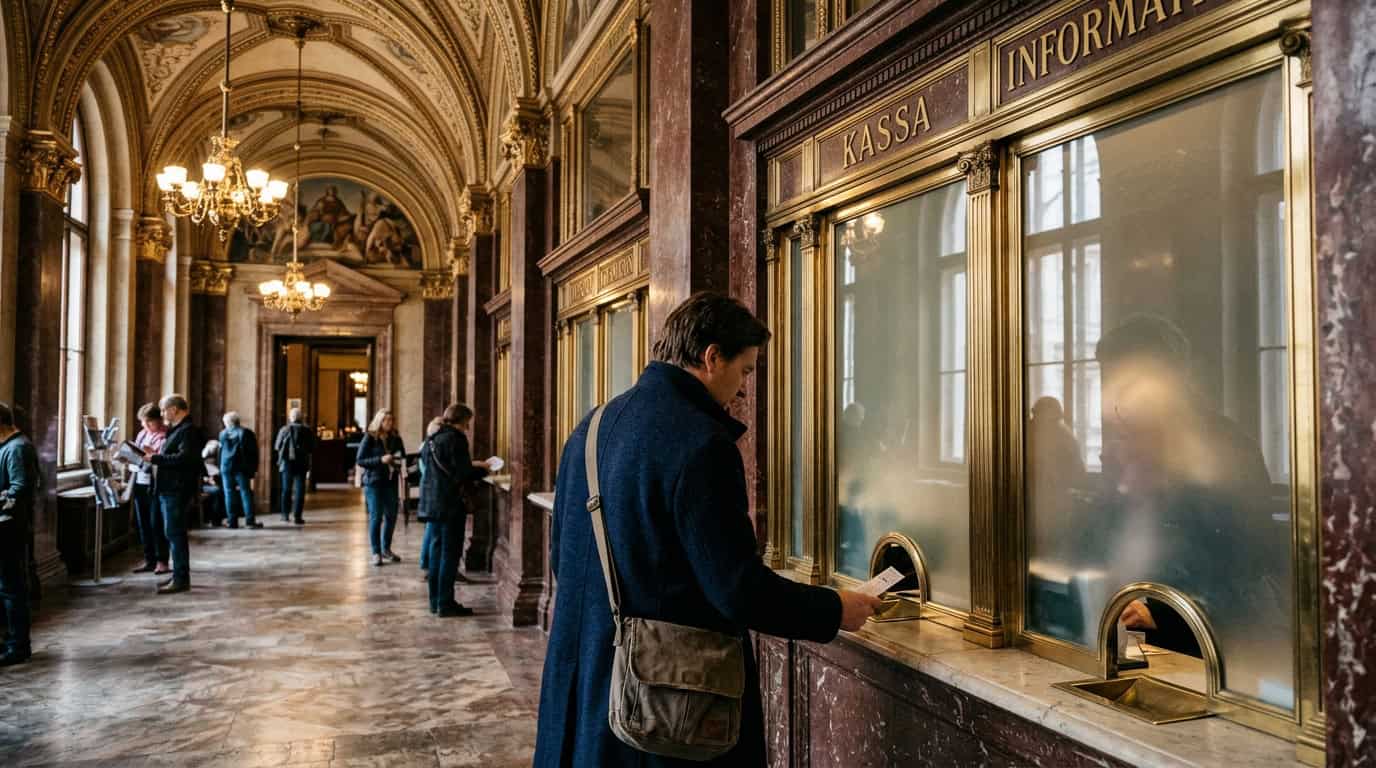
The State Opera is one of the best evening options on the Ringstrasse, and you do not need a large budget to enjoy it. Its standing-room places are the most affordable way into the house, so it is worth planning around them.
The State Opera’s October 2026 calendar lists standing-room tickets between €7 and €23. Seats are priced higher overall. For October 31, listed seat prices ranged from €16 to €229, so you can choose between a modest night and a special occasion.
Standing-room tickets go on sale online at 10 a.m. on the day of the performance. Set an alarm for that time and have your payment details ready, so you are not searching for your card while the seats are selling.
Arrive early. Standing places are first come, first served, and arriving with time to spare lets you find a good spot and settle in before the curtain rises. An early start also keeps the evening relaxed rather than rushed.
Plan dinner for after the show. Vienna’s restaurants stay busy late, and a leisurely meal gives you time to talk over the performance. Choose a place a short walk from the opera house, so the trip back to your hotel stays simple.
Planning Your Quieter Vienna Weekend
Start with your accommodation, because it shapes the rest of your budget. Compare rates with and without breakfast, since the 5% local tax is calculated on a base that excludes breakfast. Book early, as central hotels fill fastest in peak months.
Next, reserve your Upper Belvedere time slot in advance, and choose a morning entry if you want the galleries to feel calm. Then check the State Opera calendar for your chosen evening and set a 10 a.m. reminder on the performance day, when standing-room tickets go on sale online.
A workable three-day order looks like this:
- Day one: the First District walk, with a coffeehouse Melange and a rest in the Burggarten
- Day two: the Neubau walk, a long afternoon coffee and an unscheduled evening
- Day three: the Upper Belvedere in the morning, then standing room at the State Opera
Between the famous stops, keep room for quieter walks. Let the Neubau courtyards and side streets soften the pace after the crowds on the Ring, and leave at least one evening open so the city can surprise you.
Planning Your Quieter Vienna Weekend
Start by choosing your dates, then reserve your Upper Belvedere time slot before you book anything else. Aim for a morning entry, since the galleries are calmest when they first open.
Once the dates are fixed, compare hotel rates with and without breakfast. The 5% local tax is calculated on the amount before VAT and excluding breakfast, so the cheaper-looking room is not always the cheaper stay. Write both totals side by side so the choice is clear.
Next, open the State Opera calendar for the evening you want and note the performance date. Set a reminder for 10 a.m. on that day, when standing-room tickets go on sale online, and decide in advance whether you are happy to stand for the performance.
Finally, save the three-day order from this guide and leave one afternoon completely blank. That open time is where the quieter side of Vienna tends to reveal itself, so protect it as carefully as you protect your museum slot.