
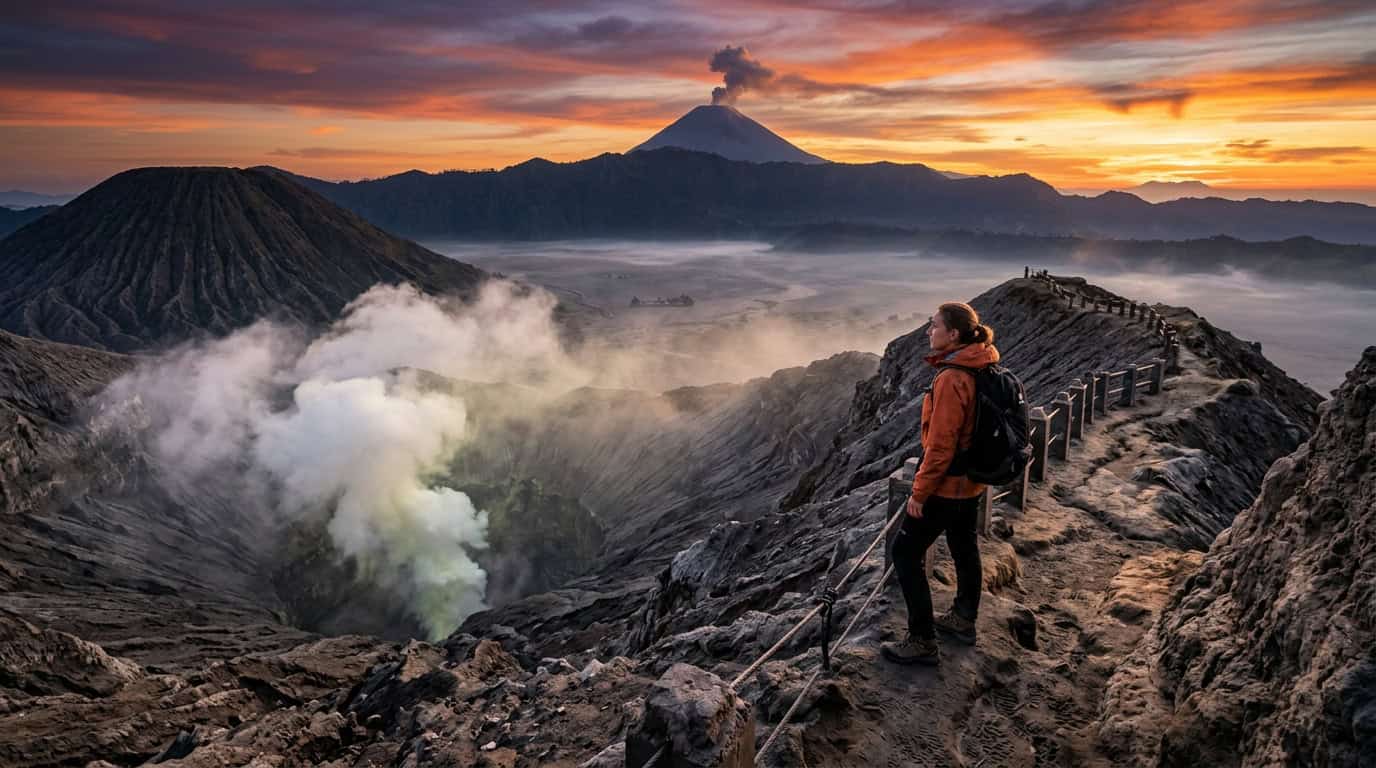
There is something life-altering about standing on the edge of the Earth, watching the first light of dawn pierce through the sulfurous mists of a volcanic world. Java volcano hiking offers a raw, primal connection to nature that few other experiences can match, especially during the crisp, clear mornings of the June dry season. I still remember the crunch of volcanic ash beneath my boots and the way the golden sun painted the caldera in shades of violet and orange. It is a journey of grit and beauty, where every steep incline is rewarded with a view that feels like a secret shared only with the clouds.
While the starlit skies are currently at their most brilliant, exploring the Ring of Fire requires a blend of spontaneity and careful planning this season. From the newly cleaned slopes of Mount Bromo to the restricted, glowing heart of Mount Ijen, the environment is constantly shifting under our feet. You need to know exactly which trails are welcoming travelers and which summits are currently whispering warnings of fire and ash. Balancing the thrill of the ascent with the reality of local closures ensures your adventure is as safe as it is breathtaking.
Key Takeaways
- June offers the optimal window for Java volcano expeditions, providing the peak dry season clarity and stable trail conditions necessary for iconic panoramic views.
- Current volcanic activity and maintenance in 2026 require logistical flexibility, as Mount Semeru is restricted to Ranu Kumbolo and the ‘blue fire’ at Ijen is temporarily inaccessible.
- Successful high-altitude trekking in the Ring of Fire demands specialized gear, including high-quality respirators for sulfur gases, sturdy boots for volcanic ash, and thermal layers for freezing pre-dawn temperatures.
- Mount Bromo remains the premier accessible destination this season, featuring refreshed trails following the annual Kasada ritual cleanup and full access to the crater rim.
Navigating The Volcanic Terrains Of Mount Bromo And Sea Of Sand
Stepping onto the vast Sea of Sand at the base of Mount Bromo feels less like a hike in Indonesia and more like a voyage to a distant, dusty planet. As of June 2026, the park has just reopened following the annual post Kasada ritual cleanup, meaning the trails are refreshed and the volcanic energy is palpable. The trek begins in the pre dawn chill, where you will navigate across the caldera floor toward the iconic concrete stairs that lead to the crater rim. Standing on that narrow ledge, you can hear the deep, rhythmic roar of the earth while the smell of sulfur reminds you of the raw power beneath your boots. It is a high stakes environment that demands respect, but the reward of looking directly into the smoking throat of a living volcano is an incredible adrenaline rush.
For the most breathtaking views of this terrain, I recommend bypassing the crowded lower platforms and heading straight to King Kong Hill or Seruni Point before the sun breaks the horizon. From these elevated vantage points, you can watch the morning mist cling to the valley floor as the sky transitions from deep violet to a fiery orange. The contrast between the rugged, ribbed slopes of Mount Batok and the smoking caldera of Bromo creates a silhouette that looks almost painted. June offers the peak dry season clarity you need for these panoramic shots, though you should pack layers because the temperatures at these altitudes can drop surprisingly low before sunrise. After soaking in the view, make your way down to the caldera for the final climb to the rim to complete your morning adventure.
Planning your visit during this window requires a bit of logistical agility due to the dynamic nature of Java’s volcanic activity. While Bromo is currently fully accessible, remember that nearby Mount Semeru remains restricted to Ranu Kumbolo, and the blue fire at Ijen is temporarily closed for maintenance. This makes Bromo the undisputed star of your June 2026 itinerary, offering the most comprehensive and dramatic hiking experience available in the region. Always check the local volcanic alert levels on the morning of your trek, as conditions can shift quickly in this geologically active area. Embracing the unpredictability is all part of the journey when you are exploring one of the most surreal corners of the Ring of Fire.
Scaling The Sulfur Trails Of Mount Ijen Without The Blue Fire
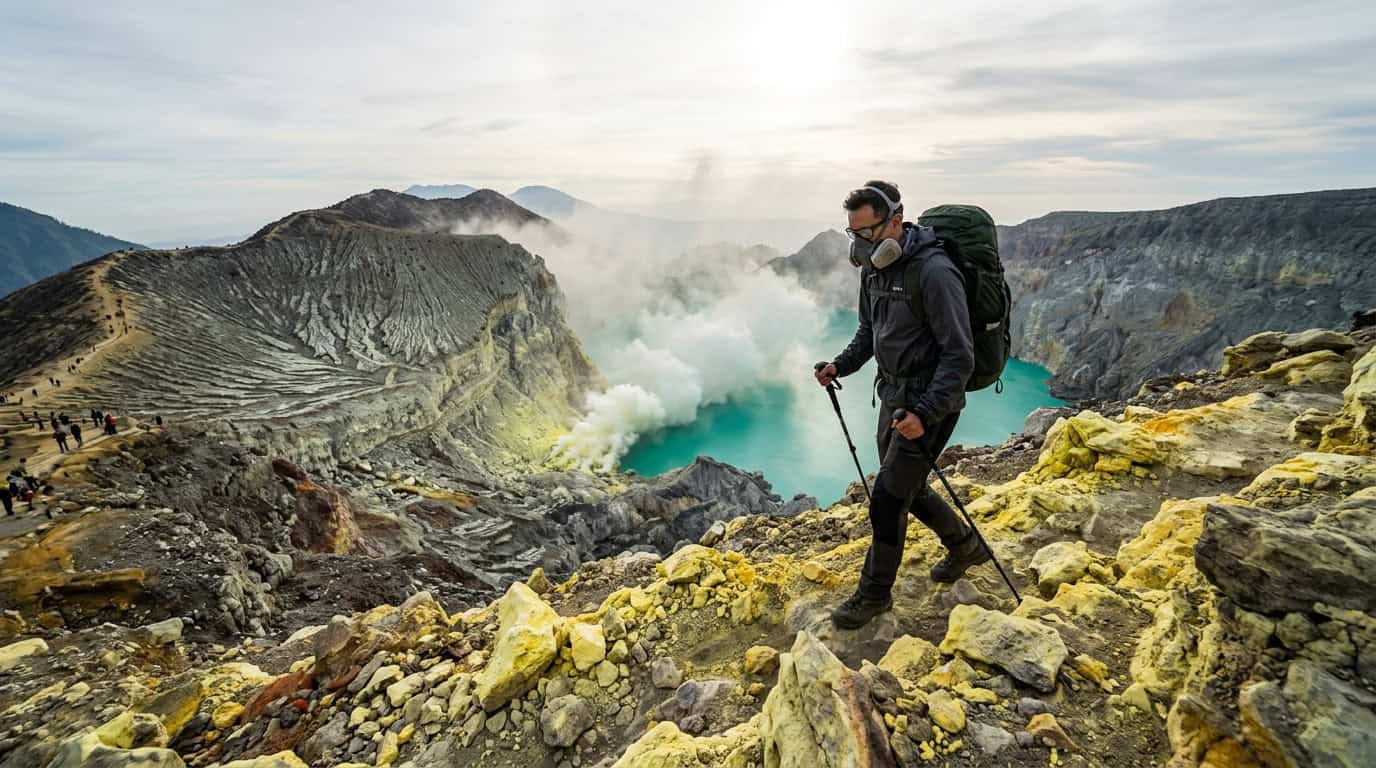
The ascent to the Ijen crater rim is a heart-pounding introduction to the raw power of Java’s volcanic spine. As I began the trek under a canopy of stars, the steep, dusty incline tested my resolve long before the first light of dawn touched the horizon. While the famous blue flames are currently off-limits due to increased sulfur gas activity and essential pipe maintenance, the journey remains a profound physical and spiritual challenge. I found that navigating the trail without the distraction of the lower vents allowed me to focus entirely on the rhythmic crunch of volcanic ash beneath my boots. The air grew thinner and cooler as I climbed, scented with the unmistakable, sharp tang of sulfur that characterizes this otherworldly environment.
Reaching the summit just as the sun began to peek over the jagged ridges was a moment of pure, unadulterated awe. The vast turquoise acid lake revealed itself in the morning light, its milky waters contrasting sharply against the scorched, yellow-stained walls of the caldera. I spent my time watching the hardy sulfur miners navigate the treacherous paths, a humbling sight that puts any hiker’s fatigue into perspective. Because of the current gas restrictions, it is vital to bring a high-quality respirator mask and stay upwind of the billowing white plumes. Standing at the edge of the rim, looking out over the misty Balinese strait in the distance, I realized that the true magic of Ijen lies in its dramatic scale rather than a single fleeting phenomenon.
For those planning a visit during this peak dry season, timing your arrival at the rim for the golden hour is essential for the best photography. I recommend starting your hike no later than 3:00 AM to ensure you have a prime spot along the crater edge before the crowds thicken. Be sure to pack layers, as the temperature at the top can drop significantly while you wait for the sun to illuminate the vibrant minerals of the crater floor. Even with the inner crater closed, the panoramic views of the surrounding peaks and the sheer intensity of the volcanic environment make this a high-stakes highlight of any Indonesian adventure. Always check the local ranger reports before you start, as volcanic conditions in East Java can shift with the wind.
Trekking To Ranu Kumbolo On The Slopes Of Mount Semeru
Stepping into the mist-covered highlands of East Java, I found that the journey to Ranu Kumbolo is a soul-stirring alternative to the high-stakes summit treks often found elsewhere. While Mount Semeru remains at a Level III alert status, restricting access to the peak for safety, the trail to this alpine lake offers a high-altitude experience that feels like a hidden sanctuary. My two-day itinerary begins at the village of Ranu Pani, where you will register and begin a steady five-hour hike through lush tropical forests and rolling hills. The path is well-marked and winds through ancient ferns and towering pines, providing a dramatic environment that feels worlds away from Java’s humid coastal plains. Reaching the lake at 2,400 meters above sea level is a reward in itself, as the turquoise water reflects the surrounding green peaks like a natural mirror.
Once you arrive at the shores of Ranu Kumbolo, the focus shifts from the physical grind to deep, inspirational immersion in nature. Setting up camp along the water’s edge allows you to witness the famous golden sunrise as the light spills through the iconic V-shaped gap in the hills. After breakfast, I recommend taking a short walk up the Tanjakan Cinta, or the Hill of Love, to look back at the lake from an elevated perspective. From here, you can continue to the Oro-Oro Ombo savannah, which transforms into a sea of purple during the peak dry season when the Verbena flowers are in full bloom. This itinerary prioritizes the stunning lower trails, ensuring you experience the raw beauty of Java’s highest mountain while respecting the current safety boundaries set by the volcanic activity.
To make the most of this trek during the peak June season, preparation is key for both the cold nights and the high-altitude sun. Temperatures at the lake can drop near freezing after dusk, so packing high-quality thermal layers and a down jacket is essential for a comfortable night under the stars. You should also bring plenty of water and high-energy snacks, as the thin air makes every incline feel a bit more demanding. Remember that because the summit is strictly off-limits, this is the perfect time to slow down and practice mindful hiking rather than rushing to a peak. By focusing on the vibrant ecosystem of the Ranu Kumbolo basin, you gain a profound appreciation for the volcanic power that shapes this incredible island.
Essential Gear And Seasonal Timing For Java Volcano Expeditions
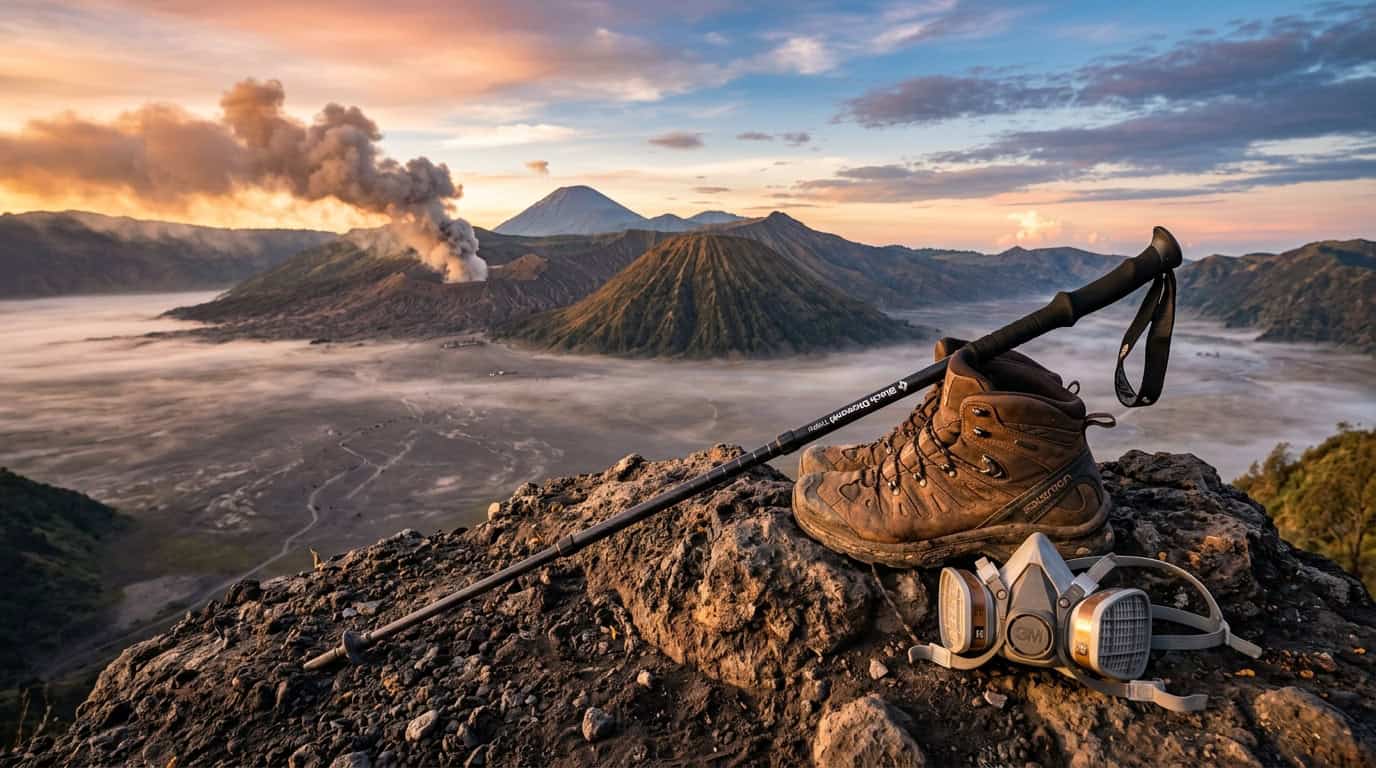
Preparing for the rugged peaks of Java requires a strategic approach to layers, as the tropical heat of the lowlands quickly transforms into a biting chill at higher altitudes. I always recommend packing a high quality moisture wicking base layer combined with a lightweight down jacket and a windproof shell to combat the freezing pre-dawn temperatures. You will also want a sturdy pair of hiking boots with deep tread, as the volcanic ash on slopes like Bromo can be incredibly slippery underfoot. Do not forget a reliable headlamp for those midnight ascents, along with a pair of warm gloves to protect your hands from the cold mountain air. These essentials ensure you stay comfortable while waiting for the sun to break over the horizon, turning a challenging trek into a truly magical experience.
June stands out as the ultimate window for these expeditions because it marks the heart of the dry season, providing the crisp visibility needed for those iconic panoramas. While the current 2026 season sees Mount Merapi closed due to high activity, the clear skies of June offer breathtaking views of Mount Bromo and the surrounding sea of sand. Much like the preparation required for an Acatenango volcano hike, you should be aware that Mount Ijen currently has restrictions on the Blue Fire area for maintenance, but the sunrise from the rim remains one of the most spectacular sights in Indonesia. Even with Mount Semeru limited to Ranu Kumbolo, the lack of rain during this month makes the trails much safer and the vistas far more vivid. This timing allows you to capture the dramatic contrast between the deep green valleys and the stark, smoking craters without the interference of seasonal clouds.
A Sunrise Worth Every Step
Standing on the edge of a Javanese caldera as the first light of dawn breaks over the horizon is a perspective-shifting experience that transcends the typical beach holiday. These dramatic, high-stakes environments demand physical effort and mental resilience, yet they reward you with a profound sense of connection to the raw power of our planet. Whether you are navigating the ethereal mists of Mount Bromo or watching the steam rise from Ijen, you are witnessing a world in constant, fiery creation. This journey through Indonesia’s volcanic heart is more than just a series of photo opportunities; it is a testament to the beauty found in nature’s most volatile environments.
For those of you seeking an adventure that pushes beyond the familiar, there is no better time to swap the coastline for the craters. While the 2026 season brings necessary restrictions like the summit closure of Mount Semeru and the maintenance at Ijen, these boundaries only add to the mystique and respect these peaks command. I encourage you to embrace the early wake-up calls and the steep climbs, knowing that the clarity of the dry season air will reveal vistas you will carry with you forever. Java is waiting to show you its most spectacular and untamed side, so pack your boots and prepare for a Mount Bromo sunrise tour that will truly redefine your travel expectations.
Frequently Asked Questions
1. When is the best time of year to plan a Java volcano hiking adventure?
The dry season in June offers the most spectacular conditions with crisp air and incredibly clear morning skies. You will experience the most vibrant sunrises and stable trail conditions during this window, making it the ideal time for your ascent.
2. What should I know about visiting Mount Bromo right now?
As of June 2026, the park has just reopened following the annual Kasada ritual cleanup, so you can enjoy refreshed trails and a pristine landscape. Be prepared for a pre dawn start to navigate the Sea of Sand before climbing the concrete stairs to the crater rim.
3. Are there any specific safety concerns I should keep in mind?
The environment in the Ring of Fire is constantly shifting, so you must stay informed about local trail closures and volcanic activity warnings. Always respect the raw power of the earth and follow local guidance to ensure your journey is as safe as it is breathtaking.
4. What kind of terrain can I expect during the hike?
You will encounter a diverse range of surfaces including the crunch of volcanic ash, the dusty expanse of the Sea of Sand, and steep concrete stairs. It is a volcanic environment that feels like another planet, requiring a bit of grit and sturdy boots to navigate effectively.
5. Is the hike to the Bromo crater rim difficult?
The trek involves a steady walk across the caldera floor followed by a steep climb up a set of stairs to reach the narrow ledge. While it demands some physical effort in the high altitude air, the exhilaration of hearing the earth roar beneath you makes every step worth it.
6. What should I pack for a sunrise volcano trek?
Layering is essential because temperatures are freezing in the pre dawn chill but rise quickly once the sun hits the caldera. Ensure you have a sturdy pair of hiking boots for the volcanic ash and a mask to help with the sulfurous mists near the crater rim. Much like exploring the intense island of Reunion, being prepared for rapid weather changes is key to a successful trek.