
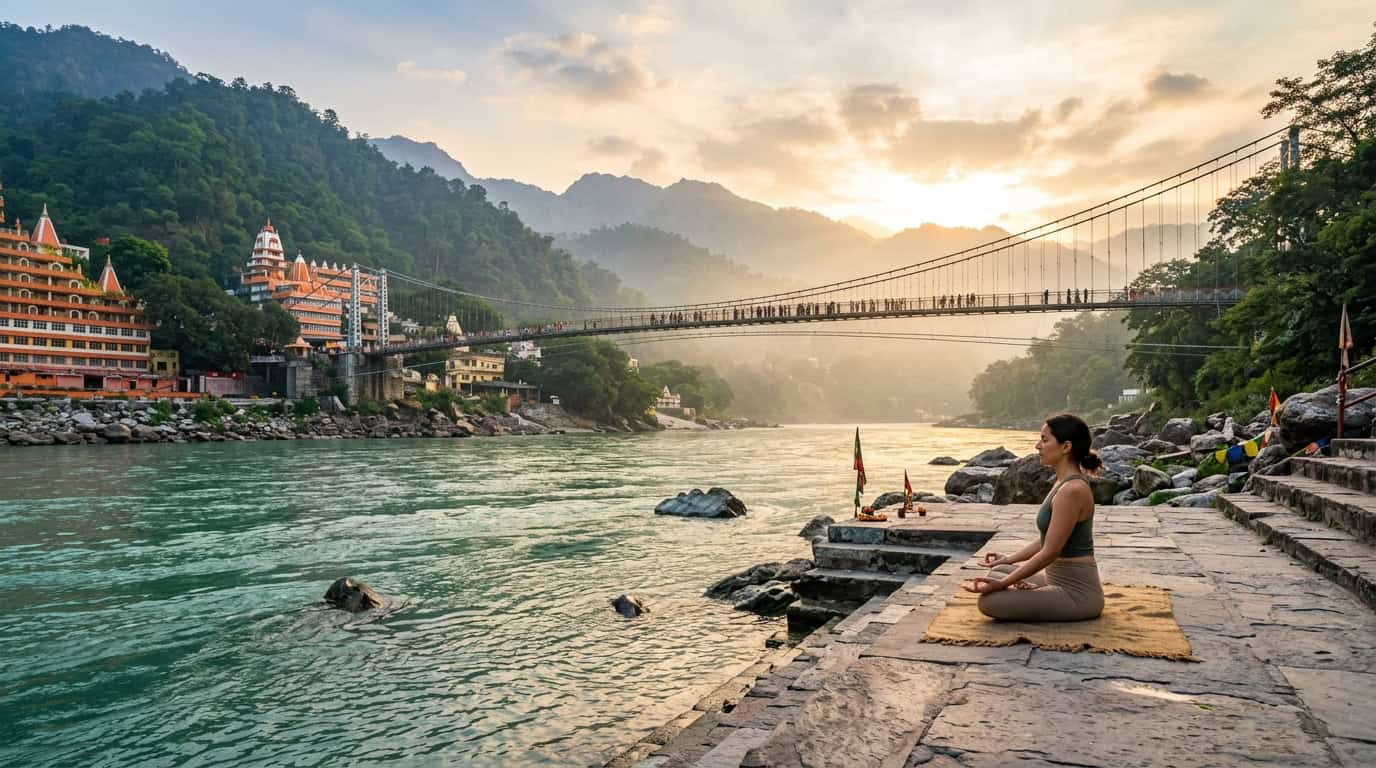
The scent of sandalwood and wet river stones still lingers in my memory from the moment I first stepped onto the banks of the Ganges. In 2026, the energy here is more vibrant than ever, as travelers from across the globe gather to experience the transformative power of rishikesh yoga retreats. While the city has evolved into a global wellness powerhouse, that unmistakable hum of ancient spirituality remains the heartbeat of every morning practice.
Navigating this bustling Yoga Capital requires a bit of insider knowledge to find the perfect balance between traditional ashram life and modern comfort. With spiritual tourism booming and new hybrid wellness models emerging, I’ve found that the most rewarding journeys are those that embrace both the stillness of meditation and the thrill of the Himalayan foothills. Whether you are seeking a deep soul-cleansing or a high-energy escape, the magic of this riverside sanctuary offers a unique path for every traveler.
Key Takeaways
- Choose between traditional ashrams for disciplined spiritual immersion and modern ‘yoga workations’ that offer high-speed Wi-Fi and ergonomic spaces for digital nomads.
- Plan your visit between March and May or September and November to ensure temperate weather for outdoor practice and to avoid the disruptive monsoon season.
- Incorporate local spiritual rituals like the nightly Ganga Aarti ceremony and visits to secluded meditation caves to deepen the connection between physical asana and ancient Vedic tradition.
- Adopt a sattvic lifestyle while in Rishikesh by consuming fresh, vegetarian meals and wearing modest, breathable clothing that respects the holy city’s cultural customs.
Choosing Between Traditional Ashrams And Modern Yoga Workations
When you arrive in Rishikesh, you will quickly notice that the city is divided between the austere simplicity of traditional ashrams and the modern comforts of new age wellness centers. If you choose a classic ashram stay, prepare for a deeply transformative and disciplined lifestyle that often begins with a 5:00 AM bell for meditation. These sacred spaces prioritize spiritual immersion over luxury, meaning you might find yourself sleeping on a firm mattress and eating simple, sattvic meals in communal silence. It is an incredible way to disconnect from the digital noise of the world and reconnect with your inner self through rigorous hatha yoga and ancient Vedic philosophy. There is a certain magic in the scent of incense and the sound of the Ganges flowing right outside your window while you live a life stripped of modern distractions.
For those who need to stay connected to their careers while deepening their practice, the rise of the yoga workation has become a significant shift in the local scene. These hybrid retreats understand the needs of the modern digital nomad, offering high speed Wi-Fi and ergonomic workspaces alongside professional yoga instruction. You can spend your morning in an invigorating vinyasa flow and your afternoon taking calls with a view of the Himalayan foothills. This model is perfect if you want the benefits of a spiritual environment without having to sacrifice your professional responsibilities or your favorite comforts. Many of these spots even include boutique amenities like air conditioning and artisanal cafes, making them a more approachable entry point for first time visitors to India.
The decision ultimately depends on whether you are looking for a total ego reset or a sustainable lifestyle shift that integrates wellness into your daily routine. I found that while the ashram experience provided the most profound mental clarity, the workation model allowed me to stay in Rishikesh for months rather than just a few weeks. If you are planning a trip in 2026, consider booking your spot early as the surge in global interest has made both options highly competitive. Regardless of which path you choose, the energy of the Yoga Capital of the World will undoubtedly leave a lasting impression on your soul. Take the time to listen to what your body needs, whether that is the silence of a cell or the community of a coworking lounge.
Mastering Asanas Along The Sacred Banks Of The Ganges
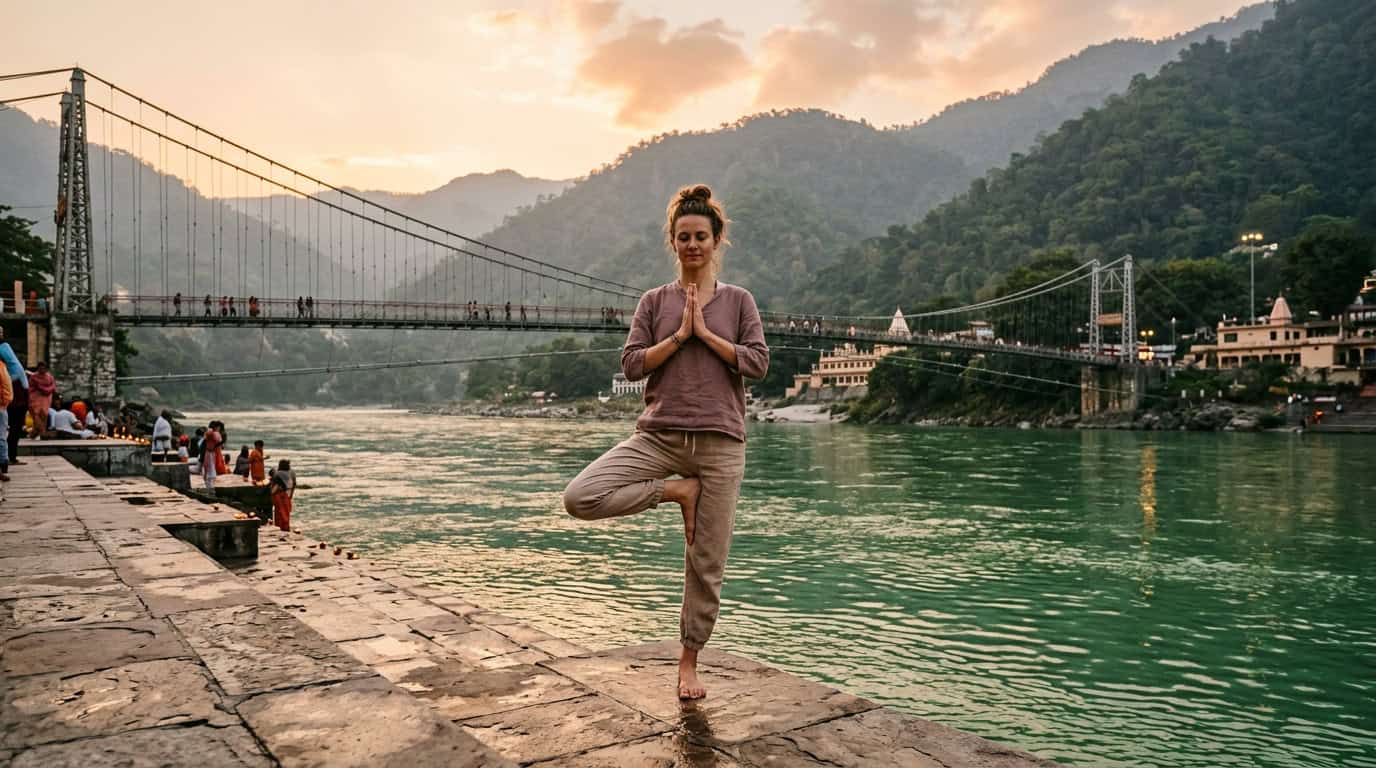
Waking up to the distant sound of temple bells and the rhythmic rush of the turquoise Ganges marks the beginning of a typical day in a Rishikesh ashram. My mornings usually start at dawn with pranayama and meditation on a stone terrace overlooking the river, where the air is crisp and filled with the scent of sandalwood. In these traditional settings, the focus goes beyond physical exercise to embrace the spiritual heritage that has drawn seekers here for centuries. You will find that the instruction is rigorous yet deeply rewarding, often blending hatha and ashtanga practices with philosophical teachings. It is an immersive experience that challenges your body while providing a profound sense of mental clarity that is hard to find in a standard gym back home.
Between sessions, you can wander through the narrow, vibrant streets of the city or sit quietly by the riverbanks to observe the local life. I highly recommend taking the time to visit the Beatles Ashram or crossing the iconic suspension bridges to find a quiet cafe for a ginger lemon honey tea. As the sun begins to set, the energy of the town shifts toward the nightly Ganga Aarti ceremony, a devotional ceremony involving fire, chanting, and music. Standing among the crowds at local riverfront temples as lamps are floated onto the water is a grounding experience that connects your physical practice to the ancient soul of India. This daily rhythm creates a transformative journey that balances the physical sweat of your asanas with a deep, lasting spiritual peace.
Navigating The Best Local Spots For Sattvic Healing
Stepping away from the structure of your daily ashram schedule allows you to truly absorb the spiritual vibration of Rishikesh through its vibrant local flavors. To keep your body light and your mind clear for meditation, I always recommend wandering toward the quieter corners of Lakshman Jhula where organic cafes serve farm to table sattvic meals. These hidden gems prioritize seasonal ingredients like sprouted mung beans, fresh pomegranate, and cooling coconut water, providing the perfect energetic fuel for your asana practice. One of my favorite afternoon rituals is sitting by the Ganges with a bowl of Ayurvedic kitchari, watching the emerald water flow while the scent of marigolds and incense drifts through the air.
Beyond the bustling cafes, the real magic of a Rishikesh yoga retreat lies in the ancient silence of the Vashistha Gufa and other secluded meditation caves tucked along the riverbanks. These natural stone sanctuaries offer a profound stillness that is hard to find in the city center, making them ideal for those seeking a deeper connection to their inner self. I found that spending just an hour in these cool, quiet spaces helped me integrate the lessons from my morning philosophy classes far more effectively than sitting in a crowded hall. Make sure to pack a light shawl and visit early in the morning to beat the crowds, ensuring your journey remains a personal and transformative experience.
Planning Your Transformative Journey To The Himalayan Foothills
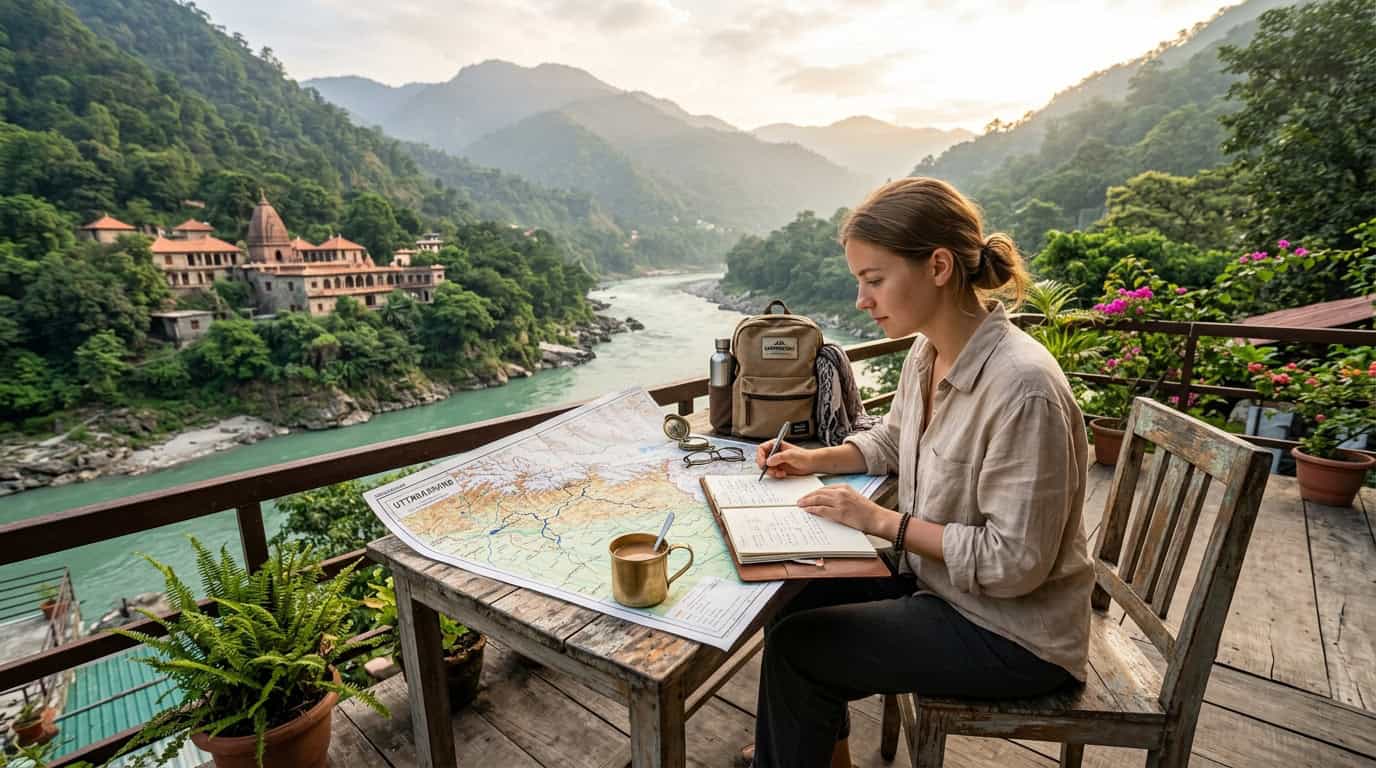
Choosing the right time for your pilgrimage to the Himalayan foothills is the first step in ensuring a successful retreat experience. I highly recommend visiting between March and May or from late September to November, as these windows offer the most temperate weather for sunrise meditation and outdoor asana practice. During these months, the air is crisp and the Ganges flows with a vibrant clarity that truly enhances the spiritual atmosphere of the city. You should avoid the peak monsoon season in July and August, when heavy rains can disrupt travel and limit your ability to explore the surrounding mountain trails. Packing for an ashram stay requires a balance of modesty and functionality, so be sure to bring loose, breathable cotton clothing that covers your shoulders and knees.
Preparing your suitcase involves more than just yoga gear, as the local terrain and spiritual customs dictate a specific wardrobe. I always pack a sturdy pair of walking shoes for navigating the rocky paths along the riverbank and a lightweight shawl for cooler evenings spent in satsang. Do not forget to include a reusable water bottle and basic first aid supplies, as staying hydrated and healthy is essential for maintaining the stamina required for intensive study. While many retreats provide basic mats, bringing a high quality travel mat or a grippy towel can offer a sense of familiarity and hygiene during your daily practice. Remember that Rishikesh is a holy city, so dressing respectfully not only honors the local culture but also helps you feel more integrated into the community.
Balancing a rigorous yoga schedule with the desire to explore the local culture is a rewarding challenge that requires a bit of intentional planning. I suggest dedicating your early mornings to deep practice and study, while leaving your late afternoons free to wander through the vibrant markets or attend the evening Ganga Aarti ceremony. You can easily find a rhythm that allows for quiet reflection in a riverside cafe after a long day of philosophy lectures and physical postures. Taking a weekend trek to the Kunjapuri Temple at sunrise offers a breathtaking perspective of the peaks and serves as a powerful reminder of why this region is considered the heart of yoga. By blending disciplined training with spontaneous adventures, you will return home with a truly transformative experience that transcends the four corners of your mat.
Begin Your Transformation by the Ganges
Stepping away from the constant noise of modern life to immerse yourself in a Rishikesh yoga retreat is more than just a vacation, as it is a profound investment in your own well-being. I have seen firsthand how the combination of ancient ashram traditions and the purifying energy of the Ganges leads to a significant improvement in life satisfaction for those who make the journey. Whether you are waking up to the sound of temple bells or practicing asanas as the sun rises over the Himalayas, the transformation is tangible and lasting. This sacred city remains the ultimate destination for soul-searching because it forces you to slow down and reconnect with your internal compass.
Navigating the vibrant streets of the Yoga Capital of the World in 2026 offers a unique blend of heritage and modern wellness that you simply cannot find anywhere else. While the city continues to grow and evolve, the core experience of an authentic ashram stay provides the practical tools needed to manage stress long after you return home. I recommend choosing a retreat that balances traditional philosophy with mindful meditation to get the most out of your spiritual pilgrimage. By prioritizing this journey, you are joining a global community of travelers who value depth, authenticity, and the pursuit of a more meaningful life.
As you plan your trip, remember that the magic of Rishikesh lies in its ability to challenge and comfort you at the same time. The economic growth and popularity of the region only prove that more people are seeking the clarity that a dedicated yoga practice provides. Pack an open heart and a sense of curiosity, as the lessons learned on the mat here tend to ripple out into every other aspect of your existence. To ensure you arrive ready for this deep work, you might want to consult a long haul flight survival guide to manage the transition to India smoothly. Your time in India will likely become the benchmark for all future travels, serving as a constant reminder of the peace you are capable of achieving.
Frequently Asked Questions
1. What is the main difference between a traditional ashram and a modern yoga workation?
Traditional ashrams focus on disciplined spiritual immersion with early morning bells and simple living to help you disconnect from the world. Modern workations provide high speed internet and comfortable amenities, allowing you to balance your professional responsibilities with daily yoga sessions.
2. What should I expect from the daily schedule at a Rishikesh ashram?
You can expect an early start, often around 5:00 AM, for meditation and morning prayers. Your day will be filled with rigorous hatha yoga classes and traditional Vedic philosophy lessons, all supported by simple, sattvic meals.
3. Is Rishikesh suitable for someone who needs to work while on retreat?
Yes, the city has evolved into a global wellness powerhouse that caters perfectly to digital nomads. Many new hybrid wellness centers offer dedicated workspaces and reliable connectivity so you can maintain your career while enjoying the Himalayan foothills.
4. What kind of food is typically served during a yoga retreat in Rishikesh?
Most retreats serve sattvic meals, which are vegetarian, fresh, and prepared to promote clarity and calm. These simple, nourishing dishes are often enjoyed in communal settings to foster a sense of connection with your fellow travelers.
5. Are there activities to do in Rishikesh besides yoga and meditation?
Rishikesh offers a beautiful balance of stillness and adventure, including hiking in the Himalayan foothills and experiencing the energy of the Ganges. You can explore the vibrant local markets or participate in evening ceremonies by the river to soak in the ancient spirituality.
6. What is the best way to choose the right retreat for my needs?
Decide whether you want a deep soul cleansing through traditional discipline or a high energy escape with modern comforts. Consider your goals, such as whether you want to fully unplug from digital noise or if you need a space that supports a hybrid lifestyle.