
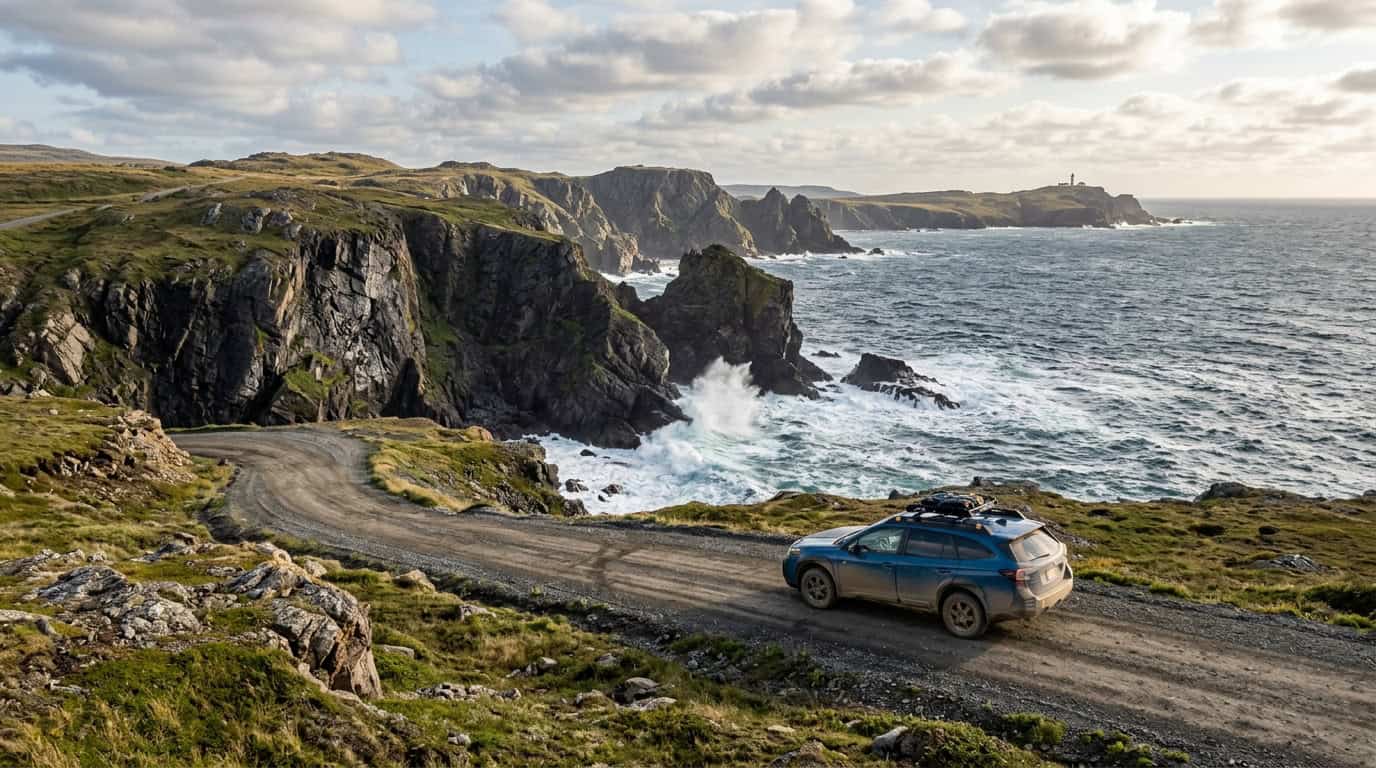
There is a raw, salt-sprayed magic that takes hold of you the moment you drive off the ferry and onto the “Rock.” My Newfoundland road trip felt like discovering a secret world where the mist clings to jagged cliffs and the locals treat you like long-lost family. From the vibrant, jelly-bean rows of St. John’s to the ancient, glacier-carved fjords of the west coast, every mile offers a landscape that feels both prehistoric and deeply welcoming.
While the spirit of the island remains timeless, navigating the province requires a bit of modern savvy and a flexible spirit. Whether you are relaxing in a pet-friendly cabin on the new ferry or scanning digital guides for the best hidden seaside stays, the key is to embrace the journey’s unpredictability. Keep a close eye on ferry schedules, pack your sturdiest hiking boots, and prepare for a drive that will stay in your heart long after the ocean spray has dried.
Key Takeaways
- Modernize your ferry experience by booking a cabin on the newest Marine Atlantic vessel, which features pet-friendly accommodations and Indigenous-inspired dining to transform the transit into a coastal cruise.
- Maintain a flexible itinerary and monitor digital traveler guides via QR codes to stay ahead of potential labor disruptions and real-time schedule changes affecting ferry crossings.
- Utilize digital whale trackers and local insights to witness 10,000-year-old glacial icebergs and humpback whales in coastal hubs like Twillingate and Bonavista.
- Prepare for extreme geological diversity and volatile weather by packing sturdy layers for the Martian-like terrain of the Tablelands and the rugged fjords of Gros Morne.
Navigating The Marine Atlantic Ferry Crossing
Setting sail from North Sydney toward the rugged shores of the Rock is a rite of passage for any road tripper. The introduction of the newest ferry has transformed the crossing to Argentia, offering a level of comfort that feels more like a coastal cruise than a standard transit. I spent my time on board exploring the Indigenous-inspired dining options and enjoying the fresh salt air from the deck while looking for fins in the water. If you are traveling with a furry companion, the new pet-friendly cabins are a fantastic way to keep your dog relaxed before the long drive ahead. These modern touches make the journey feel like a seamless extension of your adventure rather than just a logistical hurdle.
While the excitement of reaching the iceberg-filled bays is high, you must stay informed about potential labor disruptions affecting the season. I recommend checking your digital traveler’s guide daily and using the integrated QR codes to monitor real-time schedule changes before you head to the terminal. Having a backup plan or a flexible itinerary is essential, as a strike could shift your departure times or routes unexpectedly. If you do face a delay, take it as an opportunity to explore the small fishing villages near the docks in Nova Scotia. A little bit of patience goes a long way when you are trying to reach such a wild and beautiful destination.
Once you finally roll off the ramp and onto Newfoundland soil, the vast scale of the landscape immediately takes your breath away. The drive from the ferry terminal into the heart of the province offers dramatic views of the Atlantic coast that look like they belong on a postcard. I always keep my binoculars on the dashboard because you never know when a humpback whale might breach or a moose might appear near the tree line. Navigating the ferry system is simply the first step in a journey defined by mist, mountains, and the warm hospitality of the locals. Embrace the slow pace of the crossing and prepare yourself for the incredible coastal scenery that awaits just beyond the harbor.
Chasing Icebergs And Whales In Twillingate
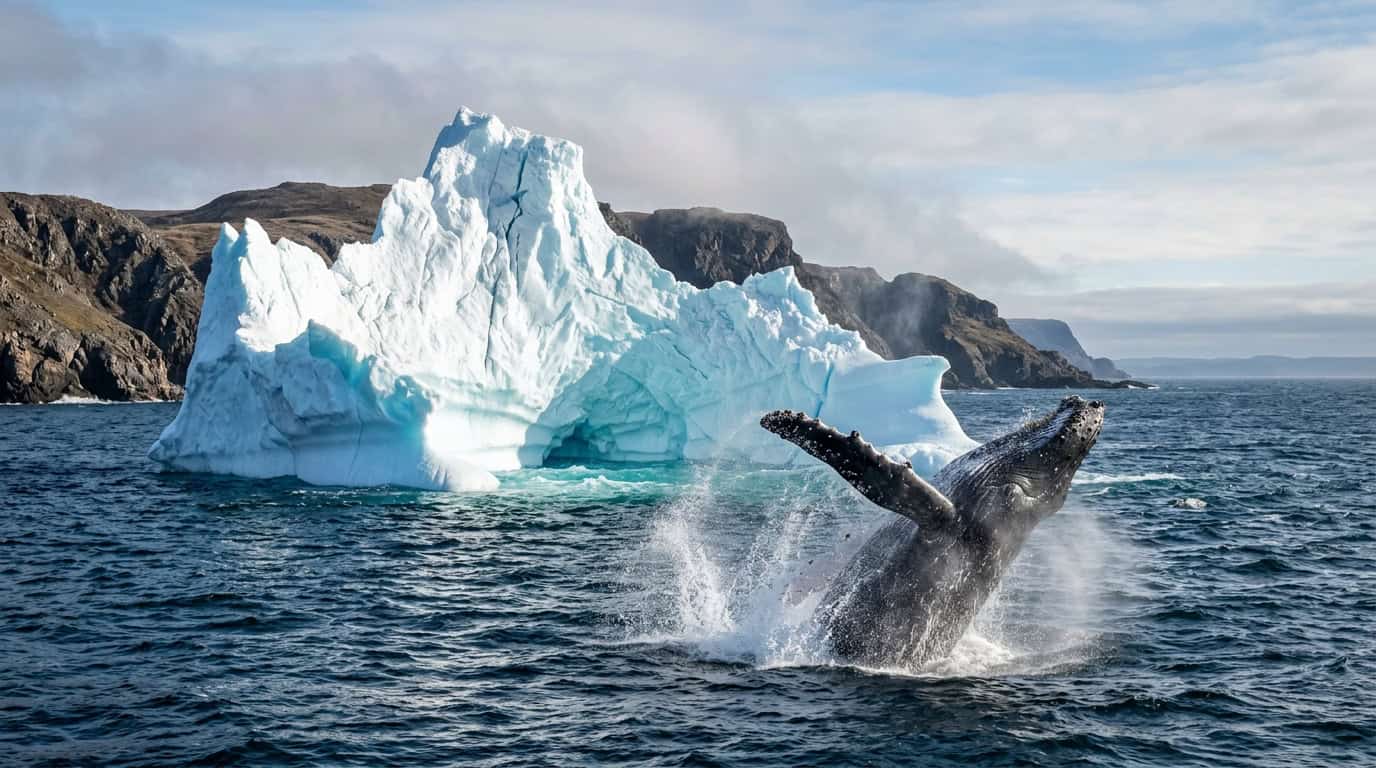
Twillingate serves as the ultimate gateway to the rugged Atlantic, where the salt air feels thick with the history of small fishing villages. During my visit, the skyline was dominated by massive, 10,000-year-old glacial giants drifting silently through the deep blue waters of Iceberg Alley. I spent my mornings hiking the coastal trails near the Long Point Lighthouse, where the elevated vantage points offer a breathtaking view of these white and turquoise cathedrals. The sheer scale of the ice is humbling, especially when you realize these bergs have traveled all the way from Greenland to reach these rocky shores. It is a dramatic landscape that feels perfectly suited for those who crave a more off-the-beaten-path North American adventure.
To make the most of the wildlife sightings, I relied on a digital whale tracker to pinpoint exactly where the action was happening. This tool allowed me to move beyond guesswork, providing real-time data on whale breaches and feeding patterns just off the coast. I remember standing on a jagged cliff edge when the app signaled a nearby pod, and moments later, a massive tail fin broke the surface in a spectacular display. Combining this high-tech assistance with local knowledge from the harbor helped me find the quietest coves for viewing. Seeing a humpback whale surface next to a towering iceberg is a core memory that defines the raw beauty of a Newfoundland summer.
If you are planning your own journey to this corner of the island, remember that timing and flexibility are your best friends. I recommend checking the digital Traveller’s Guide via the QR codes found at local visitor centers for the most up-to-date road conditions and boat tour schedules. While the drive to Twillingate is spectacular, always keep an eye on the ferry status updates, as travel requires staying informed about potential labor disputes or schedule changes. Pack a warm windbreaker and a good pair of binoculars, because the weather can shift in an instant. There is nothing quite like the feeling of watching the fog lift to reveal a pristine coastline teeming with life and ancient ice.
Hiking The Tablelands In Gros Morne
Stepping onto the Tablelands feels less like a hike in Newfoundland and more like a mission to the surface of Mars. This geological wonder is one of the few places on Earth where you can walk directly on the Earth’s mantle, pushed to the surface millions of years ago by colliding continents. The landscape is a striking, orange hue, devoid of typical greenery because the rock is so rich in heavy metals. As I trekked across the crunchy, ochre peridotite, the contrast against the deep blue sky felt otherworldly and incredibly rugged. It is a humbling experience to realize you are standing on the very foundation of our planet while looking out over the Atlantic.
For the best photo opportunities, I recommend timing your hike for the late afternoon when the sun hits the orange rock faces, making them glow with an intense, fiery radiance. Follow the main trail for an easy walk, but do not be afraid to scramble up the slopes for a panoramic view of the sparkling western fjords. From these higher vantage points, you can capture the dramatic scale of the glacier-carved fjords that define Gros Morne’s wild beauty. I found that the most breathtaking shots happen when you frame the rusted orange foreground against the lush, green cliffs of the surrounding mountains. It is a visual feast that perfectly captures the raw and untamed spirit of the North American coast.
As you plan your journey through the park, remember that the weather here can shift from sunshine to dense coastal fog in a matter of minutes. I always suggest packing layers and sturdy boots, as the terrain is uneven and can be surprisingly windy. If you are driving up from the ferry, keep an eye on your digital traveler’s guide for any real-time updates regarding local trail conditions or park notices. This area is a highlight of any road trip, offering a sense of isolation and grandeur that is hard to find anywhere else. Taking a moment to sit in silence on an orange boulder, watching the mist roll off the fjords, was easily the most memorable part of my entire trek.
Coastal Magic In Colorful Bonavista Villages
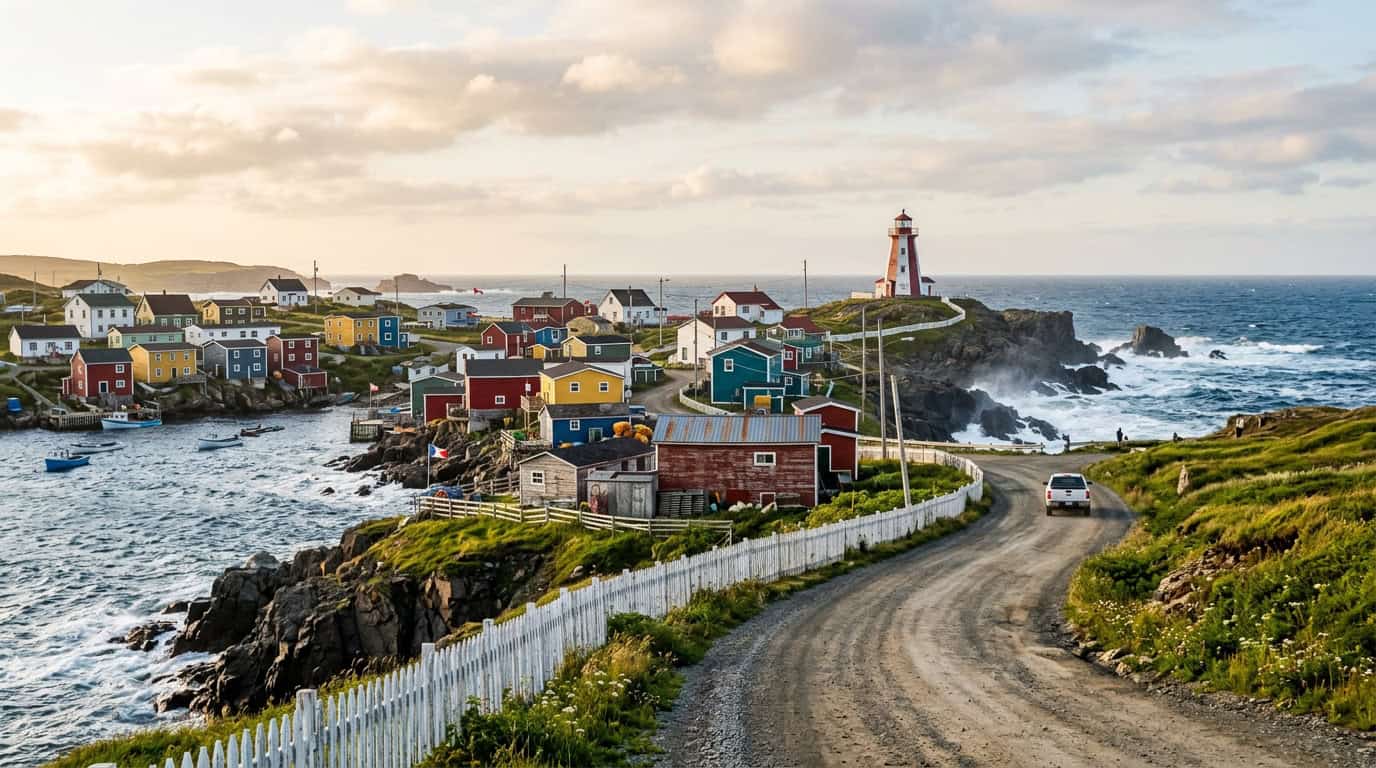
Wandering through the historic fishing outports of the Bonavista Peninsula feels like stepping into a living postcard where the salt air carries the scent of the North Atlantic. I spent my afternoons weaving between the iconic jellybean houses, their vibrant reds, blues, and yellows providing a cheerful contrast to the rugged, slate-colored cliffs. In small communities like Trinity and Bonavista, the locals are quick to offer a wave or share a story about the season’s first iceberg sighting. It is this blend of warm hospitality and raw coastal beauty that makes this stretch of the road trip so unforgettable. You will find that time slows down here, allowing you to appreciate the intricate details of the wooden stages and drying flakes that have defined this coastline for centuries.
The drive toward the Cape Bonavista Lighthouse offers some of the most dramatic scenery in North America, especially when the spring ice starts to drift south. I highly recommend pulling over at the frequent coastal lookoffs to scan the horizon for the white peaks of icebergs or the mist of a breaching humpback whale. If you are planning your visit, remember to check the digital Traveller’s Guide via QR codes at local visitor centers for real-time updates on wildlife sightings and local events. While the rugged landscape feels beautifully isolated, the modern infrastructure makes it easier than ever to visit these remote gems. Be sure to chat with the shopkeepers in the small outports, as their tips on hidden hiking trails and the best spots for local berry cake are invaluable.
To make the most of your time in this region, I suggest a three-day loop starting in the meticulously preserved village of Trinity for a guided walking tour. On your second day, head north to Bonavista to explore the Ryan Premises National Historic Site and catch the sunset at the jagged rocks of Dungeon Provincial Park. Your final day should be dedicated to the nearby town of Elliston, which is famous for its root cellars and some of the best land-based puffin viewing in the province. Keep an eye on the latest ferry updates if you are arriving via the newer vessel on the Argentia route, as travel schedules can occasionally shift during the peak summer season. This corner of Newfoundland captures the heart of the island, offering a perfect mix of cultural heritage and wild, untamed nature.
Embracing the Unpredictable Spirit of the Rock
Ultimately, a Newfoundland road trip is less about following a rigid schedule and more about embracing the wild, untamed spirit of the North Atlantic. You might set out for a specific lighthouse only to find yourself sidelined by a thick wall of fog or a majestic moose wandering across the Trans-Canada Highway. I have learned that the best strategy is to pack your rain gear, keep your eyes on the horizon for breaching whales, and lean into the unpredictability of the weather. The sudden shift from a misty morning to a brilliant, sun-drenched afternoon over a colorful fishing stage is part of the magic that makes this place so special.
This province stands as North America’s greatest driving adventure because it rewards those who seek the path less traveled. From the towering fjords of the west coast to the icebergs drifting past the eastern shores, every kilometer offers a dramatic connection to nature that you simply cannot find elsewhere. Recent upgrades like the new ferry service make the journey more comfortable, even if you need to keep a close eye on potential travel advisories or labor updates. Whether you are scanning QR codes for local dining or sharing a story with a local in a remote outport, the island leaves an indelible mark on your soul. Much like unforgettable mountain adventure, this coastal trek provides a deep sense of wonder and discovery.
As you plan your expedition, remember that the true heart of Newfoundland lies in its rugged edges and the warmth of its people. There is a profound sense of freedom in navigating these coastal roads where the salt air fills your lungs and the scenery changes with every bend. It is a destination that demands your full attention and rewards your curiosity with sightings of puffins, caribou, and ancient rock formations. Do not let the logistics or the wind deter you from making this journey. Start your engine and head north to experience a world that feels both timeless and exhilaratingly new. Much like exploring the Crown of the Continent, this journey offers a raw connection to the natural world that stays with you forever.
Frequently Asked Questions
1. What is the best way to get to Newfoundland with a vehicle?
The most iconic way to start your journey is by taking the ferry from North Sydney to either Port aux Basques or Argentia. I highly recommend booking a cabin on the newest vessel for a comfortable, cruise-like experience that includes Indigenous-inspired dining and pet-friendly accommodations.
2. Are there any travel disruptions I should prepare for?
You should stay closely informed about potential labor discussions affecting the ferry schedules this season. I suggest checking the ferry service website frequently and maintaining a flexible itinerary just in case your crossing times shift at the last minute.
3. Can I bring my dog on the ferry crossing?
Absolutely, and it has never been easier thanks to the brand-new pet-friendly cabins. These cabins allow your furry friend to relax right by your side, making the long journey across the water much less stressful for both of you.
4. What should I pack for a road trip across the Rock?
The weather here is famously unpredictable, so you must pack sturdy hiking boots and plenty of layers to handle the mist and ocean spray. Don’t forget to download digital guides and offline maps, as cell service can be spotty when you are exploring the hidden seaside coves.
5. What are the must-see highlights along the drive?
You cannot miss the vibrant, multi-colored jelly-bean rows of houses in St. John’s or the breathtaking, glacier-carved fjords on the west coast. Every mile offers a mix of prehistoric landscapes and warm, welcoming communities that make you feel like part of the family.
6. How do I find the best places to stay along the coast?
I recommend using digital travel guides to scout out hidden seaside stays and cozy cabins that offer a more authentic local experience. Booking in advance is essential during the peak season, especially if you are looking for specific amenities like pet-friendly rooms or oceanfront views. For those who love the cold, it is a similar feeling to untouched wilderness found in the far south. If you are arriving from overseas, be sure to consult a survival guide to ensure you arrive ready for the drive.