
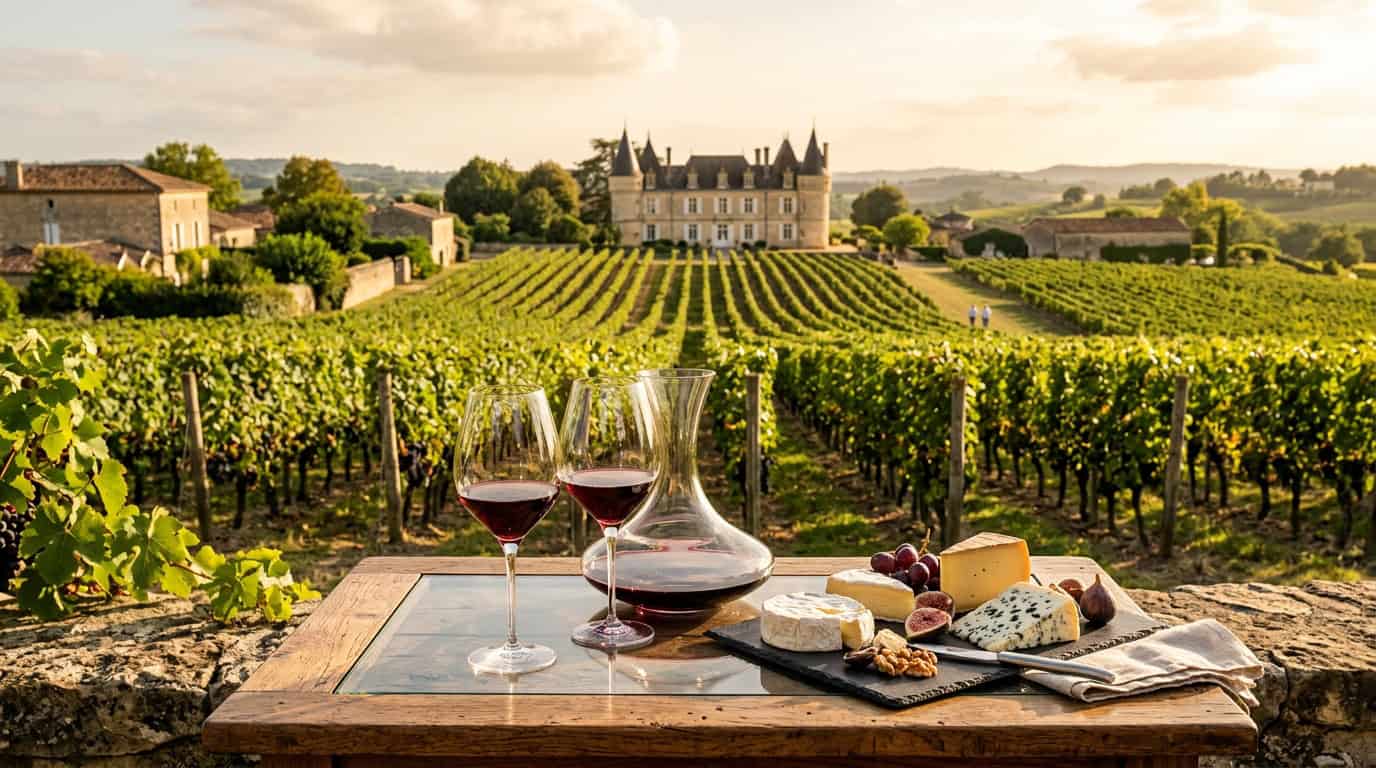
There is a certain magic that takes over when you first glimpse the sun-drenched vineyards stretching across the Garonne, where centuries of history are bottled into every vintage. A Bordeaux wine tour is more than just a tasting journey; it is an immersion into a world of fairytale châteaux and limestone cellars that have defined the art of winemaking for generations. Whether you are walking through the gravelly soils of the Médoc or wandering the medieval cobblestones of Saint-Émilion, the air here feels thick with stories of tradition and the promise of a perfect pour.
The beauty of this region lies in its duality, offering everything from the grand 1855 classifications of the Left Bank to the intimate, family-run estates of the Right Bank. I remember the cool dampness of a monolithic underground church just minutes before stepping into the warmth of a terrace to sip a velvet-smooth Merlot. Planning your route requires a bit of strategy to balance the prestigious Cabernet-heavy blends of the north with the golden, honeyed sweetness of Sauternes to the south. Finding that rhythm between iconic architecture and hidden-gem tastings is exactly how you turn a simple trip into a lifelong memory.
Key Takeaways
- Balance your itinerary by exploring the duality of the region, contrasting the grand, Cabernet-heavy estates of the Left Bank with the intimate, Merlot-focused family châteaux of the Right Bank.
- Secure appointments several weeks in advance to access private libraries and barrel rooms, as many prestigious estates and boutique properties require bookings for their educational tours.
- Differentiate your experience by visiting the underground limestone cellars of Saint-Émilion and the mist-covered valleys of Sauternes to understand how unique microclimates and terroir shape world-class wines.
- Follow a structured five-day route that starts with the historic 1855 Classifications in the Médoc before transitioning to the UNESCO-protected medieval streets of Saint-Émilion and the sweet wine estates of the south.
Exploring The Left Bank And Médoc Châteaux
Stepping into the Médoc feels like walking through the pages of a grand history book where every chapter is written in gravelly soil and Cabernet Sauvignon. This is the heart of the Left Bank, a place where the 1855 Classification still reigns supreme and the architecture of the estates is as bold as the wines they produce. I recommend starting your morning in Margaux, where the elegant, floral aromatics of the wines perfectly match the refined beauty of the local châteaux. Many of these historic properties have recently shifted toward more intimate, educational tours, allowing you to go beyond the tasting room and truly understand the terroir. It is an essential stop for anyone looking to experience the heights of French viticulture in a setting that feels both regal and welcoming.
The journey north leads to Pauillac, a village that boasts some of the most prestigious names in the entire world. Here, the surroundings are defined by power and structure, offering a masterclass in how a single grape variety can express such complex, age-worthy character. I loved spending time in the cellars watching the light catch the deep ruby hues of a vintage pour, a moment that truly captures the luxury of this region. To make the most of your visit, I suggest you secure appointments several weeks in advance to ensure access to the private libraries and barrel rooms. These exclusive glimpses into the winemaking process transform a simple tasting into a lifelong memory of Bordeaux.
For a classic luxury itinerary, plan for a leisurely lunch in a vineyard-facing bistro before heading to a final afternoon tasting in Saint-Julien. This sub-region offers a wonderful middle ground between the finesse of Margaux and the intensity of Pauillac, providing a balanced end to a day of exploration. You should look for estates that offer vertical tastings, which allow you to compare different years and see how the Atlantic climate shapes each unique bottle. Between the UNESCO-protected architecture and the meticulous craftsmanship of the growers, the Left Bank provides a curated travel experience that is impossible to replicate. Taking the time to slow down and appreciate the craftsmanship behind each label is the secret to a perfect wine-focused city break.
Medieval Charm And Merlot In Saint Émilion
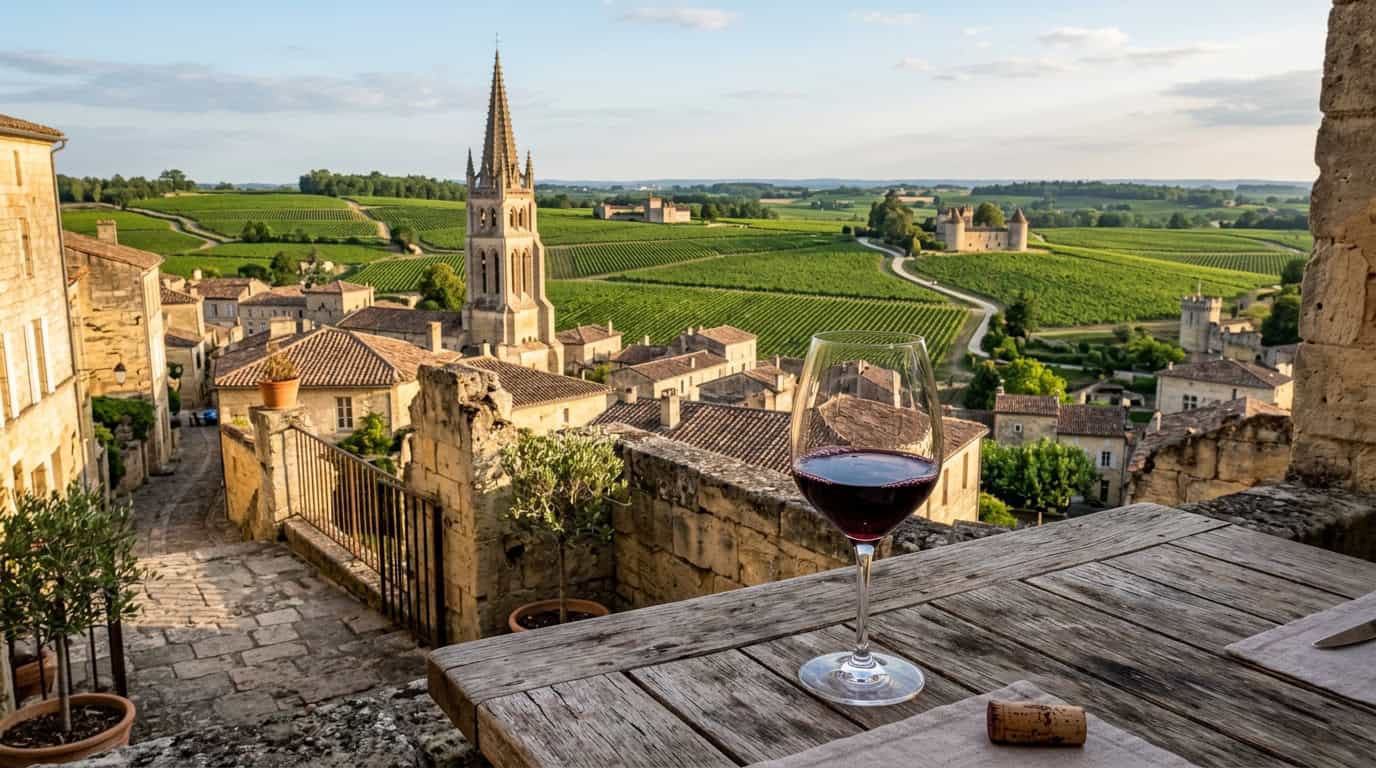
Stepping into Saint Emilion feels like walking through a living history book, where golden limestone buildings glow under the soft French sun. As we wander the steep, cobblestone alleys of this UNESCO World Heritage site, the air carries a faint scent of aging oak and damp stone from the monolithic underground church carved directly into the cliffside. Unlike the grand, sprawling estates of the Médoc, the Right Bank is defined by its intimate, family-run châteaux where the winemakers themselves often greet you at the cellar door. I love starting the morning with a quiet walk through the village before the crowds arrive, grabbing a fresh macaron from a local bakery to enjoy while overlooking the sea of Merlot vines.
The true magic of this region lies beneath your feet in the sprawling network of underground limestone tunnels that serve as natural wine cellars. During our visit to a boutique estate, we will descend into these cool, subterranean galleries to see where thousands of bottles of Merlot-dominant blends rest in perfect stillness. The tasting experience here is deeply personal, focusing on the velvety texture and plum notes that make Saint Emilion wines so approachable yet sophisticated. We will take the time to talk with the producers about their clay and limestone soils, gaining a rare glimpse into the heritage that has shaped these world-class vineyards for centuries.
To make the most of your day, I recommend pairing a cellar tour with a leisurely lunch on a terrace overlooking the Dordogne Valley. We can explore the hidden corners of the medieval town, including the King’s Tower for a panoramic view of the rolling hills and nearby Pomerol. It is essential to book your tastings in advance, as these smaller estates pride themselves on providing a private, educational atmosphere for every guest. Whether you are a seasoned collector or a curious traveler, the blend of ancient architecture and world-class viticulture creates an unforgettable highlight of any Bordeaux itinerary.
Sweet Sauternes And The New Wave Estates
As we journey south of the city, the surroundings shift into the mist-covered valleys where the world’s most prestigious liquid gold is born. Sauternes offers a sensory experience unlike any other, where the unique microclimate creates decadent dessert wines with notes of honey, apricot, and ginger. Visiting these historic estates feels like stepping into a private library of flavor, as many châteaux now offer intimate workshops that pair these honeyed sweetness of Sauternes with unexpected savory bites like blue cheese or spicy poultry. I highly recommend booking a morning tasting here to see the sun burn through the morning fog, a natural phenomenon that is essential for the noble rot that defines this legendary appellation.
Beyond the classic golden nectar of the south, our itinerary takes a refreshing turn toward the rolling hills of Entre-deux-Mers. This vibrant region is currently undergoing a creative revolution, with a new wave of winemakers producing crisp, aromatic dry whites that are as approachable as they are sophisticated. These estates often provide a more relaxed and contemporary atmosphere, perfect for travelers looking to discover high-quality bottles without the formal pretense of the larger classified growths. It is the ideal place to enjoy a casual terrace lunch overlooking the vines, sipping a zesty Sauvignon Blanc while chatting directly with the producers about their innovative sustainable farming techniques.
To make the most of this diverse day, start your morning at a premier Sauternes estate for a cellar tour and a vertical tasting of older vintages. By midday, drive toward the charming village of Cadillac to explore its local markets before heading into the heart of Entre-deux-Mers for a vineyard picnic. Spend your afternoon at a family-run property where you can participate in a blending session to understand the balance of Semillon and Muscadelle. This combination of historic luxury and modern viticulture provides a complete picture of Bordeaux’s evolving identity, ensuring you return home with a newfound appreciation for the region’s versatility. For those looking to extend their French adventure, you might also consider Provence lavender fields as a complementary sensory experience to the vineyards of the southwest.
A Curated Five Day Bordeaux Tasting Itinerary
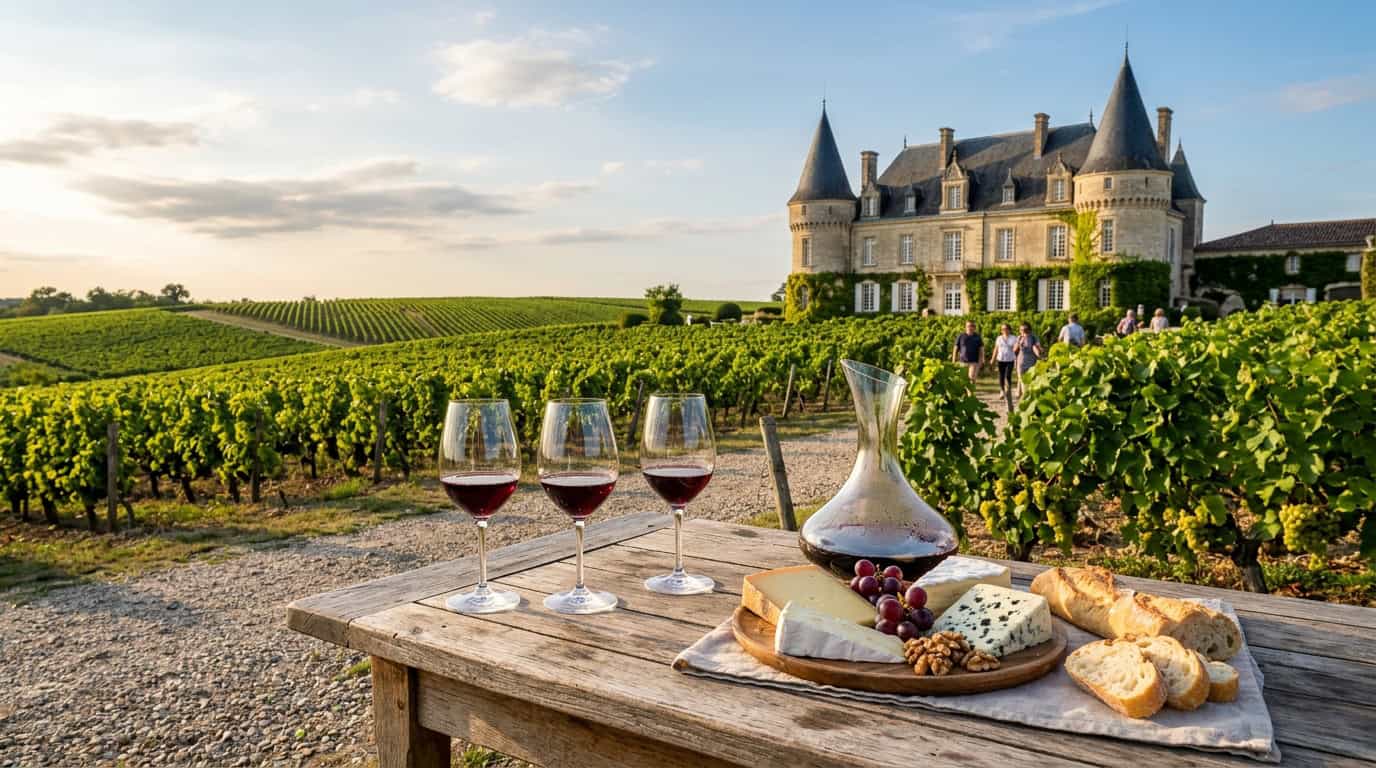
To truly capture the essence of this historic region, our five day journey begins on the Left Bank in the prestigious Médoc. You will spend your first two days wandering through the architectural marvels of Pauillac and Margaux, where Cabernet Sauvignon reigns supreme and fairytale châteaux line the famous Route des Châteaux. I recommend booking private technical tastings that delve into the 1855 Classification history, followed by a sunset dinner overlooking the Gironde estuary. Between cellar tours, take a moment to admire the neo-classical facades that make this area feel like an open air museum of viticulture. These early days set a sophisticated tone for your trip, blending world class structure with the refined elegance of Bordeaux city life.
We then transition to the charming Right Bank for days three and four, focusing on the medieval splendor of Saint Emilion and the exclusive plots of Pomerol. You will love getting lost in the cobblestone streets of the UNESCO listed village before descending into the monolithic underground church carved directly from limestone. The Merlot dominant blends here offer a softer, more velvety profile that perfectly complements a gourmet lunch in a hidden courtyard. Make sure to visit a small family estate to see how traditional methods coexist with modern organic practices. This part of the itinerary emphasizes the intimate connection between the rugged soil and the sophisticated bottles that eventually grace the world’s finest tables.
Your final day is dedicated to the golden nectar of Sauternes and the historic gravel soils of the Graves region. This area offers a unique sensory shift as you explore the botrytis affected vineyards that produce some of the most complex sweet wines on the planet. I suggest a slow paced morning tasting followed by a final celebratory meal featuring local duck and seasonal truffles to toast your journey. As you pack your bags, you will realize that this trip was never just about the liquid in the glass. To ensure you arrive ready to explore, I recommend following seamless travel strategies so you can dive straight into the tastings. The true magic of Bordeaux lies in the shared stories, the centuries of resilience, and the passionate people who welcome you into their historic cellars with open arms.
Savoring the Timeless Magic of Bordeaux
A journey through Bordeaux is more than just a tasting trip, as it offers an immersion into a place where history and viticulture are inextricably linked. Whether you are wandering through the gravelly vineyards of the Médoc to find the perfect Cabernet Sauvignon or exploring the limestone cellars of Saint Emilion, the region provides a sophisticated blend of education and indulgence. I found that the true magic lies in the contrast between the grand, fairytale châteaux of the Left Bank and the intimate, medieval charm of the Right Bank. These curated experiences allow you to appreciate the meticulous craft behind the 1855 classifications while enjoying the warmth of modern French hospitality.
Planning your own itinerary requires a thoughtful balance between the famous appellations of Pauillac and the sweet, golden hills of Sauternes. I recommend dedicating specific days to each bank of the river to truly soak in the unique terroir and architectural heritage of the UNESCO protected sites. Beyond the cellar doors, make sure to leave time for a slow lunch in a vineyard bistro or a stroll through the historic streets of Bordeaux city itself. This region remains a premier destination for those seeking a luxury travel experience that nourishes both the palate and the soul. By focusing on small group tours and educational tastings, you can transform a simple vacation into a lifelong appreciation for the world’s finest wines.
Frequently Asked Questions
1. When is the best time of year to plan a Bordeaux wine tour?
I find that late spring and early autumn are the most magical times to visit when the vineyards are either bursting with fresh green growth or turning vibrant gold. Aim for May or September to enjoy mild weather and avoid the intense crowds of the peak summer months.
2. How should I choose between visiting the Left Bank and the Right Bank?
Think of the Left Bank as the home of grand, Cabernet-heavy blends and majestic châteaux, while the Right Bank offers a more intimate feel with Merlot-dominant wines and medieval charm. I suggest spending at least one full day in each area to experience the duality of the gravelly Médoc and the limestone plateaus of Saint-Émilion.
3. Do I need to book my château tastings and tours in advance?
Yes, booking ahead is essential because many of the prestigious estates and family-run gems require appointments to ensure an intimate experience. I recommend reaching out to your must-see châteaux at least a few weeks before your trip to secure a spot in their historic cellars.
4. Is it possible to visit Bordeaux wineries without a rental car?
While a car offers the most flexibility for exploring hidden gems, you can easily take a train from Bordeaux city center to Saint-Émilion for a day of walking through cobblestone streets. For the Médoc, I often suggest joining a small group tour or hiring a private driver so you can fully enjoy the tastings without worrying about navigation. If you are extending your trip north, you might enjoy Chasing The Wild Atlantic along the rugged shores of Brittany.
5. What should I wear when touring the historic wine estates?
I always recommend a smart-casual look that pairs comfort with a touch of elegance to match the grand architecture of the region. Be sure to bring a light sweater or jacket, even in summer, because the underground limestone cellars stay quite chilly year-round.
6. What makes the 1855 Classification so important for visitors?
This historic ranking defines the prestige of the Médoc and is a fantastic guide for identifying the most iconic, high-quality estates in the region. Visiting these classified growths allows you to taste the same legendary vintages that have set the global standard for winemaking for over a century. To prepare for your journey across the Atlantic, you should master the skies with a few essential packing and wellness tips.