
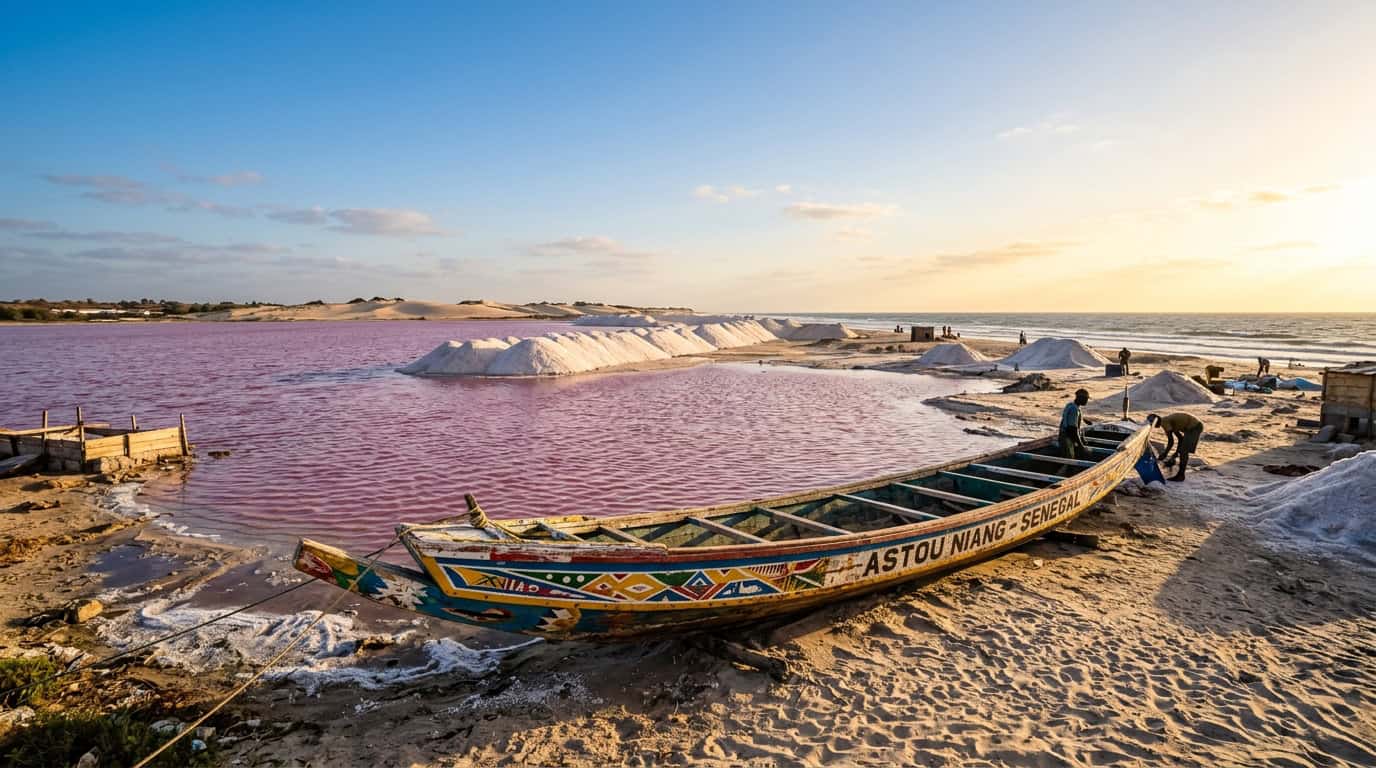
Imagine stepping into a world where the air smells of salt spray and slow-cooked thiéboudienne, and every stranger greets you with the warmth of Teranga. Senegal has long been West Africa’s best-kept secret, but with 2026’s streamlined entry rules and a new wave of eco-lodges, there has never been a better time to use this senegal travel guide to plan your journey. From the neon-lit energy of Dakar’s jazz clubs to the haunting, quiet beauty of Gorée Island, this is a country that doesn’t just welcome you; it embraces you.
I still remember my first sunset in Saint-Louis, watching the wooden pirogues cut through the water as the colonial architecture glowed in shades of ochre and gold. Whether you are navigating the bustling markets of the capital or searching for hippos in the lush wilds of Niokolo-Koba, the balance of modern infrastructure and ancient tradition is breathtaking. You will find that while the 4G is fast and the roads are smoother than ever, the heartbeat of the country remains its soulful, hospitable people.
Key Takeaways
- Senegal has streamlined entry rules for 2026, offering visa-free access and improved infrastructure that makes it a perfect gateway for exploring West African history and culture.
- The core of the Senegalese experience is ‘Teranga,’ a profound culture of hospitality and generosity that connects travelers with local traditions and vibrant communities.
- The country offers a diverse landscape ranging from the bustling jazz scene and colonial architecture of Dakar and Saint-Louis to the surreal pink waters of Lake Retba and the lush mangroves of the Casamance.
- Cash is essential for navigating local markets and rural regions, so travelers should carry West African CFA Francs despite the growing 4G connectivity in major cities.
Navigating The Vibrant Chaos Of Dakar And Goree Island
Dakar is a sensory explosion that immediately immerses you in the rhythmic heartbeat of West Africa. I spent my first morning getting lost in the kaleidoscopic aisles of Sandaga Market, where the scent of roasting peanuts mingles with the vibrant colors of waxed fabrics. It is a place where you truly learn the meaning of Teranga, or hospitality, as local vendors share stories between friendly negotiations. After navigating the market maze, I headed to the African Renaissance Monument, which towers over the city on a volcanic hill. Climbing the steps to this massive bronze statue offers a breathtaking panoramic view of the coastline, serving as a powerful reminder of the continent’s strength and future.
The atmosphere shifts from bustling energy to quiet reflection during the twenty minute ferry ride to Goree Island. Walking through the car free, bougainvillea lined streets feels like stepping back in time, yet the island carries a heavy historical weight. My visit to the Maison des Esclaves was a deeply moving experience that put the colonial history of the region into sharp perspective. Standing in the Door of No Return, looking out at the turquoise Atlantic, provides a poignant moment of silence that every traveler should experience. Despite its somber past, the island today is a center for art and culture, filled with local painters who capture the unique light of the coast.
To make the most of your time in the capital, I recommend carrying plenty of West African CFA Francs since cash is essential for market treasures and small cafes. While the 4G connectivity is surprisingly strong throughout the city, the best way to navigate is by engaging with the locals in a mix of French and basic Wolof. Safety in Dakar is manageable for most travelers, but staying aware of your surroundings in crowded spots like the ferry terminal is always a smart move. Plan to spend at least two full days exploring these sites to balance the vibrant chaos of the mainland with the peaceful, historic charm of the island. This combination of vibrant chaos and historical depth is exactly what makes Senegal such a compelling destination for those seeking an authentic African journey.
Chasing Pink Hues At Lake Retba And Saint Louis
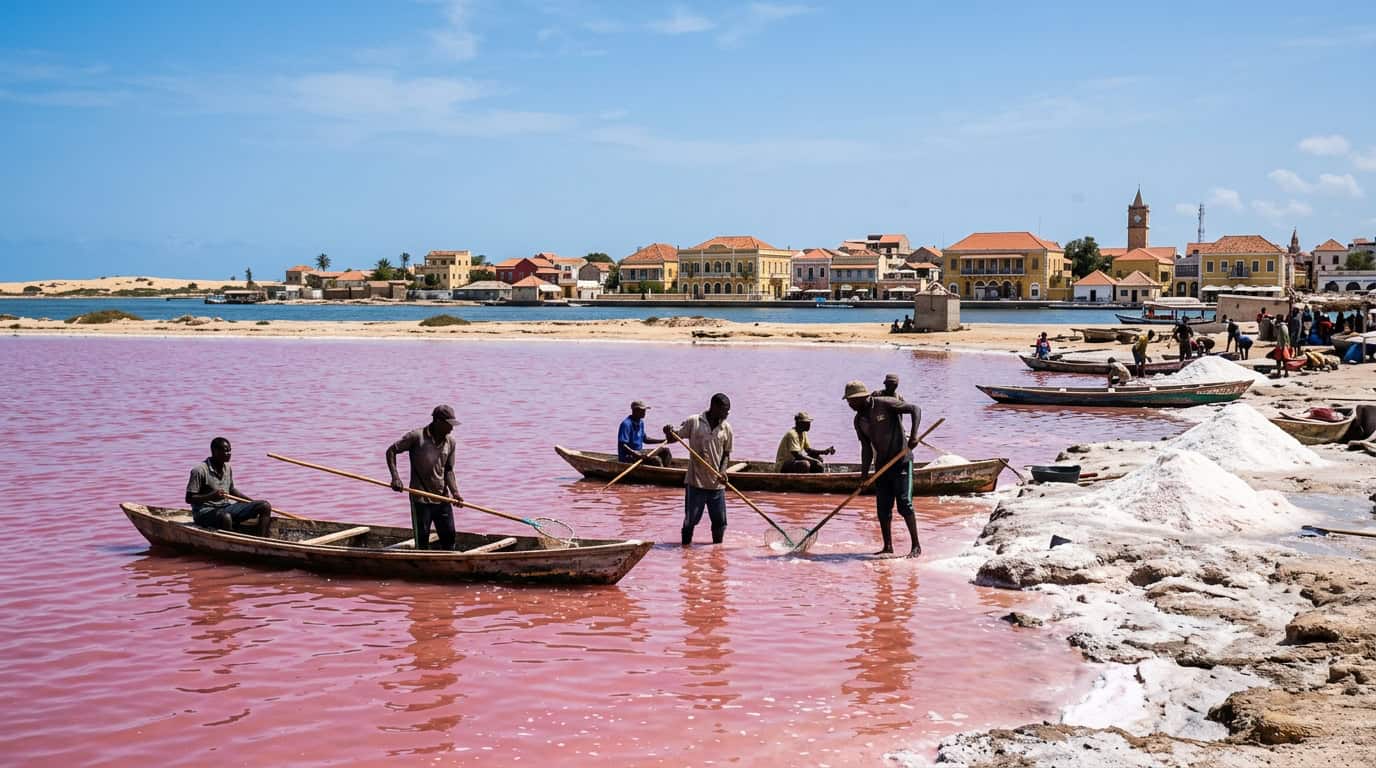
A short drive from the bustling energy of Dakar brings you to the mesmerizing shores of Lake Retba, famously known as the Lac Rose. The high salt content creates a surreal strawberry-milk hue that is most vibrant when the sun is high, offering a landscape that feels like it belongs on another planet. I spent hours watching the local salt harvesters work their traditional trade, their skin glistening with shea butter for protection against the saline water. For the best photos, try to visit during the dry season when the algae concentration is highest and the pink color is most intense. It is a striking introduction to the natural wonders of Senegal and a perfect spot to pause before heading further north.
Continuing up the coast, the city of Saint Louis greets you with its soulful atmosphere and crumbling colonial architecture and grandeur. As the former capital of French West Africa, this UNESCO World Heritage site is a labyrinth of narrow streets lined with brightly painted facades and wrought-iron balconies. I recommend taking a horse-drawn carriage tour to soak in the history while listening to the distant sounds of jazz, a genre that defines the city’s famous annual festival. The hospitality here, known locally as Teranga, is palpable as residents welcome you into their vibrant community. It is a place where history feels alive in every sun-drenched corner and every greeting shared on the street.
To truly experience the wild beauty of the region, you must board a traditional wooden pirogue for a journey through the Langue de Barbarie National Park. This thin sandy peninsula separates the Senegal River from the Atlantic Ocean and serves as a sanctuary for thousands of migratory birds. I felt a profound sense of peace as our boat glided through the mangroves, spotting pelicans and flamingos gathered along the water’s edge. Make sure to pack plenty of water and sun protection, as the reflection off the river can be quite intense during the midday heat. This excursion offers a perfect balance of adventure and tranquility, showcasing the incredible biodiversity that makes Senegal such a unique West African destination.
Essential Planning Tips For Your Senegalese Adventure
Planning your trip to Senegal has become significantly easier in 2026, as the country has streamlined entry rules to welcome more global travelers. Most visitors now enjoy visa-free entry for short stays, making it a breeze to land in Dakar and start your adventure immediately. While the capital is a bustling hub of modern infrastructure and 4G connectivity, I always recommend carrying a physical copy of your travel documents just in case. The spirit of Teranga, or hospitality, is evident from the moment you arrive, but having your logistics settled allows you to focus entirely on the vibrant culture. This newfound accessibility makes Senegal a perfect gateway for anyone looking to explore the rich history and music of West Africa.
If you are a fan of world-class music, you must time your visit for the legendary Saint-Louis Jazz Festival held annually in May. Navigating the colonial streets of Saint-Louis during this time is a sensory delight, with the sounds of saxophones and traditional kora music filling the air. Because the festival attracts crowds from across the globe, I suggest booking your riverside accommodation at least six months in advance to secure a spot. The weather during this period is generally warm and dry, providing the perfect backdrop for evening concerts under the stars. It is an unforgettable experience that perfectly blends Senegal’s colonial past with its contemporary artistic brilliance.
Managing your finances requires a bit of strategy once you venture beyond the high-end hotels of Dakar and Saint-Louis. The West African CFA Franc is the local currency, and while digital payments are growing in the city, cash remains king in rural gems like the Sine-Saloum Delta. I make it a habit to withdraw sufficient funds in the capital because ATMs can be notoriously difficult to find in remote villages or near the pink lakes. Small bills are particularly useful for local markets where you will find exquisite handmade crafts and vibrant textiles. Keeping a stash of cash tucked away ensures you can always participate in the local economy and enjoy every spontaneous roadside snack or boat tour.
A Seven Day Itinerary From Coast To Casamance
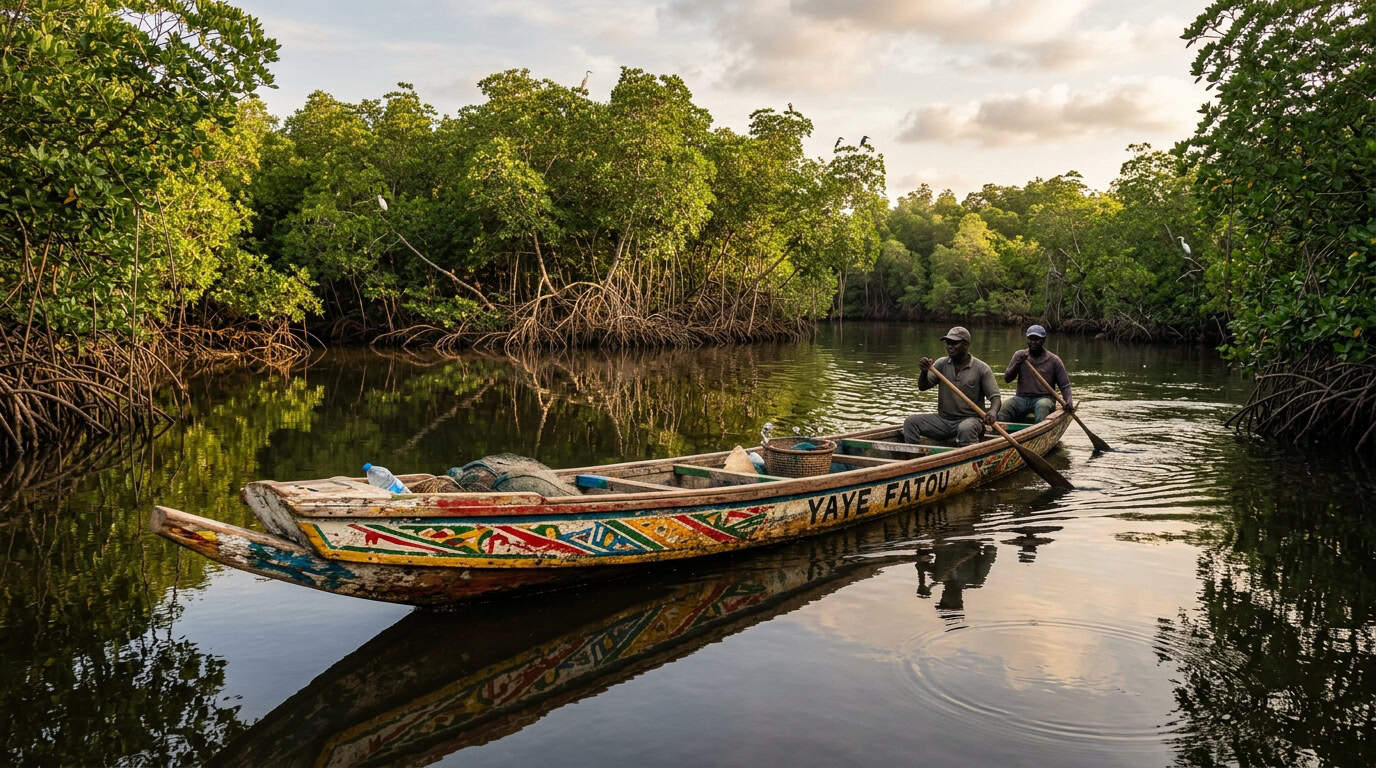
Our seven day journey begins in the high energy streets of Dakar, where the pulse of West African music meets centuries of colonial history. I recommend spending your first two days exploring the vibrant markets and the hauntingly beautiful Goree Island, before heading south to the Sine-Saloum Delta. This UNESCO World Heritage site is a labyrinth of mangroves and salt flats where you can spend day three and four on a traditional wooden pirogue. It is a dream for birdwatchers, as you will likely spot kingfishers and herons nesting among the tangled roots while the sun sets over the Atlantic.
By day five, we transition from the salty breeze of the coast into the lush, tropical heart of the Casamance region. This southern gem feels like a different world, characterized by towering kapok trees and a deep sense of peace that permeates the local villages. You will spend your final days navigating the quiet waterways near Ziguinchor, learning about the unique traditions of the Diola people and enjoying fresh seafood under a canopy of green. It is the perfect way to experience the legendary Teranga hospitality that makes Senegal so unforgettable for every traveler.
Why Senegal Captures Every Traveler’s Soul
Senegal truly stands out as the most captivating destination in West Africa because it offers a soulful blend of rhythm, resilience, and natural wonder. From the moment I first stepped into the vibrant streets of Dakar, I felt the pulse of the city through its world class music scene and the genuine warmth of Teranga hospitality. Whether you are reflecting on the somber history of Goree Island or watching the sunset over the surreal pink waters of Lake Retba, every moment feels deeply significant. The country has successfully balanced its colonial past with a forward looking energy that makes it incredibly welcoming for modern travelers. You will find that the mixture of bustling markets and tranquil coastal escapes creates a travel experience that is both exhilarating and restorative.
Planning your journey here has never been easier thanks to the recent infrastructure improvements and streamlined entry processes that have transformed the region. I highly recommend spending time in Saint Louis to admire the colorful architecture before heading south to the lush mangroves of the Casamance region. You should always keep some CFA Francs on hand for local treasures, but you will find that connectivity in the major hubs is surprisingly reliable for sharing your memories. This is a place where nature and culture collide in the most beautiful ways, from the giant baobabs of the savanna to the rhythmic drumming heard in village squares. Senegal is not just a place you visit on a map, it is a destination that stays in your heart long after you have returned home.
Frequently Asked Questions
1. What is the best time of year to visit Senegal?
The ideal window to visit is during the dry season from November to May when the weather is pleasantly warm and the roads are easy to navigate. I found that this timing is perfect for birdwatching in the Djoudj National Sanctuary and enjoying the vibrant outdoor jazz scene in Dakar.
2. Is it easy to enter Senegal with the new 2026 rules?
Senegal has streamlined its entry process significantly to make it more accessible for international travelers. You will find that the updated regulations and improved infrastructure at the airport allow you to arrive refreshed and transition from your flight to the heart of Dakar faster than ever before.
3. What exactly is Teranga and how will I experience it?
Teranga is the soul of Senegalese culture and translates to a deep sense of hospitality and generosity. You will experience it when a vendor shares a story at Sandaga Market or when a local invites you to share a bowl of thiéboudienne, making you feel like a welcomed friend rather than a tourist.
4. How do I get from Dakar to Gorée Island?
You can take a scenic twenty minute ferry ride from the Dakar terminal which departs regularly throughout the day. The transition from the city’s neon energy to the island’s quiet, car-free streets is a powerful experience that provides a necessary space for reflection on the region’s history.
5. What should I pack for a trip through Senegal?
Pack light, breathable clothing to stay cool in the tropical heat and a pair of sturdy walking shoes for navigating the markets and sandy island paths. I also recommend bringing a light sweater for the breezy evenings in Saint-Louis and a good camera to capture the ochre colonial architecture at sunset.
6. Is Senegal a good destination for eco-conscious travelers?
Senegal is currently seeing a wonderful wave of new eco-lodges that focus on sustainability and preserving the local landscape. From the lush wilds of Niokolo-Koba to coastal retreats, you can enjoy high-quality accommodations that respect the environment and support local communities. To see the best of the coastline, you can plan the ultimate Senegal coastal road trip to visit these sustainable gems. Additionally, Dakar is quickly becoming one of the top digital nomad destinations for those who want to work while exploring West Africa.