
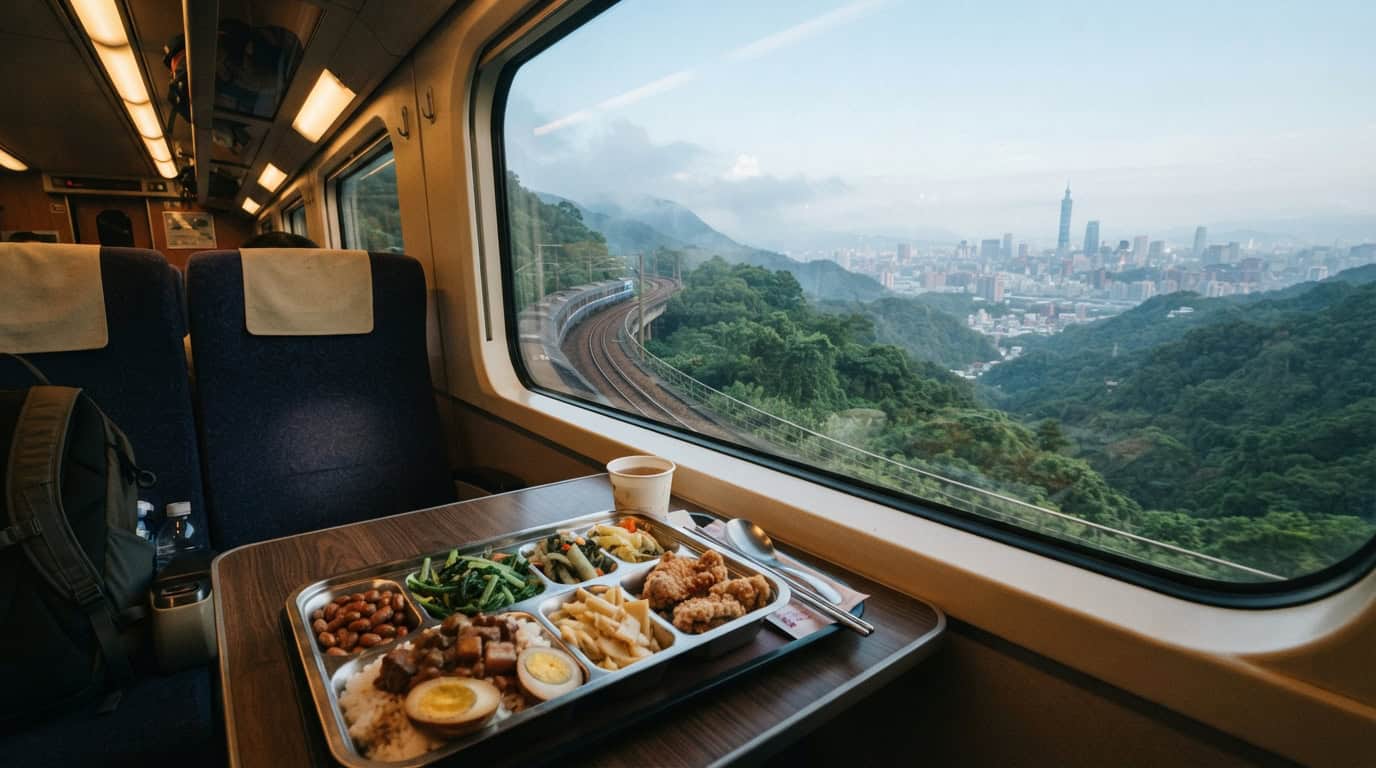
My Taiwan travel guide begins with one irresistible promise: in a single trip, I can move from Taipei’s buzzing night markets to misty mountain trails, quiet historic lanes, and warm Pacific beaches. I still remember how easy it felt to trade a bowl of steaming beef noodles for a sunrise train ride into the countryside. With fast rail connections, welcoming neighborhoods, and unforgettable food at every turn, Taiwan rewards careful planners and curious wanderers alike.
I’ll help you shape a trip around the experiences you value most, whether that means visiting temples, soaking in hot springs, hiking through dramatic scenery, or sampling street food after dark. Practical details matter, too, so I’ll cover smart transport choices, seasonal timing, essential safety considerations, and places worth building into your itinerary. Taiwan may be compact, but its scenery, flavors, and cultures make every day feel expansive.
Key Takeaways
- Plan a first Taiwan trip for 7–10 days, ideally in spring or autumn, and begin in Taipei for its temples, neighborhoods, night markets, food, and easy access to Beitou and Yangmingshan.
- Use Taiwan’s rail network to connect Taipei with Taichung, Chiayi, Tainan, Kaohsiung, Yilan, and Hualien; carry a compact bag, load an EasyCard, and reserve high-speed rail and popular mountain trips early.
- Build the itinerary around varied experiences—street food, historic towns, hot springs, mountain trails, Pacific coastlines, and tropical beaches—while leaving open time for spontaneous discoveries.
- Monitor typhoon, earthquake, flooding, landslide, trail, and transport updates throughout the trip. Keep flexible alternatives such as Beitou, Yilan, Hualien’s coast, museums, and rail-accessible food stops when mountain or coastal routes become unsafe or inaccessible.
Taiwan Trip Planning Essentials
For a first trip to Taiwan, I usually recommend visiting in spring or autumn, when temperatures are more comfortable and the weather is often better for city walks and mountain excursions. Taiwan is generally warm and humid, with summer bringing intense heat, heavy rain, and a higher chance of typhoons. Winter can be damp in the north but pleasantly mild in the south. Taipei’s night markets, Beitou hot springs, and lively food scene make it an easy starting point, while mountain towns and coastal views offer a dramatic change of pace. I pack lightweight clothing, comfortable walking shoes, sun protection, and a compact rain jacket in every season. Taiwan uses the New Taiwan dollar, or NT$. Mandarin is the main language, English is common in major tourist areas, and Taiwan Standard Time is UTC+8, with no daylight-saving time.
Before departure, check the latest entry rules for your passport, including passport validity, visa or visa-exemption requirements, and any onward-travel documentation. I also recommend travel insurance that covers medical treatment, trip interruption, evacuation, and weather-related delays, especially if your plans include hiking or remote mountain areas. Earthquakes, typhoons, flooding, tsunamis, and extreme heat are genuine considerations, so monitor official alerts, follow local instructions, and avoid rivers, steep trails, and coastal roads during severe weather. Conditions around Taroko Gorge and other mountain routes can change after earthquakes or heavy rain, so confirm access before traveling and keep flexible alternatives such as Yilan, Jiaoxi, or accessible viewpoints along the east coast in your plan. A little preparation makes it easier to enjoy everything from misty forests to steaming hot springs with confidence.
Getting around is simple. Load an EasyCard for metro rides, buses, local trains, convenience-store purchases, and many everyday expenses, then top it up as needed. For longer journeys, Taiwan’s high-speed rail connects Taipei with western cities such as Taichung, Tainan, and Kaohsiung. I reserve popular weekend or holiday departures as soon as tickets open, usually 28 days ahead. Seven to ten days is a comfortable length for a first visit, allowing time for Taipei, a food-focused stop in Tainan, a scenic rail journey, and either hot springs or a mountain excursion without rushing. I also leave room for spontaneous discoveries, whether that means pepper buns at a night market, a bowl of beef noodle soup, or a quiet tea shop above the city.
Taipei Food And Neighborhoods
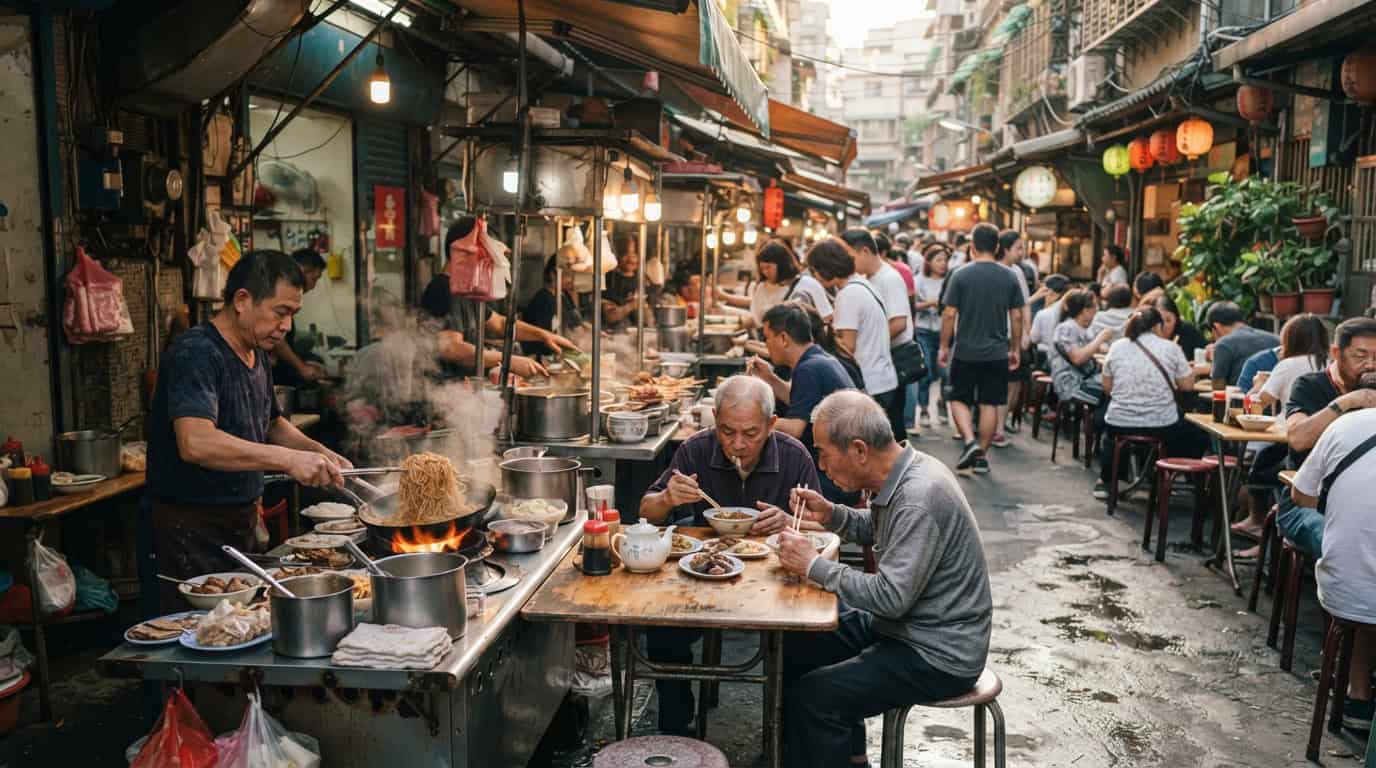
I like to begin a Taipei itinerary at Chiang Kai-shek Memorial Hall, where the grand white architecture and changing-of-the-guard ceremony make an early start worthwhile. From there, I take the MRT to Longshan Temple, pause among the incense and red lanterns, and wander through nearby historic lanes before continuing to Ximending for its bright signs, street performers, and youthful energy. In the afternoon, Taipei 101 offers sweeping city views, especially when the mountains are clear after rain. This route combines Taipei’s history, modern skyline, and street culture without requiring a car. I usually leave the evening flexible because the city’s best discoveries often happen between planned stops.
Food is at the heart of my Taiwan travel plans, and I build each day around something delicious. I look for a steaming bowl of beef noodle soup, share baskets of xiaolongbao, and cool down with bubble tea before trying shaved ice piled high with fruit or sweet beans. At night, Shilin Night Market offers a broad introduction to Taiwanese snacks, while Raohe feels compact and Ningxia is especially easy to explore on foot. I recommend arriving hungry and ordering small portions, so there is room for pepper buns, fried chicken, grilled seafood, scallion pancakes, and other market favorites. Cash and a little patience help, since popular stalls can draw lines during the dinner rush.
For a slower second day, I pair the National Palace Museum with a riverside walk, watching cyclists and locals enjoy the open space along Taipei’s waterways. The MRT makes it easy to move between neighborhoods, and I use a stored-value transit card so I can hop on and off without searching for exact change. If I have another day, I ride toward Beitou for a relaxing hot-spring experience or explore Yangmingshan’s mountain scenery, both easy escapes from the city. Taipei also works well as a rail base for longer journeys, with efficient connections to eastern coastal towns and other parts of the island. Checking weather and transport conditions before leaving is wise, particularly during typhoon season or after heavy rain.
Rail Journey Beyond Taipei
I like to begin this rail journey in Taipei, then ride the high-speed train south to Taichung in about one hour. From Taichung’s HSR station, I connect with a local train or bus into the city, leaving time for the National Taichung Theater, lively night markets, or a day trip to Sun Moon Lake, which takes roughly 90 minutes by bus each way. I keep my larger suitcase near the main station or at my accommodation and carry a small overnight bag, since regional buses and older train platforms can be less convenient with bulky luggage. Reserving a window seat a few days ahead is wise on weekends and holidays, while weekday travelers can usually book closer to departure.
From Taichung, I continue to Chiayi in around 35 minutes by high-speed rail, using the city as a gateway to Alishan’s misty forests and sunrise viewpoints. The mountain excursion requires a separate bus journey and works best as an overnight trip because the ride from Chiayi can take about two to three hours each way. After returning to the lowlands, I take the HSR to Tainan in roughly 20 minutes, then switch to a regional train for the historic center. There, I can wander old lanes, temples, forts, and food stalls serving bowls of beef soup and savory snacks. I book Alishan transport and mountain lodging early, especially during spring weekends, and store my main bag in Chiayi if my accommodation offers luggage holding.
The final stop is Kaohsiung, reached from Tainan by regional train in about 30 to 45 minutes or by HSR to Zuoying in roughly 15 minutes from Tainan’s HSR station. I spend a full day exploring the harbor, riding the light rail, visiting the Pier-2 Art Center, and watching city lights reflect across the water before sampling a nearby night market. For this multi-stop route, I reserve HSR seats in advance during festivals and public holidays, but regional trains offer more flexibility for spontaneous detours and short hops. With one compact suitcase, a small daypack, and digital copies of my bookings, I can move smoothly between Taiwan’s modern cities, mountain scenery, and richly layered historic towns.
Mountain Coast And Hot Springs
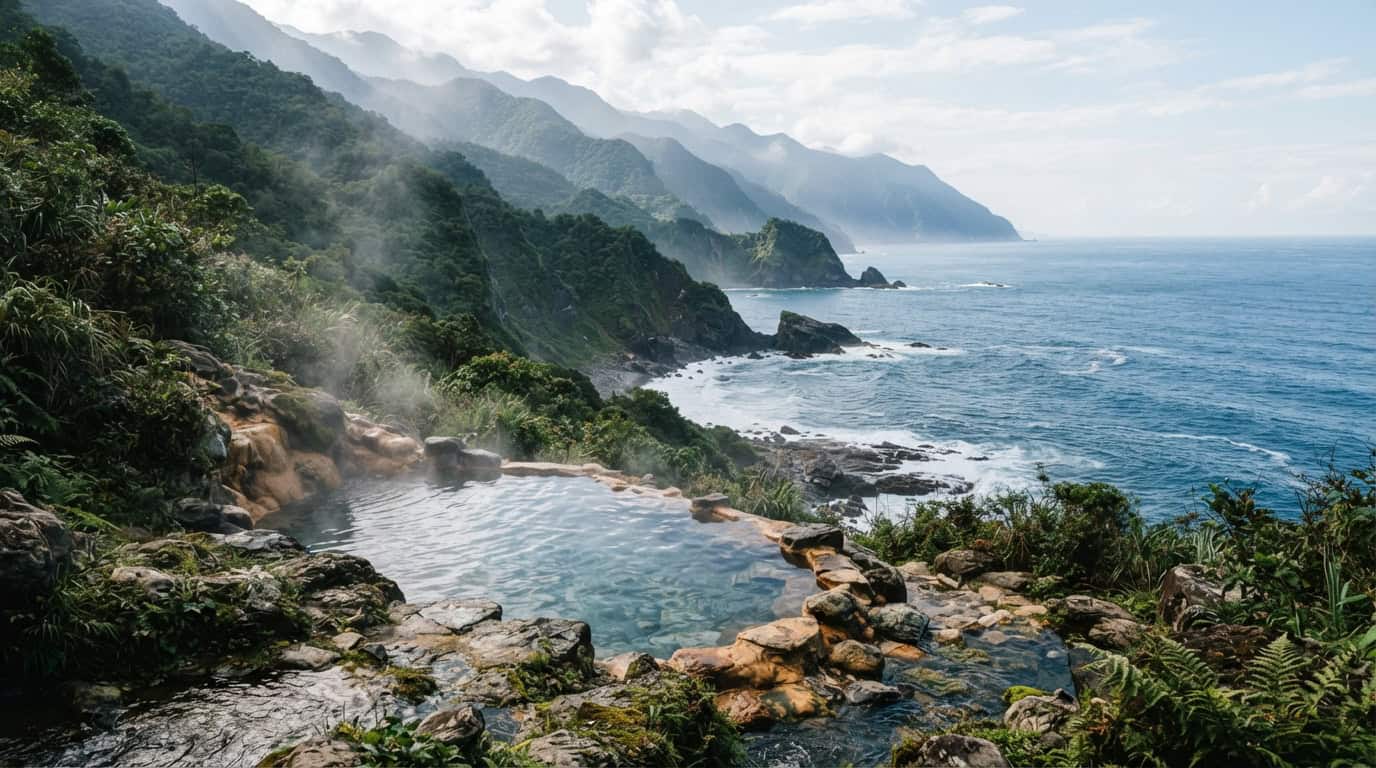
For a Taiwan trip that combines mountain scenery with restorative stops, I love beginning in Yilan and Jiaoxi, an easy journey from Taipei by train. After exploring Yilan’s green countryside, I soak in Jiaoxi’s naturally heated waters, then continue toward Hualien for ocean views, river valleys, and the broad scenery around the Taroko area. If major gorge trails are closed, Hualien’s coast and nearby valleys still offer memorable experiences without relying on one destination. The East Coast adds dramatic cliffs, quiet beaches, and small-town food stops that feel pleasantly unhurried. Near Taipei, trails on Elephant Mountain and the Four Beasts provide rewarding city views with minimal planning.
Yangmingshan National Park makes an ideal half-day escape, with volcanic scenery, grassy ridges, seasonal flowers, and steaming fumaroles just beyond the capital. I like pairing a hike there with an afternoon in Beitou, where hot-spring baths and a relaxed neighborhood atmosphere turn a short outing into a full day. Farther south, Kenting brings a completely different mood, with tropical forests, coral-fringed shores, and breezy coastal viewpoints. The Penghu islands are another excellent choice for clear-water scenery, basalt formations, and slow days shaped by the sea. Together, these destinations show how easily a Taiwan itinerary can shift from cool mountain air to warm beaches and mineral-rich springs.
Mountain travel in Taiwan rewards flexibility, so I always check trail conditions, transport updates, weather forecasts, and local hazard notices before setting out. Typhoons, heavy rain, earthquakes, landslides, flooding, and extreme heat can change access quickly, especially along steep roads and exposed coastlines. When conditions shift, I swap a remote hike for Beitou’s hot springs, a museum visit in Taipei, or a rail-accessible food stop in Yilan or Hualien. Taiwan’s efficient trains make these adjustments practical, although buses and rural connections may run less frequently. I build in extra time and avoid tight same-day schedules. With a little patience, an altered route can still deliver an unforgettable combination of mountains, coast, and hot springs.
Begin in Taipei, Explore Taiwan
Taiwan rewards a flexible travel plan, and I find that starting in Taipei creates the perfect introduction to the island. I spend my first days wandering temple courtyards, browsing night markets, and tasting everything from peppery beef noodle soup to delicate pastries. Then I use the efficient rail network to continue toward towns such as Yilan, Hualien, Taitung, or Chiayi. Each stop brings a different rhythm, from misty mountain trails and soothing hot springs to broad Pacific views and lively local markets. If conditions affect access to the Taroko area, eastern Taiwan still offers memorable alternatives through coastal drives, nearby trails, and scenic rail journeys.
I like to leave open spaces in my itinerary rather than filling every hour with reservations. A spontaneous temple visit, a quiet café discovered near a station, or an unplanned bowl of noodles can become more memorable than a scheduled attraction. Rail travel makes this approach especially easy, since major cities and smaller towns are connected by frequent services, while buses and local taxis help reach hot springs, viewpoints, and trailheads. Checking weather, earthquake and typhoon updates, and transportation schedules before each leg will help keep the journey comfortable and adaptable.
My Taiwan travel guide is less about following a rigid route and more about building a trip around curiosity. I pair Taipei’s food and culture with a few rail-connected escapes, choose mountain scenery, coastal views, or both, and leave time to slow down. I still remember the small discoveries most clearly, such as a fragrant snack from a crowded market or a peaceful view glimpsed through a train window. Leave room for those moments, and Taiwan is likely to surprise you long after you return home.