
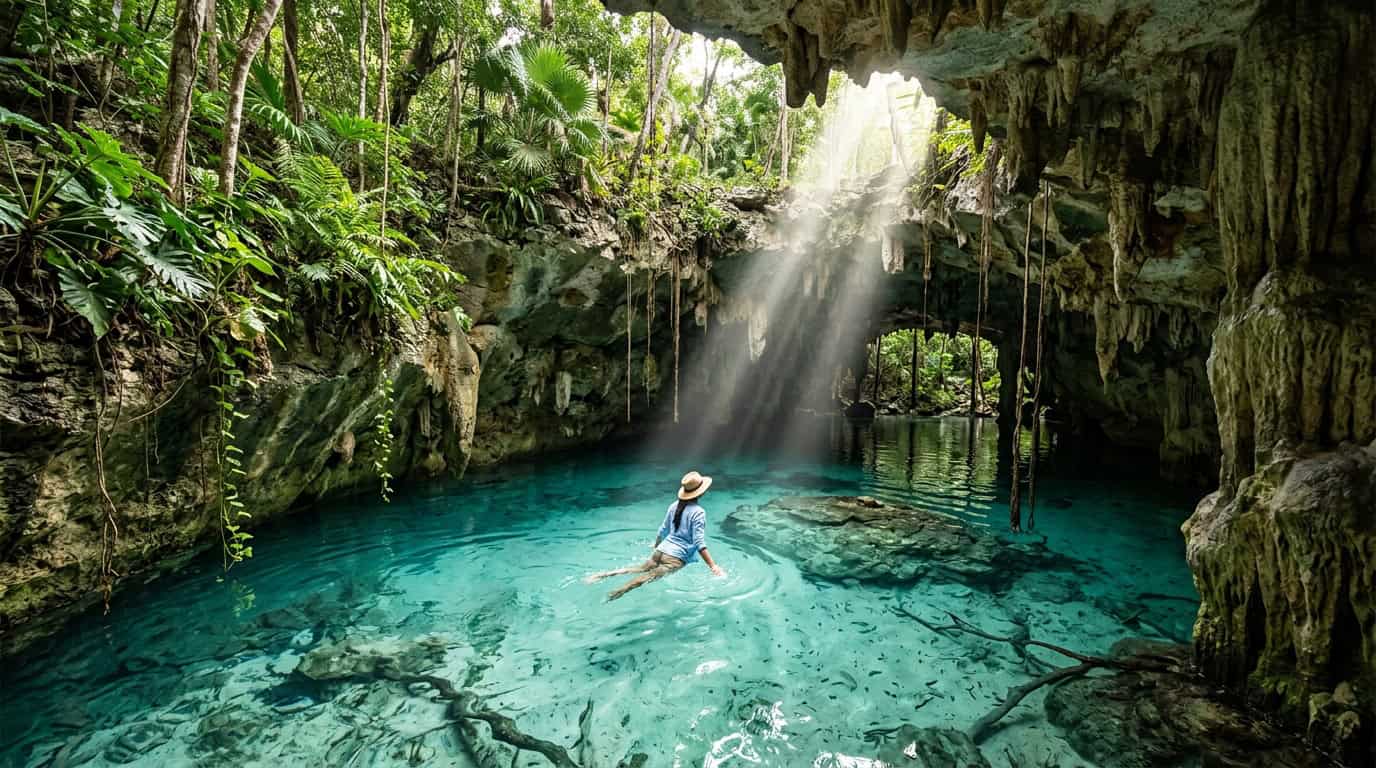
Floating in the crystalline, 77°F waters of the Sac Actun system, I feel like I am more than just swimming. I am drifting through the veins of the world’s largest underground river. This tulum cenote guide captures the magic of these ancient limestone portals, where 100-meter visibility reveals a silent world of stalactites and sunbeams. With over 20,000 cenotes dotting the Yucatán, finding those hidden pockets of turquoise serenity requires navigating a region that has become more focused on conservation and structured beauty than ever before.
To truly experience the soul of the jungle without the crowds, I’ve found that timing is everything. If you can beat the 11:00 AM rush by arriving as the gates swing open at 8:00 AM, you’ll have the echoing caverns and emerald pools entirely to yourself. Keep your Mexican Pesos ready for the updated entrance fees, leave the professional camera gear behind for a simpler connection to nature, and prepare to lose yourself in the breathtaking geography that makes Tulum an unparalleled sanctuary.
Key Takeaways
- Arrive exactly at 8:00 AM to experience the cenotes in silence and capture optimal light beams before the peak crowds arrive between 11:00 AM and 3:00 PM.
- Carry sufficient Mexican Pesos for entrance fees and specialized camera permits, as most remote sites do not accept credit cards and prices have increased to fund conservation.
- Protect the delicate Sac Actun ecosystem by wearing rash guards instead of sunscreen and following the mandatory pre-swim shower policy to remove oils and lotions.
- Optimize underwater photography by shooting at 30fps in low light and using red filters to restore warm tones lost in the deep cavern waters.
Navigating The Best Tulum Cenotes For Every Traveler
Tulum is home to some of the most breathtaking natural wonders on the planet, all connected by the massive Sac Actun system. If you are traveling with family, Gran Cenote remains the gold standard because of its crystal-clear waters and the adorable turtles that swim right alongside you. As of 2026, the entrance fee has increased to 600 pesos to help fund vital conservation efforts, but the visibility remains unmatched for underwater photography. I recommend arriving right at 8:00 AM to capture those ethereal light beams piercing through the water before the midday crowds arrive. This spot offers a perfect mix of open-air swimming and shallow caverns that feel safe yet adventurous for all ages.
For those seeking a bit more adrenaline and that iconic photo, Cenote Calavera is an absolute must-visit on your itinerary. Known as the Temple of Doom, this cenote features a large opening and two smaller “eyes” that you can jump through into the deep, refreshing water below. The 2026 pricing for Calavera is now 350 pesos, with an additional fee if you plan on bringing a professional camera or a GoPro to document your leaps. It is a smaller, more rugged site than the larger parks, making it feel like a hidden jungle gym for adults. Just remember to bring biodegradable sunscreen and plenty of pesos, as most of these remote locations still do not accept credit cards.
Whether you are swimming in the deep blue depths of Dos Ojos or floating peacefully in a mangrove-lined lagoon, these limestone sinkholes offer a spiritual connection to the Yucatan. The water stays a consistent 77 degrees Fahrenheit year-round, providing the ultimate escape from the tropical heat. I always suggest starting your day at the sites furthest along the road to Coba and working your way back toward the beach. This strategy allows you to experience the stillness of the jungle and the clarity of the water at its absolute best. Exploring these ancient portals is a transformative experience that defines the magic of the Riviera Maya.
Photography Tips For Capturing Crystal Clear Cavern Water
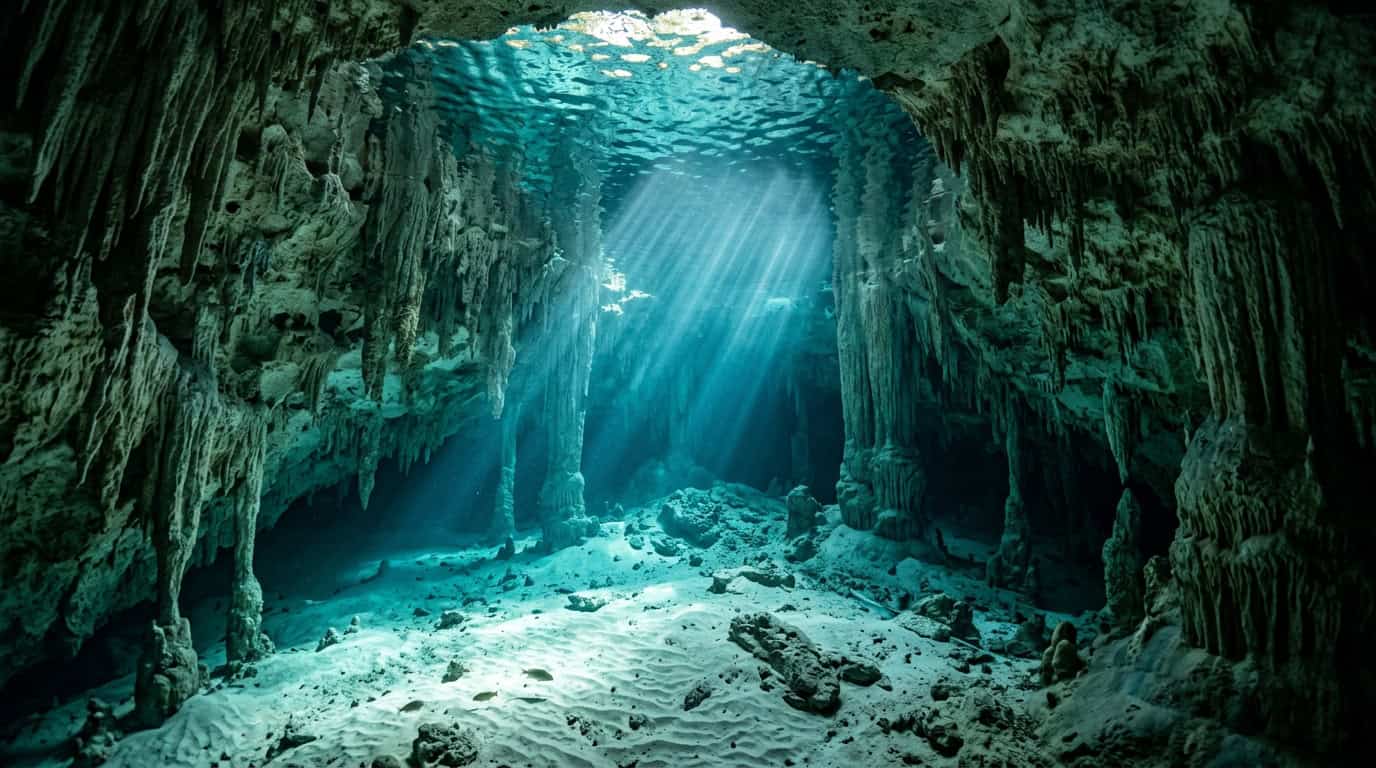
Capturing the ethereal glow of Dos Ojos requires a bit of technical finesse, especially since you are shooting within the world’s largest underground river system. To get those crystal clear shots in the low light of the cavern, I always recommend setting your frame rate to 30fps to allow more light into the sensor. You should try to position yourself where the sunbeams pierce through the limestone ceiling, as these natural spotlights create a dramatic contrast against the deep blue water. I find that holding your breath and staying as still as possible helps prevent the motion blur that often ruins cave photography. Remember that the water visibility here can exceed 100 meters, so you do not need to be right on top of your subject to get a sharp image.
As of 2026, many of the popular cenotes along the road to Coba have implemented specific fees for action cameras like GoPros to fund local conservation efforts. I suggest keeping extra Mexican Pesos on hand specifically for these permits, as most entrances still do not accept credit cards for these add-on costs. To make the most of your investment, try using red filters on your lens to bring back the warm tones that get lost beneath the surface. I also recommend arriving right at 8:00 AM to beat the crowds and secure that iconic, undisturbed view of the Sac Actun network. By paying the fee upfront and having your settings ready, you can spend less time worrying about the rules and more time capturing the magic of the Yucatan.
Essential Gear And Sustainable Swimming Practices In The Yucatan
Exploring the depths of the Sac Actun cave network requires more than just a sense of adventure, as the health of this 378 kilometer underground river system depends on our conscious choices. When I first dipped into the crystal clear waters of a Tulum cavern, I was struck by how the visibility often exceeds 100 meters, making every detail of the limestone formations pop. To keep these waters pristine, you must swap traditional sunscreens for biodegradable options or, better yet, wear a long-sleeved rash guard to avoid introducing chemicals entirely. Most sites now strictly enforce a pre-swim shower policy to remove oils and lotions, ensuring the delicate ecosystem remains vibrant for years to come. I always recommend packing a high-quality pair of water shoes with good grip, as the submerged rocks can be surprisingly slippery and sharp.
Since many of the most photogenic cenotes now charge additional fees for professional cameras or GoPros, I suggest planning your gear list and budget in Mexican Pesos before you head out. Arriving at the gates by 8:00 AM is my favorite tip for beating the crowds and capturing that perfect, undisturbed light reflecting off the 77 degree water. Because you will be navigating rugged jungle paths and limestone stairs, a lightweight dry bag is essential for keeping your towels and electronics safe from the humid environment. Remember that these sacred sanctuaries are more than just photo opportunities, so practicing buoyancy control while snorkeling prevents accidental damage to ancient stalactites. By packing thoughtfully and respecting the local conservation rules, you can enjoy a truly immersive experience in the world’s most spectacular natural swimming holes.
Planning Your Route Along The Road To Coba
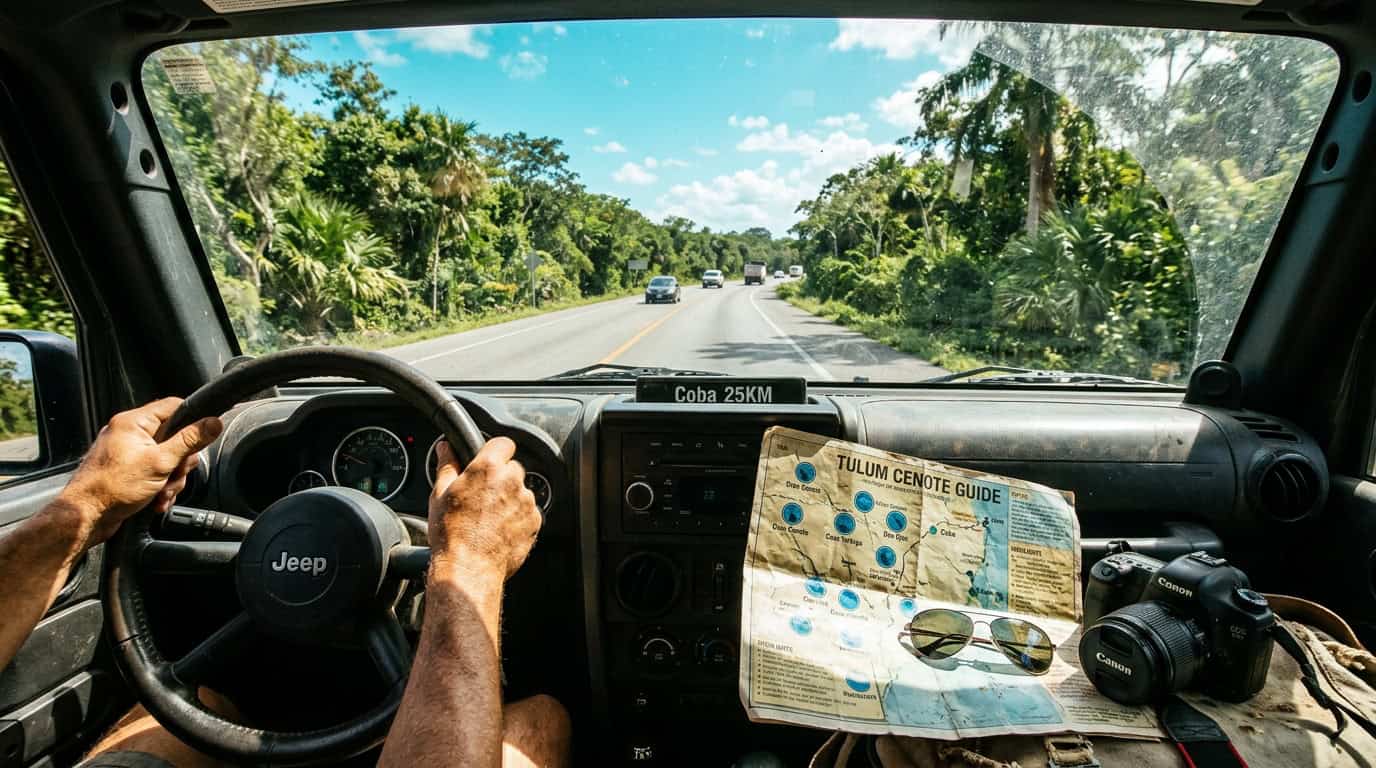
To make the most of your journey along the road to Coba, you need to be at the gates of your first stop by 8:00 AM sharp. This early start is the secret to experiencing the Sac Actun cave network in total silence before the large tour groups arrive from the coast. I recommend starting your day at Cenote Escondido, a true hidden gem where the crystal clear water reflects the lush jungle canopy. It is a photographer’s dream, offering incredible visibility that often exceeds 100 meters for those looking to capture the perfect underwater shot. Floating in the 77 degree water while the morning mist still clings to the trees is a memory you will never forget.
After your quiet dip, continue driving toward Coba to explore the deeper cavern systems that make this region so famous for its natural beauty. As the morning progresses, the light begins to pierce through the limestone openings, creating shimmering curtains of light that are perfect for your travel gallery. Remember to bring plenty of Mexican Pesos for entrance fees, as many of these secluded spots do not accept cards and may charge a small fee for professional camera gear. By planning your route this way, you avoid the peak crowds that typically surge between 11:00 AM and 3:00 PM. You will finish your adventure feeling refreshed and inspired by the ancient spirit of the Yucatan.
Plan Your Perfect Tulum Cenote Escape
Stepping into the cool, crystalline waters of a Tulum cenote for the first time is a memory that still gives me chills. These hidden gems are more than just stunning backdrops for your photography, they are the vital pulse of the Sac Actun cave network. As you plan your visit to these ancient limestone wonders, remember that arriving early at 8:00 AM is the best way to experience the stillness before the crowds arrive. Seeing the light beams pierce through 100 meters of visibility in the cavern systems is a transformative experience that defines the magic of the Yucatan.
Preserving this delicate ecosystem is a responsibility we all share as visitors in 2026. With entrance fees now directly supporting conservation efforts, your contribution helps protect the world’s largest underground river system for future generations. Always opt for biodegradable sunscreen or, better yet, rinse off completely before entering the water to keep the 77 degree pools pristine. By traveling respectfully and following local guidelines, you ensure that these sacred sites remain as breathtaking as they were centuries ago.
Whether you are capturing the perfect underwater shot or simply floating in the silence of a jungle sinkhole, let the spirit of the peninsula move you. Make sure to carry enough Mexican Pesos for entry fees and be prepared for the small additional costs associated with professional camera gear. These practical steps allow you to focus on the adventure at hand rather than the logistics. Your journey through the Tulum cenotes will undoubtedly be the highlight of your trip, leaving you with a profound connection to the natural world.
Frequently Asked Questions
1. What is the best time of day to visit the cenotes near Tulum?
I always recommend arriving right when the gates swing open at 8:00 AM. Beating the 11:00 AM rush allows you to experience the echoing caverns and ethereal light beams in total serenity before the crowds arrive.
2. How much should I budget for cenote entrance fees?
You should keep plenty of Mexican Pesos on hand as many spots have updated their pricing to support conservation. For example, popular locations like Gran Cenote now cost 600 pesos, reflecting a new era of environmental protection.
3. Which cenote is best for families traveling with children?
Gran Cenote is my top pick for families because of its shallow caverns and crystal-clear visibility. Your kids will love swimming alongside the adorable turtles in a setting that feels both safe and adventurous.
4. Can I bring my professional camera gear to the cenotes?
I suggest leaving the professional rigs behind and sticking to a simple waterproof camera or phone. Many sites have strict rules regarding professional gear, and a simpler setup helps you stay present and connected to the natural magic around you.
5. What makes the Sac Actun system so special?
Floating in these waters means you are drifting through the veins of the world’s largest underground river. With 100-meter visibility and ancient stalactites, it offers a silent, turquoise world that feels like a portal to another time.
6. Are there any specific items I should pack for a day at the cenotes?
Aside from your swimsuit and a towel, ensure you have biodegradable sunscreen or simply skip the lotions to protect the delicate ecosystem. Bring a pair of sturdy water shoes to navigate the limestone steps and keep your Mexican Pesos easily accessible for entry fees. If you are looking to explore the coastline further, check out our tulum beach guide for more sustainable travel tips. For those who want to see more of the region, consider a Yucatán Peninsula drive to discover even more remote treasures.