
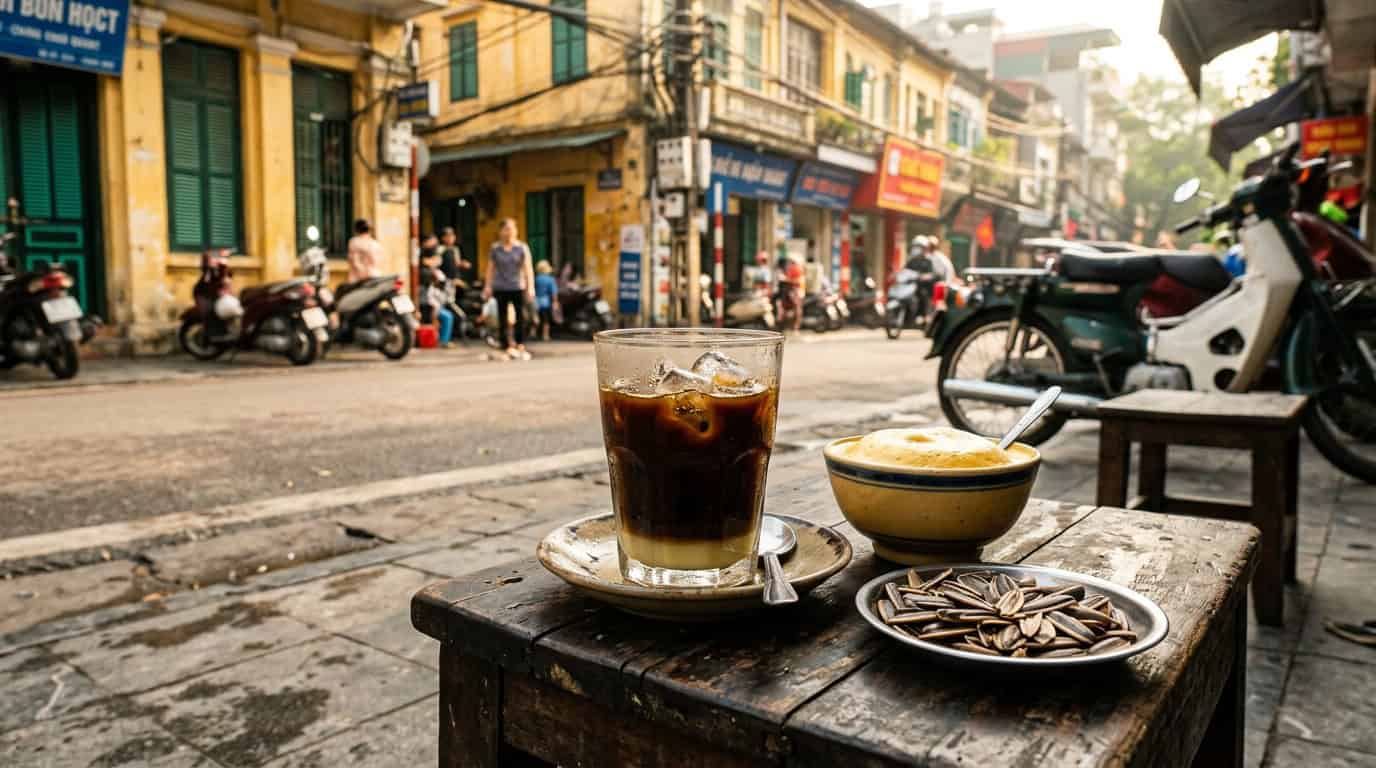
The scent of dark-roasted Robusta and condensed milk drifts through the humid air of the Old Quarter, pulling me toward a tiny plastic stool tucked into a hidden alleyway. In 2026, hanoi coffee culture has reached a spectacular fever pitch, seamlessly blending the nostalgic charm of heritage sidewalk stalls with sleek, high-tech specialty hubs. Whether you are seeking a traditional egg coffee in a sun-drenched courtyard or a modern brew overlooking West Lake, the city’s energy is fueled by a domestic market that is more vibrant and sophisticated than ever before.
Exploring this caffeine-soaked environment is a journey through Vietnam’s identity as a global production powerhouse with a deep, local soul. I’ve spent my mornings getting lost in the maze of the French Quarter, discovering that for every historic cafe preserved in time, there is a bold new space pushing the boundaries of flavor and design. To truly understand this city, you have to taste it one cup at a time, moving from the gritty, authentic street corners to the polished flagship stores that now define the modern skyline.
Key Takeaways
- Hanoi’s coffee culture is a sophisticated blend of heritage sidewalk stalls and high-tech specialty hubs that reflect Vietnam’s status as a global production powerhouse.
- The authentic egg coffee experience, born from a 1946 milk shortage, serves as a symbol of Hanoian ingenuity and remains the city’s most iconic sensory ritual.
- Traditional sidewalk culture centered around slow-drip Robusta and tiny plastic stools provides a necessary meditative contrast to the city’s chaotic urban energy.
- A new wave of third-wave specialty cafes is modernizing the domestic market by introducing premium Arabica beans and advanced brewing methods to a younger generation.
The Silky Magic Of Authentic Hanoi Egg Coffee
Stepping into the narrow, hidden alleyway that leads to a historic family cafe feels like traveling back in time to 1946, when a shortage of fresh milk sparked a stroke of culinary genius. I remember my first sip of this golden elixir, marveling at how a simple whisked egg yolk and condensed milk could transform a bitter robusta base into something resembling liquid tiramisu. This legendary concoction was born out of necessity, yet it has become the ultimate symbol of Hanoian ingenuity and a cornerstone of the city’s identity. Sitting on a tiny wooden stool among locals and travelers alike, you can feel the weight of history in every velvety spoonful. It is more than just a morning caffeine fix, as it represents a resilient spirit that turned a scarcity of ingredients into a world famous delicacy.
The secret to the perfect egg coffee lies in the delicate balance between the thick, meringue like foam and the bold, dark coffee hidden underneath. To enjoy it like a local, I recommend using a small spoon to taste the sweet cream first before gently stirring the layers together to create a harmonious blend of flavors. The warmth of the bowl, often kept in a basin of hot water to maintain its temperature, adds to the cozy atmosphere of Hanoi’s traditional coffee houses. While the city’s coffee scene is rapidly modernizing with high tech chains and sleek interiors, these heritage spots remain the soul of the capital. You should make it a priority to visit the original locations in the Old Quarter to experience the authentic texture that modern imitations rarely manage to replicate.
Beyond the taste, the experience of drinking egg coffee provides a window into the slow, intentional pace of life that still thrives in Northern Vietnam. As the domestic market grows and domestic consumption reaches millions of bags annually, these small family run establishments preserve the intimate charm that defines the region. I often find myself lost in conversation for hours, watching the steam rise against the backdrop of weathered yellow walls and bustling street life. This ritual offers a sensory bridge between Vietnam’s status as a global production powerhouse and the deeply personal traditions of its people. No trip to Hanoi is truly complete without finding those dim corridors to find the silky magic waiting at the end of the hall.
Sidewalk Culture And The Robusta Ritual
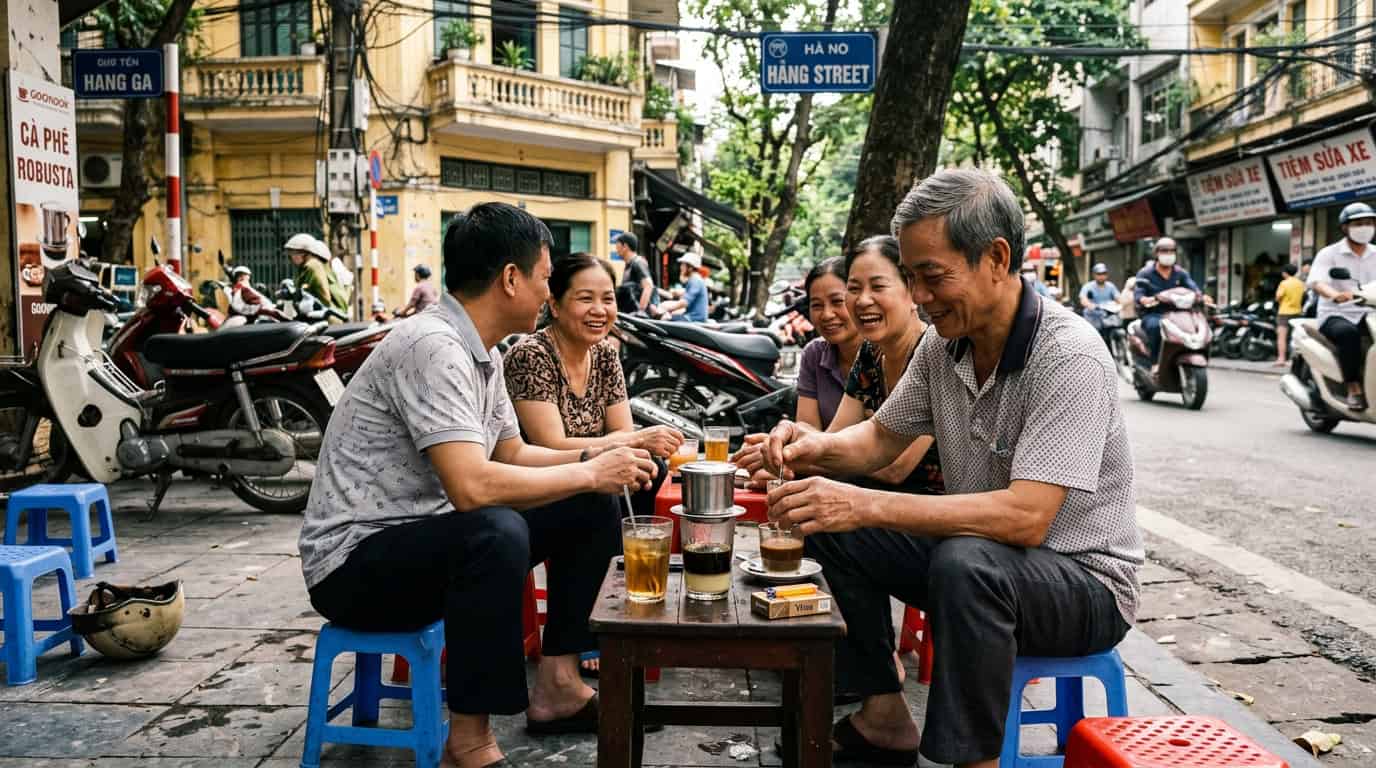
To truly understand the heartbeat of Hanoi, you have to lower your perspective to the level of a blue plastic stool scattered along a narrow sidewalk. There is a meditative quality to sitting inches away from the buzzing motorbikes of the Old Quarter while waiting for a traditional Phin filter to finish its slow, rhythmic drip. I always find that the anticipation is part of the magic, watching the dark Robusta grounds transform into a potent elixir that gathers atop a thick layer of sweetened condensed milk. This is not a drink you rush, but rather a sensory anchor that forces you to slow down and observe the beautiful chaos of the city unfolding around you.
The flavor profile of a classic Hanoi brew is unapologetically bold, offering a chocolatey richness and a caffeine kick that keeps the capital moving. While the city has embraced a sophisticated modern market, these humble street-side spots remain the soul of the community where generations of locals gather to share news. I recommend finding a corner near the St. Joseph Cathedral or along the tangled alleys of Hang Gai to experience this sidewalk culture at its most authentic. For a uniquely northern twist, you must try the legendary egg coffee, where a creamy, meringue-like foam creates a decadent layer over the bitter espresso base, tasting almost like a liquid tiramisu.
Finding your way through the local coffee scene is easy if you follow the crowds to the most unassuming storefronts tucked inside hidden courtyards. Look for signs that mention Ca Phe Muoi for a salty cream surprise or Ca Phe Trung for that iconic egg-based treat that Hanoi made famous. Most traditional shops will serve your coffee with a small glass of iced jasmine tea to cleanse the palate between sips of the intense Robusta. Whether you are planning a full morning of sightseeing or just need a break from the humidity, these sidewalk sanctuaries offer the best seat in the house for witnessing the timeless charm of Vietnam.
Modern Brews And The New Wave Of Specialty Cafes
Stepping into a modern Hanoi cafe in 2026 feels like witnessing a sophisticated evolution of the city’s legendary coffee heritage. While the charm of sidewalk stools remains, a new wave of sleek, specialty hubs has transformed the urban areas into a playground for the senses. You will find minimalist glass structures nestled against ancient French colonial walls, where the aroma of high-quality Arabica beans replaces the heavy scent of dark-roasted Robusta. These spaces serve as social hubs for a younger generation that values both the art of the pour-over and the aesthetic of the environment. It is an inspiring shift that proves Hanoi can honor its past while embracing a high-tech, premium future.
The scale of this transformation is most visible when you visit the expansive local chains that have become pillars of Vietnamese daily life. Reaching massive milestones in store counts, these domestic providers offer a consistent and polished experience that rivals any global brand. I love sitting by the windows of a flagship location at West Lake, watching the mist roll over the water while sipping a perfectly balanced iced coffee. These venues provide a reliable sanctuary for travelers, offering high-speed internet and air-conditioned comfort without losing that distinct local soul. They represent a mature market where convenience and premium quality finally go hand in hand.
If you are planning your own caffeine-fueled journey, I recommend starting your morning in the Old Quarter before heading toward the more contemporary districts. Seek out specialty cafes that experiment with local beans from the Central Highlands, using modern brewing methods like the V60 or Chemex to highlight delicate floral notes. Many of these shops offer tasting flights, allowing you to compare traditional styles with experimental new brews in a single sitting. Don’t be afraid to strike up a conversation with the baristas, as their passion for Vietnam’s growing production power is truly infectious. This blend of old-world soul and new-wave innovation makes Hanoi the most exciting coffee destination in Asia right now.
A One Day Hanoi Coffee Lover Itinerary
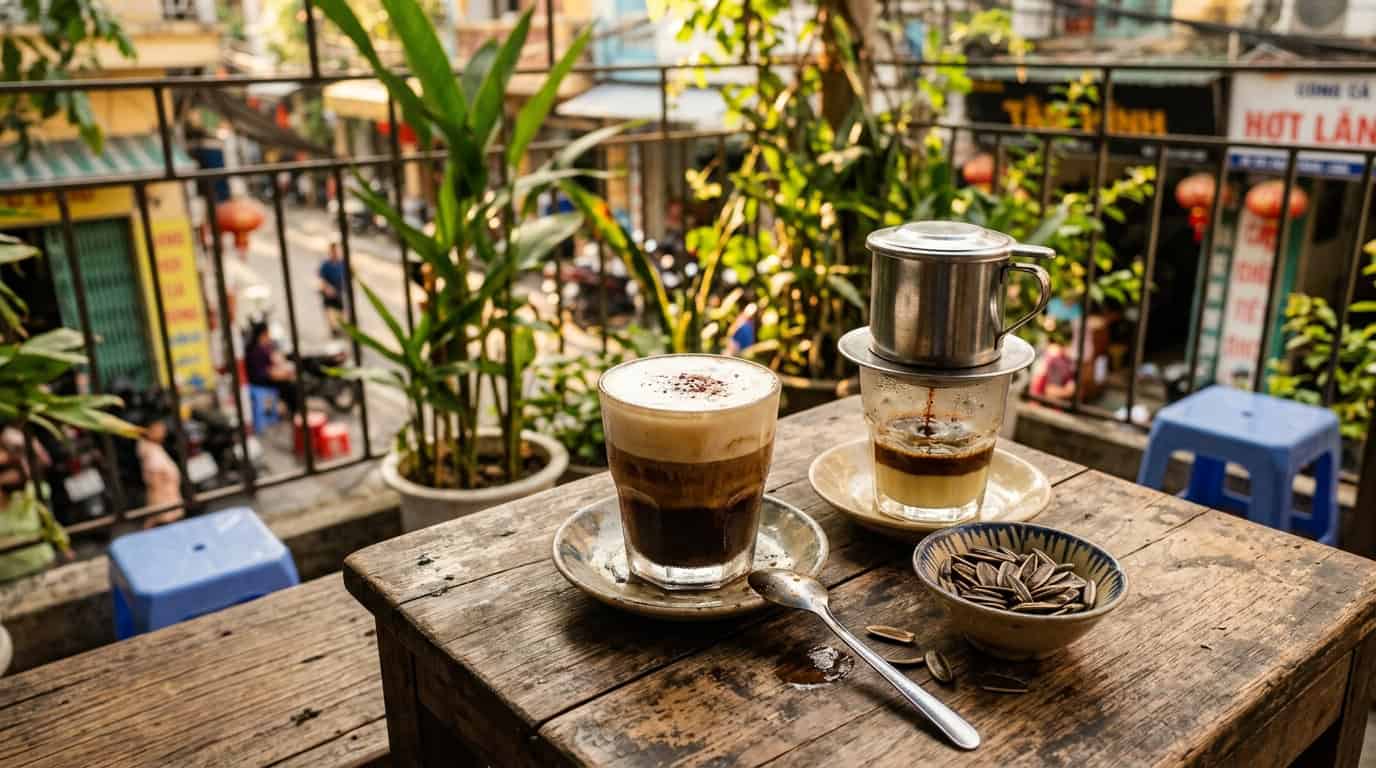
Start your morning at sunrise by weaving through the narrow, bustling alleys of the Old Quarter to find a hidden gem tucked away in an ancient merchant house. As the city wakes up, I recommend finding a spot on a low plastic stool to enjoy a traditional ca phe nau, a potent brew of dark roasted robusta smoothed over with sweet condensed milk. Watch the flower vendors cycle past while the aroma of woodsmoke and roasting beans fills the humid air. This is the authentic heartbeat of the capital, where the century old traditions of the northern highlands meet the fast paced energy of modern street life.
For your midday break, head toward the tranquil shores of Hoan Kiem Lake to experience the legendary indulgence of a hand whipped egg coffee. I suggest climbing the narrow staircase of a discreet cafe hidden behind a souvenir shop to find a balcony view overlooking the water. The velvety, custard like foam atop the bitter espresso is a sensory masterpiece that has defined the local palate for generations. It is the perfect moment to slow down and appreciate how the city has preserved its unique heritage even as the domestic market grows into a global powerhouse.
As the golden hour approaches, transition into the sophisticated side of the local scene by visiting a sleek specialty shop near the grand Opera House. The city’s coffee culture has matured beautifully, now offering high tech brewing methods alongside the traditional phin filters that remain a staple of daily life. Sip on a cold brew infused with local tropical fruits while observing the stylish crowds that represent the future of the nation’s vibrant beverage industry. Ending your day at a modern flagship store near West Lake allows you to witness the impressive scale of this coffee movement before the sun sets over the water.
Savoring the Soul of Hanoi’s Coffee Heritage
Hanoi is more than just a city of bustling streets and motorbikes, it is a living museum where every cup of coffee tells a story of resilience and creativity. As I sat on a tiny plastic stool overlooking the Hoan Kiem Lake, I realized that the thick, sweet layer of egg coffee is the perfect metaphor for the city itself. It represents a bridge between the humble past, born from a lack of fresh milk, and the sophisticated present where specialty beans are celebrated by a new generation. This sensory journey through the Old Quarter offers travelers a rare chance to slow down and truly taste the heritage of the world’s second largest coffee producer.
To make the most of your own caffeine fueled adventure, I recommend starting your mornings early when the air is still cool and the local sidewalk culture is at its peak. Look for the hidden gems tucked away in narrow alleys or atop crumbling French colonial buildings, as these often provide the most authentic views and recipes. You can even pair your caffeine exploration with a Hanoi food tour to discover how these drinks complement the city’s savory street staples. Do not be afraid to try the modern specialty shops that are popping up around West Lake, where high tech brewing meets traditional Vietnamese beans. Whether you prefer a classic black brew or a creamy coconut coffee, remember that the best way to experience Hanoi is one small, intentional sip at a time.
Frequently Asked Questions
1. What exactly is Hanoi egg coffee and why is it so famous?
Egg coffee is a legendary Hanoian creation made by whisked egg yolks with condensed milk into a thick, velvety foam atop a dark Robusta base. It was born out of a 1946 milk shortage and tastes like a rich, liquid tiramisu that perfectly captures the city’s spirit of ingenuity.
2. Where is the best place to experience traditional coffee culture in the city?
You must head to the narrow alleyways of the Old Quarter to find iconic family-run spots. Sitting on a tiny plastic or wooden stool on the sidewalk is the most authentic way to soak in the local atmosphere while watching the world go by.
3. Is it easy to find modern specialty coffee in Hanoi?
The city has seen a surge in high-tech specialty hubs and sleek flagship stores, particularly around West Lake and the French Quarter. These modern spaces offer sophisticated brewing methods and bold new flavors that beautifully complement the city’s historic heritage stalls.
4. What kind of coffee beans are typically used in Hanoi?
The local palate is defined by bold, dark-roasted Robusta beans, which provide a powerful caffeine kick and a distinctively earthy profile. This strong base is what allows the coffee to stand up so well to the sweetness of condensed milk and rich egg foams.
5. How has the coffee scene changed in Hanoi recently?
The area has evolved into a vibrant blend of nostalgic charm and contemporary design. While historic cafes remain preserved in time, a new generation of brewers is pushing the boundaries of flavor to reflect Vietnam’s status as a global coffee powerhouse.
6. What is the best way to explore the different coffee neighborhoods?
I recommend starting your morning in the maze of the Old Quarter for traditional brews before moving toward the polished cafes of the French Quarter. Plan your visit with the ultimate Hanoi Train Street guide for 2026 to see how the city’s identity is woven into its diverse street corners and modern skylines.