
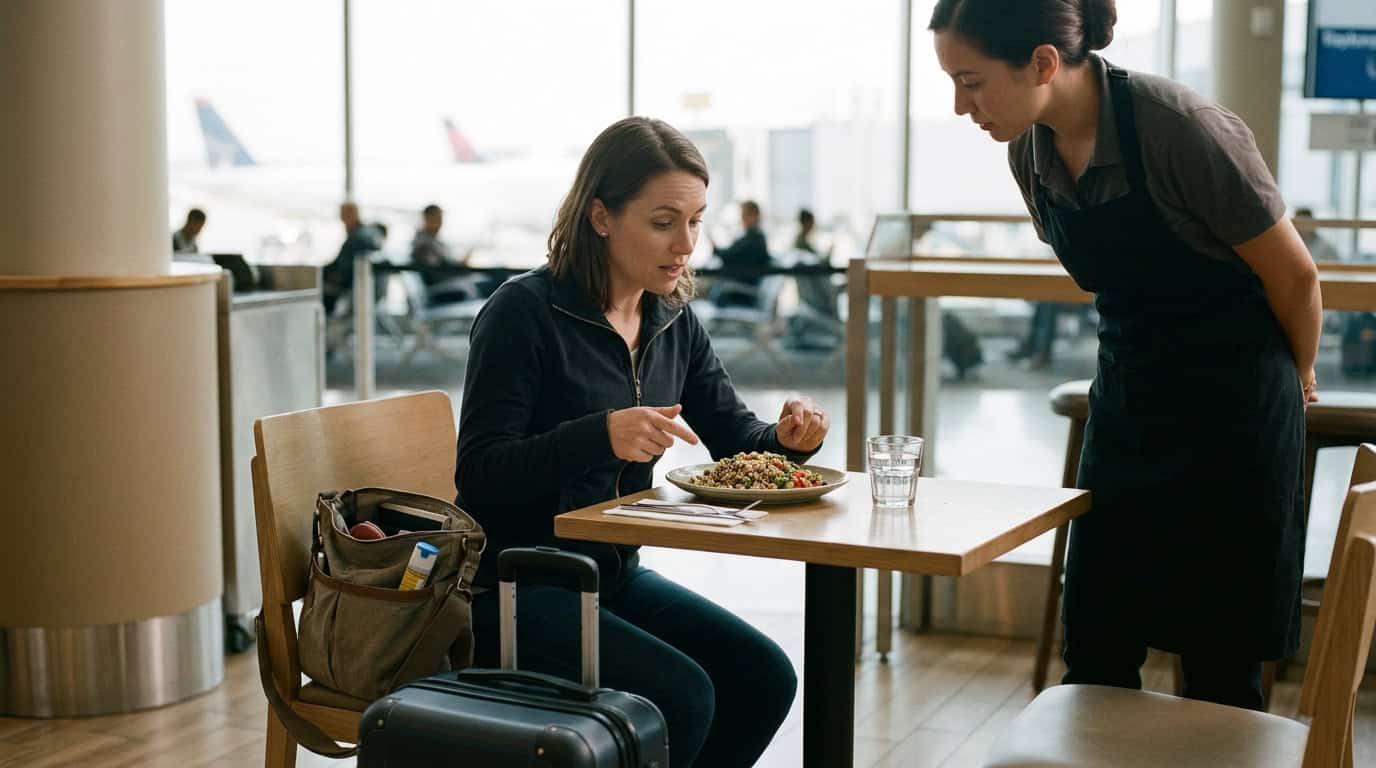
Traveling with food allergies is easier to manage when you call restaurants ahead, carry prescribed medication and safe backup food, and identify nearby medical care. We recommend preparing before departure, confirming meals as you go, and keeping a fallback snack close. Food Allergy Research & Education (FARE) recommends calling between 2:00 and 4:00 p.m. and carrying translated chef cards for international trips.
A concise allergy card can help you communicate across language barriers, while a flexible meal plan leaves room to choose another stop. In the European Union, restaurants must provide allergen information for 14 allergens in non-prepacked foods, including restaurant meals, as the European Commission explains. Thoughtful preparation and a clear backup can help keep food allergies from defining your trip.
Key Takeaways
- We recommend calling restaurants directly between 2:00 and 4:00 p.m. to ask about ingredients, kitchen practices, cross-contact, and who will oversee your meal, then choosing another stop if the answers are uncertain.
- We recommend carrying a printed and digital allergy card that names your specific allergen in the local language, and confirming that restaurant staff understand it before you order.
- Keep prescribed medication and enough safe, non-perishable food easy to reach in your carry-on or day bag, and check your airline’s current procedures because no airline can guarantee a peanut-free flight.
- Save a nearby hospital, grocery store, and backup restaurant on an offline map for each stop, and share those details with a travel companion in case plans change or phone service is unavailable.
How Can You Travel With Food Allergies?
You can travel with food allergies by planning early, explaining the allergy in writing in the local language, packing prescribed medication and safe, non-perishable food, and locating a nearby hospital. A little preparation can make room for the pleasures of a trip without expecting every meal or destination to be risk-free.
Before an international departure, prepare a translated chef card and bring shelf-stable food you know is safe. Keep prescribed medication easy to reach, rather than packing it somewhere difficult to access. Save the address and contact details of a nearby hospital, along with directions you can use if your phone has no signal.
Along the way, follow a simple rhythm: prepare before leaving, confirm each meal directly with the people preparing it, and keep a backup option close. A written allergy statement can make communication clearer when spoken conversations are difficult, but it is still worth checking that the person handling your meal understands the allergy. If an answer is unclear or a meal cannot be accommodated, choose your safe backup instead. A flexible plan can help you explore with more confidence while leaving room to change course.
How Do You Research Allergy-Friendly Restaurants?

Research allergy-friendly restaurants by calling each one directly, asking how it handles your specific allergy, and keeping nearby alternatives in your itinerary. Online menus and reviews can help you make a shortlist, but they cannot answer every question about ingredients or kitchen practices.
Call between meal periods, typically from 2:00 to 4:00 p.m., when a manager or chef may be easier to reach. Use a short checklist to compare answers:
- Ask whether the dish contains your allergen, including in sauces, oils, marinades, or toppings, and whether you can inspect ingredient labels.
- Ask how the kitchen prepares the meal, including whether staff can use clean cookware, utensils, and work surfaces.
- Ask how the restaurant prevents cross-contact during cooking, plating, and serving, and whether staff use shared equipment or fryers.
- Ask who will oversee your meal and whether a manager or staff member familiar with your allergy will be present when you dine.
- Confirm the details directly with the restaurant before choosing it, then check again if the menu, staff, kitchen setup, or your plans change.
- Identify another restaurant or nearby place to eat so you can switch plans if the answers are uncertain or the kitchen cannot accommodate your needs.
Record the name or role of the person who answered and the specific dishes you discussed. A clear, confident response can help you choose a restaurant, while an uncertain answer is a reason to keep looking.
What Should Your Allergy Translation Card Say?
Your allergy translation card should name your specific allergen in the local language and clearly ask restaurant staff to check ingredients and food preparation for possible exposure. Use plain, direct wording that distinguishes an allergy from a preference, and spell out the allergen rather than relying on a broad phrase like “food allergy.”
A chef-card template is available in English and nine foreign languages. Whichever format you choose, make sure the translation names your specific allergen and is easy for staff to understand. A fluent speaker can help check unfamiliar wording, especially if the card needs to explain possible exposure during preparation.
Show the card to a staff member before ordering, and ask them to review it with the person preparing your meal. Give them time to read it, then confirm that they understand both the allergen and your request to check the dish and its preparation. Carry a printed card and a digital copy on your phone as backups. A screen may be hard to access, while paper can be misplaced.
How Do Food Label Rules Differ Abroad?
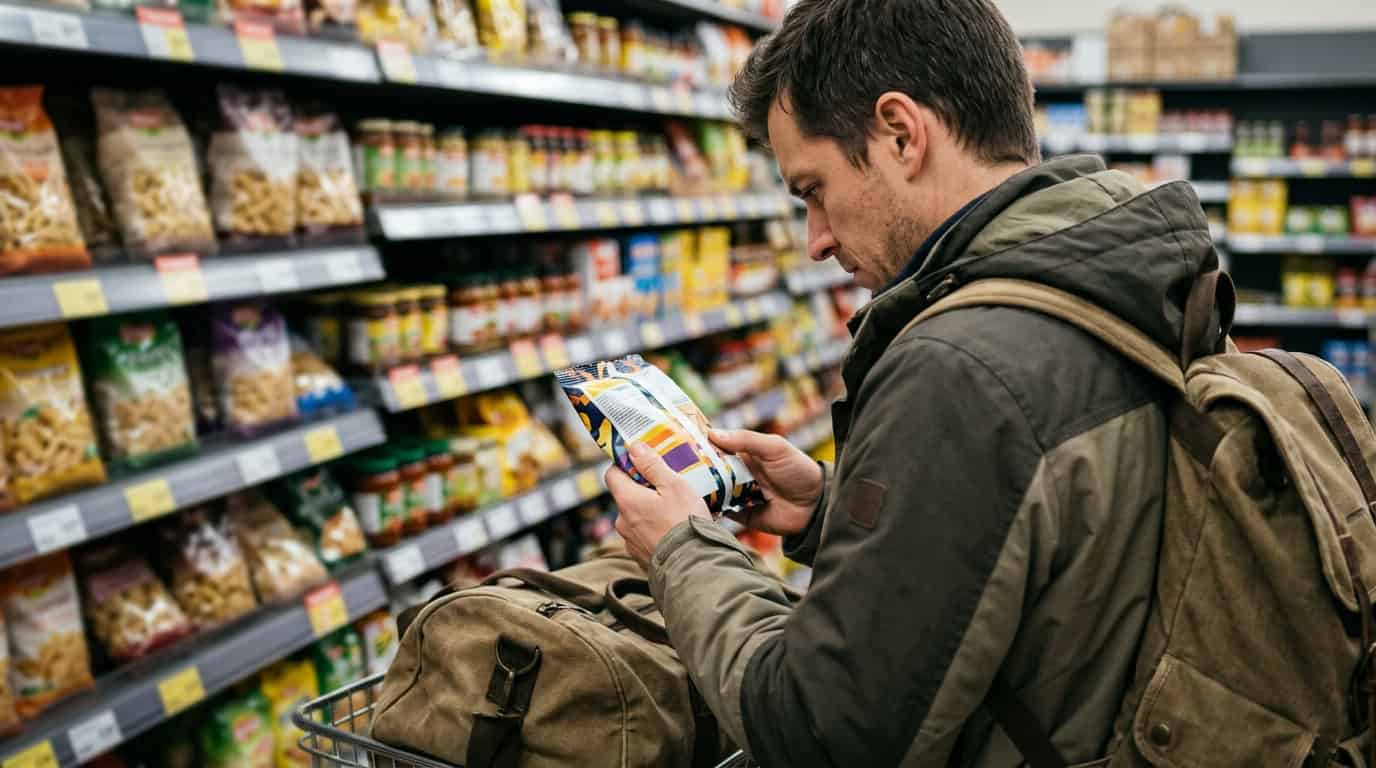
Food-label rules differ abroad: U.S. federal requirements cover nine major allergens on many packaged foods and dietary supplements, while EU rules require food businesses to provide information about 14 allergens in non-prepacked foods, including restaurant meals. The two systems do not cover exactly the same situations, so packaged-food labels and restaurant allergen information may follow different requirements.
Sesame became the ninth major allergen under U.S. federal labeling requirements on January 1, 2023. On January 6, 2025, the FDA issued its final fifth edition of food-allergen-labeling guidance, covering U.S. requirements for the nine major allergens.
Treat labels as a helpful starting point, not a substitute for asking how a restaurant meal is prepared. Ask staff directly whether a dish contains your allergen and whether its preparation could expose you to it. Before traveling, learn about common ingredients at your destination and find the local words for your allergen. Don’t assume a familiar package format or label system works the same way there.
What Should You Plan For When Flying?
Before departure, check your airline’s current procedures for food allergies, including how to communicate your needs and what food may be served onboard. Policies vary, and the Federal Aviation Administration (FAA) says no airline can guarantee a peanut-free flight, even when peanuts are not served. Passengers may bring peanuts onboard, and meals may contain peanut ingredients, so plan for the possibility of an in-flight reaction. A global survey of food-allergic patients and caregivers, published in December 2024, found that 8.5% reported at least one food-allergic reaction during a flight, according to The Journal of Allergy and Clinical Immunology: In Practice. Keep prescribed medication in your carry-on, where you can reach it during the journey, rather than packing it in checked baggage. Allow for medication that needs to travel in liquid, cream, or another medically necessary form. The Transportation Security Administration (TSA) permits medically necessary liquids, medications, and creams over 3.4 ounces or 100 milliliters in carry-on bags, subject to screening. Remove those items from your bag for separate screening. Pack safe food in your carry-on, too, with enough to cover the journey and a possible delay. Keep snacks and medication together in an easy-to-reach pouch, and avoid relying on an onboard meal or airport outlet as your only option. If you plan to buy food at the airport, check its ingredients before eating and leave time to find another choice if needed.
Build A Backup Plan For Every Day
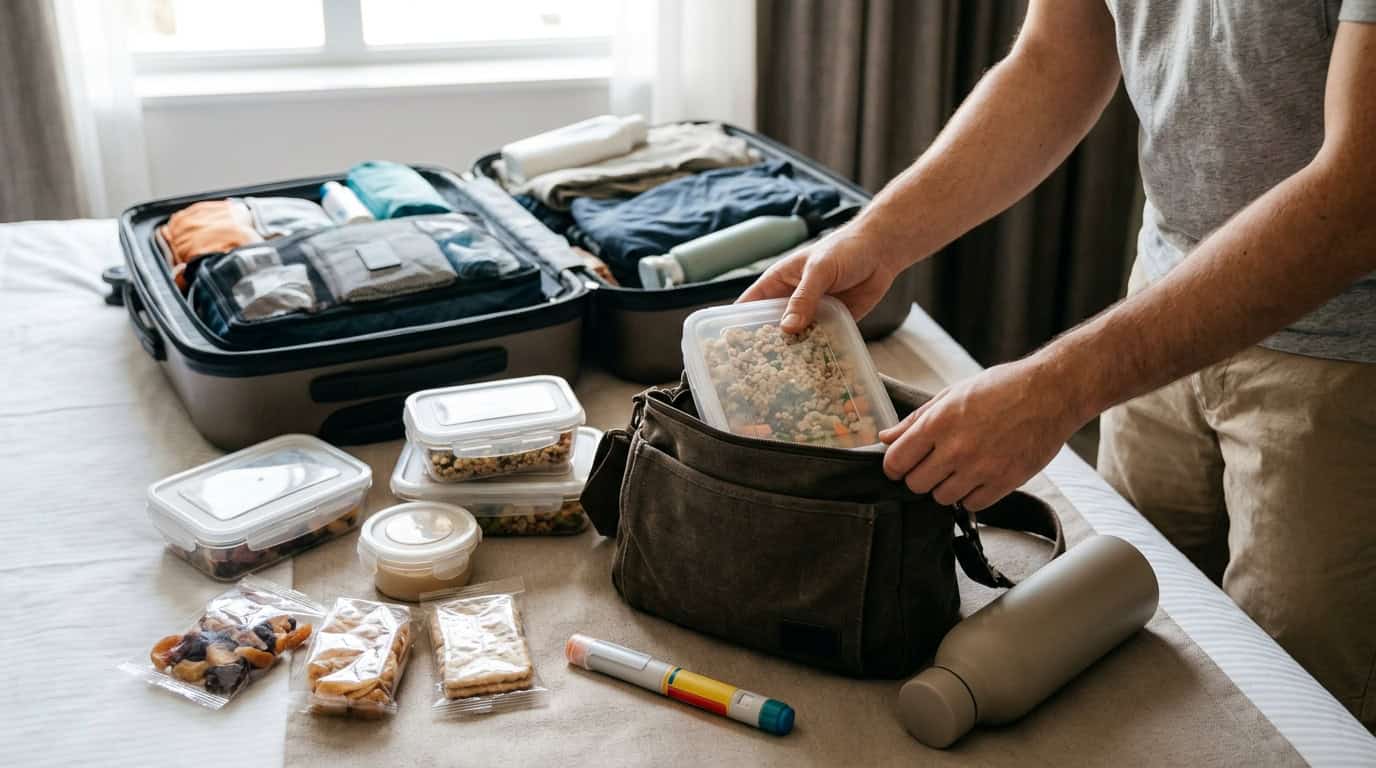
Food allergies can affect the shape of a travel day, so we recommend making a fallback part of your itinerary. In the United States in 2024, diagnosed food allergy affected 6.7% of adults and 5.3% of children under 18, according to the CDC National Center for Health Statistics.
Before departure, save the location of a nearby hospital or other medical care for each overnight stop, along with grocery stores where you can look for familiar, suitable foods. Keep the addresses available offline, especially on road trips through areas with patchy service. Pack non-perishable food you know is safe and prescribed medication in a bag you can reach during transit and carry on excursions.
- For a day trip, bring enough safe snacks or a simple meal to cover a delayed return.
- For a road trip, mark grocery options along the route in case a planned stop is unsuitable.
- For each day’s restaurant plan, choose a nearby alternative or a backup meal in advance.
Days between destinations deserve extra attention: a late arrival or missed connection can leave little time to find food. Keep a backup meal accessible rather than buried in luggage, and leave breathing room in the schedule for a different stop. A flexible afternoon can make room for a safe grocery run without sacrificing the day’s discoveries.
Make Your Next Trip Allergy-Ready
Before your next trip, open your itinerary and choose the first meal after arrival. Pin one restaurant you have contacted, a nearby grocery store, and the closest hospital on an offline map. Add the restaurant’s phone number and the name or role of the person who discussed your allergy so you can reconnect if staff or menu details change.
For an international stop, put your allergy statement in the destination’s language beside the dish you hope to order. For a flight day, note which safe food is packed and where prescribed medication is in your carry-on. Give a travel companion a copy of your restaurant, grocery, hospital, medication, and safe-food notes, then ask them to locate the hospital and backup food without using your phone.
Before departure, make one final call to the restaurant you expect to visit first. Read your allergy statement aloud, ask whether the kitchen can still accommodate the meal, and identify an alternative if the answer is uncertain. If the restaurant cannot give a clear answer, replace it on your itinerary before you leave, rather than making the decision hungry at the door.