
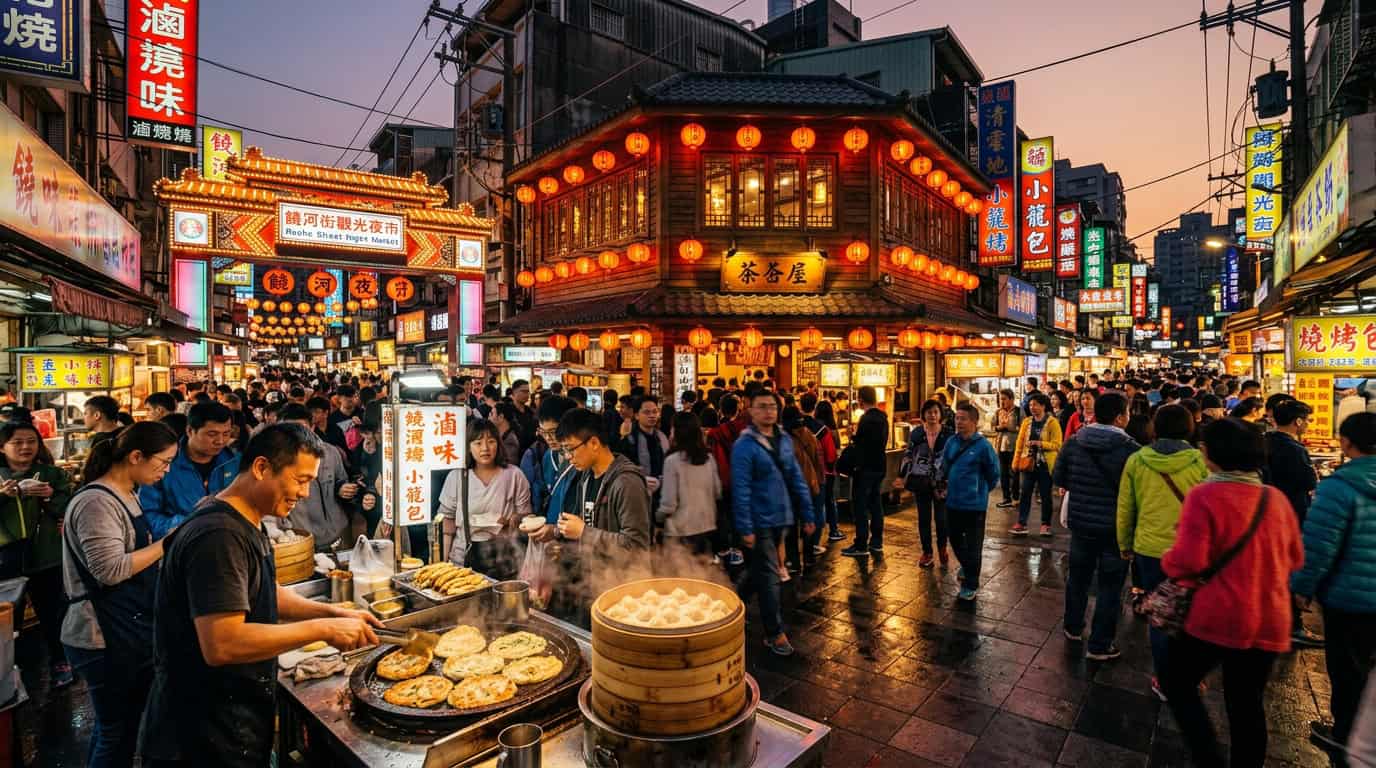
The steam rising from a bamboo basket of soup dumplings isn’t just a meal in Taipei; it’s a sensory invitation to the heart of Taiwan’s vibrant culture. With nearly half of all travelers now visiting the island specifically for its legendary flavors, joining a taipei food tour has become the ultimate way to explore this culinary wonderland. From the historic alleys of Dadaocheng to the neon-lit stalls of Ningxia Night Market, every bite tells a story of heritage and innovation that has captured the world’s attention.
I still remember my first evening wandering through the fragrant clouds of grilled squid and sweet potato balls, realizing that the best secrets are hidden in plain sight. Whether you are hunting for Michelin-recognized street food or chasing the nostalgia of hundred-year-old noodle recipes, planning your journey around your palate ensures an unforgettable adventure. By focusing on historic districts like Xinyi and the bustling corridors of Longshan Temple, you can transform a simple vacation into a curated marathon of savory discoveries and sweet traditions.
Key Takeaways
- Combine visits to historic districts like Dadaocheng and Yongkang Street to experience Taipei’s culinary heritage, from century-old noodle recipes to the original birthplace of xiao long bao.
- Navigate Michelin-recognized night markets like Ningxia and Raohe by arriving early to sample award-winning staples such as oyster omelets and clay-oven black pepper buns.
- Balance the savory intensity of street food with traditional tea rituals in the hills of Maokong, where Tieguanyin oolong serves as a cultural palate cleanser.
- Hire a local guide or join a curated food tour to gain insider access to hidden alleyway gems and demystify the complex menus of the city’s most legendary stalls.
Historic Bites In Dadaocheng And Yongkang Street
To truly understand the soul of Taipei, you have to spend an afternoon wandering through the narrow, incense-scented alleys of Dadaocheng. This historic district serves as the city’s culinary time capsule, where the air is thick with the aroma of dried herbs and simmering medicinal soups. I highly recommend starting your journey at the local wholesale market to find the legendary 100-year-old noodles, a dish that has remained virtually unchanged for generations. The springy texture of the handmade noodles paired with a savory, clear broth offers a humble yet profound taste of Taiwan’s merchant history. After the savory heat of the noodles, look for a traditional stall serving almond shaved ice to cool down. The silky, nutty fragrance of the almond curd provides a refreshing contrast to the humid Taipei air and acts as the perfect palate cleanser before your next stop.
Your appetite should then lead you toward the vibrant energy of Yongkang Street, a neighborhood that has become a global pilgrimage site for food lovers. This area is famously known as the birthplace of the original soup dumpling shop where the art of the xiao long bao was perfected and shared with the world. Standing outside the modest storefront where it all began feels like a rite of passage for any traveler seeking authentic East Asian flavors. Beyond the dumplings, the street is lined with boutiques and tea houses that invite you to slow down and savor the moment. I suggest ending your walk with a massive bowl of fresh mango shaved ice, a local invention that perfectly captures the tropical spirit of the island. These historic bites offer more than just a meal, as they provide a direct connection to the heritage and hospitality that define the Taiwanese experience.
Michelin Starred Street Food Of Ningxia And Raohe
Stepping into the neon glow of Ningxia Night Market feels like entering the heart of Taipei’s culinary soul, especially with recent culinary guides highlighting so many incredible stalls. I always recommend starting your evening here because the compact layout allows you to explore the prestigious street food scene without feeling overwhelmed. You cannot miss the legendary oyster omelets, where the perfect balance of chewy sweet potato starch and savory eggs creates a texture that is uniquely Taiwanese. Watching the vendors masterfully flip these golden discs on massive circular griddles is a performance in itself. Make sure to arrive early to beat the crowds, as these award-winning spots often see lines forming long before the sun goes down.
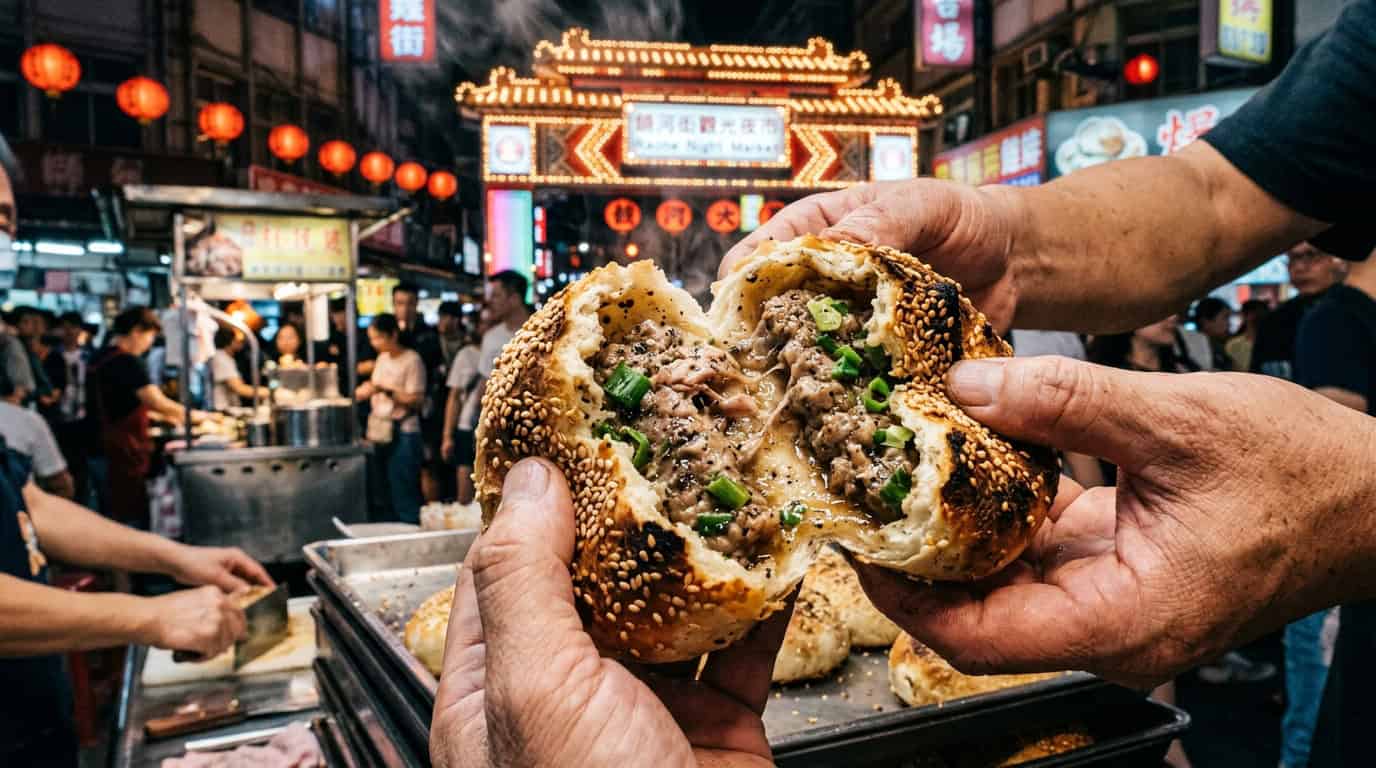
Raohe Night Market offers a slightly different atmosphere, characterized by its stunning temple entrance and a linear path that smells heavenly from the moment you arrive. The absolute star of the show here is the Michelin-recognized black pepper bun, which is hand-pressed and baked inside traditional clay ovens. I still remember the first time I bit into one, feeling the crunch of the sesame-crusted shell followed by a burst of peppery pork juices. It is a quintessential Taipei experience to stand on the sidewalk with a piping hot paper bag, enjoying the steam rising into the cool night air. Between the savory buns and the sweet aroma of grilled corn, Raohe provides an accessible yet deeply authentic look at the award-winning staples that define this city.
Navigating these markets as part of a focused food tour turns a simple dinner into a curated journey through Taiwan’s rich gastronomic heritage. By targeting specific stalls that have earned international accolades, you can prioritize the highest quality bites while still soaking in the energy of the local crowds. I find that navigating Taipei night markets has become easier than ever for travelers to find these hidden gems tucked away in the back alleys of historic districts. Beyond the famous buns and omelets, keep an eye out for smaller vendors selling shaved ice or medicinal rib soups to round out your tasting marathon. These markets are not just places to eat, but vibrant community hubs where every dish tells a story of tradition and craftsmanship.
Traditional Tea House Rituals In Wenshan And Maokong
To truly understand the soul of Taiwan beyond the bustling city streets, we must head into the emerald hills of Wenshan to experience the serene ritual of a traditional tea service. As we ride the glass-bottomed gondola up to Maokong, the skyline of Taipei fades away, replaced by terraced slopes of Tieguanyin oolong tea. I love finding a quiet spot in a historic, wood-beamed tea house where the air smells of charcoal fires and fresh mountain rain. Sitting by a window overlooking the valley, you learn that tea here is not just a drink, but a slow and intentional art form. It is the perfect palate cleanser after a few days of indulging in the savory, salt-heavy street foods of the city center.
The ritual begins with the warming of the clay pots and the delicate rinsing of the leaves, a process that awakens the complex floral notes of the oolong. I will show you how to properly pour the tea into a tall aroma cup first, allowing you to breathe in the scent before taking your first sip from the tasting bowl. Many of these tea houses are architectural gems, featuring open-air balconies and traditional stone carvings that have stood for decades. We often pair our brew with tea-infused treats, such as handmade mochi or savory noodles tossed in tea oil, which highlight the versatility of the local harvest. This experience offers a necessary moment of reflection and a deep connection to the agricultural heritage that still defines Taiwanese culture today.
A Culinary Itinerary From Longshan To Ximending
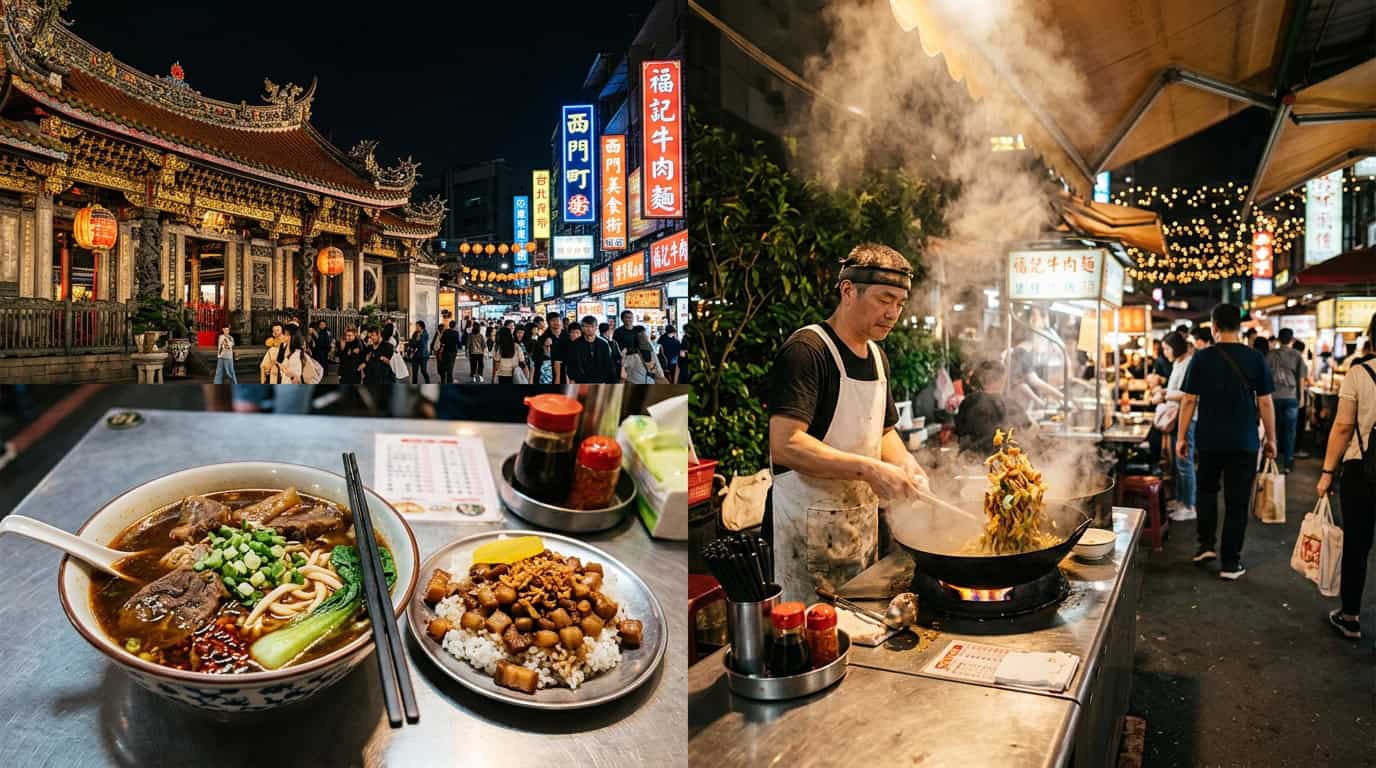
Your culinary journey begins at the historic Longshan Temple, where the scent of thick incense mingles with the irresistible aroma of traditional street snacks. I recommend starting your morning with a bowl of savory thick squid soup or a crispy pepper bun baked in a traditional clay oven just outside the temple gates. As you wander through the nearby Huaxi Street Night Market, look for the stalls serving heritage dishes like braised pork rice that has been perfected over decades. These old school flavors offer a deep connection to Taipei’s history, providing a grounded starting point before you transition into the city’s modern energy.
After fueling up on classic bites, follow the walking path toward the vibrant, neon-drenched streets of Ximending. This district is the heart of Taipei’s youth culture, where traditional techniques meet trendy innovations. You must try the famous flour rice noodles served in a thick, savory broth, but leave plenty of room for the district’s iconic dessert scene. From towering shaved ice topped with fresh seasonal mango to chewy brown sugar boba milk, the transition from the quiet reverence of the temple to the bustling energy of Ximending is a feast for all your senses. Much like savoring Seoul street food, exploring these neighborhoods reveals how modern trends and ancient traditions can coexist on a single plate.
To make the most of this self-guided itinerary, I suggest timing your walk so you arrive in Ximending just as the sun sets and the digital billboards begin to glow. This allows you to experience the best of both worlds, moving from the mid-day tranquility of the oldest district to the high-octane evening atmosphere of the city’s shopping hub. Keep an eye out for the small, specialized windows selling honey-glazed grilled chicken or giant fried chicken cutlets that are perfect for snacking as you explore the local boutiques. By following this route, you will experience the full spectrum of Taipei’s food scene, bridging the gap between historical heritage and contemporary culinary trends.
Find Taipei’s Culinary Soul With a Local Guide
Navigating the vibrant streets of Taipei for the first time can be a whirlwind of sensory delights, but nothing beats the expertise of a local guide to help you find the city’s true culinary soul. I highly recommend booking a dedicated food tour through a local operator to ensure you don’t miss the hidden gems tucked away in historic alleys. These specialists offer incredible deep dives into neighborhoods like Dadaocheng, where you can taste heritage dishes like century old noodles and refreshing almond shaved ice. By joining a small group, you gain insider access to the stories behind the stalls and the families who have perfected their recipes over generations. It is the most efficient and delicious way to bridge the gap in your East Asian travel portfolio while feeling like you are exploring with a knowledgeable friend.
If you are looking to maximize your tasting opportunities, look for tours that focus on intensive marathons through iconic spots like Longshan Temple and the bustling night markets. These experiences often include over a dozen different tastings, ranging from traditional breakfast sets in wholesale markets to savory dinner staples under the neon lights of Ningxia. You will find that having a guide helps demystify complex menus and ensures you are trying the absolute best versions of Taiwanese classics. Whether you are slurping soup dumplings on Yongkang Street or hunting for Michelin recognized street food, these curated journeys take the guesswork out of your Taipei travel itinerary. It truly transforms a simple vacation into a deep cultural immersion that satisfies both your curiosity and your appetite.
Frequently Asked Questions
1. What should I expect on my first Taipei food tour?
You can expect a sensory explosion of fragrant grilled squid, sweet potato balls, and steam rising from bamboo baskets of soup dumplings. I found that these tours are the perfect way to explore hidden alleys and neon-lit markets while discovering the stories of heritage behind every bite.
2. Where are the best historic districts for a culinary adventure?
I highly recommend focusing your journey on Dadaocheng and Yongkang Street to experience the city’s culinary time capsule. These areas are famous for hundred-year-old noodle recipes and traditional almond shaved ice that offer a profound taste of Taiwan’s merchant history.
3. Is it easy to find Michelin-recognized street food in Taipei?
Yes, Taipei is a global leader in high-quality street food with many stalls receiving Michelin recognition. You can find these legendary flavors tucked away in the bustling corridors of Longshan Temple or the vibrant stalls of Ningxia Night Market.
4. What is the best way to handle the humidity while eating outdoors?
After enjoying a bowl of savory, hot noodles in the humid air, you should look for a traditional stall serving silky almond curd or shaved ice. It is my favorite way to cool down and provides a refreshing contrast to the hearty, savory dishes found in the historic markets.
5. Are there specific dishes I shouldn’t miss in Dadaocheng?
You must try the legendary 100-year-old noodles which feature a springy, handmade texture and a savory clear broth. I also suggest exploring the local wholesale markets where the aroma of dried herbs and simmering medicinal soups creates a truly immersive atmosphere.
6. How can I make the most of my time at the night markets?
Plan your visit around your palate by targeting specific districts like Xinyi or Ningxia to turn a simple walk into a curated marathon of discoveries. I always find it best to arrive with an open heart and a hungry stomach to fully embrace the neon-lit energy and diverse flavors.