
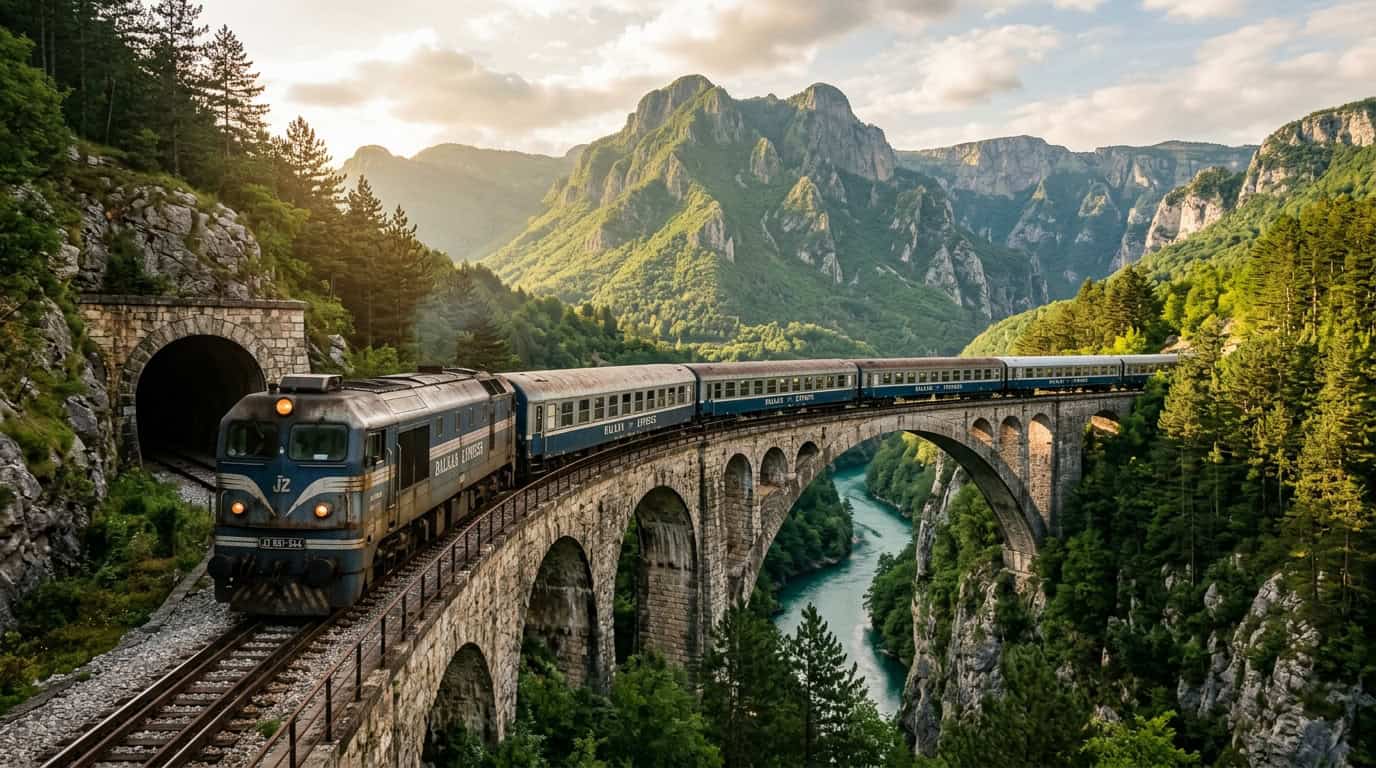
There is a unique magic in watching the rugged peaks of the Dinaric Alps blur past your window while sipping a coffee in a vintage dining car. For years, a balkan rail journey meant embracing a slower pace by necessity, winding through deep canyons and sun-drenched valleys. As we move into 2026, the region is finding a breathtaking balance between its soulful, scenic roots and a sleek, modern future.
The environment of Southeastern Europe is shifting, making it easier than ever to bridge the gap between historic charm and urban energy. With the landmark high-speed link between Belgrade and Budapest now cutting travel times down to just over three hours, you can spend your morning exploring Ottoman fortresses and your afternoon wandering through Art Nouveau grand halls. Whether you are chasing the nostalgia of the old world or the efficiency of the new, these tracks offer a front-row seat to a peninsula in the midst of a beautiful rebirth.
Key Takeaways
- The 2026 Balkan rail network offers a transformative balance between ultra-modern high-speed links, like the three-hour Belgrade-Budapest line, and nostalgic, slow-paced sleeper routes.
- Sustainable travel in the region is now more accessible, allowing travelers to significantly reduce their carbon footprint while crossing international borders in polished, aerodynamic trains.
- Navigating the network requires a hybrid planning approach that combines digital bookings for major corridors with in-person station visits and local currency for traditional mountain routes.
- Strategic itinerary planning, such as booking window seats on the Adriatic Express or private cabins on the Bucharest-Istanbul sleeper, turns transit into a primary highlight of the European travel experience.
Modern Speed Meets Historic Charm on the Belgrade to Budapest Line
Stepping onto the platform in Belgrade, the sleek, aerodynamic profile of the high-speed train signals a new era for travel that feels both futuristic and incredibly convenient. As we glided out of the station at speeds reaching 200 kilometers per hour, I was struck by how this journey has evolved from an exhausting eight-hour trek into a breezy, three-hour adventure. The interior of the train offers a quiet, polished sanctuary where you can watch the Serbian plains blur past while sipping a coffee in total comfort. It is a major win for sustainable travel, proving that we can traverse international borders rapidly without sacrificing the environmental benefits of the rails. This connection is more than just a technical feat, it bridges the gap between the spirited energy of the Balkans and the imperial grandeur of Central Europe.
The transition from the modern cabin to the historic streets of Budapest feels like stepping through a portal between two distinct worlds. Once you arrive at the beautifully restored Keleti station, you are immediately immersed in an atmosphere of neo-Renaissance architecture and Old World charm. My favorite way to spend the afternoon is heading straight to the Danube promenade to see the Parliament building glowing in the soft light of sunset. You can easily spend your first few hours wandering through the Jewish Quarter or relaxing in a thermal bath, knowing you saved half a day of travel time. This efficiency allows you to focus on the textures and flavors of the city rather than the fatigue of the road.
Planning this leg of your itinerary is remarkably simple now that the high-speed line has fully integrated into the regional network. I recommend booking your tickets in advance through official rail portals to secure the best seats, especially during the busy summer months when the route is most popular. Make sure to have your passport ready for the quick checks at the border, as the streamlined process is designed to keep the train moving on its tight schedule. Once you reach Budapest, the city is your gateway to further European exploration, but the journey itself remains the highlight of the trip. It is a perfect example of how modern infrastructure can enhance travel by making grand distances feel accessible and elegant.
Chasing Sunsets on the Revived Bucharest to Istanbul Express
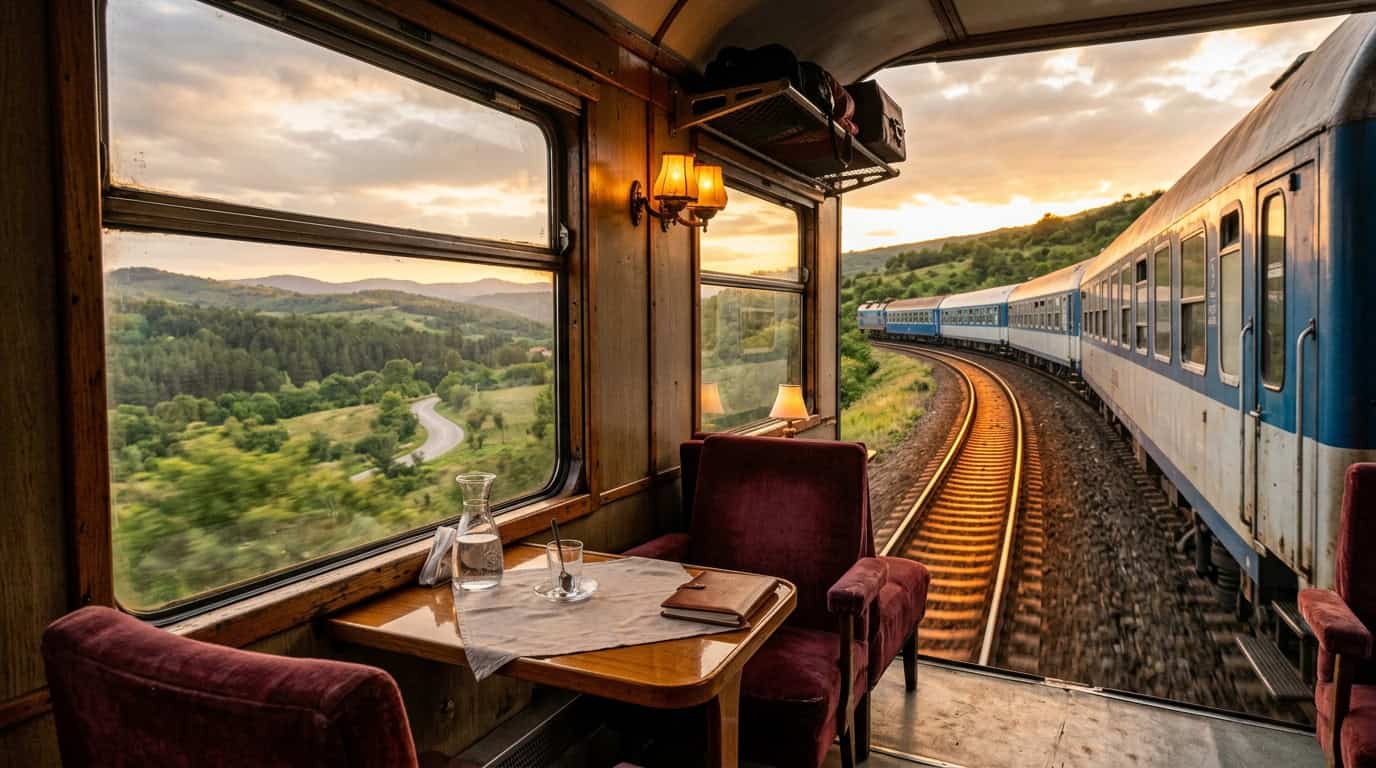
The revival of the direct international route from Bucharest to Istanbul marks a triumphant return for enthusiasts looking to cross the Balkans in style. Stepping onto the sleeper train at Gara de Nord feels like a journey back in time, where the rhythmic clatter of the tracks replaces the frantic pace of modern life. As we crossed the Danube at sunset, the sky transformed into a canvas of burnt orange and deep purple, casting a glow over the sprawling Romanian countryside. This journey is not just about reaching a destination, it is about reclaiming the romance of the rails while choosing to reduce their carbon footprint. I recommend booking a Bucharest-Istanbul sleeper cabin to enjoy the changing landscapes in comfort, and remember to pack a spread of local cheeses and wine for an impromptu cabin dinner.
Sofia serves as the perfect midpoint break on this trans-Balkan adventure, offering a blend of ancient history and vibrant urban energy. I spent my layover wandering through the Roman ruins nestled right inside the metro stations and admiring the golden domes of the Alexander Nevsky Cathedral. The city is incredibly walkable, making it easy to grab a traditional banitsa pastry from a street vendor before heading back to the station. If you have a few hours to spare, the Vitosha Boulevard area offers great people-watching and a chance to stretch your legs before the final leg toward Turkey. It is a city that rewards the curious traveler who isn’t afraid to step off the platform and explore the local culture.
As the train winds through the final stretches of the Thracian plains toward Istanbul, the anticipation in the sleeper car becomes almost palpable. Crossing the border in the early morning hours is a unique experience that requires a bit of patience, but the sight of the Minarets piercing the horizon at dawn makes every moment worth it. To make the most of this trip, ensure you have your physical passport ready for the border checks and keep a small bag of essentials easily accessible in your bunk. Arriving at the edge of the Bosphorus by rail is a profound way to enter a city that bridges two continents. This itinerary proves that the most sustainable way to travel is often the most magical, turning a simple transit into the highlight of your entire European exploration.
Coastal Tracks and Alpine Views on the Adriatic Express
My journey began in the emerald heart of Slovenia, where the mountains seem to touch the sky and the air carries the crisp scent of pine. Starting in Ljubljana, I spent two days wandering through the car-free city center, sipping coffee by the Ljubljanica River and exploring the hilltop castle that overlooks the dragon-guarded bridges. I highly recommend taking the morning train from the capital, which slowly descends from the Julian Alps toward the rugged coastline. This route is a masterpiece of travel, trading the rush of highways for panoramic windows that frame limestone peaks and hidden forest valleys. It is the perfect way to transition from the cool alpine breeze to the sun-drenched atmosphere of the Adriatic.
As the tracks wind south, the scenery shifts dramatically from deep greens to the shimmering blues of the Kvarner Gulf as you approach Rijeka. This historic port city serves as the ultimate gateway to the Croatian islands, but it deserves a dedicated stop to appreciate its grand Austro-Hungarian architecture and vibrant Korzo promenade. I spent my afternoon here exploring the Trsat Castle for its sweeping views of the sea before heading to the local market to sample fresh truffles and seafood. For those planning this route, I suggest booking a window seat on the right side of the train to catch the first glimpse of the ocean as the tracks hug the cliffs.
After soaking in the maritime charm of Rijeka, you can easily extend your itinerary by catching a local ferry or continuing down the coast to the walled cities of Dalmatia. To make the most of this rail adventure, I recommend packing a light picnic of Slovenian cheese and local bread to enjoy during the three-hour scenic stretch between the two cities. This journey is not about reaching the destination quickly, but rather about embracing the rhythmic clatter of the rails and the changing landscape. By choosing the train over a rental car, you contribute to a more sustainable way of exploring the Balkans while gaining a perspective of the terrain that you simply cannot get from the road.
Essential Planning Tips for Navigating Balkan Railway Networks
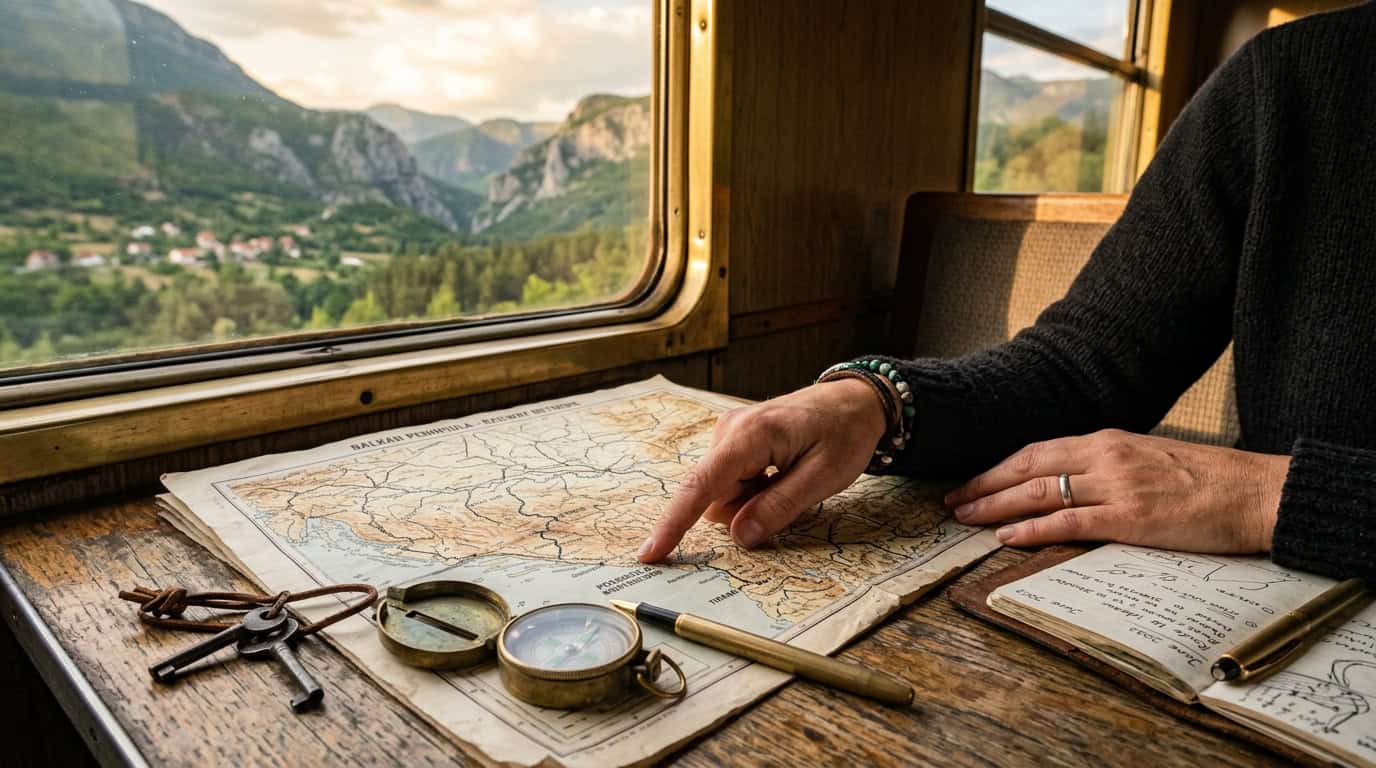
Navigating the Balkan railway network in 2026 requires a blend of old-school patience and new-age excitement as the region undergoes a massive transportation facelift. While high-speed trains now whisk passengers between Belgrade and Budapest in just over three hours, many of the most breathtaking routes through the Dinaric Alps blur the line between transportation and sightseeing, still relying on local ticket offices and paper reservations. I always recommend visiting the station in person a day before your departure to confirm schedules, as digital platforms do not always reflect the most recent real-time adjustments. Bringing a small stash of local currency for these transactions is essential, as some smaller regional hubs have yet to fully adopt international card payments. These face-to-face interactions often lead to the best travel tips, like which side of the carriage offers the premier views of the shimmering Adriatic coastline.
Packing for a long-distance Balkan rail journey is an art form that prioritizes comfort and self-sufficiency for those slow, scenic stretches. Because many of the vintage carriages on international routes lack modern dining cars, I never board without an ample supply of local cheeses, crusty bread, and plenty of bottled water. You will also want to keep a portable power bank and a light jacket handy, as temperatures can fluctuate wildly when the train climbs from sun-drenched valleys into the misty, high-altitude mountain passes. Since the 2026 timetable shifts have introduced faster corridors alongside traditional routes, having a flexible mindset is your most valuable asset. Embracing the rhythm of the rails allows you to witness the rugged beauty of the Balkans in a way that slow travel enthusiasts will truly cherish.
Embrace the Soul of the Balkan Rails
Ultimately, choosing the rails to navigate the Balkans is about more than just getting from point A to point B. It is a conscious decision to embrace a slower, more intentional pace of discovery that honors both the environment and the local culture. While the high-speed connection between Belgrade and Budapest marks a thrilling new chapter for 2026, the true magic still lies in those long afternoons spent watching the rugged Dinaric Alps roll past your window. By opting for the train, you are choosing the most sustainable way to traverse these historic borders while gaining a front-row seat to the region’s evolving landscape.
There is a unique sense of connection that only happens in a shared train compartment over a long journey. Whether you are swapping stories with fellow travelers or sharing a snack with a local family, these unscripted moments become the heartbeat of your trip. The rhythmic clatter of the tracks provides the perfect soundtrack for reflecting on the diverse architecture and rich history you have encountered along the way. As you pull into your final station, you will realize that the slow rhythm of the rail has allowed you to truly absorb the spirit of Eastern Europe. Many travelers are discovering that Belgrade is the best starting point for these adventures, offering a mix of grit and grandeur before the journey begins.
Planning a multi-country itinerary through this region is now more rewarding than ever before. You can balance the efficiency of the new high-speed corridors with the nostalgic charm of the older, winding mountain routes. This blend of modern progress and traditional travel ensures that your adventure is as comfortable as it is authentic. I encourage you to pack your bags, grab a window seat, and let the Balkan railway system lead you into the very heart of this captivating corner of the world. Just as you might use an Uzbekistan travel itinerary to explore Central Asia, these tracks offer a definitive guide to the soul of the Balkans.
Frequently Asked Questions
1. How long does the train journey take between Belgrade and Budapest?
The travel time has been dramatically reduced to just over three hours thanks to the new high-speed trains. This makes it possible to enjoy a morning coffee in a Serbian fortress and still arrive in Budapest in time for a late lunch.
2. What is the experience like on the new high-speed Balkan trains?
The experience is incredibly sleek and modern, featuring aerodynamic trains that reach speeds of 200 kilometers per hour. You will find a quiet, polished sanctuary inside with comfortable seating and large windows perfect for watching the Serbian plains fly by.
3. Is rail travel in the Balkans a sustainable choice for my trip?
Absolutely, choosing the rails is a fantastic win for sustainable travel in Southeastern Europe. It allows you to traverse international borders rapidly while significantly reducing your carbon footprint compared to flying or driving.
4. Can I still experience the traditional slow travel charm in this region?
Yes, the region offers a beautiful balance between modern efficiency and its soulful, scenic roots. While high-speed links are expanding, you can still find vintage dining cars and winding tracks that take you through deep canyons and the rugged Dinaric Alps.
5. What kind of scenery can I expect to see from the train window?
Prepare to be inspired by a diverse landscape of sun-drenched valleys, dramatic mountain peaks, and historic Ottoman architecture. The tracks provide a front-row seat to the beautiful rebirth of the peninsula, blending historic charm with urban energy.
6. Do I need to book my Balkan train tickets far in advance?
I recommend booking your tickets ahead of time, especially for the popular high-speed routes like Belgrade to Budapest. This ensures you secure a seat on the modern trains and helps you plan a Budapest city break through these breathtaking landscapes.