
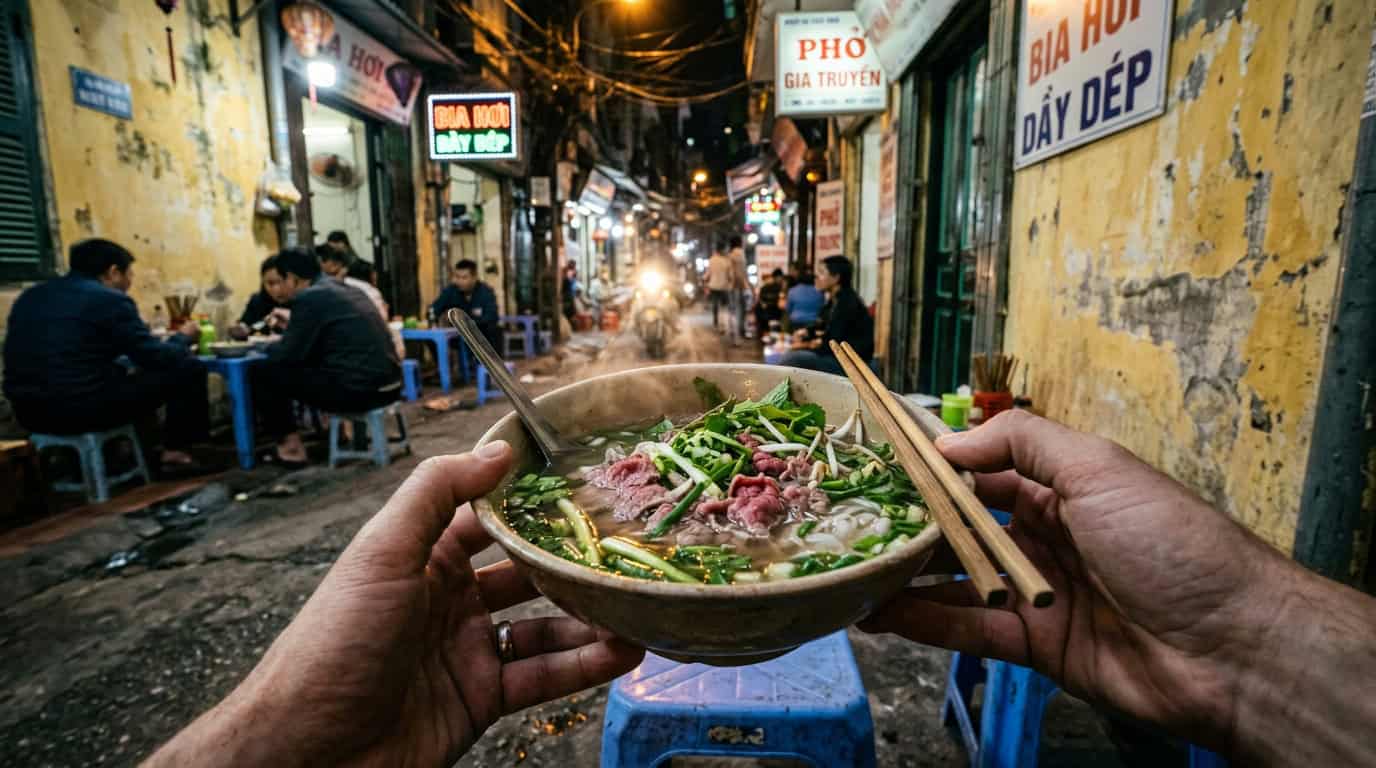
The scent of charred pork and star anise hangs heavy in the humid morning air, a sensory signal that you’ve finally arrived in the world’s most vibrant open-air kitchen. Navigating the labyrinthine alleys of the Old Quarter on a hanoi food tour is no longer just about a quick bite; it’s a journey through a city where humble street stalls now boast prestigious global accolades. Whether you are chasing the perfect steam-filled bite of silk-thin rice rolls or sitting on a tiny plastic stool for a bowl of legendary noodles, the culinary scene has evolved into a sophisticated blend of tradition and newfound international fame.
To truly taste the soul of the city, you have to look beyond the crowded tourist hubs and embrace the local rhythm, starting as early as 6:00 AM. I’ve found that the most authentic flavors often hide in the outer districts, where the sizzle of golden shrimp fritters by the lake offers a masterclass in texture and spice. From recognized street corners to hidden alleyway gems accessible only by motorbike, planning your food journey requires a balance of early-morning hunger and a willingness to get lost in the steam of a boiling phở pot.
Key Takeaways
- The arrival of the Michelin Guide and Bib Gourmand awards has elevated humble street food stalls to world-class status without compromising their authentic, traditional roots.
- True culinary immersion requires starting as early as 6:00 AM to experience hyper-local breakfast traditions like silk-smooth pork porridge and sticky rice before the tourist crowds arrive.
- Venturing beyond the Old Quarter by motorbike into districts like Trúc Bạch and West Lake reveals unique regional specialties such as crispy lake shrimp fritters and refreshing rolled noodles.
- Successful navigation of the local food scene depends on identifying stalls where locals congregate on plastic stools and carrying small denominations of local currency for alleyway vendors.
Michelin Stars And Bib Gourmand Street Stalls
The recent arrival of the Michelin Guide in Hanoi has transformed humble alleyways into a map of world-class culinary treasures. While I used to wander these streets looking for any plastic stool and a steaming bowl, I now follow the red plaques that signal a perfect balance of tradition and quality. Stopping at a famous phở shop on Lý Quốc Sư street, I watched the chefs move with a rhythmic precision that only decades of practice can produce. The broth is a masterclass in depth, clear yet intensely savory, and it reminds me that even the most famous spots in the city still prioritize the soul of the dish. It is an incredible feeling to sit among locals and travelers alike, knowing that a simple bowl of noodles has earned its place on the global stage.
Just a short walk away, the smoky aroma of grilled pork led me straight to a legendary bún chả stall. This spot has become a cornerstone of the Bib Gourmand list for good reason, offering a sensory experience that defines the street food scene. I remember the first time I dipped those cold rice noodles into the warm, tangy broth filled with succulent char-grilled patties and fresh herbs. The crunch of the crab spring rolls provides the perfect texture to accompany the tender pork, making every bite feel like a celebration of Vietnamese heritage. It is inspiring to see these family-run establishments receive such prestigious recognition without losing the authentic, gritty charm that makes dining here so special.
Navigating this new culinary environment is best done with an open heart and a very hungry stomach. Beyond the big names, the real magic happens when you venture into the smaller stalls where delicate rice rolls are steamed to order. I love watching the steam rise in the narrow shop as the thin batter is spread over fabric, creating a silk-like wrap for seasoned pork and mushrooms. These stops are more than just meals, they are intimate glimpses into the daily lives of residents who have perfected their craft over generations. Whether you are chasing stars or seeking hidden gems, the current food scene offers a sophisticated yet accessible journey through the flavors of Northern Vietnam.
Motorbike Adventures Beyond The Old Quarter
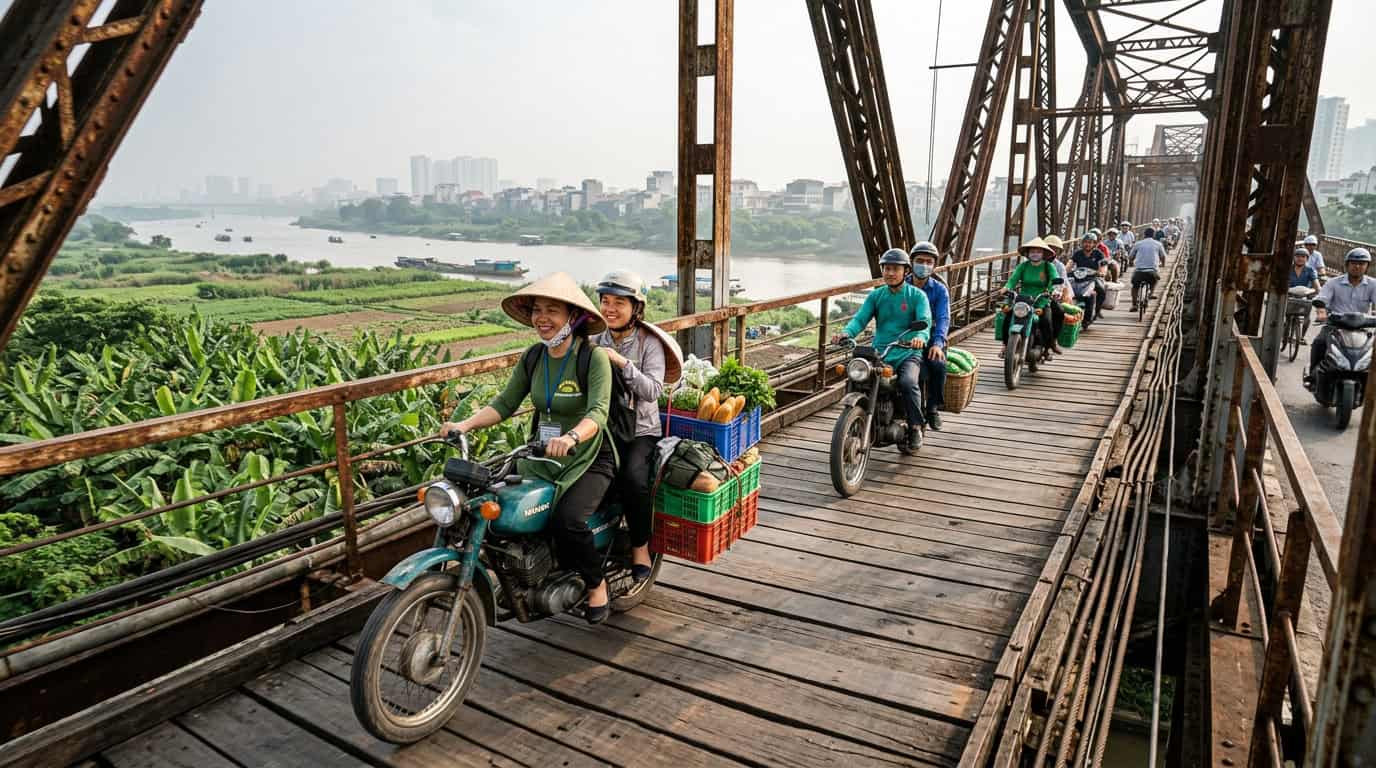
Leaving the bustling crowds of the Old Quarter behind, I hopped onto the back of a vintage motorbike to explore the serene lakeside vibe of the Trúc Bạch district. There is a certain magic in weaving through narrow alleyways while the wind cools the humid air, revealing a side of the city that feels authentic and untouched by typical tourist traps. My guide navigated the traffic with expert grace, eventually pulling up to a modest stall where the scent of frying dough signaled our arrival. We were here for Bánh Tôm, a local specialty consisting of golden, crispy shrimp fritters topped with whole, fresh lake shrimp. Dipping these crunchy delights into a tangy fish sauce filled with green papaya, I realized that the best flavors are often found far from the main stage.
Just a few blocks away, we settled into low plastic stools to sample Phở Cuốn, a refreshing dish that offers a modern twist on Vietnam’s most famous noodle soup. Instead of a hot broth, these delicate rolls feature wide sheets of steamed rice batter wrapped around savory stir fried beef and a bouquet of fresh herbs. It is the perfect antidote to a warm afternoon, providing a light yet flavor packed experience that highlights the incredible versatility of rice flour. Watching the street life drift by as I savored the cool mint and ginger notes, I felt a deep connection to the city’s evolving culinary identity. This journey beyond the city center proved that the true heart of the food scene lies in these quiet corners where tradition meets innovation.
Secret Alleyways And The Art Of Hyper Local Dining
To truly experience the soul of Hanoi, you have to set your alarm for 5:30 AM and embrace the cool morning mist of the narrowest corridors. While most tourists are still asleep, the secret alleyways of the Old Quarter transform into vibrant communal dining rooms where the air is thick with the scent of toasted rice and simmering pork bones. I found myself ducking under low hanging power lines and weaving through rows of parked motorbikes to find a tiny stall serving Cháo Sườn, a silky smooth pork rib porridge that feels like a warm hug in a bowl. Watching the vendor top each bowl with crispy fried dough sticks and a dusting of black pepper is a masterclass in local tradition. These hidden spots do not have menus or websites, but they offer a level of intimacy that you simply cannot find in the more polished restaurants of the city center.
The real magic happens when you transition from the savory porridge to a steaming plate of Xôi, the beloved Vietnamese sticky rice that fuels the morning rush. I remember sitting on a plastic stool no higher than my shins, tucked away in a passage so narrow I could touch both walls at once. The vendor expertly layered mung bean paste and crispy fried shallots over perfectly chewy grains, creating a texture profile that puts any gourmet brunch to shame. It is in these cramped, humid spaces that you see the local rhythm in its most authentic form, as locals and savvy travelers sit shoulder to shoulder to enjoy recipes passed down through generations. These breakfast tours are not just about the food, they are about witnessing the rhythmic heartbeat of a neighborhood before the rest of the world wakes up.
If you are planning your own sunrise food trek, my best advice is to look for the steam rising from the deepest parts of the alleyway. Do not be intimidated by the lack of English signage, as a simple smile and a point toward a bubbling pot are usually all you need to secure a world class meal. I always recommend carrying small bills of local currency, as these hyper local vendors rarely deal with cards or large denominations. It is also helpful to keep an eye out for where the oldest residents are congregating, as their presence is a guaranteed seal of approval for quality and tradition. Stepping into these hidden culinary gems allows you to escape the tourist crowds and discover the flavors that define the true identity of the city.
Planning Your Perfect Hanoi Culinary Itinerary
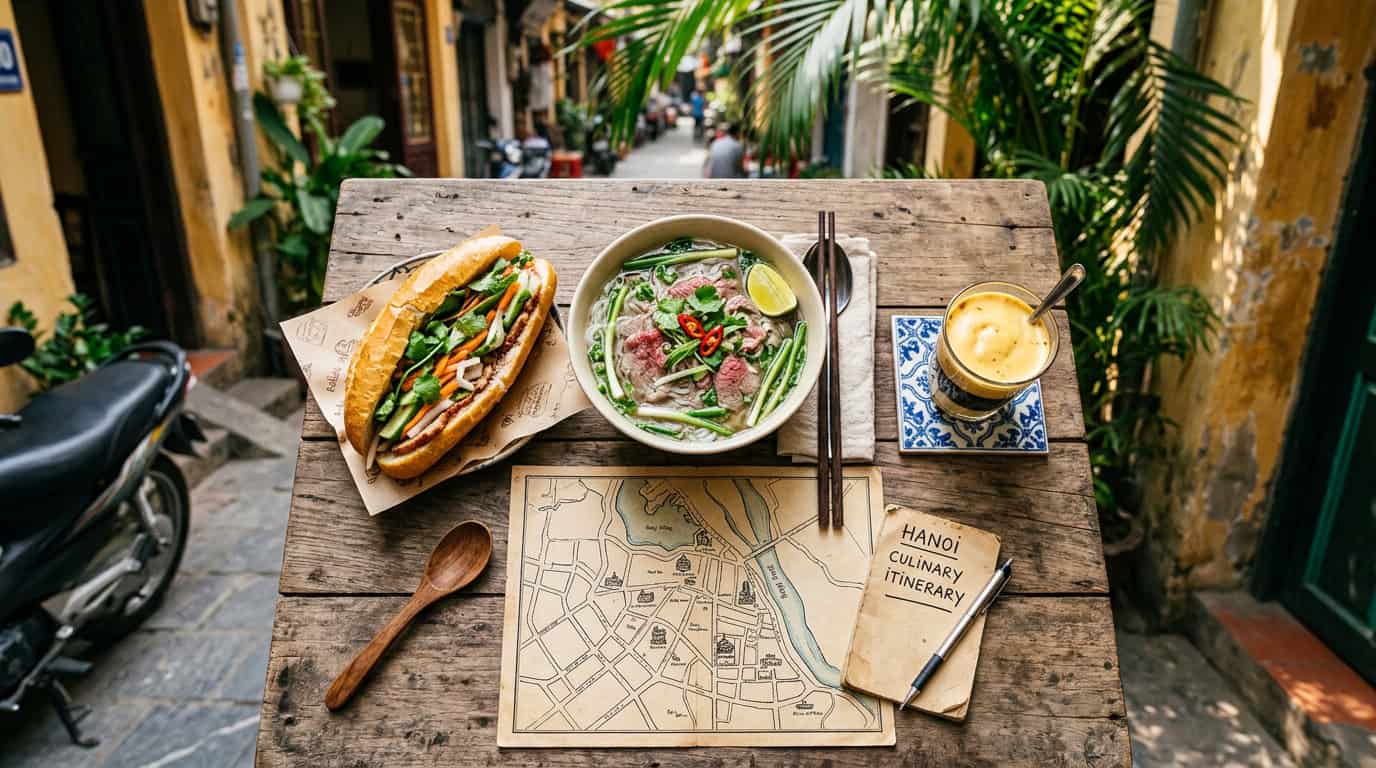
To build the ultimate culinary route, I recommend starting your morning early in the Old Quarter just as the city wakes up. Begin your journey at a local stall for Bánh Cuốn, where you can watch the chef expertly steam thin rice sheets over a stretched fabric pot before filling them with minced pork and mushrooms. By 8:00 AM, the humidity starts to rise, making it the perfect time to tuck into a bowl of Phở at a legendary street corner where the broth has been simmering since the previous night. I always tell my friends to look for the places where locals are perched on tiny plastic stools, as that is the truest sign of a high quality meal. This early start allows you to experience the breakfast culture before the midday heat and tourist crowds take over the narrow alleyways.
As the afternoon rolls in, transition your tour toward the scenic West Lake area to escape the frantic energy of the city center. This district is the birthplace of Bánh Tôm, crispy golden shrimp fritters that provide a satisfying crunch against the backdrop of the water. Follow this with a serving of Phở Cuốn, a refreshing rolled noodle dish that highlights the incredible freshness of Vietnamese herbs and tender beef. I love wandering through these quieter neighborhoods because you often stumble upon hidden gems that do not appear on standard tourist maps. While Hanoi is unique, those who enjoy savoring Seoul street food will find a similar passion for regional snacks and bustling market culture here. Make sure to pace yourself and share plates with your travel companions so you have enough room to sample everything from savory snacks to sweet treats.
To wrap up your evening like a seasoned traveler, head back toward the historic center for a legendary bowl of Bún Chả. There is something magical about the smell of grilled pork patties wafting through the air as the sun sets over the French Quarter. No food tour here is complete without a stop for Egg Coffee, a decadent local specialty that tastes more like a tiramisu than a traditional beverage. Many travelers find that after exploring the city, choosing the perfect voyage to nearby coastal wonders is the ideal way to unwind. My pro tip is to always carry small denominations of local currency and a pack of tissues, as these street side stalls are all about efficiency and flavor rather than fancy amenities. Ending your night with a cold drink while sitting on a street corner is the best way to soak in the vibrant, chaotic beauty of the Vietnamese capital.
Savoring the Soul of Hanoi’s Alleys
Reflecting on my time navigating the winding alleyways, I realize that these food tours are far more than just a sequence of delicious meals. Each bowl of steaming pho and every crispy shrimp fritter served on a plastic stool told a story about resilience and a profound respect for tradition. By stepping away from the typical tourist routes and following the lead of local experts, I discovered a side of the city that felt raw, authentic, and deeply welcoming. The flavors of charred pork and fresh herbs did not just satisfy my hunger, they completely reshaped my understanding of the culture as a vibrant, living history.
While I have spent years exploring street food scenes globally, the culinary environment here offers a unique kind of magic that you simply have to experience for yourself. Whether you are weaving through traffic on the back of a motorbike to find hidden gems in West Lake or waking up early to join the locals for a sunrise breakfast, the city rewards the adventure seekers at every turn. With the recent international fame of many humble street stalls, there has never been a better time to experience this gastronomic paradise. You should book your own tour today to see how a single bite of Banh Cuon can turn a simple trip into the journey of a lifetime. If you have more time in the north, following the ultimate sapa trekking guide is the perfect way to complement your urban food adventure with stunning mountain scenery.
Frequently Asked Questions
1. What is the best time of day to start a Hanoi food tour?
I always recommend starting your culinary journey as early as 6:00 AM to catch the city at its most authentic. This is when the air is filled with fresh steam from phở pots and you can witness the local rhythm before the midday heat sets in.
2. How has the Michelin Guide changed the street food scene in Hanoi?
The arrival of Michelin stars and Bib Gourmand awards has turned humble alleyways into world-class destinations. You can now follow the red plaques to find stalls where traditional recipes are honored with global recognition.
3. Is it better to stay in the Old Quarter or explore outer districts?
While the Old Quarter is a labyrinth of flavor, I have found that the most soul-stirring tastes often hide in the outer districts. Venturing toward the lakes for golden shrimp fritters offers a masterclass in texture that you simply won’t find in the main tourist hubs.
4. What should I look for when choosing a street food stall?
Look for the rhythmic precision of the chefs and a healthy crowd of locals sitting on tiny plastic stools. A clear, intensely savory broth and a focused menu are usually the hallmarks of a stall that has perfected its craft over decades.
5. Are the famous Michelin-rated spots worth the wait?
Absolutely, because these spots still prioritize the soul of the dish despite their newfound international fame. Sitting among a mix of locals and travelers to enjoy a legendary bowl of noodles is an incredible, bucket-list experience.
6. What is the best way to navigate the hidden food alleys?
The best way to uncover hidden gems is by motorbike, which allows you to zip through narrow alleys that cars can’t reach. Be prepared to get a little lost in the steam and scents, as that is often how you find the most memorable meals.
7. What are some must-try dishes on a Hanoi food tour?
You cannot leave without trying silk-thin rice rolls and a steaming bowl of traditional phở. I also suggest seeking out the crispy, golden shrimp fritters by the lakeside for a perfect balance of spice and crunch.