
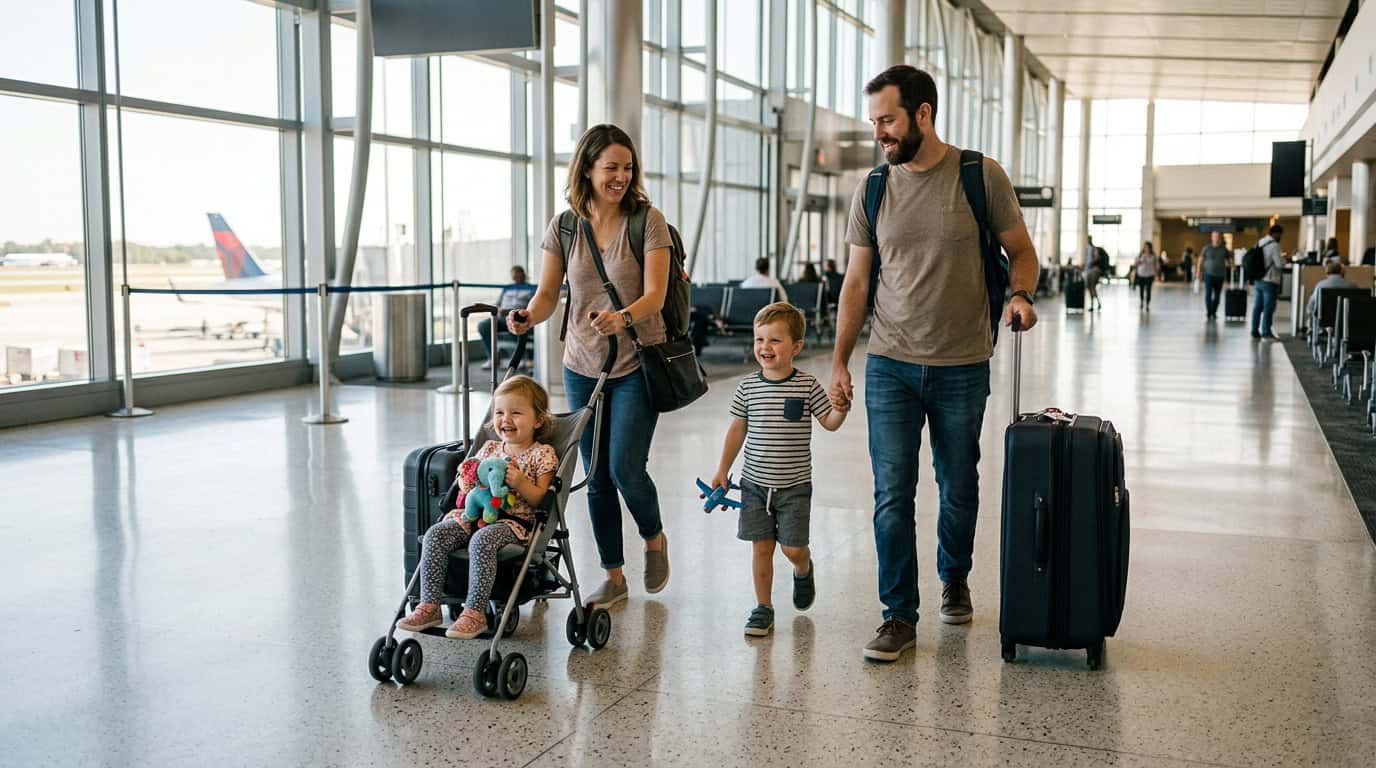
Traveling with toddlers can turn an ordinary trip into a collection of unforgettable moments, from tiny fingers pressed against an airplane window to sleepy snuggles in a new hotel room. I’ve found that the secret is not planning every minute, but preparing for the essentials: a properly fitted car seat, easy snacks and water, familiar sleep items, and a flexible routine. With those basics in place, our family spends less time managing surprises and more time discovering the world together.
Before we leave, I check airline seating rules, travel documents, destination health guidance, and car-seat requirements for every ride. At our hotel or rental, I inspect pools, balconies, stairs, and other hazards first, keeping water safety at the top of the list. Preparing for sun, heat, ear discomfort, illness, and unpredictable naps makes the journey smoother while leaving room for the joyful detours toddlers are sure to create.
Key Takeaways
- Prepare for toddler travel by confirming airline, documentation, car-seat, health, and destination requirements, while packing familiar snacks, water, comfort items, medications, and extra clothing.
- Prioritize safety at every stage: use a properly fitted car seat, inspect hotel and rental hazards, and keep toddlers within arm’s reach around pools, beaches, balconies, stairs, and busy streets.
- Build flexible days around your toddler’s rhythm by planning one major outing, allowing time for naps and free play, choosing stroller-friendly attractions, and leaving room for unexpected changes.
- Prepare for illness, heat, sun, insects, and dehydration with appropriate supplies, frequent fluids, safe food and water choices, travel insurance, emergency contacts, and clear guidance on when to seek medical care.
Toddler Friendly Flights And Airports
I prepare for toddler-friendly flights by packing for the airport, not just the time in the air. A small carry-on holds familiar snacks, a refillable water bottle for after security, a favorite comfort item, two changes of clothes, diapers, wipes, and simple activities such as stickers, books, and a drawing pad. When a delay turns a quick morning into an afternoon adventure, these familiar items help my toddler feel grounded in a busy terminal. I also allow extra time for security, keep our documents within easy reach, and explain each step in simple language so the process feels less surprising.
For children under age two, many airlines allow a lap child, but policies, fees, documentation, and seating rules vary, so I check directly before departure. Purchasing a separate seat can provide added safety and stability, especially when using a child restraint system approved for aircraft use by the FAA. I confirm the airline’s requirements before arriving at the airport. During boarding, I decide whether early family boarding will help us settle in or simply create more time in the confined cabin. For takeoff and landing, I offer a drink, snack, pacifier, or favorite chewy food if age-appropriate, since swallowing may ease pressure in little ears.
Protecting sleep starts before we reach the gate, so I choose flight times that fit as closely as possible with our toddler’s usual nap or bedtime. On one trip, we kept the preflight routine familiar with pajamas, a story, and the same small stuffed animal. That made an unfamiliar hotel room feel much more comforting later that night. I avoid overpacking activities and let my child move safely through the terminal when there is time, saving a few favorite surprises for the flight. Even when naps happen in a stroller or bedtime shifts by a few hours, a calm routine, dim surroundings, and realistic expectations can make the journey manageable for everyone.
Car Seats Hotels And Water Safety
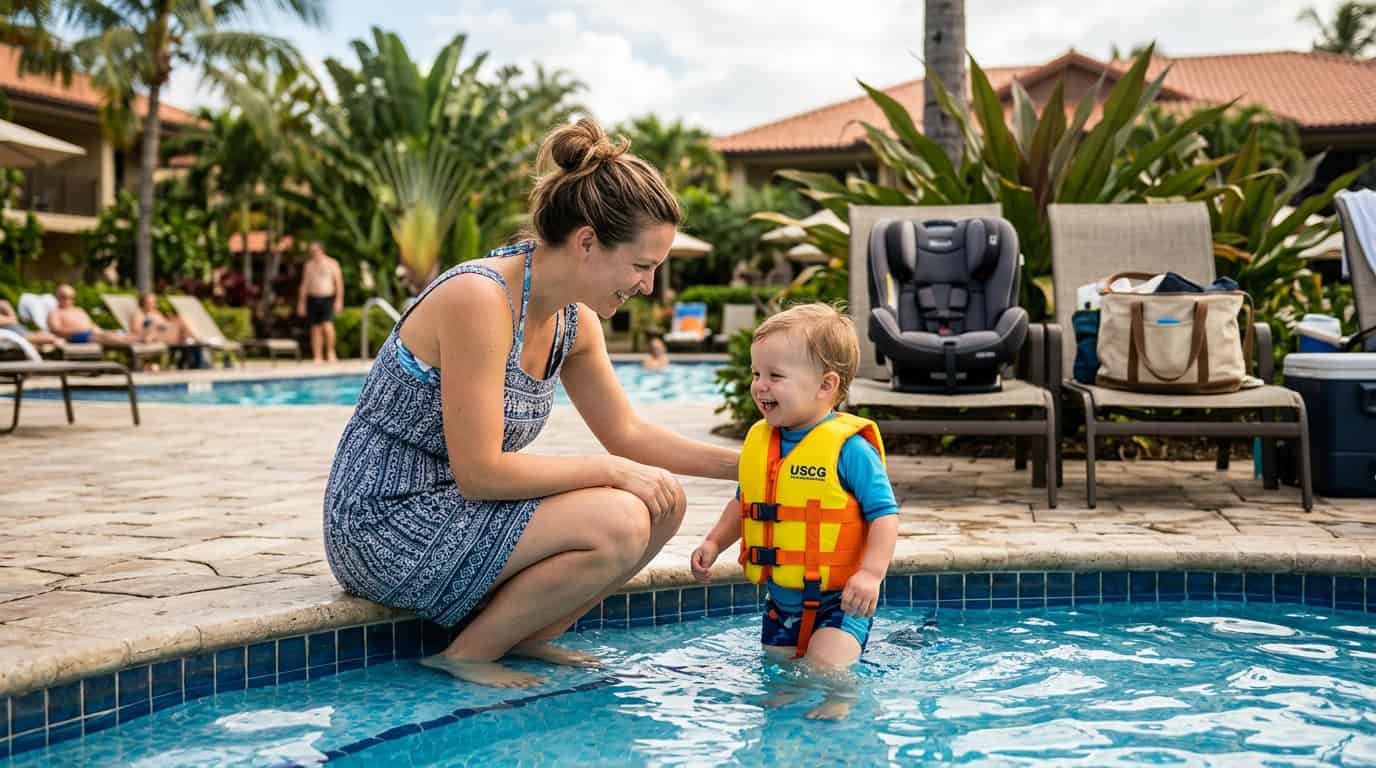
Before we leave home, I confirm the car-seat rules for our destination and ask the airline or transfer service exactly what equipment is available. For airport pickups, I arrange a vehicle with the right seat in advance or bring our own approved seat, since a tired toddler and a last-minute taxi are not a safe planning strategy. I check that the restraint fits my child’s height and weight, then install it carefully before the first ride, including short trips to dinner or the beach. Rental cars can be convenient, but I never assume the seat will be suitable, clean, or correctly installed. Knowing that our transportation plan is settled lets me enjoy the first glimpse of palm trees, mountains, or a new city without scrambling at the curb.
I treat every hotel room or vacation rental like a curious toddler’s adventure map and inspect it before unpacking. I look for unfenced pools, open balconies, accessible stairs, low windows, loose cords, sharp furniture, and anything small enough to become a choking hazard. I also confirm that the crib is sturdy and meets current safety standards. If a balcony or window feels risky, I request a different room or keep the area completely off-limits rather than trusting a quick fix. I move tempting objects out of reach, latch doors when possible, and create a simple safe zone where my toddler can play while I organize our bags. Those few minutes of checking help turn an unfamiliar room into a calmer home base for naps, snacks, and slow mornings.
Water safety stays at the center of our routine, whether we are beside a resort pool, exploring a lakeside rental, or dipping our toes into the sea. I keep my toddler within arm’s reach whenever we are near water and make sure another attentive adult is clearly responsible if I need to step away. Floatation toys are for fun, not supervision, so I use the correct child-sized life jacket for boating and other activities. I stay close even in shallow water. When we arrive, I locate the pool gate, emergency equipment, and nearest help point. With those habits in place, a sunny afternoon can remain joyful and unrushed, filled with splashing, sand, and memories instead of preventable surprises.
Toddler Pacing Meals And Sightseeing
When I planned a day in Washington, DC, I chose the National Museum of Natural History as our one major outing because its wide paths, elevators, family restrooms, and nearby open spaces made it manageable with a stroller. We arrived after breakfast, explored a few dinosaur exhibits, and followed my toddler’s curiosity instead of trying to see every gallery. I packed familiar snacks, a spill-resistant water bottle, and a small meal from home, so we could avoid a rushed restaurant stop when hunger arrived early. After lunch, we returned to our accommodation for a quiet nap and reset, treating rest as part of the itinerary rather than a detour.
In the late afternoon, we visited a nearby playground before wandering along the National Mall. My toddler watched ducks, pointed out statues, and discovered interesting leaves at a wonderfully slow pace. I look for attractions with smooth routes, reliable elevators, shaded benches, and easy access to parks. Then I balance one museum or landmark with plenty of free play. A stroller is useful for longer distances, but I still offer short stretches of walking so my child can explore safely and feel involved in the journey. Leaving an hour unplanned often creates the best memories, whether we stop for a familiar sandwich, watch a street performer, or pause to enjoy the destination together.
International Health And Travel Preparation
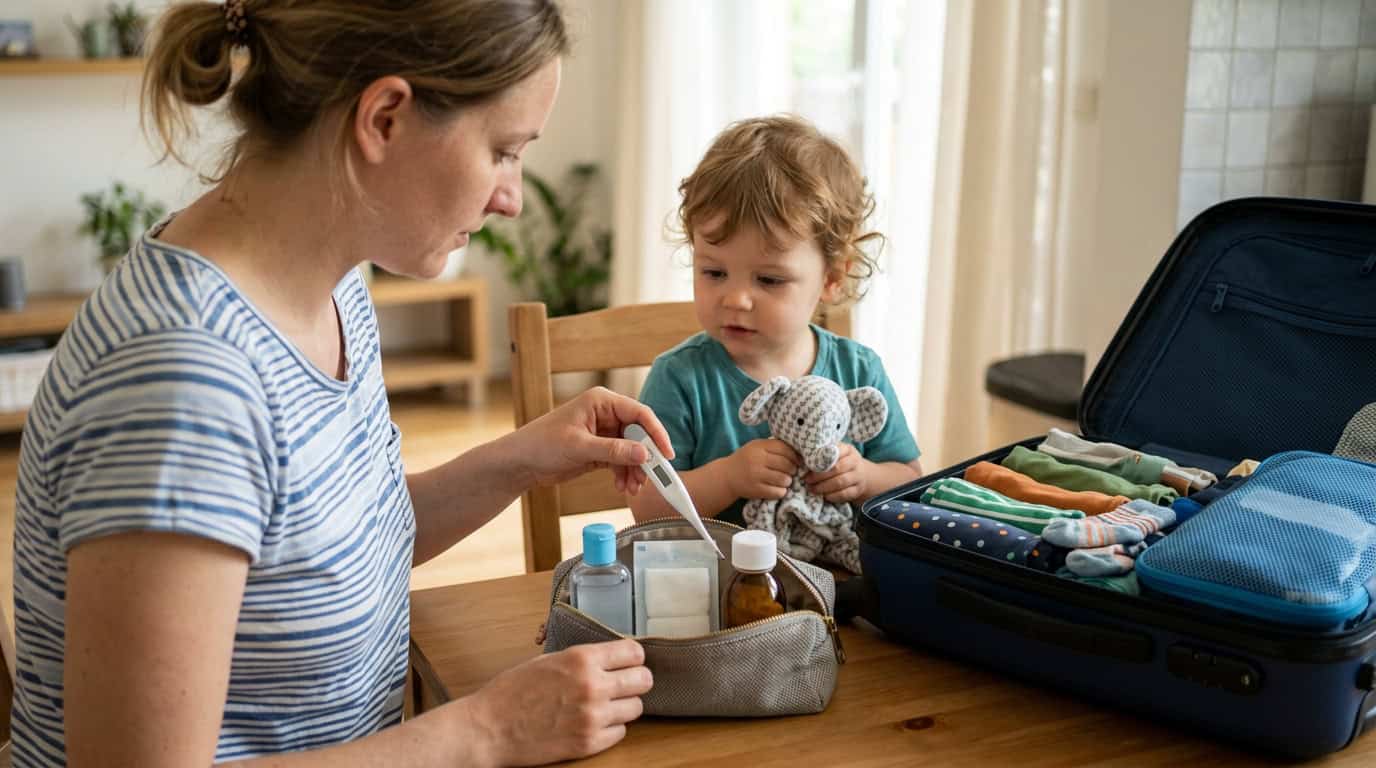
Before booking our flights, I check that every passport is valid for the destination’s required period. I then review visa, entry, vaccination, and child documentation rules. I also arrange travel insurance that covers medical care and, when appropriate, evacuation, since a routine clinic visit can be surprisingly expensive abroad. A few weeks before departure, I ask our pediatrician whether our toddler needs destination-specific vaccines, malaria advice, or adjustments to routine care. I share our itinerary, including remote areas and planned activities. This appointment is also a good time to confirm that regular prescriptions are safe to bring, packed in original labeled containers, and carried in our hand luggage with extra doses. Keeping familiar sleep, snack, and medication routines makes a long flight and the first few days in a new place much easier.
My compact health kit usually includes a thermometer, bandages, antiseptic wipes, oral rehydration solution, age-appropriate fever medicine, prescribed medication, and a small supply of diapers or wipes for delays. For sun and insects, I pack lightweight long sleeves, a hat, shade for outdoor naps, sunscreen suitable for my child’s age, and repellent used exactly as the label directs. I offer fluids often in hot weather, choose safe drinking water, and introduce unfamiliar foods slowly rather than turning every market treat into a full meal. If diarrhea or vomiting starts, I focus on small, frequent sips of oral rehydration solution and contact our pediatrician for advice, especially if symptoms continue or my toddler is drinking poorly. I also plan sightseeing during cooler hours and build in shaded breaks because a slower itinerary is far more enjoyable than pushing through heat, fatigue, or an upset stomach.
I keep local emergency numbers, our accommodation address, and our pediatrician’s contact details saved offline before we leave. I seek urgent medical care for trouble breathing, a seizure, unusual difficulty waking, severe dehydration, bloody diarrhea, persistent vomiting, or a child who seems seriously unwell. Markedly reduced urination, a very dry mouth, no tears, or worsening sleepiness can signal dehydration and should not be dismissed as travel fatigue. For less urgent concerns, such as fever, a spreading rash, ongoing diarrhea, or possible exposure to an infection, I call the pediatrician promptly and describe the temperature, symptoms, fluids, and medications given. That preparation lets me enjoy colorful street scenes, gentle beach walks, and slow family meals with confidence while knowing when a health concern needs professional attention.
Travel Safely and Keep Toddlers Comfortable
Traveling with toddlers works best when I treat safety and rhythm as the foundation of the trip. I use the correct car seat on every ride, confirm airline and destination requirements in advance, and keep my toddler within arm’s reach near pools, beaches, balconies, and busy streets. I also pack familiar snacks, water, medicines, and a few comforting items so flights, hotel stays, and restaurant meals feel less disruptive. A predictable pattern, such as breakfast, one outing, a midday rest, and an early dinner, gives everyone a welcome sense of calm.
At the same time, I have learned to leave plenty of room for plans to change. On one trip, we skipped a crowded museum after a difficult morning and spent the afternoon sharing fruit in a sunny plaza. It became one of our favorite memories. A flexible itinerary makes space for naps, slow meals, playground stops, and unexpected discoveries without turning each delay into a crisis. When transportation is safe, supervision is close, and the day follows a familiar pace, even simple moments, such as watching boats from a quiet harbor, can become the memories our family treasures most.