
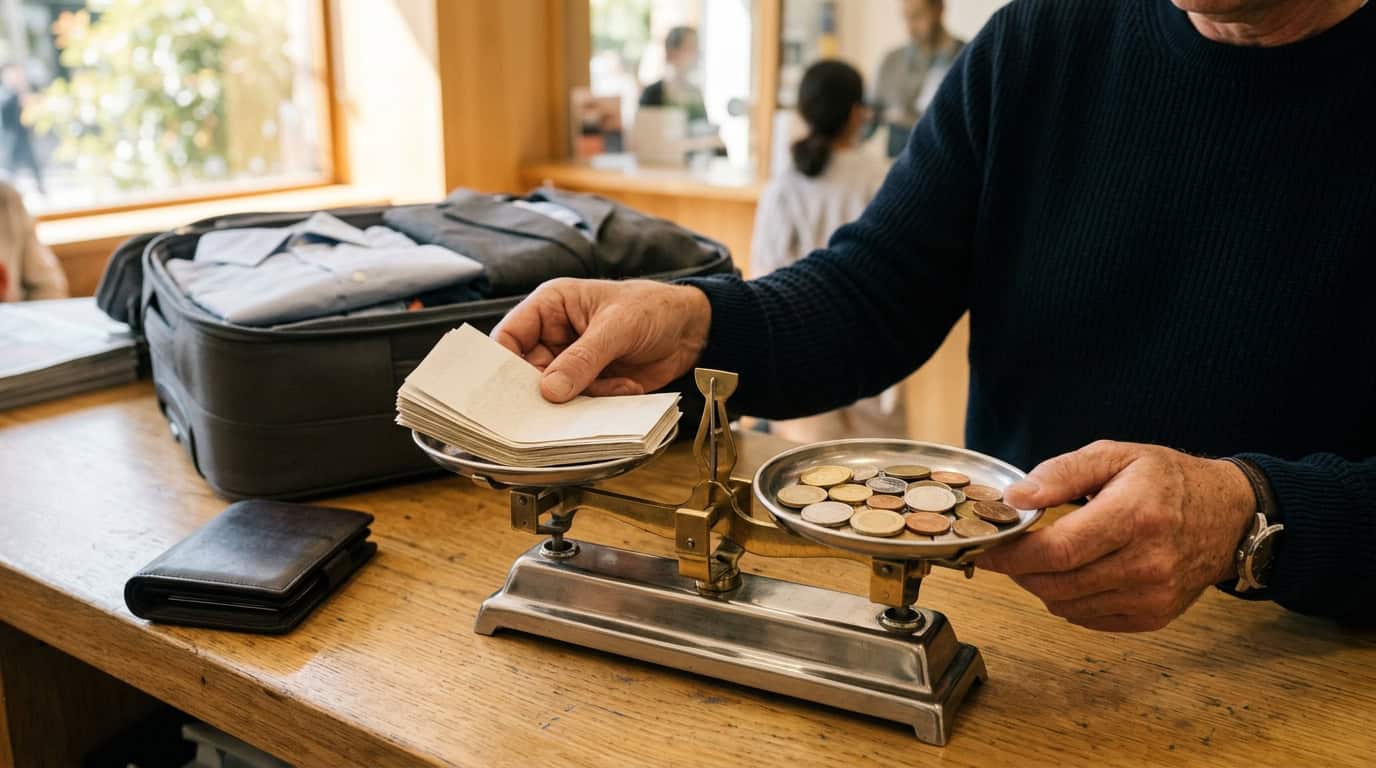
A great trip can lose its sparkle when unexpected exchange fees chip away at your spending money. I’ve learned that the best currency exchange tips are often simple: pay in the local currency with a card that charges no foreign transaction fee, use a bank-affiliated ATM for cash, and look beyond advertised fees to the total cost. A little planning can mean more café breakfasts, scenic train rides, and unforgettable moments.
Whether I’m wandering through a bustling market or sending money across borders, the exchange rate I see online may not be the rate I receive. Comparing the final amount, watching for hidden charges, and carrying a small cash reserve can help me travel with confidence. That way, my money goes further toward the experiences that brought me there.
Key Takeaways
- Pay in the local currency with a card that has no foreign transaction fee, and decline dynamic currency conversion to avoid unfavorable merchant or ATM exchange rates.
- Compare the total cost of each exchange option, including exchange-rate spreads, service fees, ATM charges, and intermediary costs. For transfers, judge providers by the final amount the recipient receives rather than the advertised fee.
- Use bank-affiliated ATMs in secure locations, avoid airport and tourist-area exchange counters when possible, and withdraw only the cash you need.
- Match your payment strategy to the destination by carrying a modest local-currency reserve, keeping backup payment methods and emergency funds separate, and planning for cash-heavy or unreliable-payment environments.
Introduction To Currency Exchange Tips
On my first morning abroad, I withdrew a modest amount of cash for breakfast and a train ticket, only to discover an unexpected ATM fee that made my coffee feel remarkably expensive. That moment taught me that currency exchange costs can hide beyond the rate displayed on a screen. Banks, card issuers, ATM owners, and exchange counters may each add a fee or build a markup into the exchange rate. A few minutes of planning before departure can protect more of my budget for scenic rail rides, local meals, and unforgettable experiences.
I now compare the total cost before exchanging money, including the exchange-rate spread, stated fees, and possible third-party charges. When paying by card, I choose the local currency instead of accepting a conversion into my home currency, since that option can include an unfavorable rate set by the merchant or payment terminal. I also look for a card with no foreign transaction fee and check its travel policies before leaving. These small choices help me spend with confidence while exploring everything from lively markets to quiet neighborhood cafés.
Cash planning matters just as much as card selection, especially when I’m visiting smaller towns, using public transportation, or arriving late at night. Before I travel, I check where bank-affiliated ATMs are located, estimate how much cash I may need, and avoid exchanging a large amount at the airport unless convenience truly outweighs the cost. For international money transfers, I compare the final amount the recipient receives rather than focusing only on the advertised fee. With the right preparation, currency exchange becomes one less surprise and one more way to keep a trip on budget.
Compare Exchange Rates And Fees
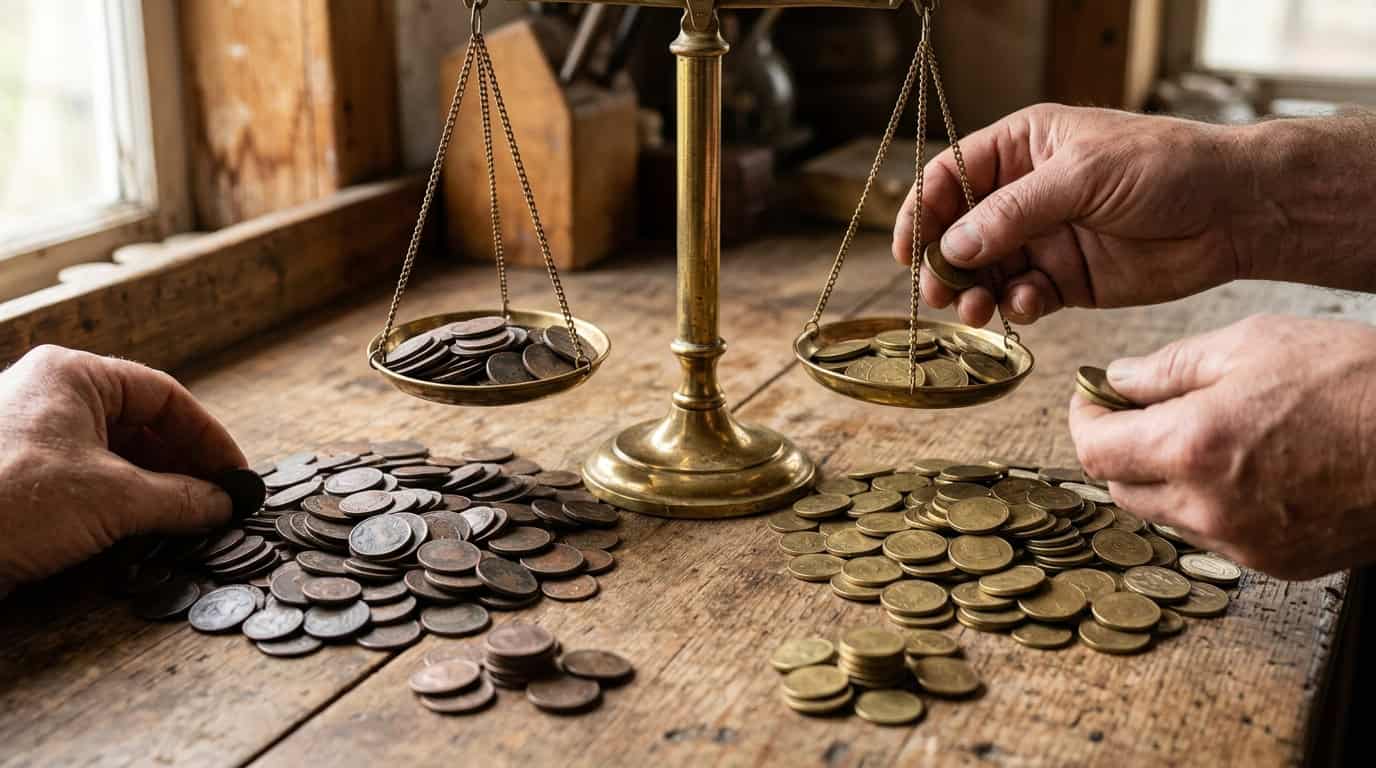
Before exchanging money, I check the mid-market rate, which is the midpoint between the rates used when currencies are bought and sold in larger markets. It gives me a useful benchmark, but it is not usually the rate a traveler receives at a bank, airport counter, ATM, or transfer provider. The difference between that benchmark and the offered rate is the exchange-rate spread, and it can quietly cost more than a clearly listed fee. For example, an airport counter may advertise convenient service while building a wide spread into its rate. I use currency apps to estimate the value, then confirm the actual rate and total cost before committing.
The final amount received matters more than a “no-fee” promise, so I compare like-for-like amounts whenever possible. I look at the exchange rate, fixed service fee, percentage fee, ATM-owner charge, and any possible recipient-bank or intermediary costs. At an ATM, I usually choose a bank-affiliated machine, decline dynamic currency conversion, and select the local currency when the screen gives me a choice. When paying for a sunset dinner in a seaside town or buying a train ticket at a busy station, I also use a card with no foreign transaction fee if available. These small decisions help me avoid paying extra for convenience.
When sending money internationally, I enter the same sending amount into each option and compare exactly how much the recipient will get after every deduction. A provider with a visible fee can still be cheaper than one claiming zero fees if its exchange-rate spread is narrower. I also check whether the quoted rate is guaranteed for a limited time, since rates can change before the transfer is completed. For everyday travel, my usual approach is simple: pay in local currency with a fee-friendly card, withdraw cash only when needed, and keep a backup payment method secure. A few minutes of comparison before departure can leave more room in my budget for local markets, scenic detours, and memorable meals.
Use Travel Cards In Local Currency
I use a travel card with no foreign transaction fees whenever I can, especially for larger purchases such as hotels, train tickets, and tours. At checkout, I choose to pay in the destination’s local currency rather than accept a conversion into my home currency. That home-currency option, often called dynamic currency conversion, may look convenient, but it can include an unfavorable exchange rate and extra markup. Paying in local currency usually lets my card network handle the conversion at a more competitive rate, helping me avoid unnecessary costs while keeping the payment simple.
Before I leave, I notify my bank of my travel dates and destinations, confirm my card’s international settings, and save the bank’s contact information somewhere secure. I also pack a backup card separately from my wallet, since a misplaced card or blocked transaction should not derail an afternoon exploring colorful markets or quiet coastal villages. For cash, I look for bank-affiliated ATMs and review the fee and exchange-rate details before completing a withdrawal. If the ATM offers to convert the withdrawal into my home currency, I generally decline and continue in the local currency.
Card acceptance can vary from a bustling city café to a family-run shop on a mountain road, so I check ahead when planning meals, taxis, and smaller purchases. Restaurants and taxis may accept cards in popular tourist areas, while small shops, market stalls, public buses, and rural businesses often prefer cash. I carry a modest amount of local currency for these moments, but avoid exchanging large sums at airports or tourist counters unless I have compared the total amount I will receive. A little preparation gives me more freedom to follow a glowing sunset, order a last-minute meal, or hop into a local taxi without worrying about avoidable exchange costs.
Choose Safer ATMs And Cash Options
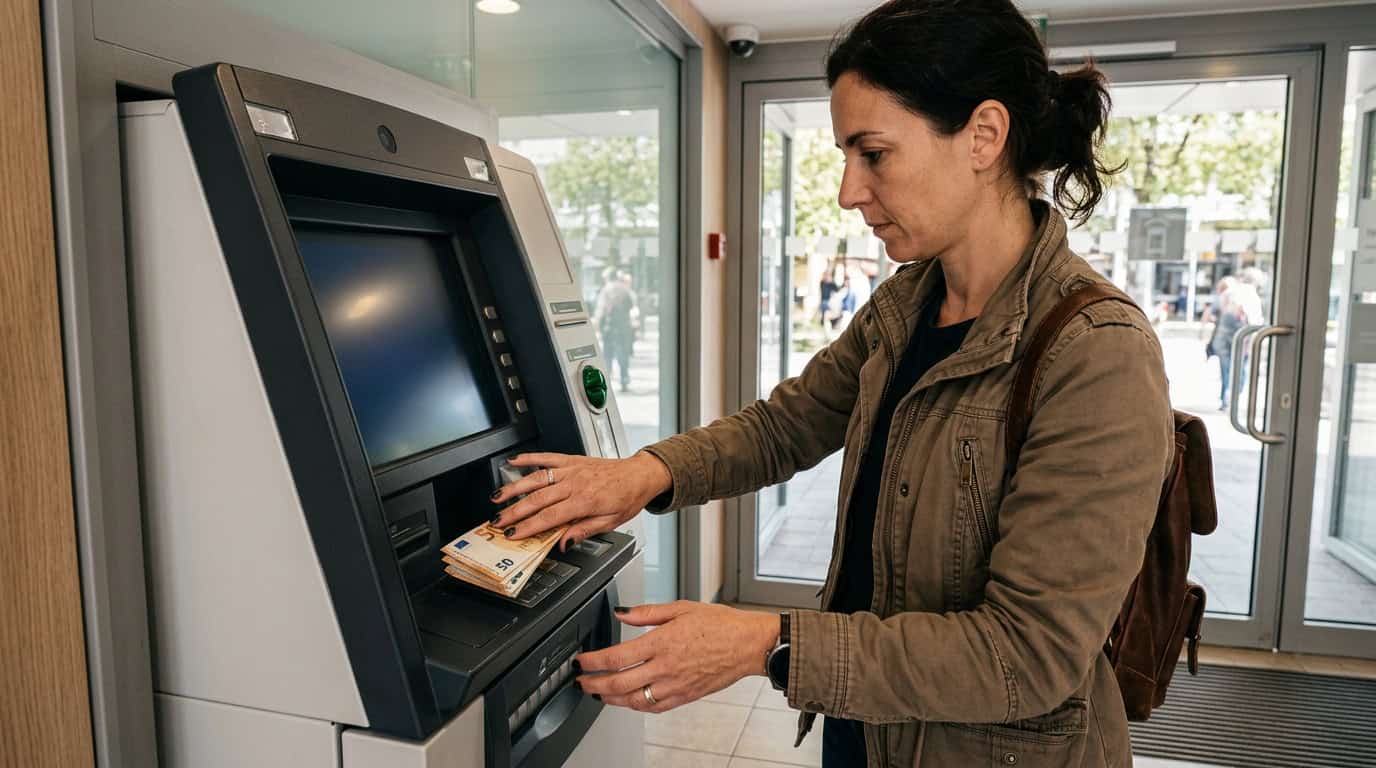
I usually choose a bank-affiliated ATM in a busy, well-lit area when I need local cash because it is often safer and less expensive than an airport machine. Airport ATMs and independent exchange kiosks are convenient after a long flight, but their operator fees and exchange-rate markups can make a small withdrawal surprisingly costly. Before confirming, I check the fee, review the exchange rate, and look for any warning that the machine is adding a separate service charge. If the ATM offers to convert the withdrawal into my home currency, I decline dynamic currency conversion and choose to be charged in the local currency instead. My card issuer may then apply its own fee, so I also travel with a card that has no foreign transaction fee whenever possible.
For arrival day, I plan to withdraw only enough for transportation, a meal, and small purchases instead of carrying a large amount through an unfamiliar city. That modest cushion is useful when a taxi driver, market vendor, or small café accepts cash only, while I use a card for the rest of my spending. I avoid exchanging money at the airport unless I need a small emergency amount, and I compare the total cash received after all fees instead of focusing on a tempting advertised rate. Local bank branches or reputable, clearly marked exchange counters in town may offer better terms, but I count the money before leaving and keep the receipt until the transaction is complete.
A little preparation helps me enjoy the first view of a new destination without worrying about my wallet. I store emergency funds separately from my everyday cash, such as in a concealed pouch or locked room safe, and keep a backup payment method apart from my primary card. I also notify my bank about my travel dates, save its international contact number, and check my account alerts before departure. With a small arrival-day cash reserve, local-currency card payments, and a cautious approach to ATM prompts, I can spend more confidently on the experiences that brought me there.
Match Currency Plans To Destinations
I match my currency plan to the destination rather than assuming one approach works everywhere. In card-friendly European capitals, I usually pay in the local currency with a card that does not charge foreign transaction fees, while keeping a small amount of cash for markets, cafés, and transit machines. I always decline dynamic currency conversion when a terminal or ATM asks whether I want to be charged in my home currency because the offered exchange rate may include an extra markup. Before leaving, I check my card’s fees, notify my bank if needed, and identify a bank-affiliated ATM near my arrival point.
Cash-heavy markets require more preparation, especially when vendors, taxis, or small restaurants cannot make change for large notes. I once arrived with plenty of money but almost no small bills, and a simple snack purchase became an awkward search for someone who could break my note. Now I exchange or withdraw a modest amount in smaller denominations, then replenish gradually rather than carrying my entire travel budget. I also research local payment customs and keep backup cash separate from my wallet, along with a second payment method in case a card is lost or declined.
Remote destinations with unreliable connectivity call for extra caution, since card terminals and mobile payment apps may stop working without warning. For those trips, I carry enough local currency for the next day or two of transportation, meals, and essential activities, but avoid exchanging far more than my itinerary requires. At airports and hotel desks, I compare the total amount I will receive, including the exchange rate and any stated fees, instead of choosing the counter with the boldest advertised rate. A quick plan for where I will need cash helps me spend confidently while reducing unnecessary exchange costs and the risk of ending a trip with a wallet full of unusable currency.
Final Currency Exchange Tips
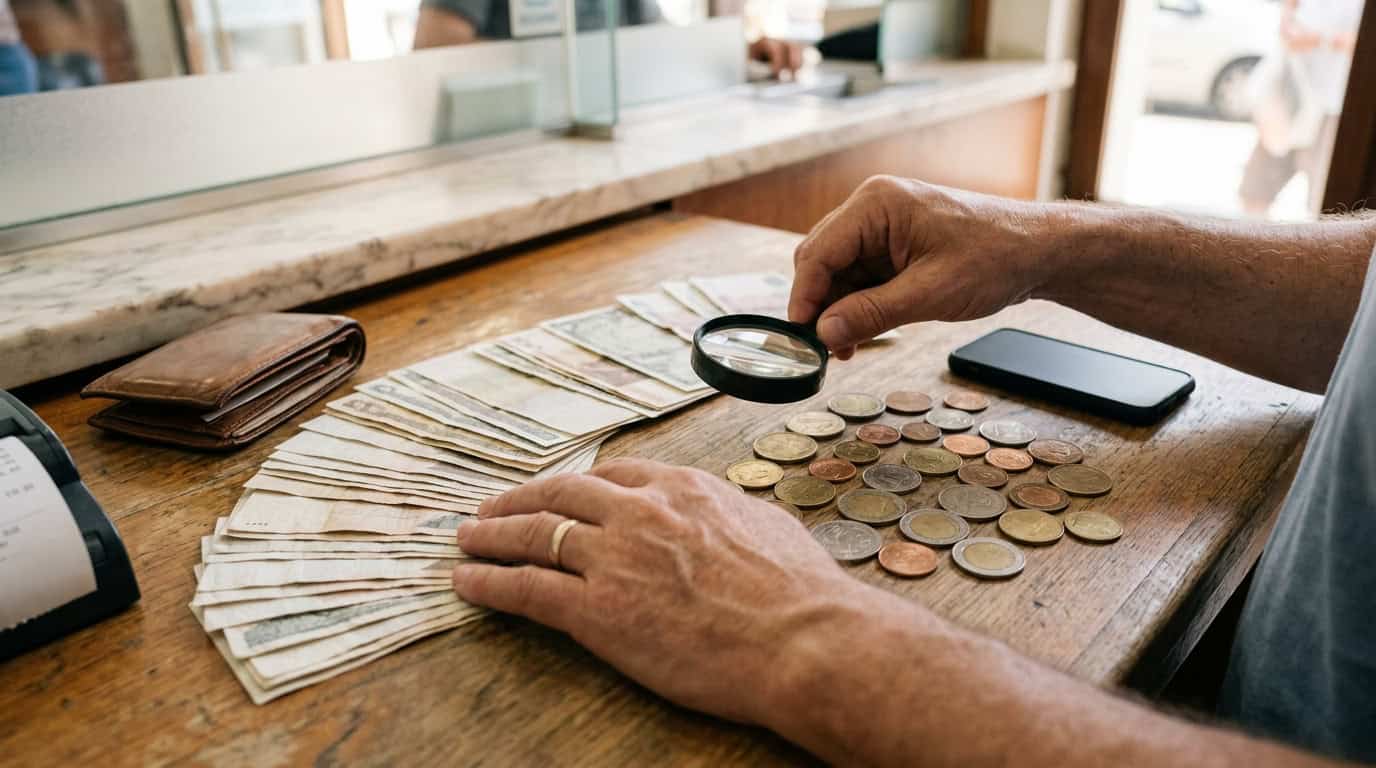
I save money abroad by choosing to pay in the local currency whenever a card terminal gives me the option. Dynamic currency conversion may look convenient, but it often includes an unfavorable exchange rate, while my card network may provide a better conversion. Before leaving home, I check that my card has no foreign transaction fee and confirm how cash withdrawals are charged. This small bit of preparation helps me spend more confidently, whether I am ordering a seafood lunch by the harbor or browsing a lively market.
When I need cash, I use an ATM attached to a reputable local bank and avoid standalone machines in busy tourist areas whenever possible. I read the screen carefully, decline unnecessary conversion offers, and review any displayed fee before completing the withdrawal. I also compare the full exchange cost, including the exchange-rate spread, card or ATM fees, and possible third-party charges, rather than judging an option by its advertised fee alone. For international money transfers, I focus on the final amount the recipient receives, since a low upfront fee can still come with a less favorable rate.
A few minutes of planning can leave more room in my travel budget for memorable meals, scenic detours, and unexpected invitations to explore. I keep a small amount of local cash for markets, transit, and places that do not accept cards, while relying on a fee-friendly card for most everyday purchases. With these habits in place, currency exchange becomes a simple part of trip planning instead of a source of confusion. The savings may seem modest one transaction at a time, but together they can help turn an ordinary getaway into a richer, more meaningful journey.
Save Money with Smarter Currency Choices
I have found that the simplest way to avoid unnecessary travel costs is to pay in the local currency with a card that does not charge foreign transaction fees. When a terminal asks whether I want to pay in my home currency, I choose the local option because the merchant’s conversion rate is often less favorable. For cash, I use a bank-affiliated ATM in a secure, well-lit location and decline unnecessary conversion offers when prompted. Before leaving home, I also check my card’s international fees and notify the issuer of my travel dates, so a small purchase at a seaside café does not become an unexpected problem.
For international money transfers, I compare the amount the recipient receives rather than focusing only on the advertised fee. A low upfront charge can still hide a wide exchange-rate spread or additional bank costs, so I look at the complete price before confirming. Carrying a small emergency amount of local cash is helpful, but I avoid exchanging large sums at airports or tourist-heavy counters unless convenience is worth the premium. With a little preparation, I can spend less time worrying about currency and more time enjoying colorful markets, quiet streets, and the unforgettable moments that make a journey worthwhile.