
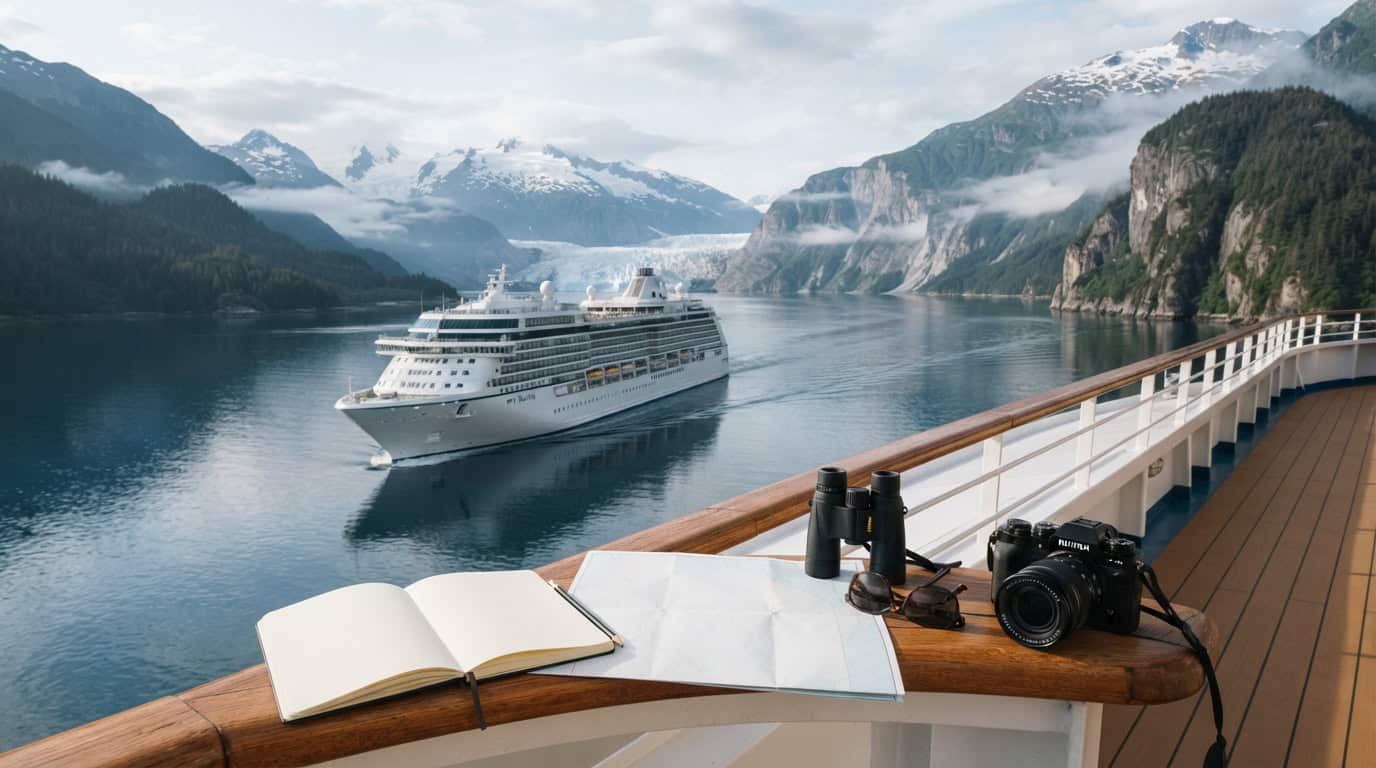
Planning an Alaska cruise starts with one big question: what do I want to remember most, the thunder of a glacier calving, a whale surfacing beside the ship, or a quiet morning in a coastal town? I’ve found that choosing the right season, itinerary, and shore excursions can turn a beautiful trip into an unforgettable one. With the main sailing season running from June through August, booking early can help me secure the dates and experiences I want.
I still remember watching mist lift from the Inside Passage as forested mountains appeared beyond the railings. It felt as though the wilderness had its own timetable. From Juneau’s glacier views and wildlife excursions to Skagway’s Gold Rush history and Ketchikan’s rainforest trails, every port offers a different way to experience Alaska. Planning around weather, packing, cabin location, and pre- or post-cruise stays makes it easier for me to slow down and take it all in.
Key Takeaways
- Choose your cruise season and route based on your priorities: June through August offers longer daylight and more activity but higher prices and crowds, while May and September are quieter and often more affordable. Round-trip Inside Passage itineraries offer simplicity, while one-way cruises through Seward or Whittier make it easier to add Anchorage and Denali.
- Book early for Glacier Bay, Hubbard Glacier, whale watching, train rides, and other popular excursions, especially during the peak summer season. Match each activity to your interests and fitness level, and leave at least an hour of buffer before the ship’s all-aboard time.
- Prepare for rapidly changing conditions with moisture-wicking layers, warm fleece, waterproof outerwear, sturdy shoes, gloves, a hat, and extra socks. Choose a balcony or convenient viewing area for scenery, and consider a lower, centrally located cabin plus motion-sickness remedies for rougher open-water segments.
- Extend a one-way cruise with six to eight nights in Anchorage and Denali to experience Alaska’s inland landscapes, wildlife, rail journeys, and cultural attractions. Build flexibility into the land itinerary and arrive at the embarkation port at least one day before departure.
Choosing Alaska Cruise Dates And Routes
I plan an Alaska cruise around the season first, since sailings generally run from late April or May through September or October. June through August brings the busiest period, longer daylight, and a lively atmosphere in port, but it can also mean higher fares and more crowded excursions. May and September often offer better value and a quieter feel, although temperatures can be cooler and some attractions may have limited schedules. By late September and into October, fewer sailings operate, so I check each itinerary carefully before committing. Whatever month I choose, I pack layers and waterproof outerwear because sunshine, rain, and chilly conditions can arrive on the same day.
A round-trip Inside Passage cruise from Seattle or Vancouver is an easy choice when I want to begin and end in the same city, often with stops such as Juneau, Skagway, and Ketchikan. These routes are especially convenient for a first Alaska visit, since I can focus on dramatic scenery without arranging separate transportation between airports and ports. Cross-gulf itineraries connect a port such as Seward or Whittier with Vancouver or Seattle, creating a one-way journey through the Inside Passage and Gulf of Alaska. I prefer this option when I want to add time on land, since Seward and Whittier provide gateways to Anchorage, Denali, and other interior adventures. I always compare transportation details, luggage plans, and the direction of the sailing before booking.
The scenery often determines which route I choose, especially when Glacier Bay or Hubbard Glacier appears on the schedule. Glacier Bay can fill an entire day with snowy peaks, tidewater glaciers, and the possibility of spotting seals or whales, while Hubbard Glacier offers an unforgettable view of blue ice calving into the sea. Scenic sea days are not empty days to me. They give me time to watch for wildlife, photograph changing mountain light, and stand on deck with a warm drink. I also reserve popular excursions early, particularly from June through August, and leave room before or after a one-way cruise for Anchorage or a Denali extension. That extra time transforms a shipboard vacation into a broader Alaska journey, linking the coastal wilderness with the vast landscapes inland.
Selecting Cabins And Preparing For Weather
Choosing the right cabin can shape how I experience an Alaska cruise. I favor a balcony when scenery is the priority, since I can step outside for quiet views of mountains, ice fields, and passing wildlife without leaving my room. Ocean-view cabins offer natural light and scenery through a window, while interior cabins keep costs lower and can be comfortable for travelers who plan to spend most of their time exploring the ship and ports. Suites provide extra space and often feel especially worthwhile on longer sailings or for families who want room to relax. I also consider the ship’s route and viewing areas before booking, because a convenient location can matter as much as the cabin category.
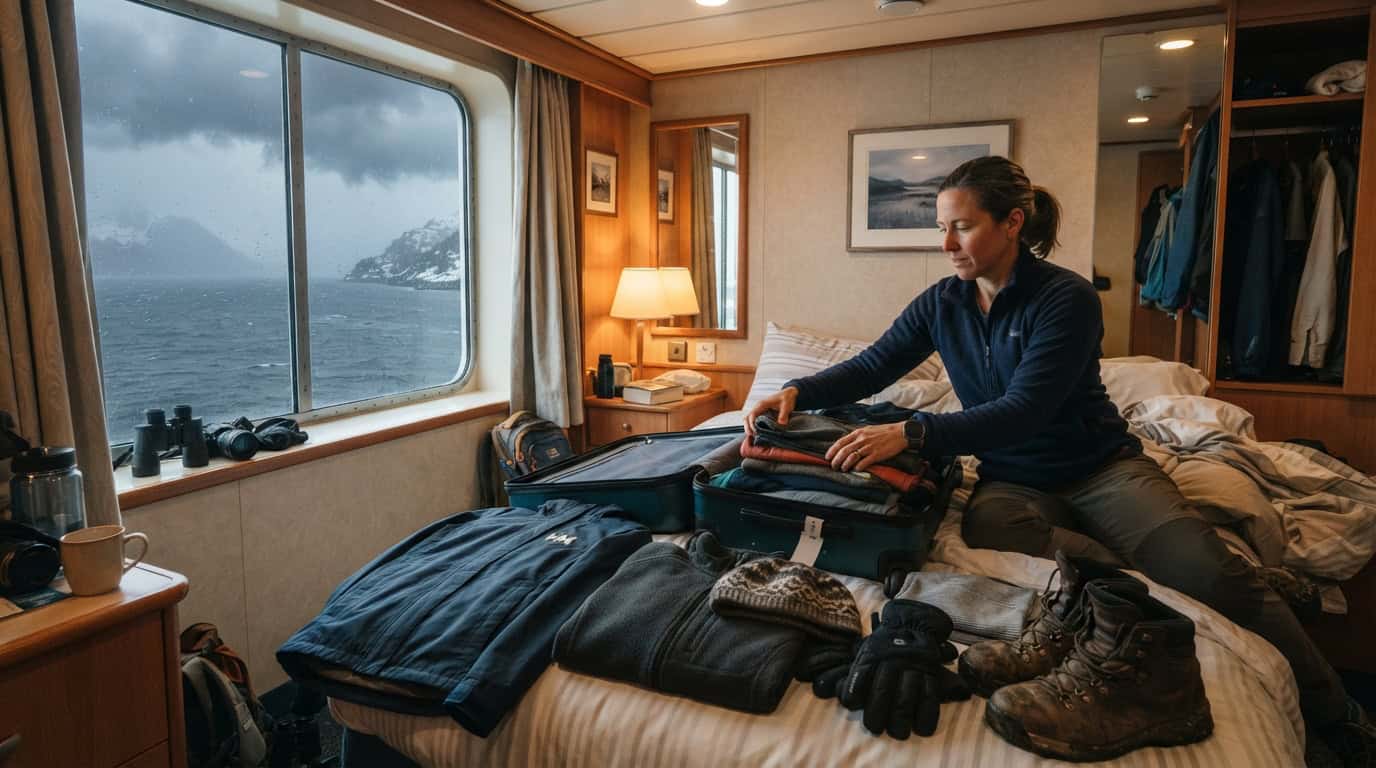
Alaska’s summer weather can change quickly, so I pack for sunshine, rain, wind, and cool mornings on the same day. My most useful approach is layering. I start with moisture-wicking clothing, add a warm fleece or sweater, and finish with a waterproof jacket and pants. Comfortable waterproof shoes, gloves, a warm hat, and extra socks make deck time much more enjoyable when the ship approaches a glacier. I keep binoculars within easy reach, since bald eagles, whales, sea otters, and mountain goats may appear for only a few remarkable seconds. Even during the main season from May through September, I check the forecast for each port rather than assuming one outfit will work everywhere.
Motion-sickness planning is another small step that can protect a big part of the trip, especially on open-water stretches or cross-gulf itineraries. I usually pack any preferred remedies in advance, choose a cabin near the ship’s center and on a lower deck when possible, and spend the early hours outside in fresh air while watching the horizon. For wildlife and glacier viewing, I keep my camera and binoculars ready, but I also pause to take in the deep blue ice, thunderous calving, and surrounding silence. When the ship reaches a scenic area, I look for outdoor decks with broad sightlines, then return to my balcony or a warm observation space if the wind picks up. Planning a few comfortable viewing options means I can stay present for the moments that make Alaska unforgettable.
Planning Alaska Port Excursions
Juneau is the ideal place to pair wildlife and glacier scenery, so I like to combine a whale-watching trip with time at Mendenhall Glacier when the schedule allows. In Skagway, a scenic railway journey through steep mountain valleys offers a memorable experience, while a historic walking tour or scenic hike provides a slower alternative. I usually compare cruise-line excursions with independent operators by checking cancellation policies, group size, transportation details, and the distance between the meeting point and the pier. Cruise-line tours can offer extra reassurance when timing is tight, while independent excursions may provide more flexibility, smaller groups, or a more personal experience.
Ketchikan brings a different kind of magic, with colorful waterfront buildings, salmon streams, cultural sites, and lush rainforest walks close to town. Sitka is a wonderful choice for travelers who want a quieter blend of coastal scenery, wildlife, and local history, and I enjoy leaving room for an unhurried walk instead of filling every minute with scheduled activities. At Icy Strait Point, whale watching is a standout, but forest trails and shoreline viewpoints can be just as rewarding for anyone who prefers a peaceful day outdoors. Before booking, I match each outing to my interests and fitness level, paying attention to walking distances, uneven paths, stairs, boat conditions, and the amount of time spent outside.
No matter which Alaska ports are on my itinerary, I build in a generous return-to-ship cushion because weather, traffic, and delayed transportation can quickly change the schedule. I favor excursions that return at least an hour before departure, and I confirm the all-aboard time directly in the daily program rather than relying on memory. For popular activities such as glacier visits, train rides, and whale watching, reserving early is wise, especially during the busy June through August season. A little planning leaves me free to enjoy the details, from mist rising over a rainforest trail to the sudden sight of a humpback breaching beside the boat.
Extending The Cruise Through Anchorage And Denali
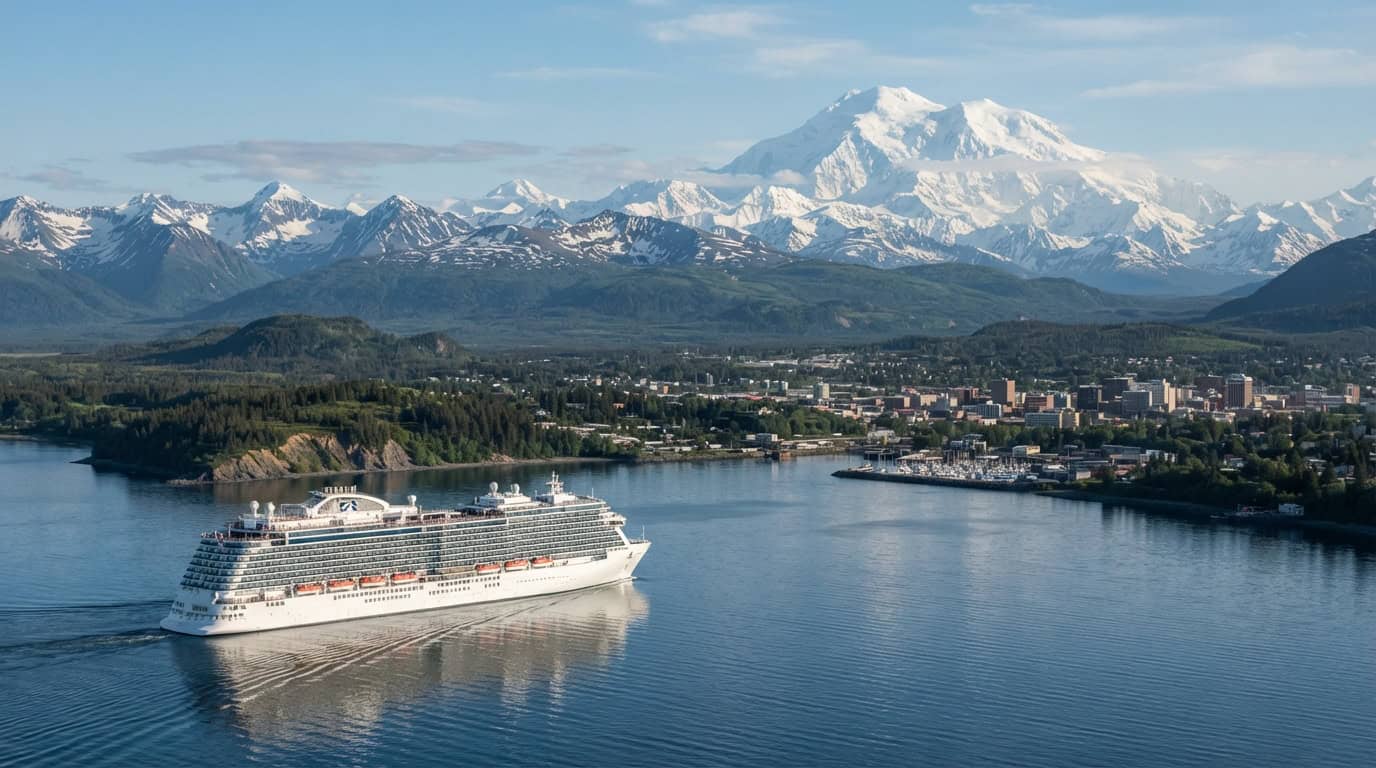
I like to allow six to eight extra nights when extending an Alaska cruise through Anchorage and Denali National Park. A practical seven-night plan begins with two nights in Anchorage, where I explore a local museum, walk the Coastal Trail, and sample fresh seafood, reindeer sausage, and locally brewed beer. On day three, I take a scenic rail journey north to Denali, watching forests, rivers, and broad mountain valleys unfold outside the window. Three nights near Denali allow time for a park tour, wildlife viewing, and flexibility if rain or clouds obscure the mountain.
After Denali, I return by rail or motor coach to Anchorage for one final night, then continue south to the ship. For a sailing from Seward, the coastal rail route makes the journey part of the adventure, with roughly four hours of dramatic scenery before arrival at the harbor. For a sailing from Whittier, I allow extra transfer time from Anchorage and enjoy the route through Turnagain Arm, where beluga whales, mountain slopes, and tidewater views can appear along the way. I always confirm the cruise departure time before booking transportation, since a land extension works best when I arrive near the port the day before embarkation.
This overland detour reveals an Alaska that cruise ports alone cannot show, from moose browsing beside quiet roads to the deep stillness of Denali’s tundra. It also creates room for meaningful local experiences, such as visiting an Indigenous cultural center, browsing Anchorage markets, or sharing a meal made with Alaska-grown ingredients. Late May through September generally offers the best combination of rail service, park access, and wildlife activity, although conditions can change quickly. By adding a few unhurried nights before or after the sailing, I trade a narrow glimpse of Alaska for a fuller journey through its landscapes, communities, and wild spaces.
I Build My Ideal Alaska Cruise
The best Alaska cruise plan begins with choosing the right route for the experience I want. A round-trip sailing from Seattle offers simplicity and scenic ports such as Juneau, Skagway, and Ketchikan, while a one-way itinerary between Vancouver and Seward or Whittier creates an easy starting point for exploring inland Alaska. I also weigh cabin location carefully, since a balcony can make glacier viewing feel wonderfully immediate, while a lower or interior cabin may leave more room in the budget for excursions. For 2026, I keep the seasonal rhythm in mind, with most sailings operating from late April or May through September or October and the busiest period arriving from June through August.
I build each port day around one memorable experience rather than trying to do everything at once. In Juneau, that might mean visiting Mendenhall Glacier before whale watching, while Skagway invites a historic walk and a scenic journey into the Klondike landscape. Ketchikan is ideal for exploring its waterfront and learning about Alaska Native culture, but I always leave extra time for weather delays and transportation changes. After the cruise, adding several nights in Anchorage and a Denali extension can transform the trip, especially when I allow time for the national park road experience, wildlife viewing, and clear mountain vistas.
Ultimately, Alaska cruise planning works best when I leave space for the unexpected. Fog may hide a glacier in the morning, then lift just in time for a wall of blue ice to calve into the sea. A quiet deck can reveal breaching whales or a bear along the shoreline. I pack flexible layers, keep excursion expectations realistic, and treat changing conditions as part of the adventure rather than a disruption. The most unforgettable moments are often unscripted, so I plan thoughtfully while leaving enough room to pause, look around, and let Alaska surprise me.