
Tbilisi in 2026 feels like a beautifully kept secret that is just beginning to whisper to the rest of the world. While the neon glow of the Bridge of Peace still charms every traveler, I have found that the city’s heartbeat truly pulses within the tbilisi hidden gems tucked away from the main tourist trails. From the scent of rising dough in underground bakeries to the sight of laundry swaying like prayer flags in 19th-century courtyards, there is a soulful magic here that requires a little extra wandering to uncover.
Walking through the Sololaki district, I recently discovered that the best views are not always from a funicular, but from a crumbling, vine-draped balcony where a local offered me a glass of amber wine. You can feel the layers of history, from the bold lines of Soviet brutalism to the ornate wooden carvings of the Silk Road era, all converging into a modern creative energy. Whether you are chasing the perfect panoramic photograph or a quiet moment in a hidden “Italian yard,” these off-beat corners offer a glimpse into the authentic, unfiltered spirit of Georgia.
Key Takeaways
- Experience the authentic heart of Tbilisi by exploring the 19th-century Sololaki ‘Italian yards,’ where communal living and Silk Road heritage are preserved behind unassuming archways.
- Skip the crowded funicular and climb the secret Mtatsminda stairway from Kakabadze Street to enjoy secluded panoramic views and a quiet ascent through vertical gardens.
- Venture into the Avlabari district to discover a vibrant open-air gallery of Soviet-era brutalist architecture, massive mosaics, and vintage mechanical history at the Tbilisi AutoMuseum.
- Visit the Dezerter Bazaar at dawn to engage with the raw energy of Georgian trade and sample traditional staples like Sulguni cheese, Churchkhela, and Svanetian salt directly from local farmers.
Sololaki Well Courtyards And Ornate Italian Yards
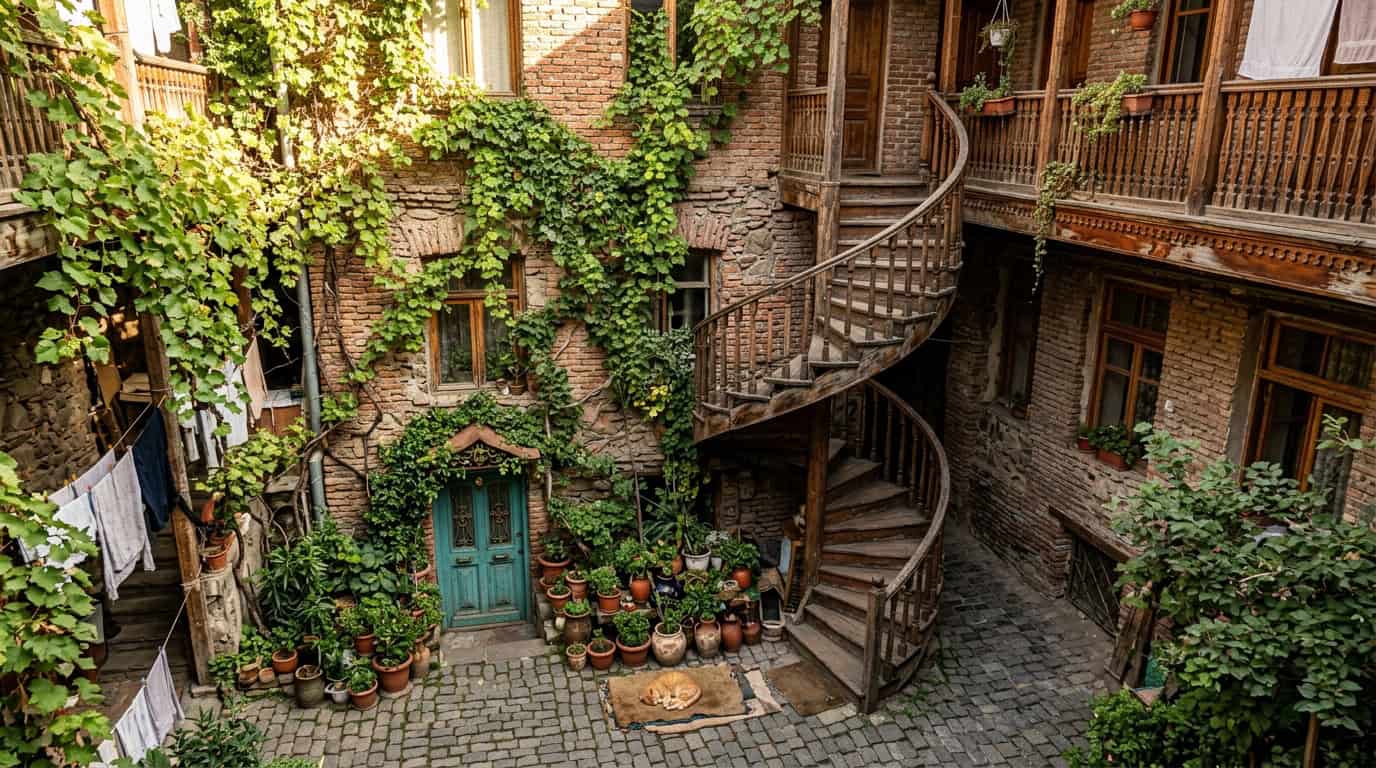
Stepping into the Sololaki district feels like uncovering a beautifully preserved secret that the rest of the world has not quite caught on to yet. As I wandered away from the polished storefronts of Rustaveli Avenue, I discovered that the true heart of Tbilisi beats within its 19th-century “well-courtyards.” These spaces, often referred to as Italian yards, are characterized by their intricate, wraparound wooden balconies and a sense of community that has thrived for generations. By ducking through the unassuming archways located between buildings 22 and 38 on Rustaveli, I found myself transported from a bustling capital into a quiet sanctuary of hanging laundry and climbing vines. It is in these hidden corners where the city’s Silk Road heritage feels most tangible, offering an intimate glimpse into the residential soul of Georgia.
The architecture here is a stunning blend of European elegance and Persian influence, featuring hand-carved railings and spiraling staircases that seem to defy gravity. I spent an afternoon simply observing the way the sunlight filtered through the thick canopy of grapevines, casting shadows against the weathered brickwork. These courtyards serve as communal living rooms where neighbors share coffee and stories, providing a warmth that you just will not find at the major tourist landmarks. If you are planning a walk through this historic neighborhood, keep an eye out for these specific details that define the Sololaki aesthetic:
- Ornate wooden “lace” carvings on the overhanging balconies and window frames.
- Century-old painted entryways featuring faded murals and floral motifs.
- Hidden spiral staircases tucked into the corners of the “well” structures.
- Lush greenery and grapevines that provide natural shade during the warm Tbilisi summers.
To make the most of your exploration, I recommend wearing comfortable shoes and keeping your camera ready for the unexpected beauty found in the decay. While it might feel like you are intruding, most locals are incredibly friendly and proud of their heritage, often offering a nod or a smile as you admire their homes. Respecting the privacy of the residents is key, but do not be afraid to peer through an open gate or follow a narrow passage. These architectural gems are a testament to the city’s endurance and creative spirit, making Sololaki an essential stop for any traveler seeking an authentic connection to the Caucasus. It is a reminder that the best travel experiences often require us to slow down and look behind the curtain of the main thoroughfares.
Scaling The Secret Mtatsminda Stairway From Kakabadze
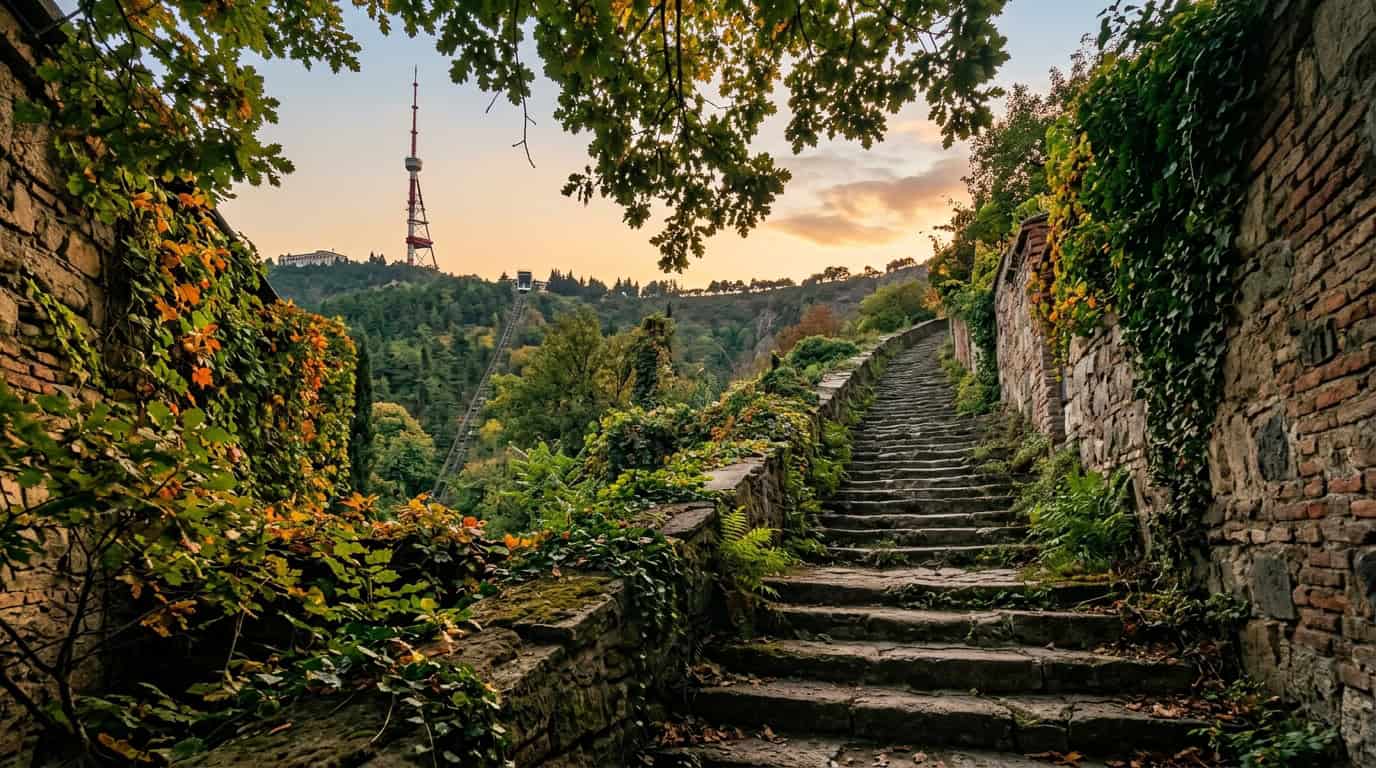
While most visitors queue for the funicular to reach the city’s highest peak, I prefer the quiet rhythm of the Mtatsminda stairway tucked away on Kakabadze Street. This hidden trailhead begins in the heart of the Mtatsminda district, winding past crumbling brick walls and the kind of ornate, vine-draped balconies that define Tbilisi’s romantic aesthetic. As you climb, the city noise fades into a soft hum, replaced by the sound of wind through the pines and the occasional greeting from a local resident. It is a steep but rewarding ascent that feels more like a private journey through a vertical garden than a typical tourist hike.
The true magic of this route lies in the shifting perspective of the skyline that unfolds with every few steps. Unlike the rapid rise of the cable car, this walk allows you to pause and appreciate the intricate layers of the capital, from the terracotta roofs of the old town to the gleaming modern glass of the newer districts. You will find several stone landings along the way that serve as perfect, secluded viewpoints for a quick rest or a photo without any crowds in your frame. It is the ultimate way to feel the pulse of the city while enjoying a moment of mountain solitude.
To make the most of this trek, I recommend keeping a few practical details in mind before you start your climb:
- Wear sturdy walking shoes with good grip, as the stone steps can be uneven or slippery after a light rain.
- Start your hike about an hour before sunset to catch the golden light hitting the Holy Trinity Cathedral across the river.
- Pack a bottle of water, though you will find a refreshing cold-water fountain near the top to refill your supply.
- Keep your camera ready for the hidden street art and small shrines tucked into the cliffside along the path.
Once you reach the summit, you are greeted by the cool mountain air and the nostalgic charm of Mtatsminda Park. You can reward your efforts with a fresh oversized pastry or a glass of local lemonade at the restaurant overlooking the cliffs. Descending back into the city via the same stairs feels entirely different as the evening lights begin to twinkle across the valley. It is a simple, free, and deeply authentic experience that captures the adventurous spirit of the Caucasus.
Soviet Mosaics And Brutalist Relics In Avlabari
I wandered into the Avlabari district expecting history, but I found a vibrant open-air gallery of Soviet-era ambition hidden in plain sight. The crumbling concrete facades of this neighborhood are often adorned with massive, intricate mosaics that depict everything from cosmic exploration to traditional Georgian folklore. These brutalist architecture relics serve as a colorful bridge between the city’s complex past and its creative future, offering a gritty yet beautiful contrast to the polished tourist center. I highly recommend taking a slow walk through the side streets to spot these fading masterpieces before they are reclaimed by time or urban development.
To truly understand the industrial soul of old Tbilisi, you have to venture a bit further to the Tbilisi AutoMuseum, a place that feels like a secret time capsule. This unique collection houses rare vintage vehicles from the Soviet era, ranging from sleek government limousines to the rugged motorcycles that once navigated the mountain passes of the Caucasus. Standing among these polished machines, you can almost hear the echoes of a different era, making it a must-visit for anyone who loves mechanical history and off-the-beaten-path discoveries.
- Search for the colorful “Flame of Knowledge” mosaic located near the industrial outskirts of the district.
- Visit the Tbilisi AutoMuseum to see the rare “Chaika” limousines used by high-ranking officials.
- Explore the brutalist architecture of the nearby residential blocks for a raw look at 20th-century urban design.
- Bring a camera with a wide-angle lens to capture the scale of the massive concrete monuments.
Navigating this part of the city feels like a genuine adventure because it lacks the heavy crowds found at the sulfur baths or the main fortresses. I found that the best way to experience these sites is to pair them with a visit to a local bakery for some fresh tonis puri, which is clay-oven bread, to sustain your urban exploration. This journey into the brutalist heart of Georgia provides a deeper, more nuanced perspective on how the city has evolved into the emerging travel hotspot it is today.
Early Morning Rituals At The Dezerter Bazaar
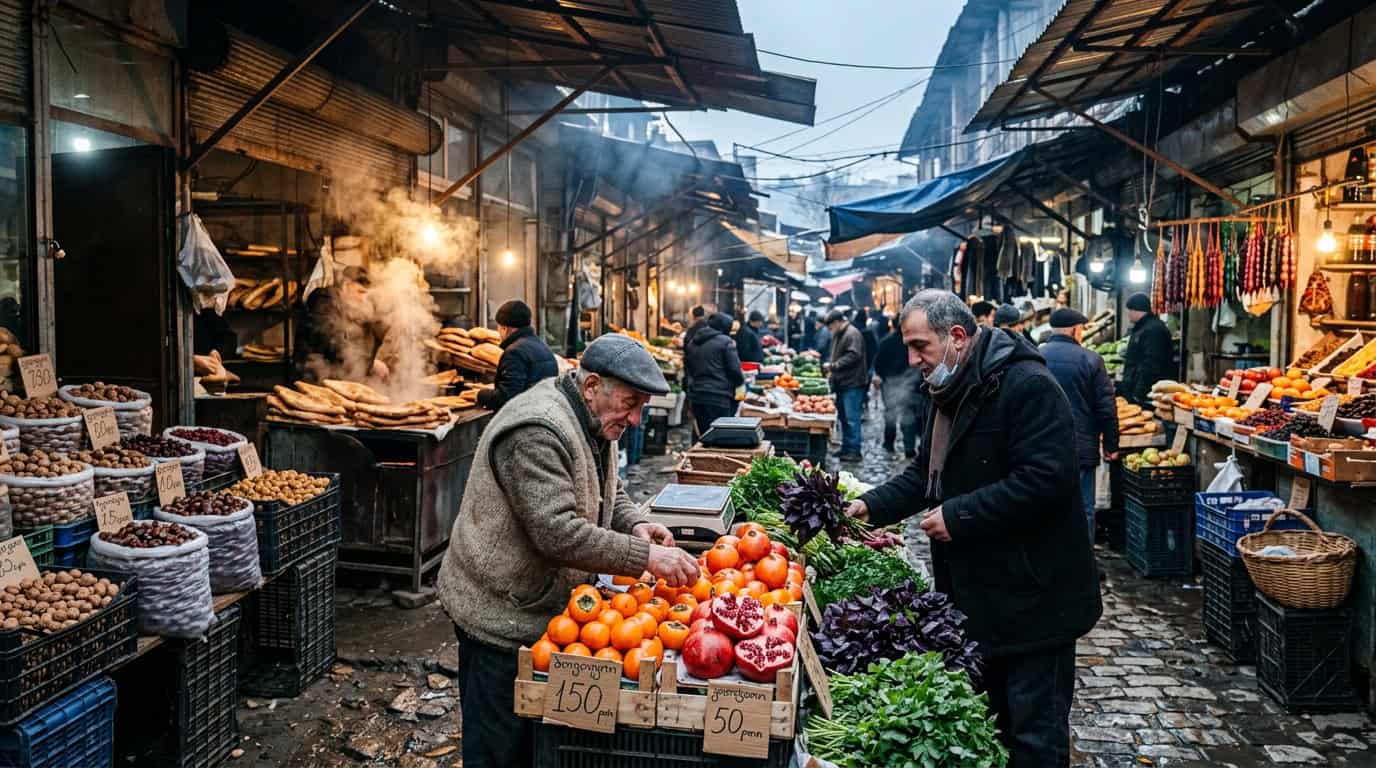
Stepping into the Dezerter Bazaar at 6:00 AM feels like entering the true, beating heart of Tbilisi before the rest of the world wakes up. The air is thick with the scent of damp earth, roasted sunflower seeds, and the sharp tang of pickled jonjoli. I navigated the labyrinth of stalls as farmers from the Kakheti region unloaded crates of pomegranates and bundles of fresh tarragon from the backs of dusty trucks. There is an raw, unfiltered energy here that you simply cannot find in the polished cafes of the city center, and watching the silent nod of a successful wholesale deal is a masterclass in local culture.
To make the most of your early morning visit, keep an eye out for these essential market treasures:
- Handmade Sulguni cheese, often still warm and soaking in salty brine.
- Strings of Churchkhela, the famous grape and walnut candy, hanging like colorful tapestries.
- Freshly ground Svanetian salt, a fragrant blend of spices from the high Caucasus mountains.
- Warm shoti bread pulled straight from the deep clay tone ovens scattered near the entrance.
As the sun began to peek over the horizon, the haggling intensified and the narrow aisles filled with the vibrant colors of seasonal produce. I found that a simple smile and a few words of Georgian go a long way, often resulting in a generous handful of walnuts or a slice of spicy cheese offered as a gesture of hospitality. This market is more than just a place to shop, it is a living relic of the Silk Road where the ancient traditions of trade and community remain perfectly intact. If you want to unlock the heart of the Caucasus, you have to be willing to get your boots a little dirty and embrace the chaotic beauty of the dawn rush.
Embrace the Soul of Secret Tbilisi
Tbilisi is a city that rewards those who are willing to slow down and look beyond the polished facades of the main tourist trail. By stepping into the vine-draped courtyards of Sololaki or seeking out the quiet, brutalist relics of the Soviet era, you are doing more than just sightseeing. You are connecting with the soul of the Caucasus, a region that thrives on its ability to blend ancient Silk Road traditions with a modern, creative energy. I encourage you to embrace this adventurous spirit, as the true magic of Georgia often reveals itself in the moments when you feel most lost in its winding, historic alleys.
As you finalize your 2026 itinerary, my biggest piece of advice is to leave several hours of your schedule completely blank. While the Bridge of Peace and the sulfur baths are essential stops, your favorite memory will likely be a spontaneous conversation with a local in a hidden Italian-style yard or the view from a secret stairway you found by accident. The beauty of this city lies in its layers, so give yourself the freedom to wander without a map. Tbilisi is waiting to surprise you, and as long as you keep an open mind, you will leave with stories that no guidebook could ever fully capture. For those looking to extend their adventure across the continent, you might consider the ultimate Balkan rail journey to discover even more of the world’s best-kept secrets. If your travels eventually take you to the southern hemisphere, you can find a similar blend of heritage and indulgence in a luxury guide to the world’s most scenic vineyards. Many travelers are now looking at this region as one of the top digital nomad destinations because of its unique mix of affordability and culture.