
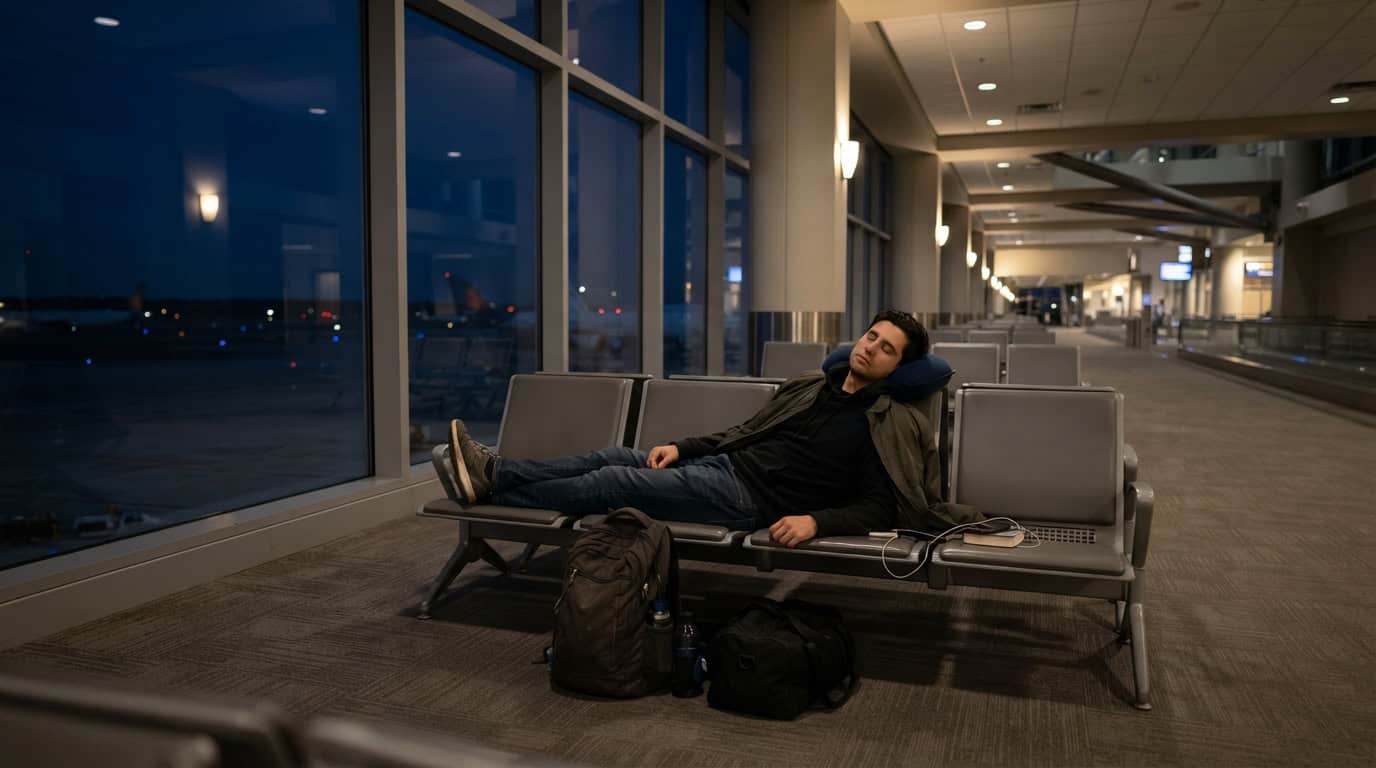
An overnight airport layover can work, but access depends on the airport. Buffalo Niagara International Airport’s terminal is open 24 hours, while its security checkpoint closes at 9:00 p.m. A terminal that stays open does not necessarily mean you can remain airside or sleep there, so check the airport’s overnight rules as well as its hours. Buffalo Niagara International Airport’s guidance makes that distinction clear.
We recommend confirming the rules for your exact terminal before you travel, then checking with your airline about your connection. At San José Mineta International Airport, checkpoints open at 4:00 a.m. in Terminal A and 4:15 a.m. in Terminal B, and only ticketed passengers may pass through. The airport’s FAQ also notes that connecting passengers have no designated sleeping area. Knowing what to expect can help you plan where to rest and prepare a backup in case access or comfort falls short.
Key Takeaways
- Airport overnight access depends on separate rules for terminal entry, staying airside, checkpoint hours, and sleeping, so we recommend checking official guidance for your exact terminal and confirming your connection with the airline.
- Checkpoint hours can differ from terminal hours, so verify the schedule for your airport and terminal.
- Permission to remain in a terminal does not always include permission to sleep, and San José Mineta International Airport says it has no designated sleeping area for connecting passengers; ask airport staff where you may wait and consider a permitted public area, paid rest facility, or nearby hotel.
- Leaving the airport during an overnight layover makes sense only after you confirm entry requirements, late-night transport, baggage arrangements, and enough time to return and pass through security again.
- A hotel is not automatically covered when a disruption causes an overnight stay: check the operating airline’s commitments, since eligible EU journeys may include hotel accommodation and airport transport under Article 9 of Regulation (EC) No 261/2004.
Can You Stay In An Airport Overnight?
Sometimes, but it depends on the airport and terminal, including whether travelers may stay overnight and remain airside. Terminal access, permission to sleep, and security checkpoint hours are separate rules, and each can vary by airport.
Buffalo Niagara International Airport shows why an open terminal does not guarantee access through security: the terminal is open 24 hours, but its TSA checkpoint closes at 9:00 p.m. daily, according to Buffalo Niagara International Airport’s FAQ. Travelers arriving after the checkpoint closes may be able to enter the terminal but not pass through security.
Permission to stay in a terminal does not always include permission to sleep. The Port Authority of New York and New Jersey’s rules prohibit sleeping in an Air Terminal area or vehicle without prior permission from the Manager, so check the rules for your airport before planning to rest there.
Before traveling, review official airport guidance and confirm the details with your airline. Check whether you can stay in the terminal, remain airside for your full layover, and use food outlets, restrooms, and other facilities during the hours you will be there. Ask about your specific terminal and connection, since access may change overnight even when parts of the airport remain open.
Check Terminal And Checkpoint Hours
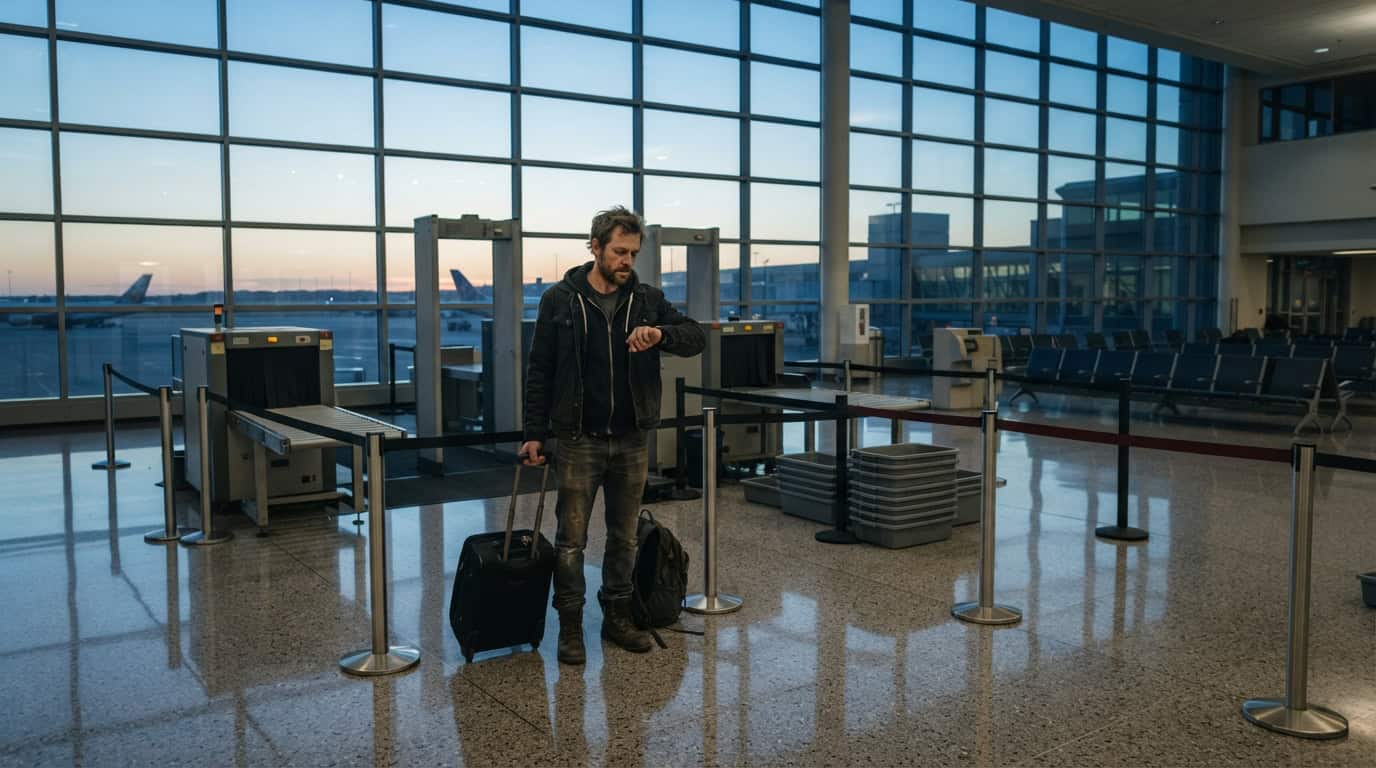
An airport’s posted opening hours may not tell you whether you can stay overnight or pass through security. San José Mineta International Airport defines its standard overnight period as 11 p.m. to 4 a.m. At the International Arrivals Facility, the period runs from one hour after the last international flight until one hour before the first. Its policy allows qualifying ticketed passengers to remain overnight when their airport travel is within 24 hours and they have matching valid identification and a valid itinerary, ticket, or boarding pass. Read the airport’s overnight-lodging policy for the exact conditions.
Permission to remain in the terminal does not guarantee a comfortable place to sleep. San José says there is no designated sleeping area for connecting passengers, and security announcements continue intermittently, according to the airport’s FAQ.
Checkpoint hours are another detail to verify. At San José, checkpoints open at 4:00 a.m. in Terminal A and 4:15 a.m. in Terminal B, and only ticketed passengers may pass through. Check the checkpoint information for your terminal.
Hours can also vary within one airport. Chicago O’Hare lists Terminal 5 checkpoint CP10 as open 24 hours, but warns that checkpoint hours may change with day-to-day operations. Consult O’Hare’s TSA checkpoint information close to departure.
A quick review of official guidance and your airline’s instructions can help you decide where to wait and what to do if you cannot remain airside:
- Look up the overnight access policy for the exact airport terminal you will use.
- Check the current checkpoint hours for that terminal instead of assuming they match terminal opening hours.
- Review airport alerts close to departure, since operational changes can affect access or checkpoint schedules.
- Ask your airline where passengers should wait if they cannot remain airside overnight.
Where Can You Rest Safely?
You can rest in a permitted public waiting area, a paid airport rest facility, or a nearby hotel, depending on access, budget, and how much privacy you need. We recommend confirming the airport’s rules before settling in. The Port Authority of New York and New Jersey’s rules prohibit sleeping in an Air Terminal area or vehicle without prior permission from the Manager. Ask airport staff where overnight passengers are allowed to wait, since permission to stay in a terminal does not automatically mean sleeping is allowed. A public waiting area may be the simplest option when the airport permits overnight stays. Choose a staffed, well-lit area, keep valuables close and easy to reach, and set an alarm you can hear without disturbing others. Avoid blocking walkways, exits, or emergency access.
Access rules can cover more than the terminal itself: Hartsfield-Jackson Atlanta International Airport restricts access around the clock to ticketed passengers and others with legitimate airport business, including in terminals and other airport facilities. A paid rest facility can offer more privacy, but it is not available at every airport and may stretch your budget.
Philadelphia International Airport lists Minute Suites in the A/B Connector as open 24 hours, with a one-hour minimum stay costing $48 and an eight-hour stay after 9 p.m. costing $175. The listing gives a 30-minute shower price of $30 on its own or $20 when added to a suite rental. Check current availability and prices before relying on a suite, since listings and access can change.
A nearby hotel may suit travelers who want a quieter, more conventional place to sleep, provided they can get there and return in time for their flight. Compare that option with the airport’s permitted waiting areas and rest facilities, and keep essential items secure and accessible wherever you rest.
Should You Leave The Airport?
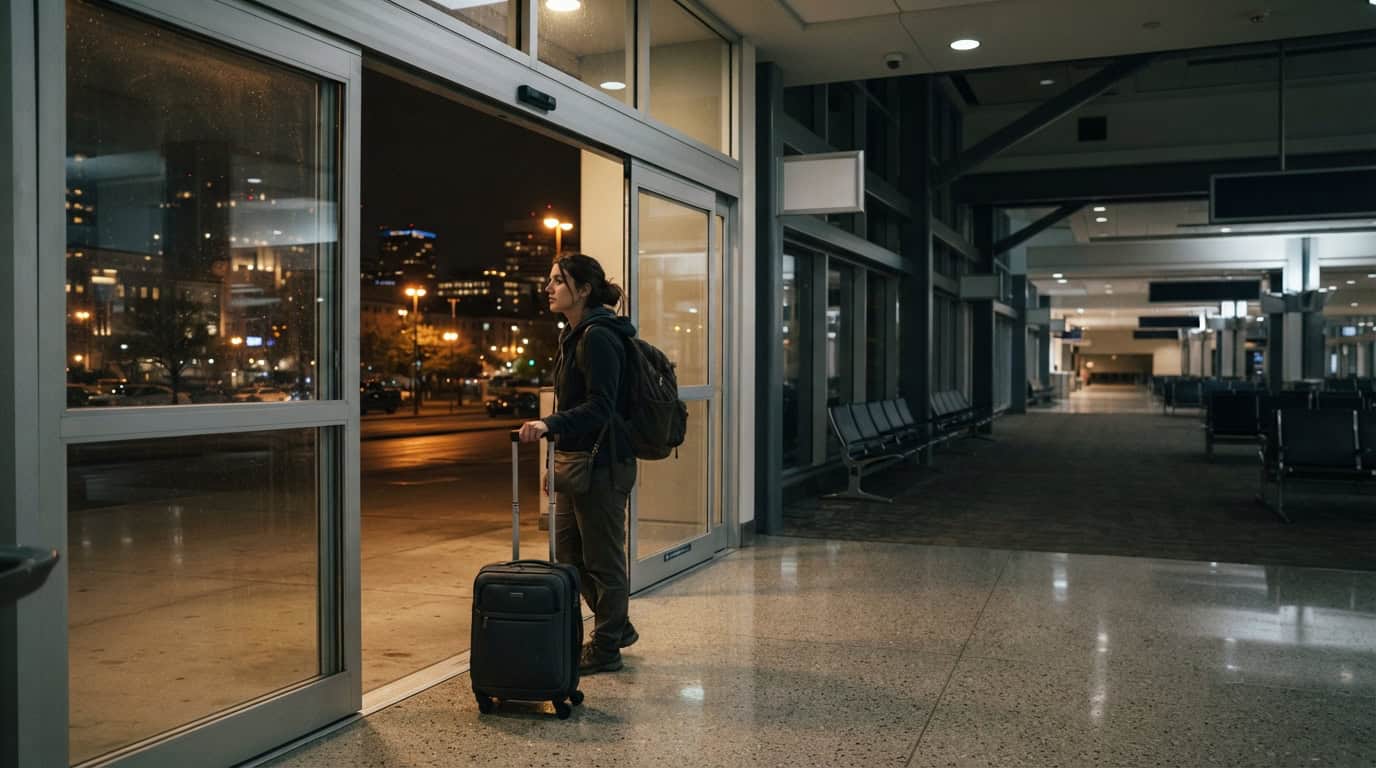
Consider leaving the airport for an overnight city visit only if you can enter the country or area, find reliable transport at the hours you need, manage your bags, and return with enough time to reach your gate. A long layover alone does not tell you whether going out is practical. Check the entry rules for your passport and itinerary before making plans. Confirm whether you need a visa or other permission to enter, even for a short visit, and consult official guidance for the country or area. Then check that transport to and from the city runs during your arrival and return hours, with a workable route back to the airport. Ask your airline whether your checked baggage will be transferred to your next flight or whether you must collect and recheck it. Procedures can vary by itinerary, so do not assume your bags will be handled the same way at every airport. If you need to collect them, include that step in your return plan. Follow your airline’s instructions and the airport’s current guidance, allowing time to get back, pass through security again, and reach the correct gate. Check whether the checkpoint you need will be open when you return, since terminal access and checkpoint access do not always follow the same hours. Avoid relying on a generic time estimate when your route, airport, or airline may have specific requirements. Staying airside is usually simpler if you are unsure about entry permission, late-night transport, baggage arrangements, or whether security will be open again. An airport hotel may offer a more restful night without the extra border and transport steps, but confirm how you will get back to your departure area before booking.
Who Pays For An Overnight Disruption?
A planned overnight connection is different from spending the night at the airport because of a cancellation or delay. A hotel is not automatically included. Support depends on the passenger protections that apply and the operating airline’s commitments, as described in the U.S. Department of Transportation’s airline dashboard.
Under Article 9 of EU Regulation (EC) No 261/2004, when its right-to-care provisions apply and an overnight stay becomes necessary, passengers must be offered hotel accommodation and transport between the airport and accommodation free of charge. The EU regulation sets out when that care applies.
For U.S. travelers, the Department of Transportation says airlines must honor commitments in their customer-service plans for controllable disruptions. One airline’s commitments do not mean every airline provides the same support, so check the DOT airline cancellation and delay dashboard alongside your carrier’s policy.
Contact the operating airline and ask what it will cover for your specific cancellation or delay, including whether its policy covers a hotel and transport. Check whether the disruption qualifies under the airline’s stated commitments instead of assuming an overnight wait automatically means a room will be provided. If you pay for necessities yourself, keep itemized receipts for any follow-up with the airline. Keeping receipts does not guarantee reimbursement.
Build A Simple Overnight Plan
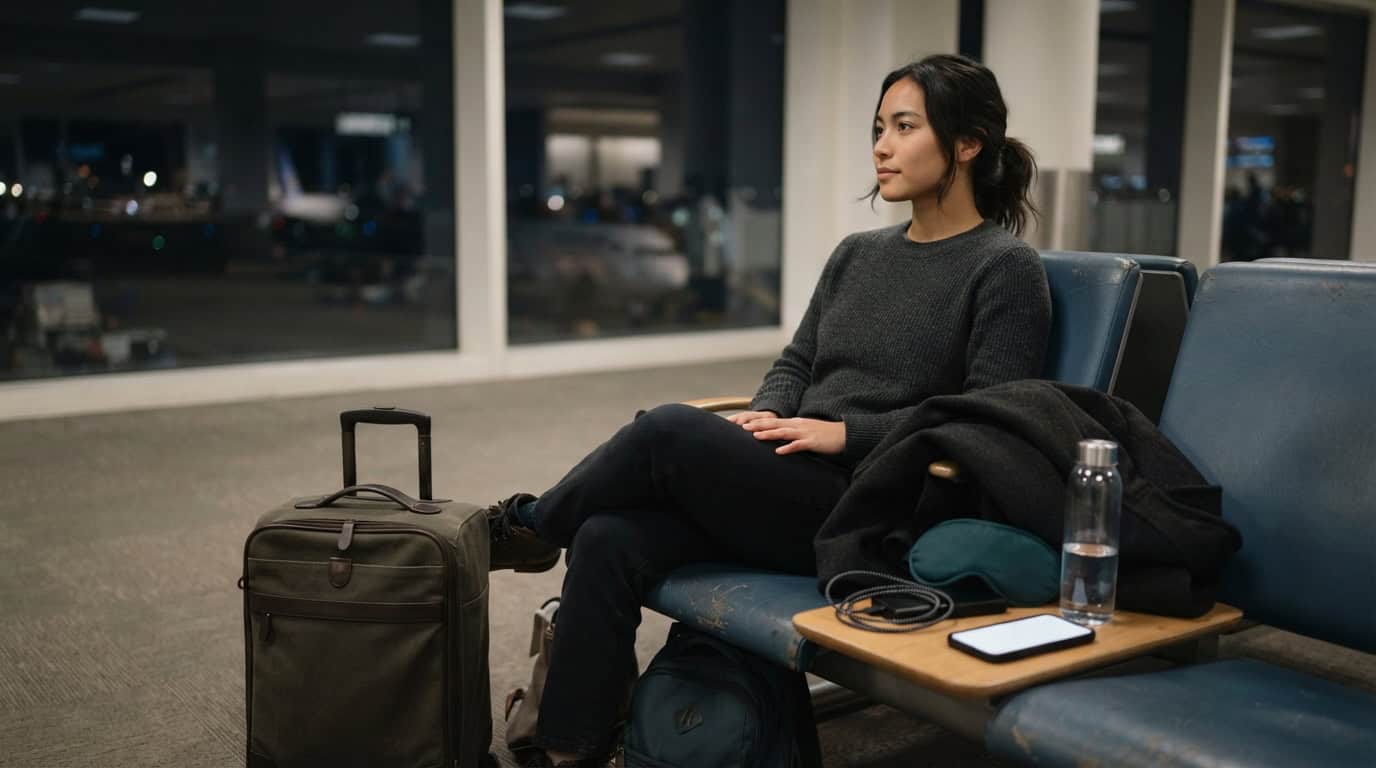
Before departure, check the exact terminal’s overnight access rules, whether passengers may remain airside, and when the security checkpoint opens. Confirm the information with the relevant airport’s official guidance and your airline, since terminal and checkpoint access can differ.
- Save official contact details for the airport and operating airline.
- Identify a permitted waiting area and a paid rest option in case your first choice is unavailable.
- Pack a warm layer for cool indoor spaces, a phone charger, water, medication, and a way to keep documents and valuables secure.
- Keep your itinerary and identification easy to reach, and leave room in your plan for access or schedule changes.
If a cancellation or delay creates the overnight stay, contact the airline promptly and check its listed commitments for your disruption. The U.S. Department of Transportation’s airline dashboard explains that airlines must honor commitments in their customer-service plans for controllable disruptions.
For eligible journeys where EU right-to-care provisions apply, EU Regulation (EC) No 261/2004 provides for hotel accommodation and airport transport when an overnight stay becomes necessary. If plans change, pause to confirm the new instructions with airport staff or your airline, then adjust your rest plan before moving to another area.
Make Your Overnight Plan
Open your itinerary and create a note just for this layover. Add each flight number, the arrival and departure terminals, the local landing and takeoff times, and any terminal change shown in your booking. Paste the official airport pages you used for overnight access and checkpoint hours, along with your airline’s connection instructions. Save the note offline so you can check it even if airport Wi-Fi is unreliable.
Choose a clear fallback in case your first rest option does not work. For example, if the airport says you cannot remain in your planned area, ask airport staff where you are permitted to wait. If your connection changes, confirm the new terminal and security instructions with the airline before moving. Keep your airline app notifications on, and check for messages before settling in for the night.
If a cancellation or delay causes the overnight stay, keep the airline’s updated itinerary and any written guidance about overnight assistance with your travel records. For a U.S. flight, compare the airline’s response with its commitments on the U.S. Department of Transportation’s airline dashboard.
For a journey covered by EU care provisions, consult the relevant section of EU Regulation (EC) No 261/2004.