
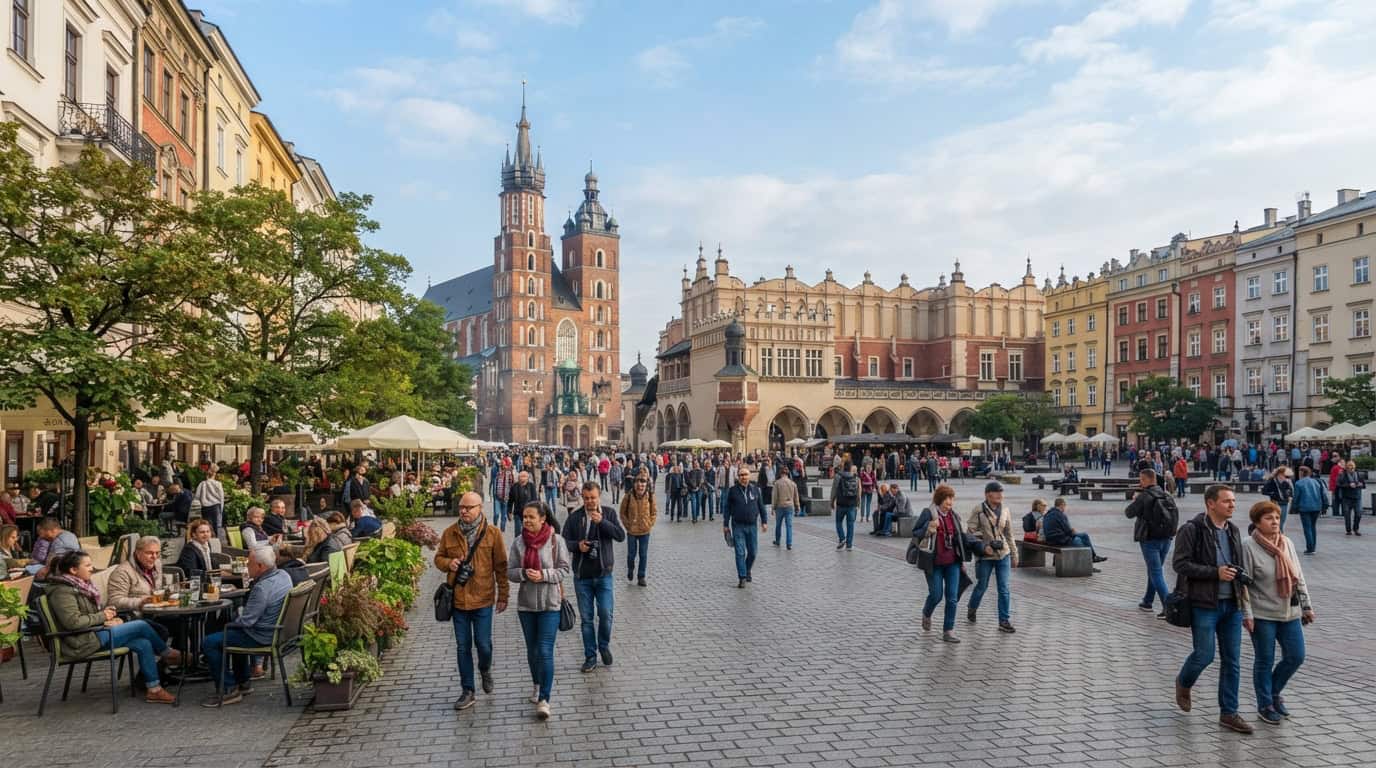
A Poland city break gives me everything I want from a long weekend: beautiful old towns, memorable food, lively culture, and easy ways to get around. I can wander Kraków’s atmospheric streets, admire Warsaw’s striking contrast between history and modern life, or follow the waterfront in Gdańsk, all without stretching my budget too far. With compact city centers and excellent rail connections, Poland makes planning a spontaneous escape remarkably simple.
For a first visit, I would choose one city for a relaxed three-day stay or combine two destinations over six to eight days. Kraków, Warsaw, Gdańsk, Wrocław, and Poznań each have a distinct character, from riverside cafés and grand squares to museums, markets, and vibrant evening scenes. The best trip balances a few must-see sights with time to slow down, taste local dishes, and let the city surprise me.
Key Takeaways
- Choose Kraków for a first Poland city break: its compact, walkable center combines medieval sights, Wawel Castle, Kazimierz, excellent food, and lively nightlife.
- Choose Warsaw for major museums, modern culture, and an energetic capital-city atmosphere, or Gdańsk for waterfront scenery, maritime history, and a slower coastal pace.
- Plan one city for a relaxed three-day weekend; combine two destinations by train only when you have six to eight days, allowing at least three nights in each.
- Travel in late spring or early autumn, stay near the center, and use walking, public transport, and advance rail bookings to keep the trip convenient and affordable.
Kraków Warsaw Or Gdańsk
Kraków is my top choice for a first Poland city break, thanks to its atmospheric medieval Old Town, easy-to-walk streets, and excellent mix of history and culture. I can spend a morning in the Main Market Square and at Wawel Castle, then visit Kazimierz for Jewish heritage, galleries, cafés, and atmospheric restaurants. Nearby sights such as the Wieliczka Salt Mine and Auschwitz-Birkenau add depth for history travelers, although each requires extra planning. The city is compact, well connected by trams and buses, and filled with affordable places to try pierogi, żurek, and hearty regional dishes. It is also a strong nightlife choice, with busy cellar bars, live music, and late-opening venues concentrated around the center.
Warsaw feels larger and more energetic, making it a rewarding option for travelers who want history alongside a lively dining scene. I enjoy tracing the beautifully rebuilt Old Town before exploring the Royal Route, the Warsaw Uprising Museum, and the green paths around Łazienki Park. Its restaurants range from traditional Polish cooking to creative modern menus, while neighborhoods beyond the center offer more varied nightlife than Kraków. Gdańsk has a gentler pace, with colorful façades along the Motława waterfront, maritime museums, amber shops, and a distinct Baltic atmosphere. I would choose Gdańsk for a scenic weekend by the water, especially when pairing the city with nearby Sopot or Gdynia.
For the easiest compact weekend, Kraków usually wins because major sights, restaurants, and nightlife are close together, with reliable public transport filling the gaps. Food lovers should compare Kraków’s traditional specialties with Warsaw’s broader modern dining scene, while first-time visitors will find Kraków especially straightforward and welcoming. History travelers may prefer Warsaw for its powerful 20th-century story or Kraków for its layered medieval and Jewish heritage. Whichever city I choose, I book central accommodation and use rail or public transport rather than relying on taxis, keeping the trip affordable and simple. A long weekend suits one city best, while six to eight days make it practical to combine two cities by train.
A Three Day Kraków Itinerary
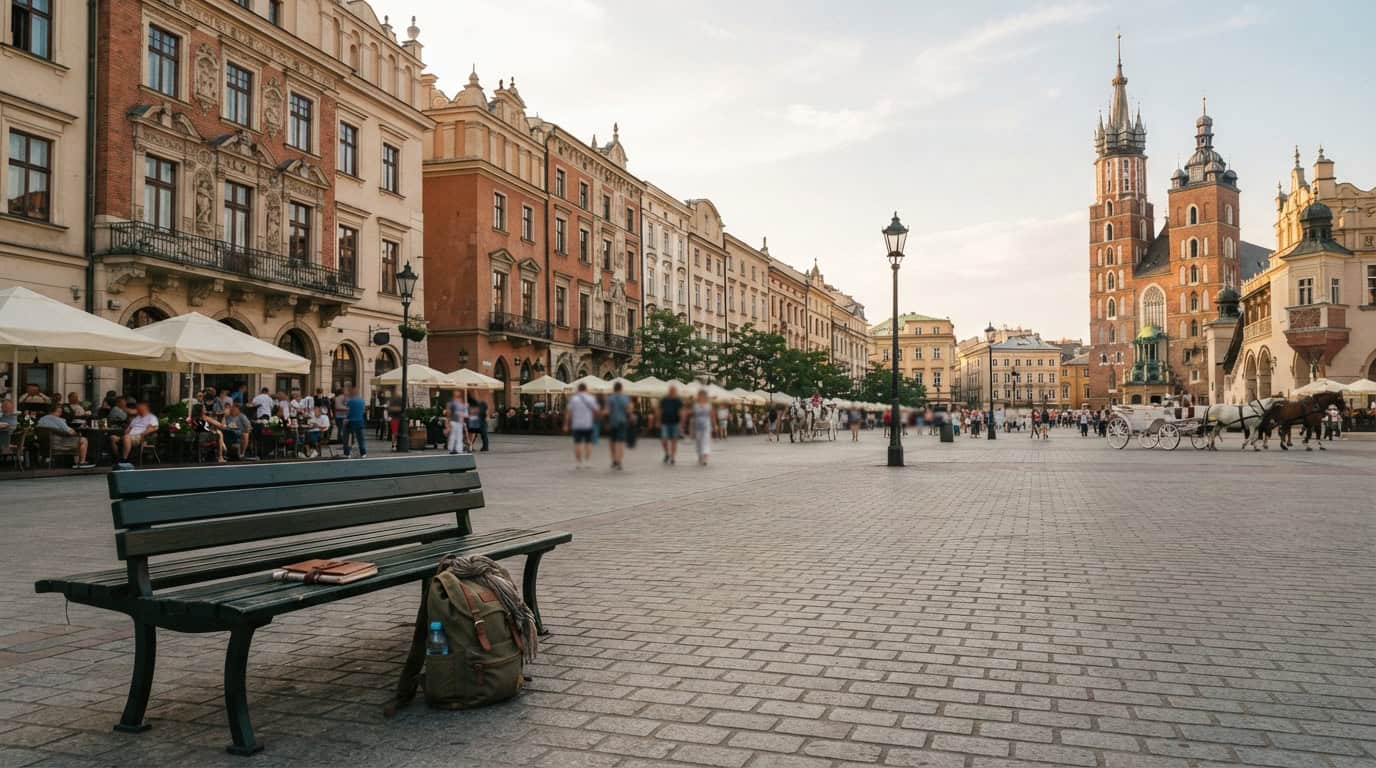
I like to begin a Kraków city break in Rynek Główny, Europe’s largest medieval market square, where the Cloth Hall, St. Mary’s Basilica, and café terraces make an easy first morning. From there, I walk along Grodzka Street toward Wawel Castle, allowing time for the cathedral, castle courtyards, and panoramic views over the Vistula River. Kraków’s Old Town is compact and mostly walkable, but trams are useful for reaching neighborhoods farther out, and a 24-hour or weekend public transport ticket can be good value. For lunch, I look for a traditional restaurant serving pierogi, then continue to the Vistula Boulevards for a relaxed riverside stroll.
On the second day, I cross into Kazimierz, Kraków’s atmospheric former Jewish quarter, exploring its synagogues, quiet lanes, galleries, and lively food squares. This is an ideal area for grazing, so I usually order a few kinds of pierogi, such as potato and cheese or seasonal mushroom fillings, before trying żurek, a tangy rye soup often served with sausage and egg. In the afternoon, I follow the boulevards or take a short tram ride to see more of the city without spending much on taxis. By evening, Kazimierz’s candlelit restaurants and welcoming bars provide a memorable setting for a traditional Polish meal.
For a third day, I keep the morning flexible and revisit any favorite Old Town spots before choosing between more city time and an excursion to the Wieliczka Salt Mine. The mine is reachable by local train or bus, and its underground chapels, salt sculptures, and winding chambers make it a worthwhile half-day addition if I have extra time. Back in Kraków, I leave room for one final walk around Planty Park, the green belt surrounding the historic center, followed by coffee and a last plate of pierogi. With walkable sights, reliable public transport, and plenty of filling, affordable food, Kraków makes a practical long weekend in Poland.
Warsaw And Gdańsk Alternatives
Warsaw makes an excellent Poland city break when I want museums, modern culture, and an energetic urban atmosphere without sacrificing history. I would spend the first morning walking the Royal Route from Nowy Świat toward the Old Town, then explore Warsaw Old Town and pause for traditional pierogi or a hearty żurek. The POLIN Museum offers a moving, beautifully presented introduction to the history of Polish Jews, while contemporary galleries, cafés, and concert venues reveal the city’s creative side. With trams, buses, and a metro system covering the main districts, I can move around easily and keep daily travel costs low. Staying near the center also makes it simple to mix major sights with relaxed evenings in neighborhood restaurants.
Gdańsk suits me when I want waterfront scenery, ornate historic architecture, and a slower coastal atmosphere. I would begin around the Long Market, where colorful façades lead toward the waterfront, then step inside St. Mary’s Church for a glimpse of one of the city’s most impressive landmarks. A walk along the Motława River offers fresh air and memorable views, while the European Solidarity Centre provides essential context about the movement that helped reshape modern Europe. Gdańsk’s compact center is easy to explore on foot, and local trams and trains make it practical to reach nearby parts of the Tri-City area. I would leave time for seafood, smoked fish, and an unhurried coffee beside the water.
For a three-night break, I would choose Warsaw for a museum-focused itinerary or Gdańsk for a more atmospheric, walkable escape. Both cities offer good-value accommodation, dependable public transport, and plenty of affordable places to eat, although booking ahead helps during summer and major events. If I had six to eight days, I would combine them by train, giving each city at least three nights rather than rushing through both. That approach creates a rewarding Poland city break with contrasting experiences, from Warsaw’s lively cultural scene to Gdańsk’s maritime charm.
Poland City Break Planning Tips
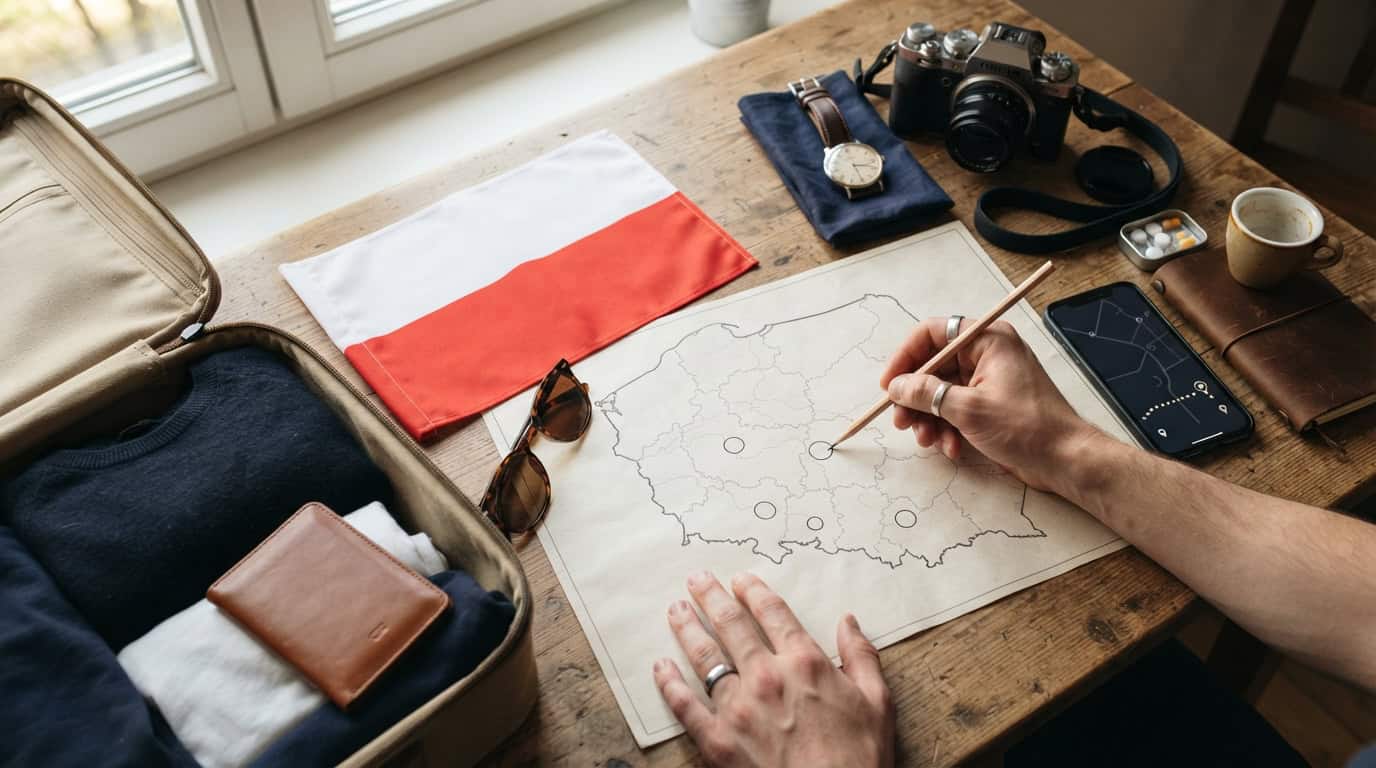
I find late spring and early autumn ideal for a Poland city break, with mild weather, long sightseeing days, and fewer crowds than midsummer. Kraków suits a relaxed long weekend of castle views, atmospheric Old Town lanes, and Kazimierz cafés, while Warsaw adds modern museums, rebuilt historic streets, and lively riverside walks. For six to eight days, I like combining two cities by intercity rail, such as Kraków and Warsaw or Gdańsk and Poznań, with frequent trains making the journey simple. From the main airports, local trains, buses, and trams usually provide affordable transfers into the center, although it is worth checking late-arrival options in advance because services may be reduced. I always leave some flexibility for a market breakfast or an unplanned coffee stop instead of filling every hour with attractions.
Neighborhood choice can shape the whole experience, so I stay near Kraków’s Old Town or Kazimierz, central Warsaw or the Vistula riverfront, and Gdańsk’s historic center when visiting the coast. Poland remains good value, with casual meals often costing around 35 to 60 PLN and comfortable mid-range dining commonly around 80 to 150 PLN per person, while accommodation varies sharply by season and location. Cards are widely accepted in hotels, restaurants, shops, and transit machines, but I still carry some złoty for market stalls, small bakeries, and occasional public toilets. Public transport passes are usually worthwhile for a busy weekend, especially in Warsaw and Kraków, where trams and buses connect the main sights efficiently. I check the local fare options on arrival because a short-term pass can cost less than buying individual tickets throughout the day.
Popular Kraków and Warsaw hotels can sell out early for summer weekends, festivals, Christmas markets, and major events, so I book as soon as my dates are fixed. To save money, I compare neighborhoods just outside the busiest historic core, choose accommodation with breakfast or a kitchenette, and look for free museum days or combined attraction tickets. Booking rail journeys ahead can also bring better fares, while walking between nearby landmarks keeps the budget low and reveals courtyards, bookshops, and quiet streets that I might otherwise miss. I recommend building in at least one unhurried café break and a market visit each day, since a plate of pierogi or a warm pastry often becomes a highlight of the trip. That balance of practical transport and slow local moments is what makes Poland such an easy, affordable European escape.
Choose Your Ideal Polish City Break
Kraków is my favorite choice for a first Poland city break when history, atmosphere, and easy walking matter most. I can spend a long weekend wandering the Old Town, visiting Wawel Castle, exploring Kazimierz, and pausing for pierogi or a slice of sernik between sights. Warsaw offers a more dynamic experience, combining a beautifully rebuilt Old Town with modern museums, lively neighborhoods, and excellent public transport. It suits travelers who enjoy a larger capital with greater cultural variety and plenty to do beyond the historic center.
Gdańsk feels like the ideal escape for travelers drawn to waterfront views, distinctive architecture, and a slower coastal rhythm. Its compact center is easy to explore on foot, while nearby Sopot and the Baltic coast add variety if I have an extra day. For a long weekend, I would choose one city and settle into its neighborhoods, restaurants, and museums rather than rushing between destinations. With six to eight days, combining two cities by train can create a rewarding introduction to Poland without making the trip feel hurried.
Whichever destination matches my travel style, Poland makes planning refreshingly straightforward, thanks to compact historic districts, reliable public transport, and good rail connections. Kraków delivers classic charm, Warsaw brings energy and modern culture, and Gdańsk adds maritime character and a memorable change of pace. Each offers excellent food and a strong sense of place, often at prices that leave more room for an extra museum, café stop, or evening meal. Together, they show why Poland is such a rich, easy-to-navigate European getaway without the price tag of many Western European capitals.