
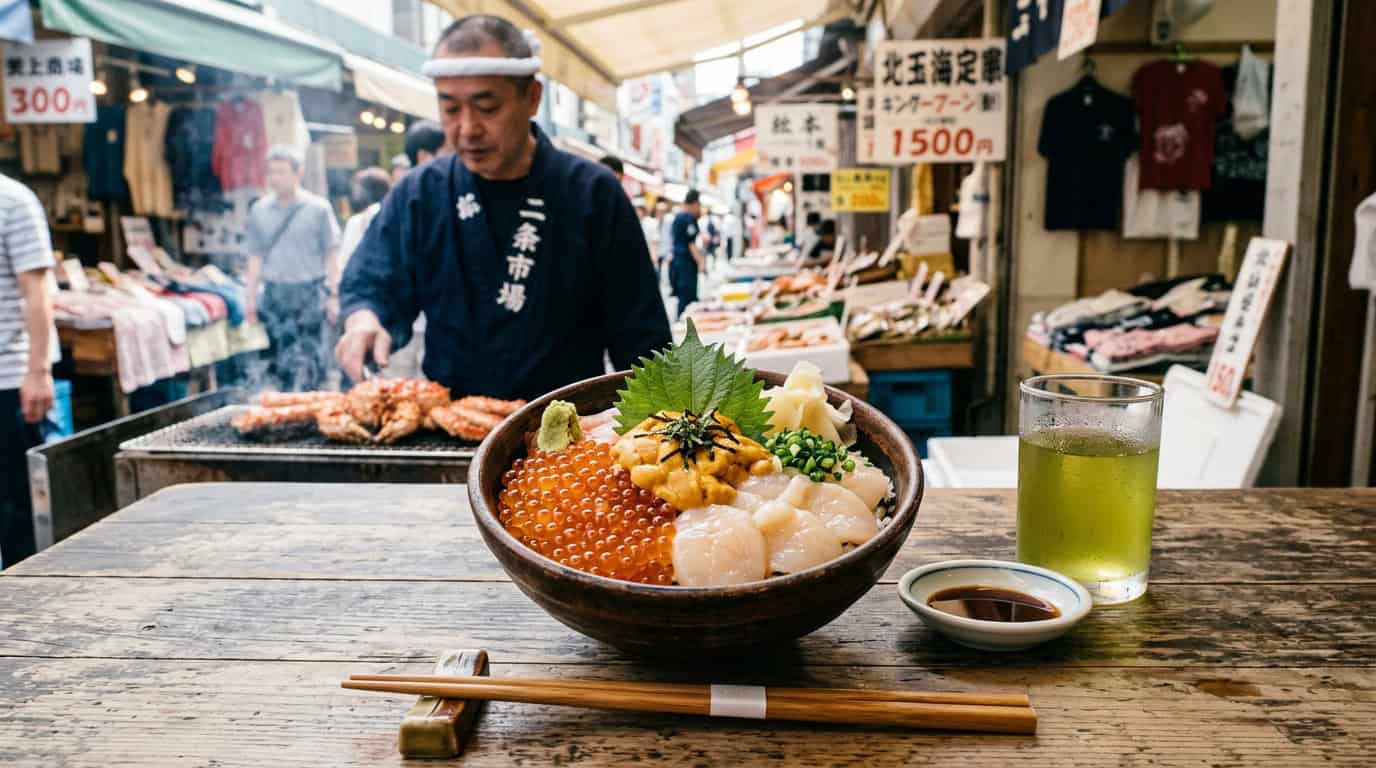
Imagine standing in the crisp air of a Sapporo morning, the scent of saltwater and grilled scallops pulling you toward the vibrant stalls of Nijo Market. With Japan seeing record-breaking crowds this year, a hokkaido food tour has become the ultimate way to escape the typical tourist paths and taste the soul of the north. From watching the high-energy drama of a live seafood auction to tucking into a steaming bowl of kaisendon overflowing with sea urchin, every bite tells a story of the island’s rich volcanic soil and icy seas.
The culinary magic does not stop when the sun sets; in fact, the island’s modern food scene is more electric than ever. I recently found myself huddled over a sizzling plate of Jingisukan lamb BBQ, sharing stories with locals before participating in the quirky Sapporo tradition of the Shime Parfait. Swapping the traditional late-night ramen for an artfully layered glass of cream and local fruit is the kind of experiential gastronomy that makes this region unforgettable. Whether you are sipping cold-climate wines or exploring hidden izakayas, the northern frontier offers a feast that satisfies both the appetite and the wanderlust-filled spirit.
Key Takeaways
- Prioritize early morning visits to Nijo and Hakodate markets to secure the freshest kaisendon and witness live seafood auctions before the crowds arrive.
- Embrace the unique ‘Shime Parfait’ tradition by ending a night of exploration with an artisanal dessert instead of the traditional bowl of late-night ramen.
- Experience Hokkaido’s distinct regional flavors through communal Jingisukan lamb BBQ and iconic miso ramen topped with local butter and corn.
- Leverage the island’s world-class dairy and volcanic soil by visiting local farms for high-butterfat soft serve and exploring the emerging cold-climate wine scene.
Fresh Catches At Nijo And Hakodate Markets
Stepping into Nijo Market in Sapporo feels like walking into a vibrant, salt-scented theater where the daily catch takes center stage. I remember the first time I stood before a towering display of king crab legs, their shells a brilliant orange against the crushed ice. To get the most out of your visit, I recommend arriving by 8:00 AM to beat the largest crowds and secure a seat at one of the tiny, counter-style eateries tucked into the alleyways. Ordering the perfect kaisendon is an art form, so look for the omakase bowl which allows the chef to select the morning’s freshest uni, scallops, and ikura. Watching the vendors expertly torch a giant crab leg right in front of you is a sensory highlight that defines the Hokkaido experience.
The energy shifts slightly as you head south to the Hakodate Morning Market, where the atmosphere is even more immersive and spirited. You cannot miss the chance to try squid fishing in the central plaza, a local tradition where your catch is immediately prepared into translucent sashimi. I found that the best way to navigate these stalls is to follow your nose toward the smell of charcoal grills. Many vendors offer individual grilled scallops or buttered corn on the cob, making it easy to sample a wide variety of flavors without committing to a full meal. These markets are the beating heart of the island’s culinary identity, offering a raw and honest look at the bounty of the surrounding cold waters.
Sizzling Jingisukan And Iconic Sapporo Miso Ramen
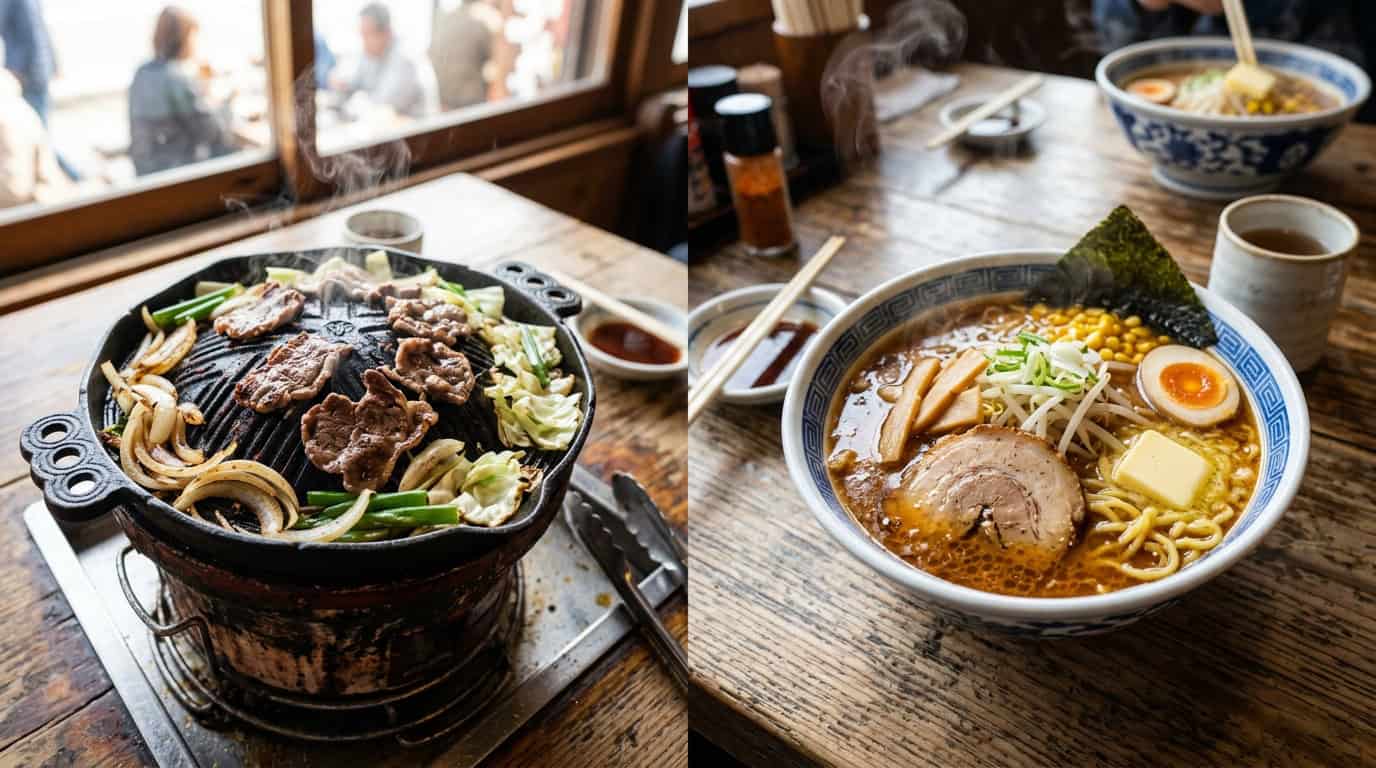
Stepping into the narrow, neon lit alleyway of Ganso Ramen Yokocho feels like traveling back in time to the very origins of Hokkaido comfort food. As I ducked under the traditional noren curtains of a tiny shop, the steam from bubbling cauldrons of miso broth immediately warmed my face. This historic lane is where the iconic Sapporo miso ramen was perfected, featuring a rich, fermented soybean paste base that is far heartier than the lighter broths found in Tokyo. I recommend ordering yours topped with a slice of local butter and sweet corn to truly experience the creamy, savory fusion that defines the region. Watching the chef vigorously toss noodles in a wok creates an energetic atmosphere that makes every slurp taste even better.
The culinary journey continues with a visit to a traditional grill house for a communal feast of Jingisukan, named after the famous Mongol ruler. We gathered around a convex metal dome, which is specifically designed to allow the juices from succulent lamb slices to drip down and flavor a perimeter of fresh cabbage and onions. There is something incredibly social about hovering over the sizzling cast iron together, flipping tender meat while sharing stories of our day in the city. The lamb is remarkably mild and tender, especially when dipped into a secret soy based sauce infused with ginger and garlic. It is a quintessential Sapporo experience that perfectly captures the rustic, bold flavors of the north.
While the savory grilled meats and hot noodles are the stars of the evening, no food tour is complete without embracing the local nightlife culture. After our heavy meal, we followed the locals to a stylish dessert bar to participate in the Shime Parfait tradition. Instead of ending the night with more salty snacks, the trend here is to enjoy an artfully constructed glass of premium Hokkaido cream, seasonal fruits, and delicate garnishes. This balance of a smoky BBQ dinner followed by a sophisticated, cold sweet treat offers a full spectrum of what makes the island’s food scene so unique. It is the perfect way to wind down before planning the next morning’s adventure to the bustling seafood markets.
Creamy Dairy Farms And The Shime Parfait Trend
Hokkaido is legendary for its world class dairy production, and you can truly taste the difference in the rich, velvety soft serve ice cream found at the farms near Otaru. As I wandered through the rolling green pastures, the scent of fresh air and sweet cream was everywhere, making it impossible to resist a cone of the local specialty. The milk here is famously high in butterfat, resulting in a texture so smooth it feels like silk on your tongue. It is a refreshing contrast to the salty seafood of the morning markets and serves as a perfect afternoon pick me up. I highly recommend stopping at a local dairy stand to experience how the island’s unique climate produces some of the finest milk in the world.
As the sun sets and the neon lights of Sapporo’s Susukino district begin to flicker, the culinary focus shifts from pastoral treats to a sophisticated urban tradition. While most of Japan ends a night of drinking with a bowl of salty ramen, locals here swear by the Shime Parfait, which is a beautifully layered dessert designed to cap off the evening. These are not your average sundaes, as they feature architectural layers of seasonal fruits, artisanal gelatos, and delicate garnishes that look like works of art. Stepping into a cozy, dimly lit dessert bar feels like entering a secret club where the atmosphere is as sweet as the menu. It is an essential Sapporo experience that perfectly captures the modern, experiential gastronomy trend taking over the northern capital.
A Three Day Culinary Road Trip Itinerary
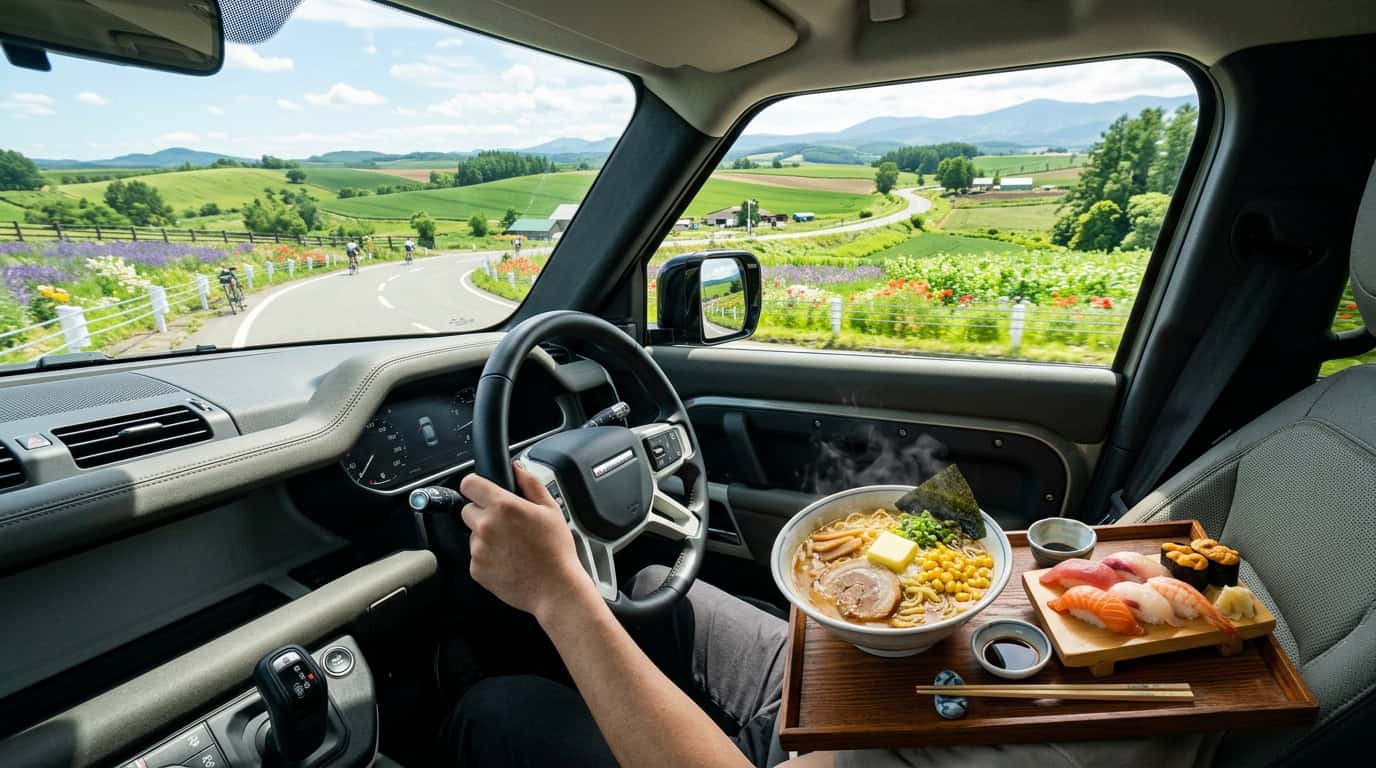
Our culinary journey begins in the vibrant heart of Sapporo, where the aroma of toasted spices leads us to the city’s iconic soup curry shops. On day one, I recommend starting with a bowl of this fragrant, medicinal broth packed with flash-fried seasonal vegetables and tender chicken leg. As the sun sets, we enjoy the local Shime Parfait culture, a unique tradition where we swap late-night ramen for an artfully layered glass of fresh Hokkaido cream and seasonal fruits. This first day captures the perfect balance between the island’s soul-warming comfort food and its modern, playful dessert scene.
On the second day, we take a scenic drive to the nostalgic port town of Otaru to walk the legendary Sushi Street. This area is world-renowned for its high-quality seafood, and I always suggest finding a small, family-run counter to experience the briny sweetness of local sea urchin and botanical shrimp. After a morning of indulgence, we can explore the historic canals and glassworks before heading back toward the city. The freshness of the catch here is unparalleled, providing a direct connection to the cold, nutrient-rich waters that surround the island.
We wrap up our three-day adventure by embracing the sophisticated side of Hokkaido’s gastronomy at a luxury hotel in the city. The third day focuses on hyper-local ingredients sourced from nearby dairy farms and organic producers, showcased through high-end menus that redefine regional flavors. We can enjoy a final evening of Jingisukan lamb BBQ, paired with cold-climate wines that highlight the island’s growing reputation as a premier vineyard destination. This itinerary offers a complete sensory experience, moving from bustling street markets to refined dining rooms that celebrate the best of the north.
Savoring the Lasting Flavors of Hokkaido
Hokkaido stands as a culinary powerhouse that redefined my understanding of what farm to table truly means. Whether I was standing in the crisp morning air of the Hakodate Morning Market or watching a master chef slice buttery scallops at Nijo Market, the connection between the land and the plate felt incredibly intimate. The island provides a sense of abundance that you simply cannot find in the crowded alleys of Tokyo or Osaka. From the world class dairy farms producing the creamiest milk I have ever tasted to the savory sizzle of Jingisukan lamb BBQ, every meal tells a story of the region’s rugged geography and rich soil.
Planning your own food journey through the north offers a rewarding mix of deep seated traditions and quirky modern trends. I highly recommend enjoying the local nightlife in Sapporo to experience a Shime Parfait, which is the delightful local custom of ending an evening with an artisan dessert instead of heavy noodles. As international travel to Japan reaches new heights, these unique regional experiences provide a much needed escape into authentic gastronomy. Make sure to prioritize a visit to a live seafood auction or a regional vineyard to see the passion behind the produce. Hokkaido is not just a stop on an itinerary, but a destination that will satisfy your hunger for adventure and world class flavors.
Frequently Asked Questions
1. What is the best time to visit Nijo Market for the freshest experience?
I highly recommend arriving by 8:00 AM to beat the heavy tourist crowds and secure a seat at the smaller, authentic counter-style eateries. This early start ensures you see the most vibrant displays of king crab and get first pick of the morning’s freshest catch.
2. What should I order if I want the best seafood bowl at the markets?
You should look for the omakase bowl on the menu, which lets the chef curate a selection of the day’s best uni, scallops, and ikura. It is the most authentic way to experience the high-quality seafood that Hokkaido is famous for.
3. What exactly is Jingisukan and where should I try it?
Jingisukan is a savory lamb barbecue grilled on a unique dome-shaped skillet, often enjoyed in a lively social atmosphere. It is a staple of Sapporo’s nightlife and is best experienced at a local specialty restaurant where you can grill the meat alongside seasonal vegetables.
4. Do I really have to eat a parfait late at night in Sapporo?
The Shime Parfait is a beloved local tradition where you swap late-night ramen for an artfully layered dessert of local cream and fruit. It is a refreshing and quirky way to end your culinary journey after a night of exploring hidden izakayas.
5. Is a food tour in Hokkaido suitable for solo travelers?
Hokkaido is incredibly welcoming for solo adventurers, especially at the market stalls and small barbecue joints where communal seating is common. You will find that sharing a meal often leads to wonderful conversations with locals and fellow food lovers.
6. What makes Hokkaido’s food scene different from the rest of Japan?
The island’s unique combination of rich volcanic soil and icy northern seas creates a flavor profile you won’t find anywhere else in the country. From cold-climate wines to the freshest deep-sea crab, the region offers a rugged and fresh culinary frontier that feels entirely distinct.